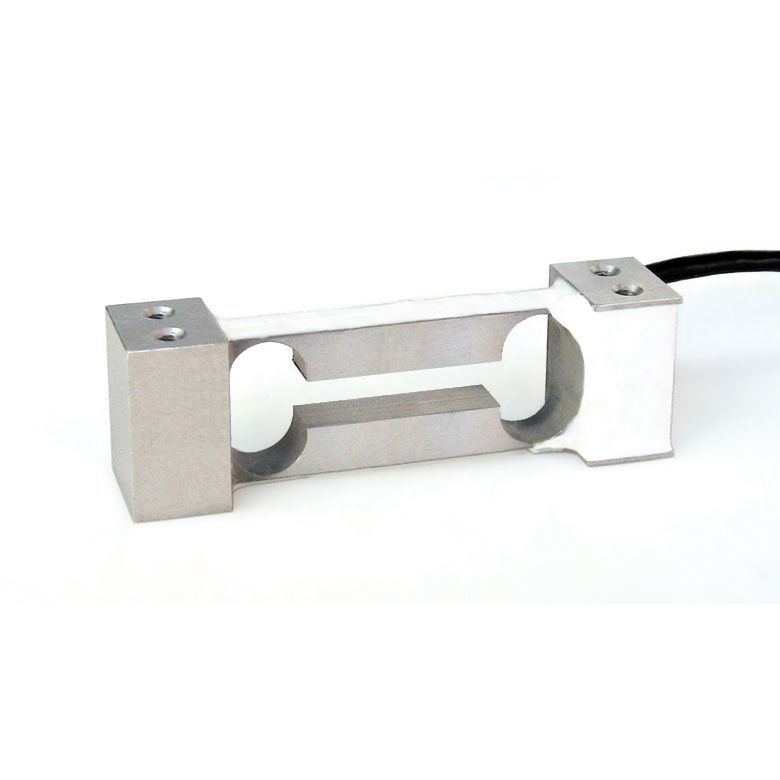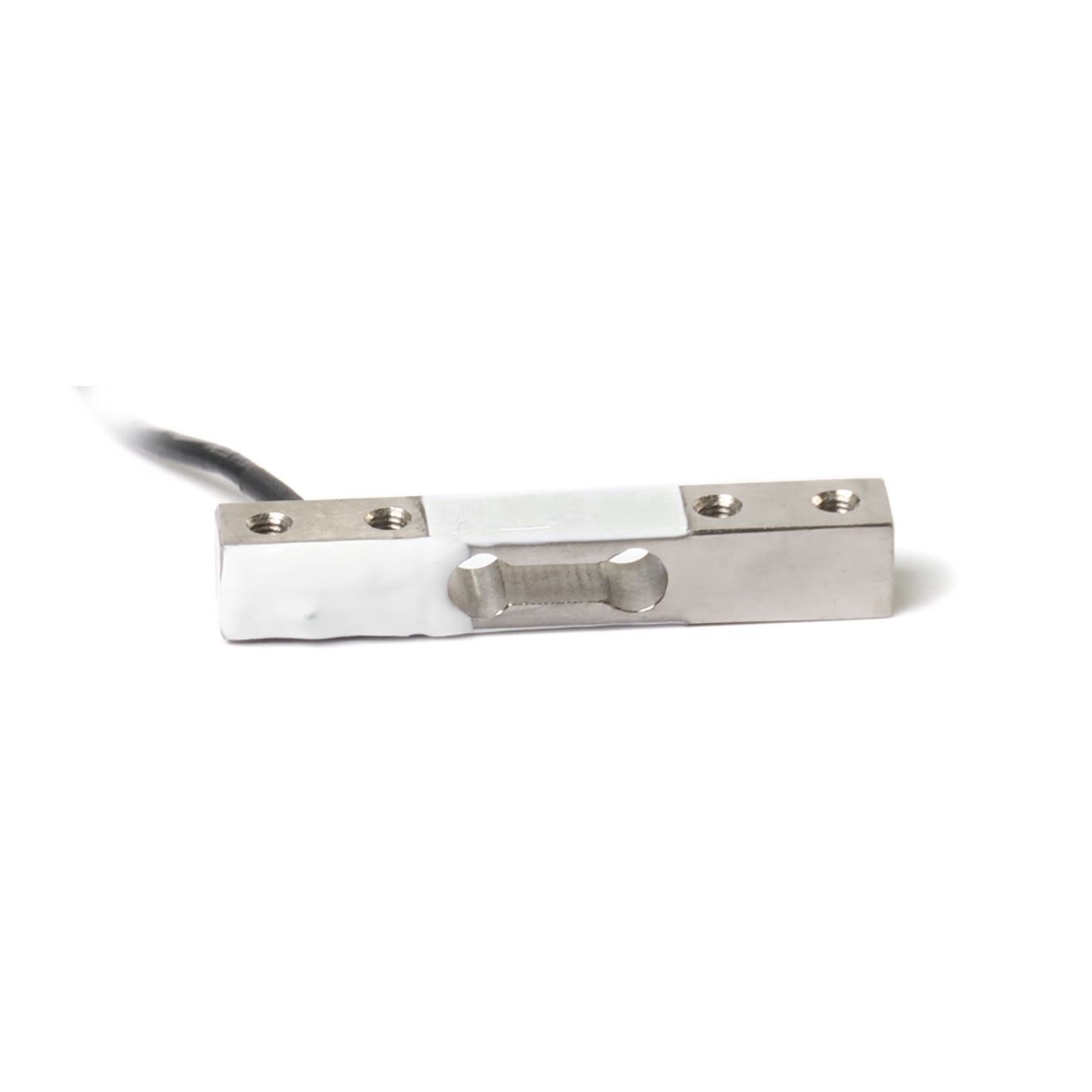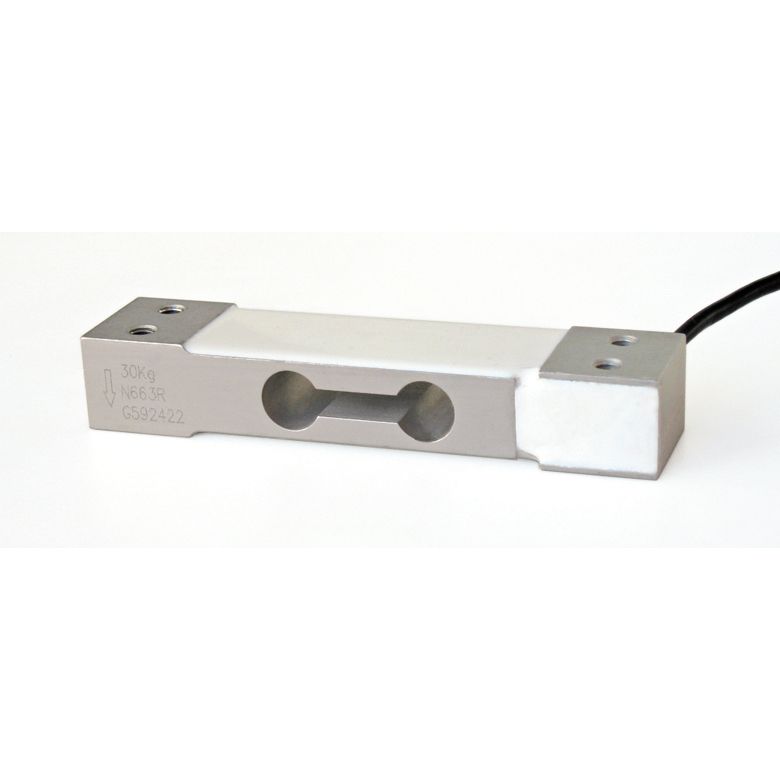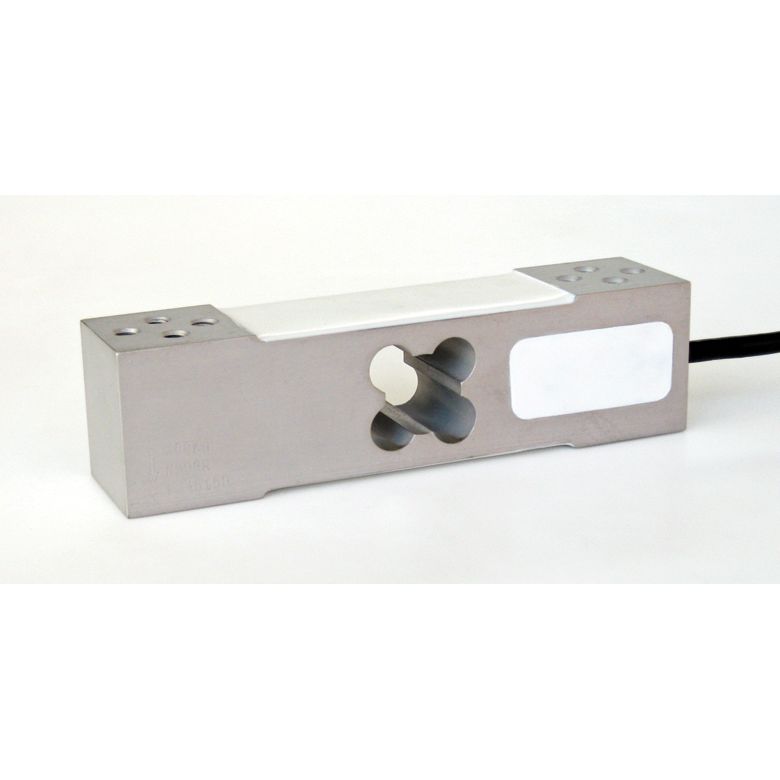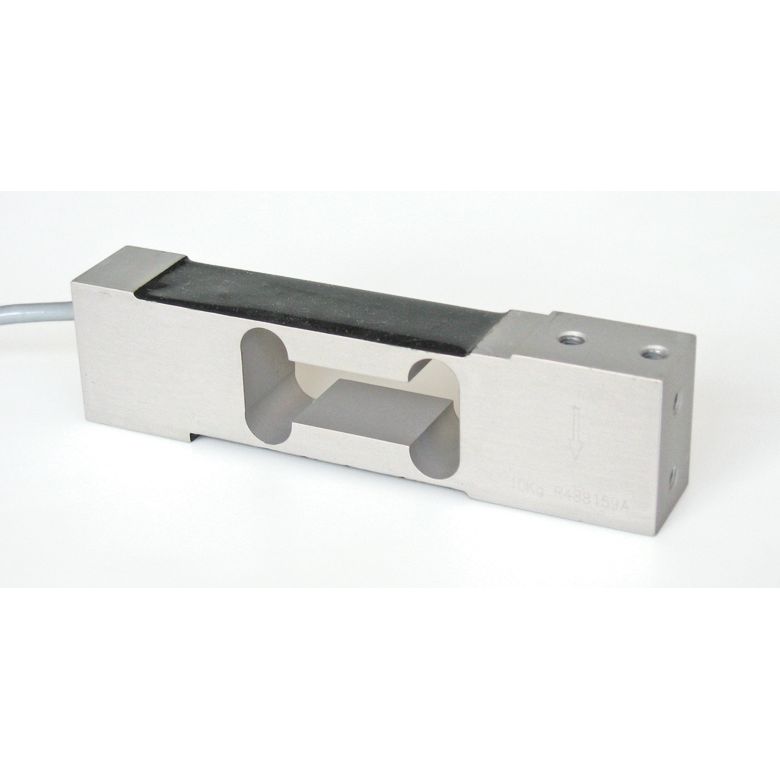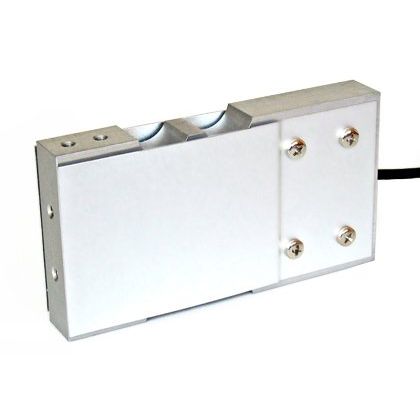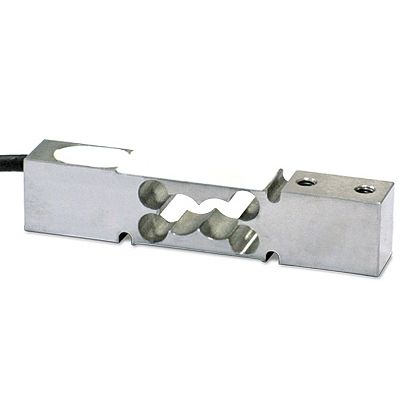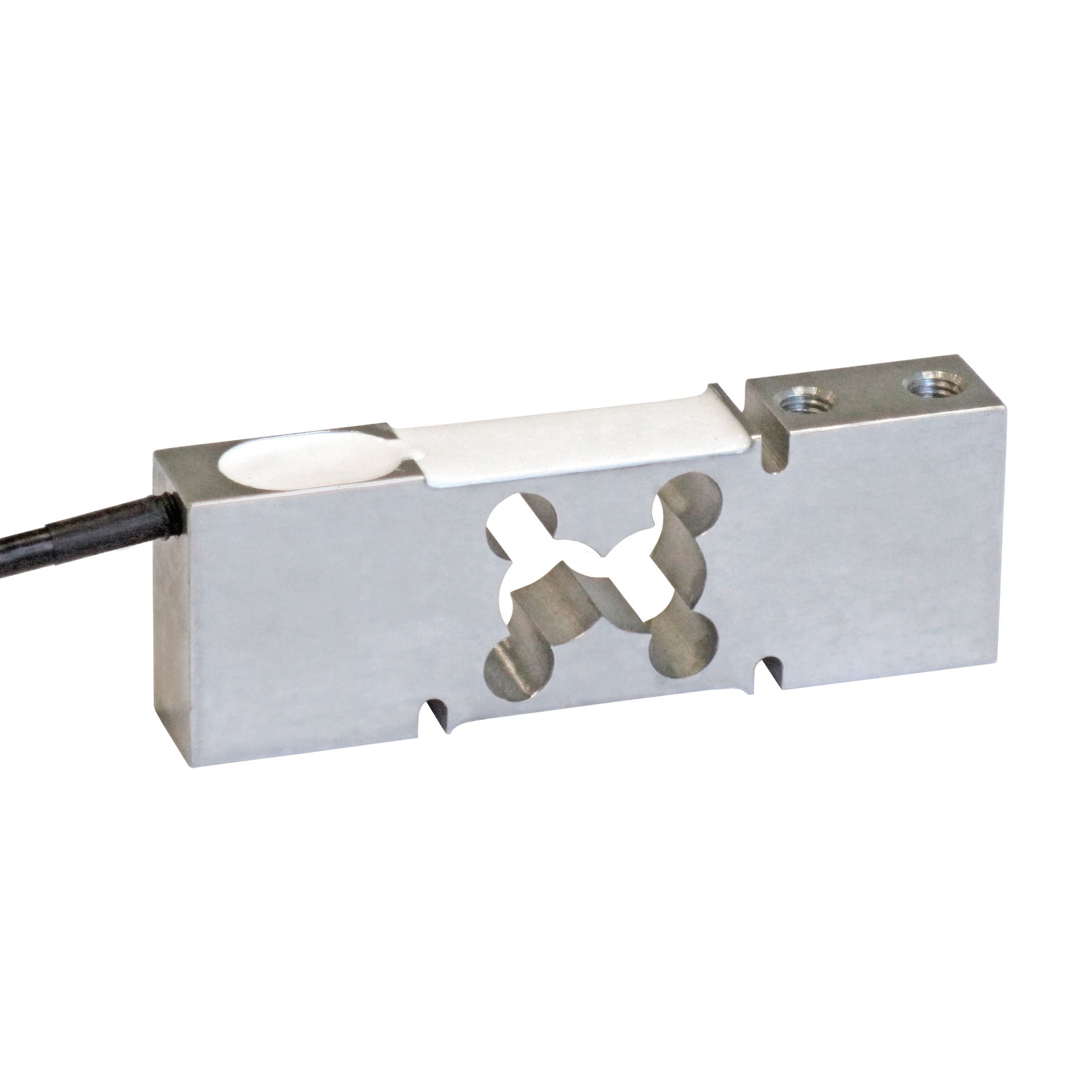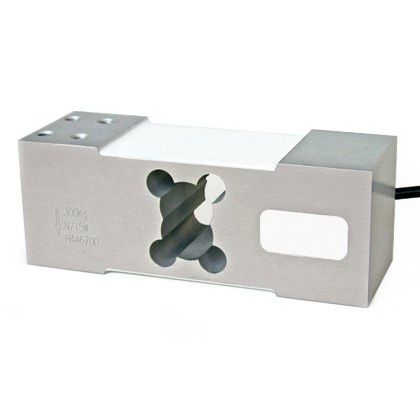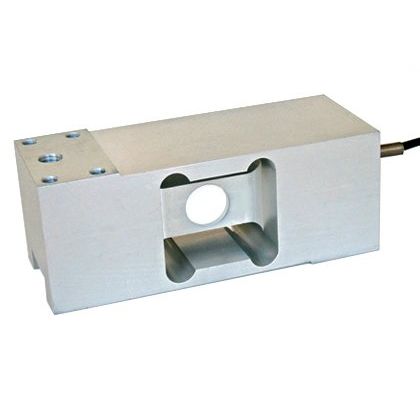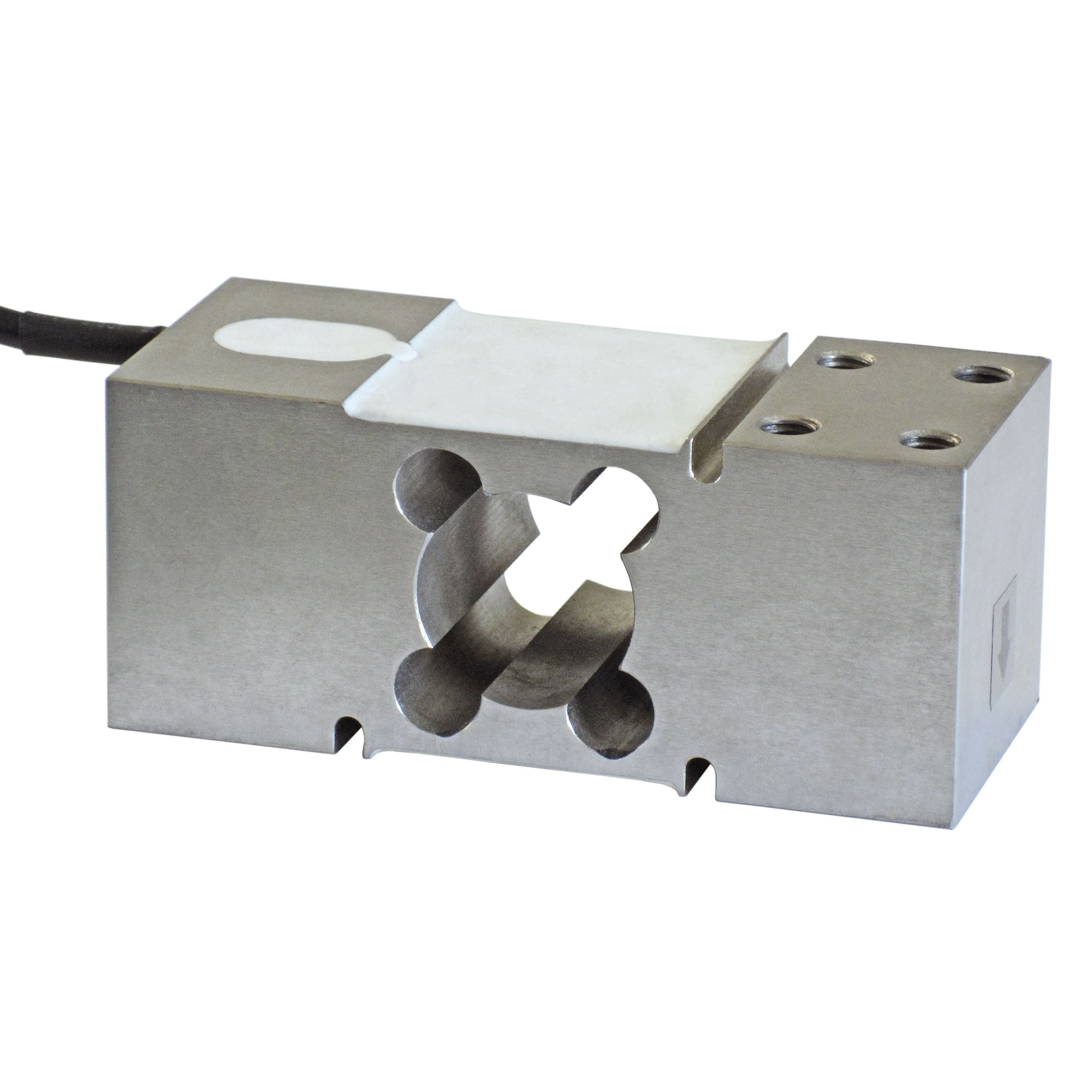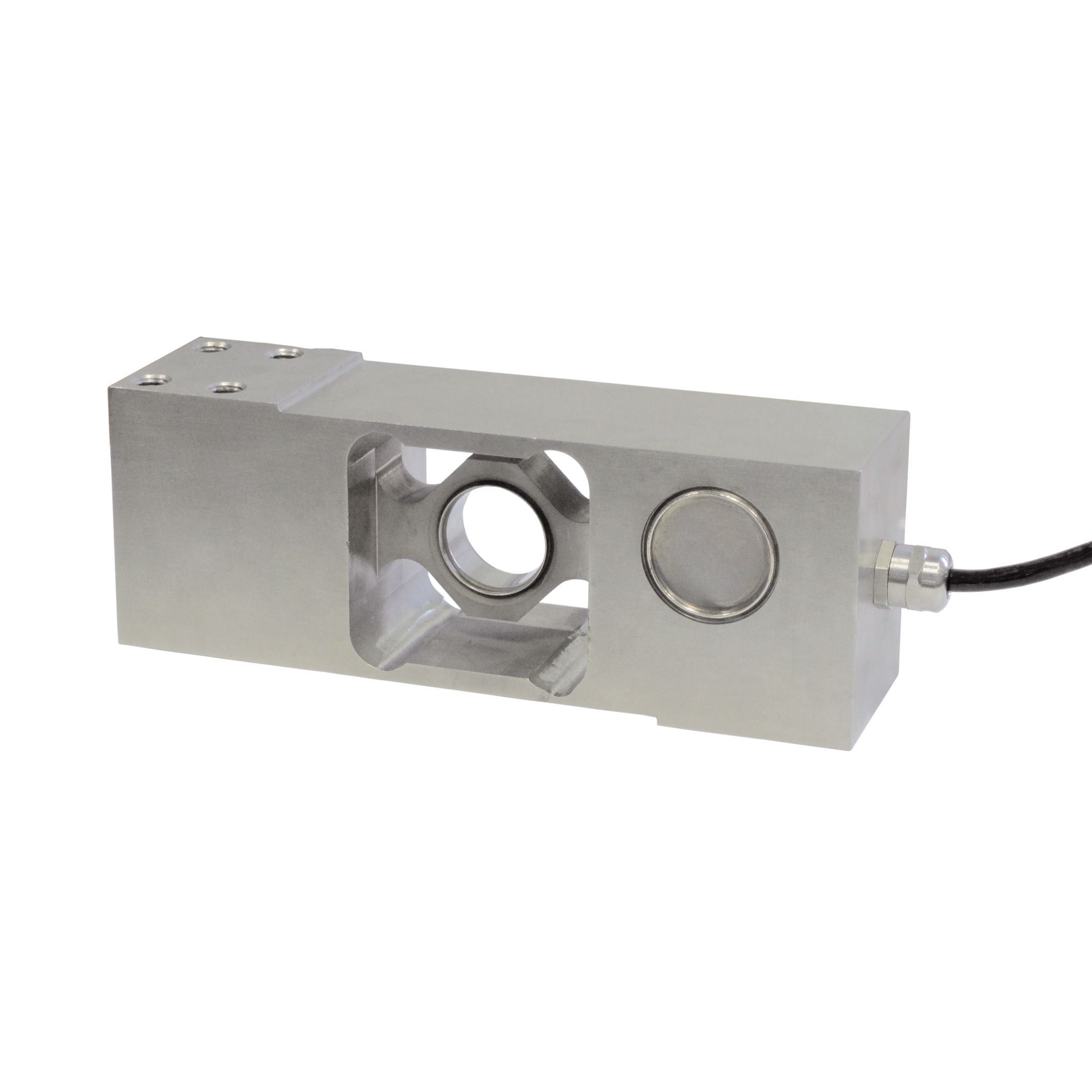
Single Point Load Cells
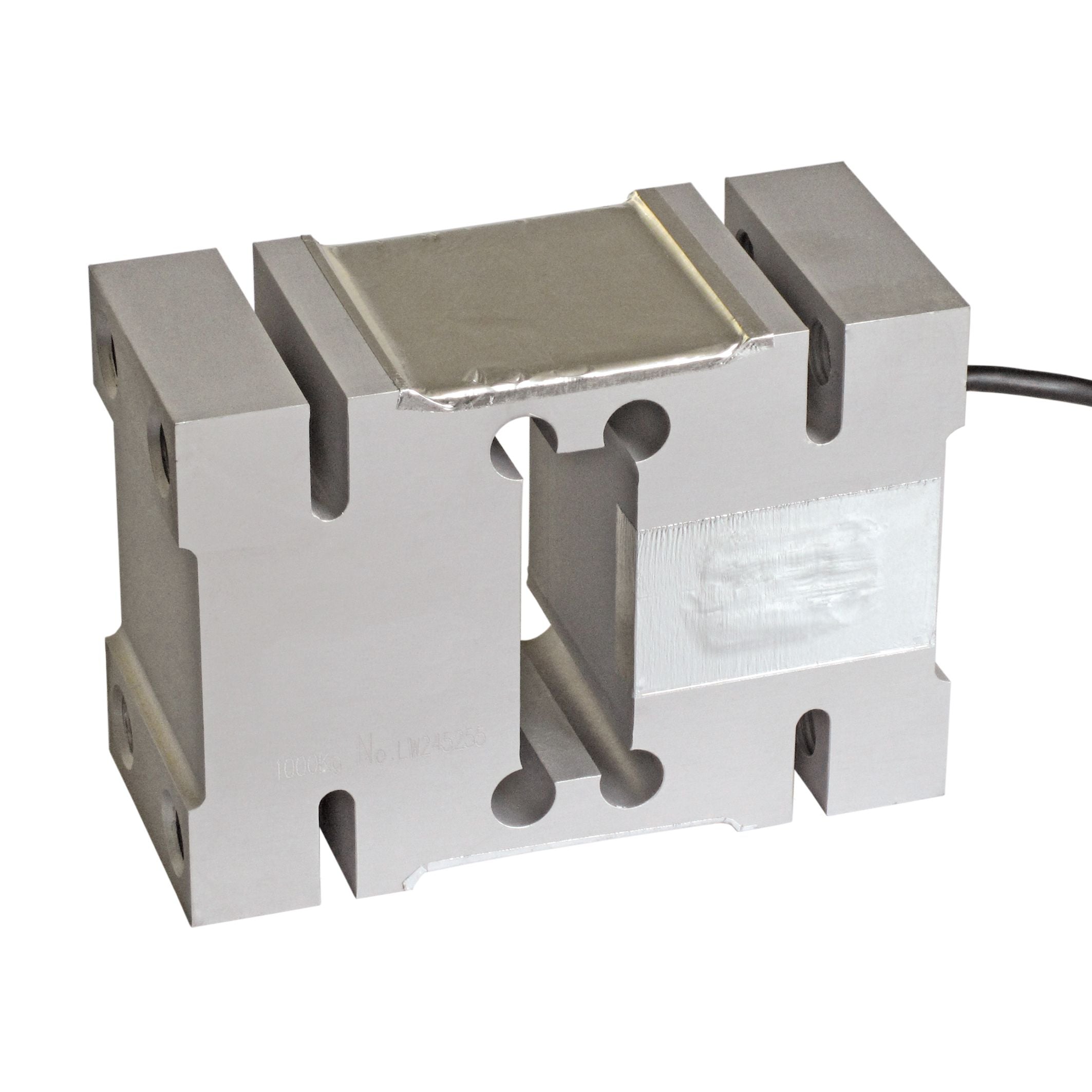
Single Point Load Cells from Laumas are designed for compact industrial weighing applications such as platform scales, bench scales, small hoppers and OEM weighing equipment. They are commonly used where one sensor supports the weighing structure and correct load transfer is essential.
Use this collection when sourcing load cells for new installations, replacement parts, weighing system upgrades or maintenance stock. Check capacity, mounting format, platform size, environment and compatibility with your weight indicator or transmitter before selecting.
Filters
13 products
Single point weighing components
Single Point Load Cells from Laumas are used in compact industrial weighing equipment, platform scales, bench scales, small hoppers and OEM weighing systems. They provide a practical load measurement solution where the weighing structure is designed around a single sensor.
When selecting a load cell, consider capacity, platform size, mounting arrangement, load direction, environment and compatibility with weight indicators or weight transmitters. These components are commonly specified for replacement parts, control panel integration, maintenance stock, system upgrades and new machine builds.
- Suitable for compact platform and process weighing applications
- Used with compatible weighing instrumentation and automation systems
- Selection should be based on mechanical fit, electrical compatibility and installation conditions
Further Reading
Single point load cell selection
Single Point Load Cells are widely used in industrial weighing equipment where a compact weighing platform, bench scale or small vessel requires reliable load measurement from a single sensor. Their design supports practical platform weighing by helping manage off-centre loading when installed within the manufacturer’s stated limits.
For engineers and OEMs, the key considerations are capacity, platform size, mounting arrangement, load direction, environment and compatibility with existing weight indicators or weight transmitters. Correct mechanical installation is important, including rigid support, suitable fixing, cable protection and avoidance of side loads or mechanical binding.
Laumas single point load cells can be considered for new weighing systems, replacement parts, OEM equipment, system upgrades and maintenance stock. When replacing an existing unit, compare the mechanical dimensions, wiring, rated capacity and output characteristics against the original specification before installation.
Compact platform weighing
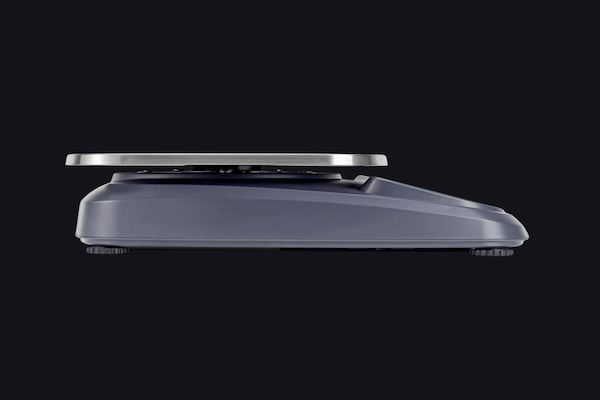
Single point designs are commonly used for platform and bench scales where one load cell supports the weighing structure. They are suitable for compact systems where repeatable load transfer and correct mounting are essential.
System compatibility
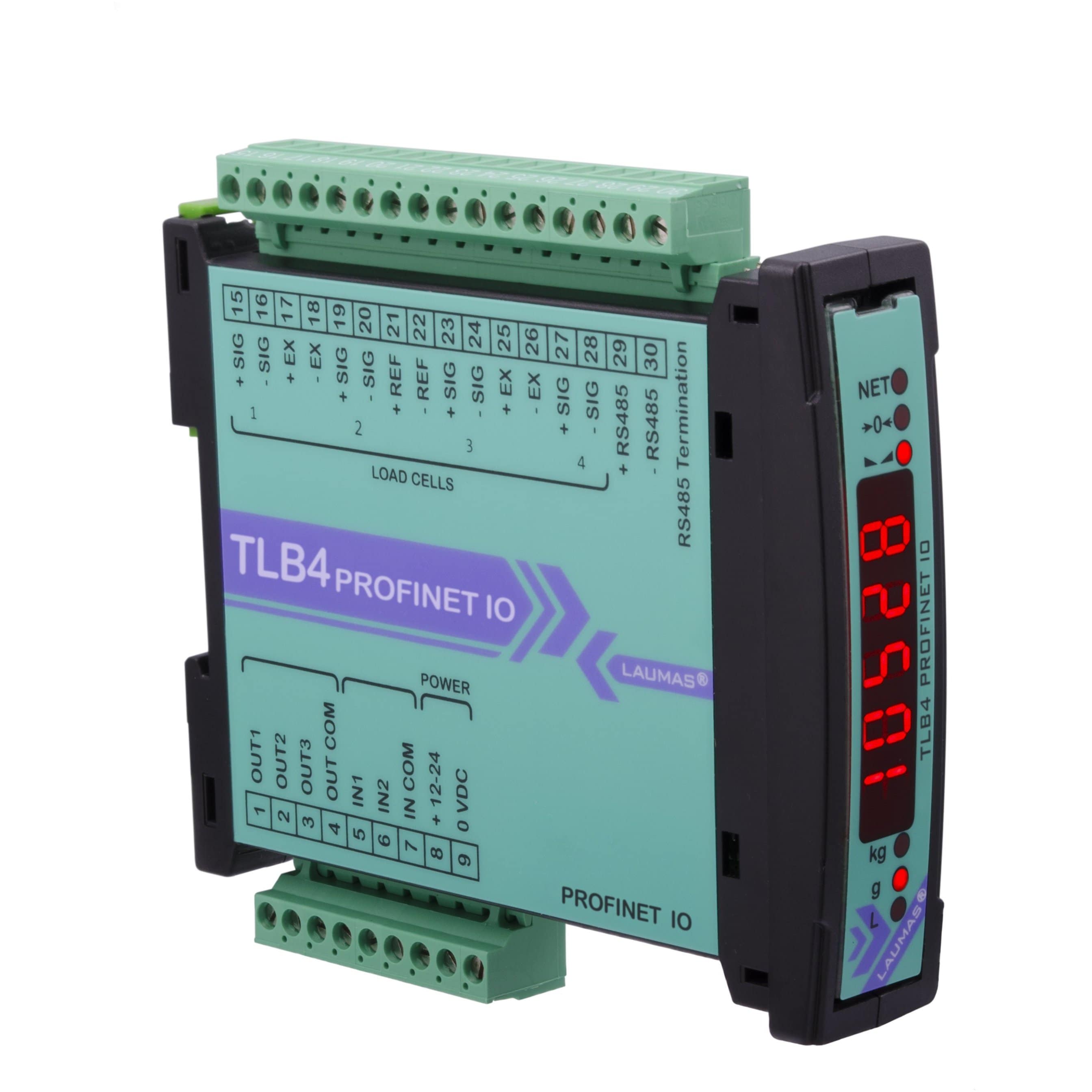
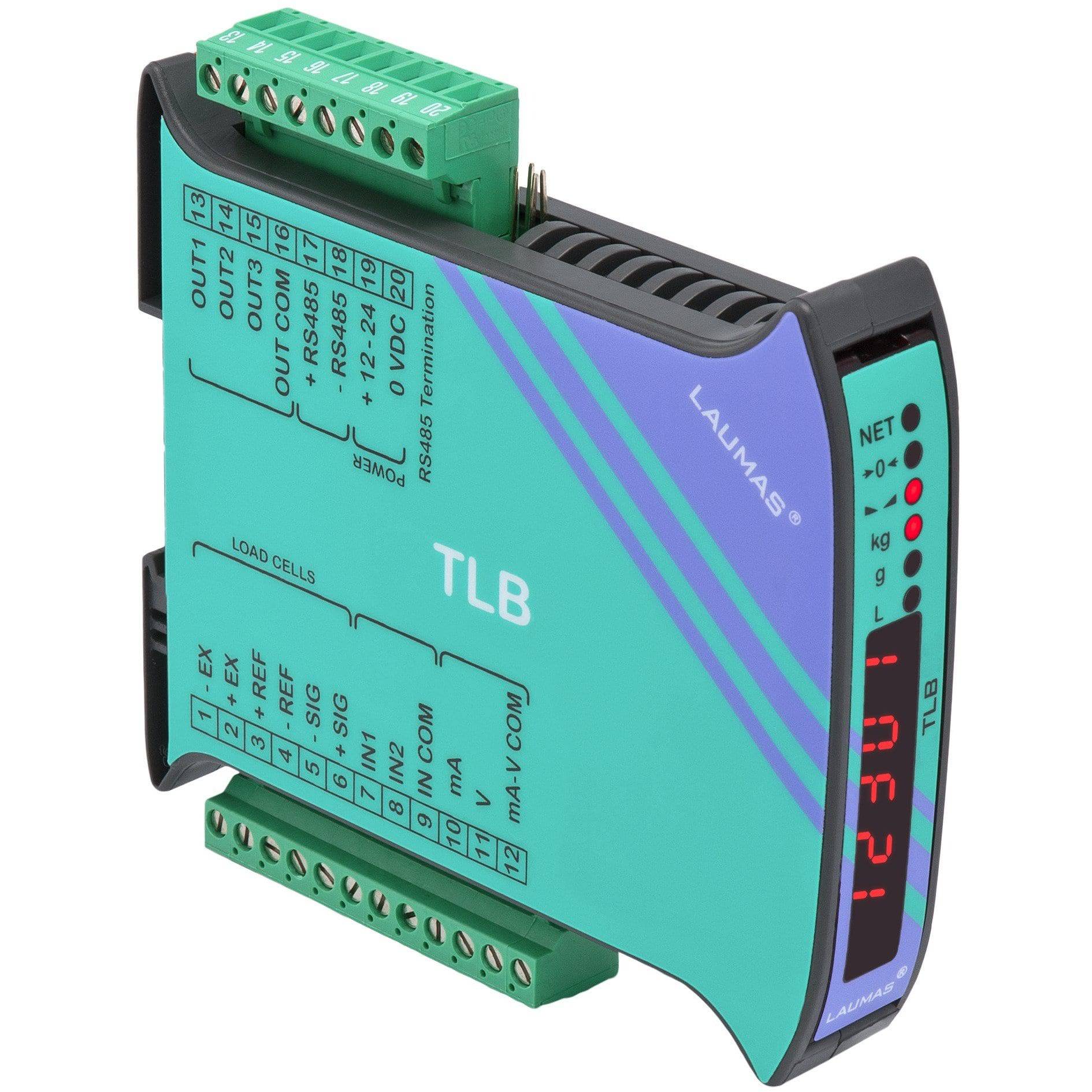
Check the load cell output, wiring and capacity against the chosen weight indicator, transmitter or control system. This helps ensure the sensor can be calibrated and integrated correctly within the wider weighing system.
Replacement and OEM use
These load cells are suitable for machine builders, service engineers and maintenance teams sourcing components for replacements, upgrades or new equipment builds. Always match the mechanical and electrical details to the application.
Learn more
Typical applications
Single point load cells are used across compact industrial weighing systems where the load is applied through a platform, fixture or small weighing assembly.
Used in small to medium platform scales, bench scales and check weighing stations where one sensor can support the weighing structure within its rated limits.
Suitable for weighing stages in filling, batching and dosing machinery where compact load measurement is required for process control or quantity verification.
Can be used in small vessel weighing applications where the mechanical design directs the load correctly through the sensor without introducing side forces.
How to choose
Selecting the right single point load cell depends on both the mechanical design and the weighing electronics connected to it. Review the application before matching a replacement or specifying a new system.
Select a capacity that covers the maximum live load, dead load and any expected overload conditions. Avoid undersizing, and confirm the usable weighing range with the system accuracy required.
Confirm the platform size, fixing hole pattern, load introduction point and installation orientation. Mechanical mismatch can affect weighing performance and service life.
Consider temperature, moisture, dust, cleaning methods, vibration and exposure to process materials. Check the product datasheet for material and protection details before selecting.
Match the load cell to the weight indicator, weight transmitter or control panel input. Check excitation, signal type, cable arrangement and calibration requirements before integration.
Single point load cell FAQs
These FAQs cover common selection, replacement and integration questions for industrial single point weighing applications.
What is a single point load cell used for?
A single point load cell is commonly used in compact platform scales, bench scales, filling machines and small weighing assemblies where one sensor supports the weighing structure.
Can I replace an existing single point load cell with a Laumas model?
Yes, provided the replacement matches the required capacity, dimensions, mounting pattern, wiring and output characteristics. Always compare the datasheet with the original load cell before fitting.
Do single point load cells work with weight indicators and transmitters?
They can be integrated with suitable weighing electronics, including compatible weight indicators and weight transmitters. Check electrical compatibility, calibration method and system input requirements.
What installation issues affect single point load cell performance?
Common issues include poor mounting rigidity, side loading, cable damage, mechanical binding, incorrect load introduction and exceeding the rated capacity. Correct installation is essential for reliable weighing.