
Shore Hardness Testers
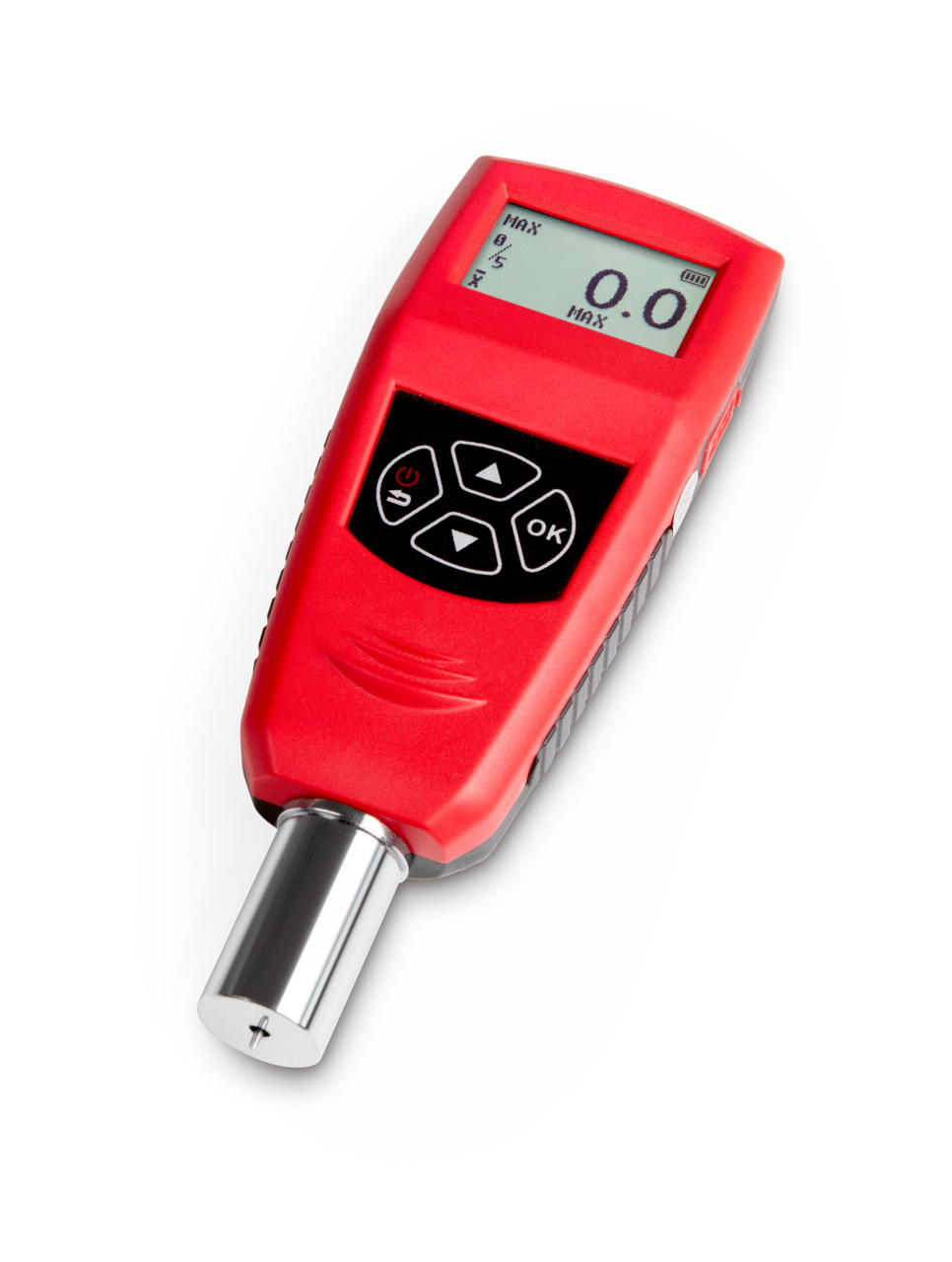
Shore hardness testers, also known as Shore durometers, are used to measure the hardness of rubber, plastics, elastomers, foams and similar non-metallic materials. This collection includes professional Shore A, Shore D and Shore A0 hardness testers suitable for manufacturing, quality control, laboratory and material testing applications.
Filters
3 products
Professional Shore Hardness Testers for Rubber & Plastic Testing
Shore hardness testers are widely used throughout manufacturing, plastics, automotive, rubber processing, packaging and laboratory industries to measure the hardness of non-metallic materials. Often referred to as Shore durometers, these instruments determine material hardness by measuring the resistance to indentation of a spring-loaded indenter against the test surface.
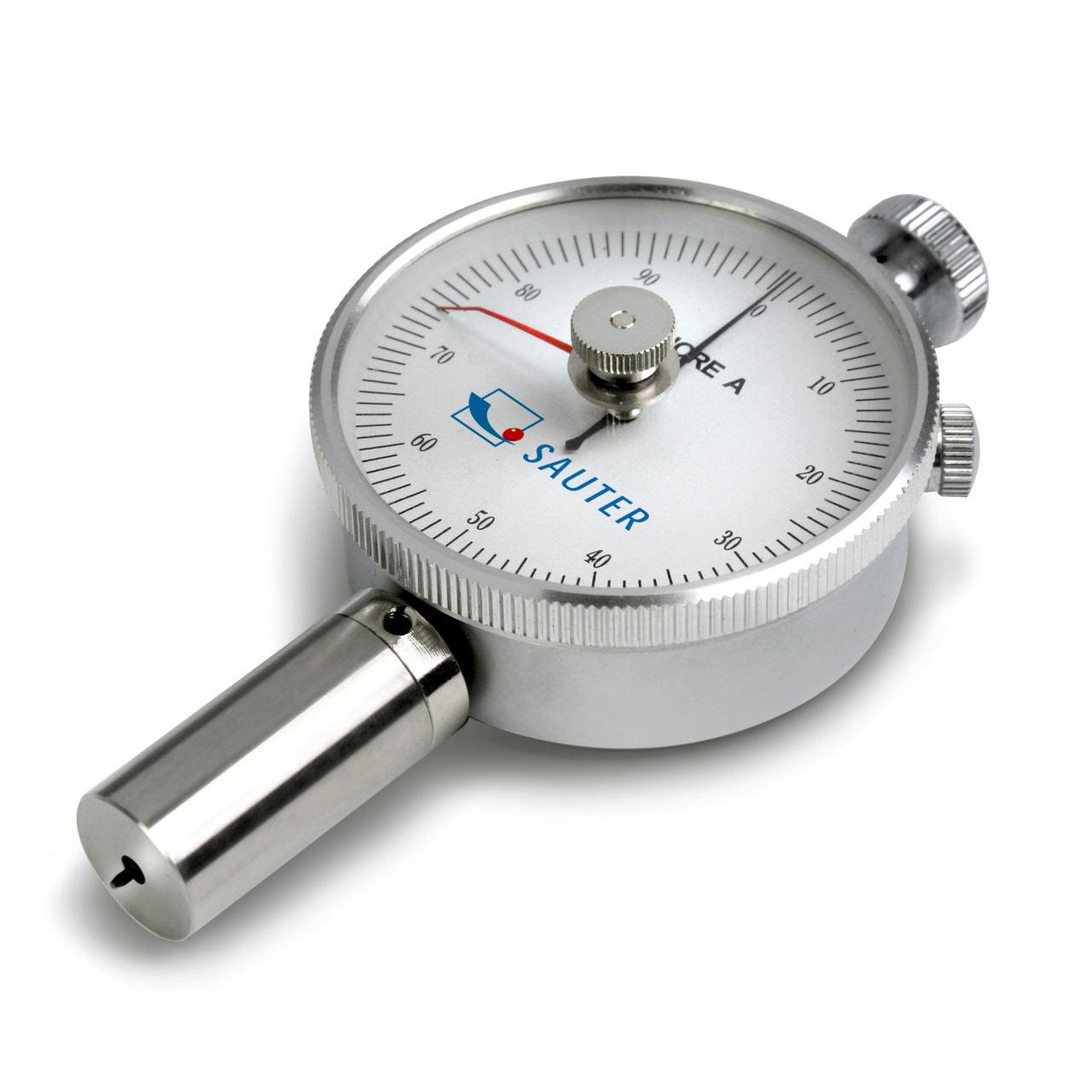
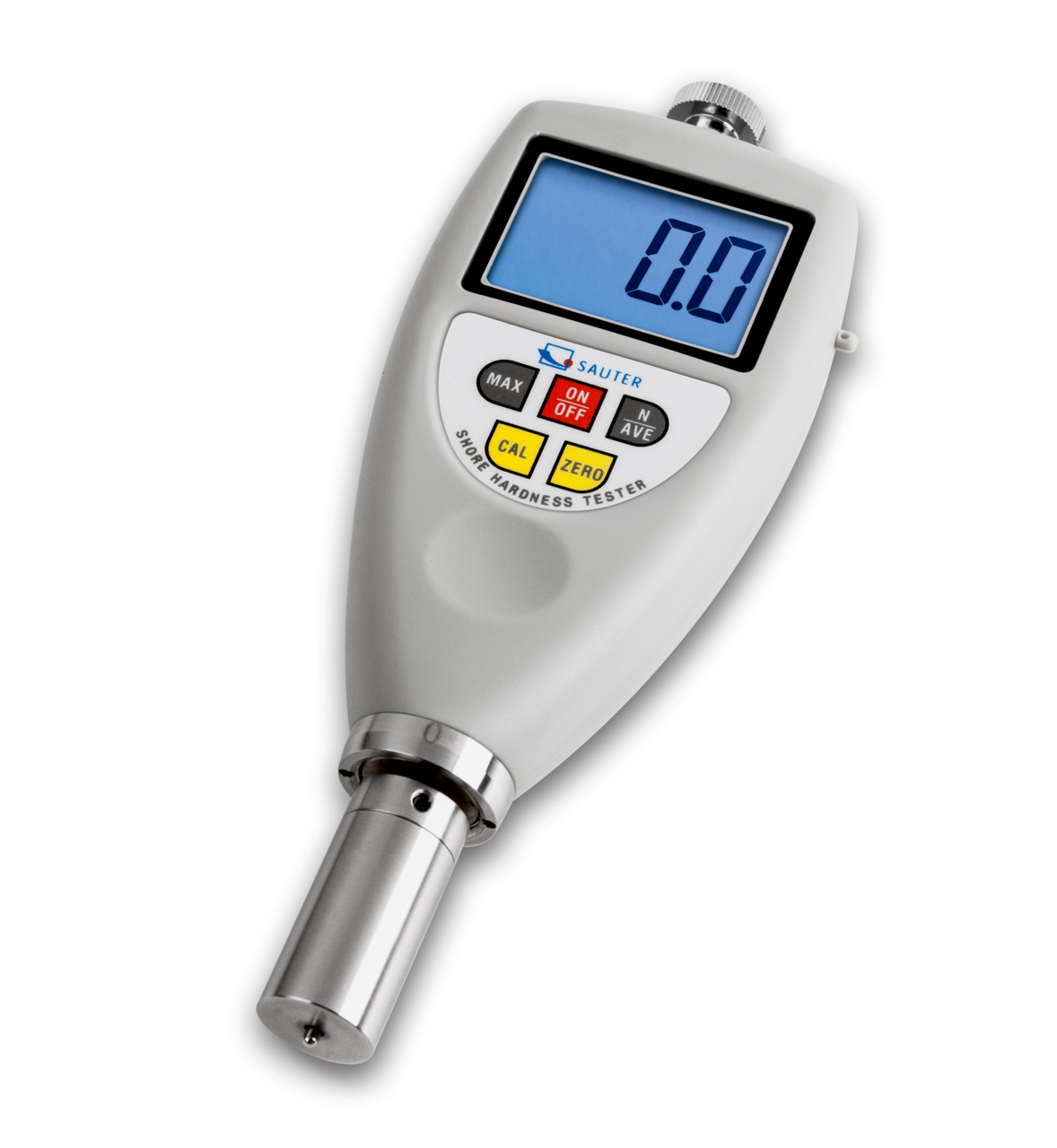
This collection includes professional Shore hardness testers suitable for testing rubber, elastomers, silicone, plastics, foam, neoprene, vinyl, leather and similar materials across a wide range of hardness scales. Available in both analogue and digital formats, these instruments are designed for reliable, repeatable hardness measurement within quality control, production inspection and material verification applications.
Shore A hardness testers are typically used for softer materials such as rubber, silicone, neoprene and flexible plastics, while Shore D durometers are designed for harder plastics, epoxy materials and rigid polymers. Shore A0 testers are commonly used for low-density foam and sponge materials where lower indentation forces are required. Selecting the correct Shore scale is essential for achieving accurate and meaningful test results.
Digital Shore hardness testers offer features such as peak hold, statistical measurement modes, memory storage and USB connectivity, making them suitable for production reporting and advanced quality procedures. Analogue durometers remain popular for straightforward workshop and production testing due to their simplicity, reliability and ease of use.
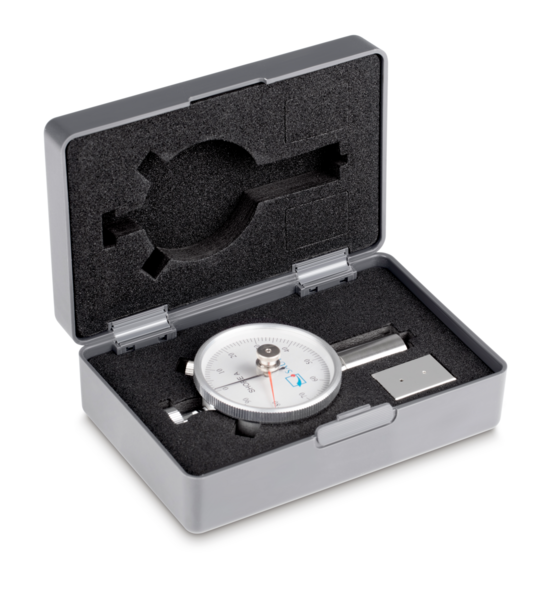
Shore hardness test stands are also commonly used to improve repeatability by maintaining consistent test force and contact angle during testing. For routine verification and internal calibration procedures, Shore hardness test blocks provide known reference values to support reliable measurement performance and quality assurance routines.
Whether used for incoming material inspection, production quality checks or laboratory testing, selecting the correct Shore hardness tester helps improve consistency, repeatability and confidence in hardness measurement results.
Further Reading
Understanding Shore Hardness Testing
Shore hardness testing is one of the most widely used methods for measuring the hardness of rubber, plastics and elastomer materials. The test works by measuring the depth of penetration of a calibrated indenter into the surface of the material under a defined spring force. Different Shore scales are used depending on the hardness range and material type being tested.
Shore A is commonly used for softer elastomers including rubber, silicone, neoprene and flexible plastics, while Shore D is used for harder plastics and rigid polymers. Shore A0 is designed for soft foam and sponge materials where standard Shore A instruments may apply excessive force. Using the correct Shore scale is essential for obtaining accurate and comparable hardness measurements.
Digital Shore hardness testers often include additional functions such as data logging, statistical measurement, peak value capture and USB output for reporting and quality control applications. Analogue Shore durometers remain widely used for routine workshop and production testing due to their simple operation and mechanical reliability.
Regular verification using Shore hardness test blocks helps confirm instrument performance and supports internal quality procedures. Many industries also require optional ISO calibration certificates for traceability and compliance purposes.
Shore A hardness testing
Shore A durometers are commonly used for testing rubber, elastomers, neoprene, silicone, leather and flexible plastics.
Shore D hardness testing
Shore D hardness testers are designed for harder materials including rigid plastics, epoxy resins, acrylics and thermoplastics.
Shore A0 foam testing
Shore A0 instruments are suitable for soft foam, sponge and low-density materials requiring lower indentation force during testing.
Learn more
Shore hardness tester applications
Shore hardness testers are used across a wide range of industrial and laboratory applications where material hardness, flexibility and consistency must be monitored and verified.
Shore A durometers are widely used for testing rubber seals, gaskets, tyres, O-rings, silicone products and elastomer components within manufacturing and quality control environments.
Shore D hardness testers are commonly used for rigid plastics, thermoplastics, acrylics and resin materials used within engineering, fabrication and product development applications.
Shore A0 hardness testers are suitable for low-density foam, sponge and soft cushioning materials where lower test force and controlled penetration are required.
How to choose Shore hardness testers
Selecting the correct Shore hardness tester depends on the material type, hardness range, testing environment and the level of measurement repeatability required.
Choose Shore A for rubber and flexible elastomers, Shore D for harder plastics and Shore A0 for soft foam materials. Using the correct scale is essential for meaningful and repeatable hardness measurement.
Analogue Shore durometers are simple, reliable and widely used for routine workshop testing, while digital models provide additional functionality including memory storage, peak hold and USB data output.
For laboratory or quality-controlled environments, a Shore hardness test stand can improve consistency by maintaining controlled contact force and alignment during testing.
Hardness test blocks and optional ISO calibration certificates can support internal quality systems, calibration procedures and measurement traceability requirements.
FAQs for Shore Hardness Testers
Common questions about Shore hardness testers
What is a Shore hardness tester used for?
A Shore hardness tester measures the hardness of rubber, plastics, elastomers, foam and similar non-metallic materials by measuring resistance to indentation.
What is the difference between Shore A and Shore D?
Shore A is used for softer materials such as rubber and silicone, while Shore D is designed for harder plastics, acrylics and rigid polymers.
Are digital Shore hardness testers more accurate?
Digital Shore hardness testers can improve readability, repeatability and data recording, particularly within quality control environments, although analogue testers remain widely used for routine industrial testing.
Do Shore hardness testers require calibration?
Regular verification and calibration are recommended to maintain reliable measurement performance. Shore hardness test blocks are commonly used for routine instrument checking and internal verification procedures.