Force Gauges

Force gauges are precision instruments used for measuring tension and compression forces across industrial testing, quality control, manufacturing and laboratory applications. This collection includes digital and mechanical force gauges suitable for push-pull testing, material testing, assembly verification and production inspection environments.

Filters

Filters
Sort by:

10 products

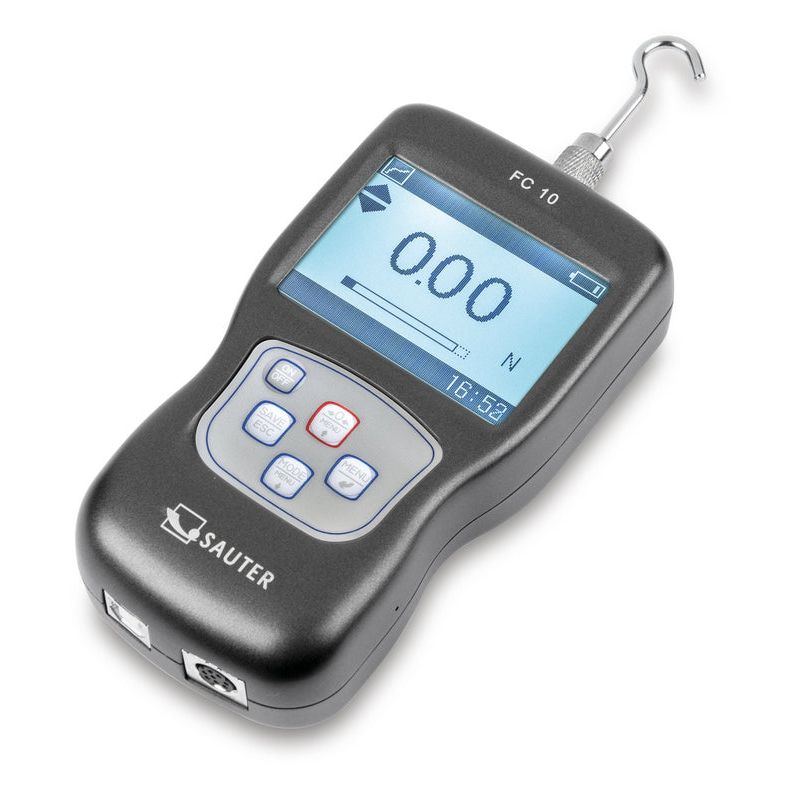
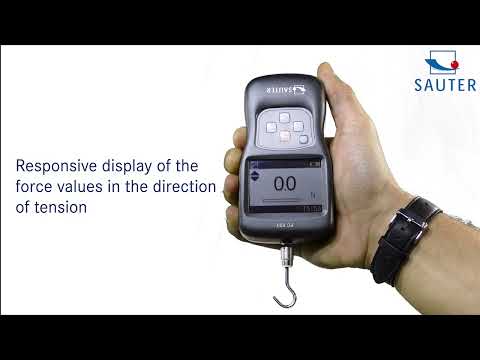
Sauter FC Force Gauge - GNW Instrumentation
Sauter FC Force Gauge Sale priceFrom £332.00
Sauter FL-S Force Gauge - GNW InstrumentationSauter FL-S Force Gauge - GNW Instrumentation
Sauter FL-S Force Gauge Sale priceFrom £456.00
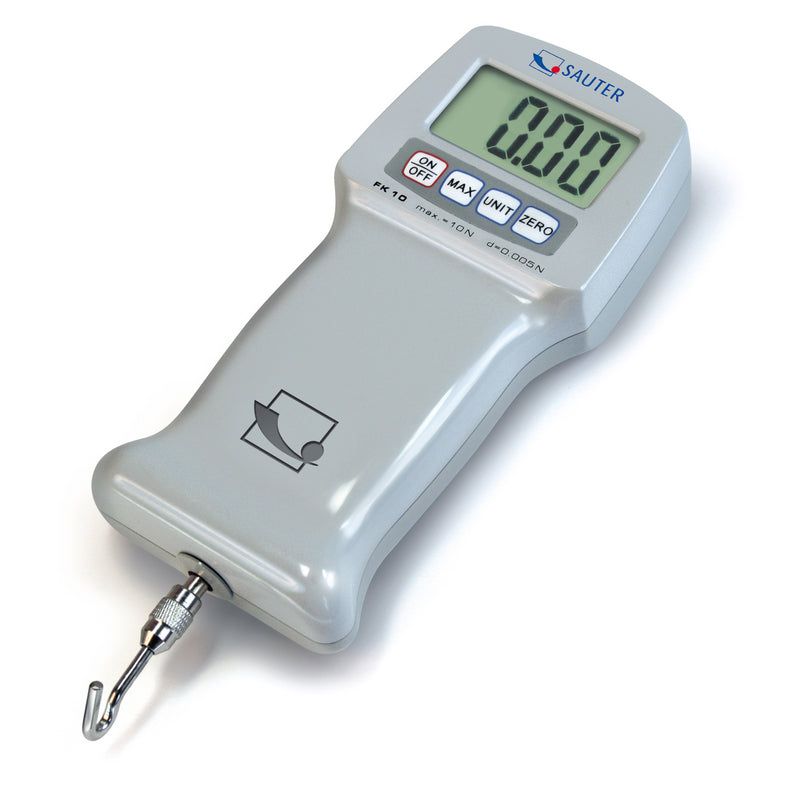
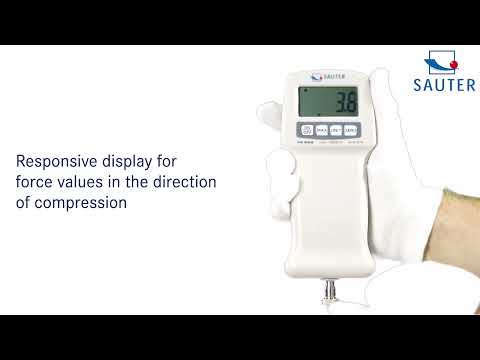
Sauter FK Force Gauge - GNW Instrumentation
Sauter FK Force Gauge Sale priceFrom £220.00
Sauter FA Force Gauge - GNW InstrumentationSauter FA Force Gauge - GNW Instrumentation
Sauter FA Force Gauge Sale priceFrom £184.00
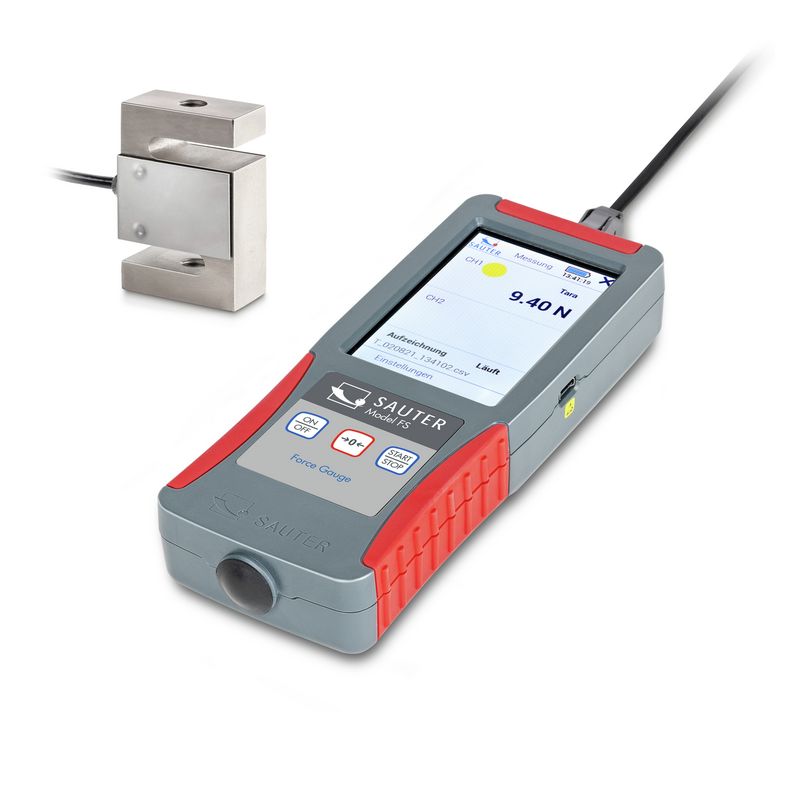
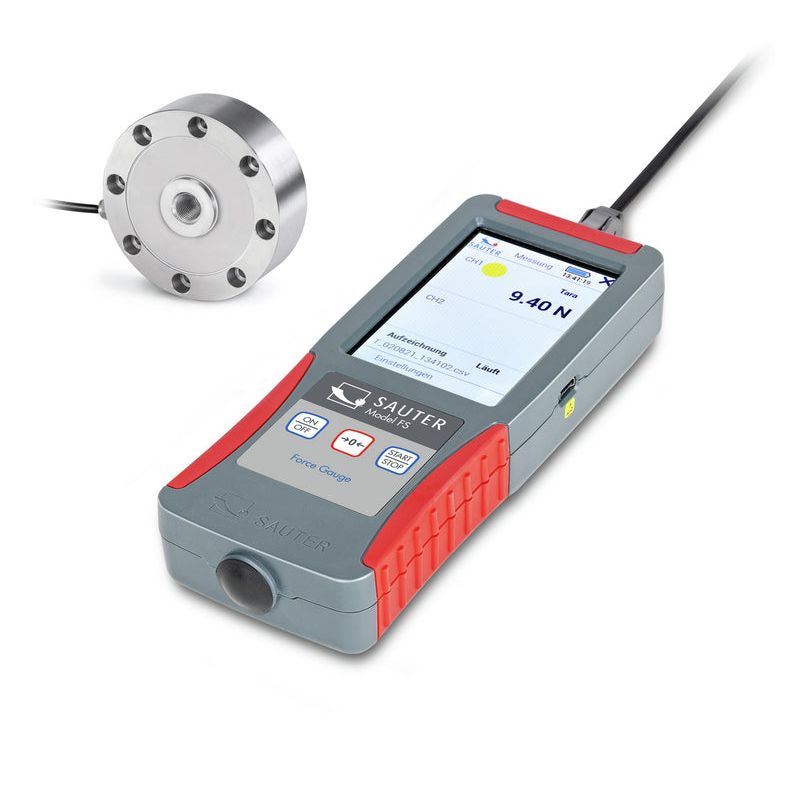
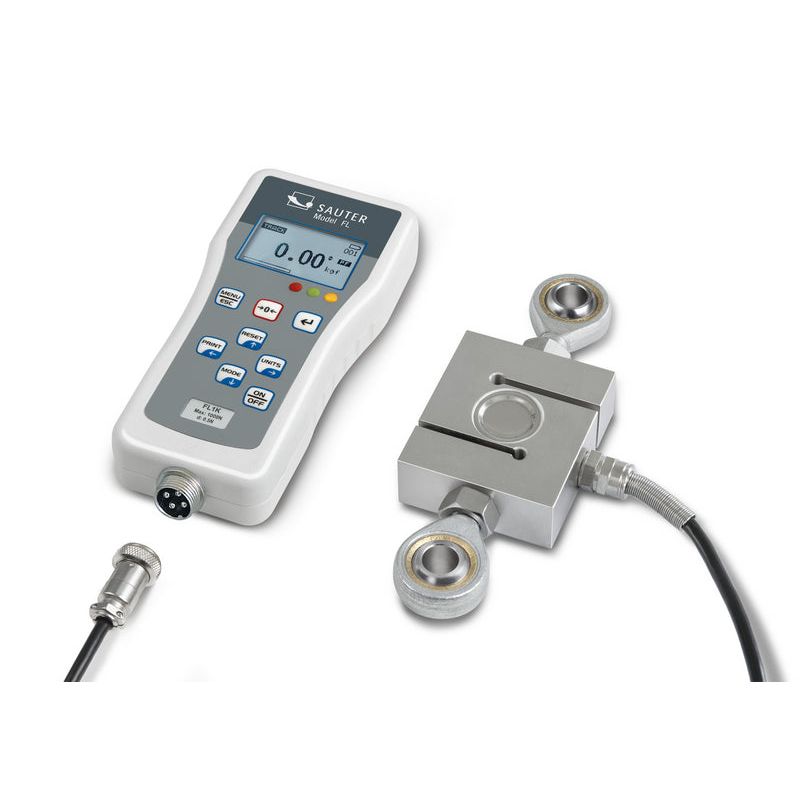
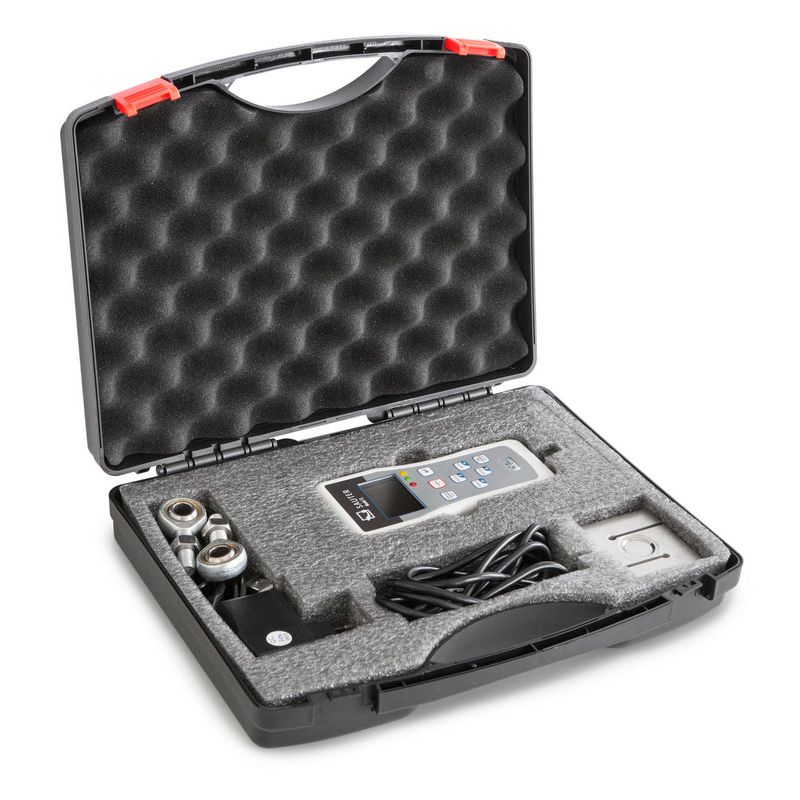
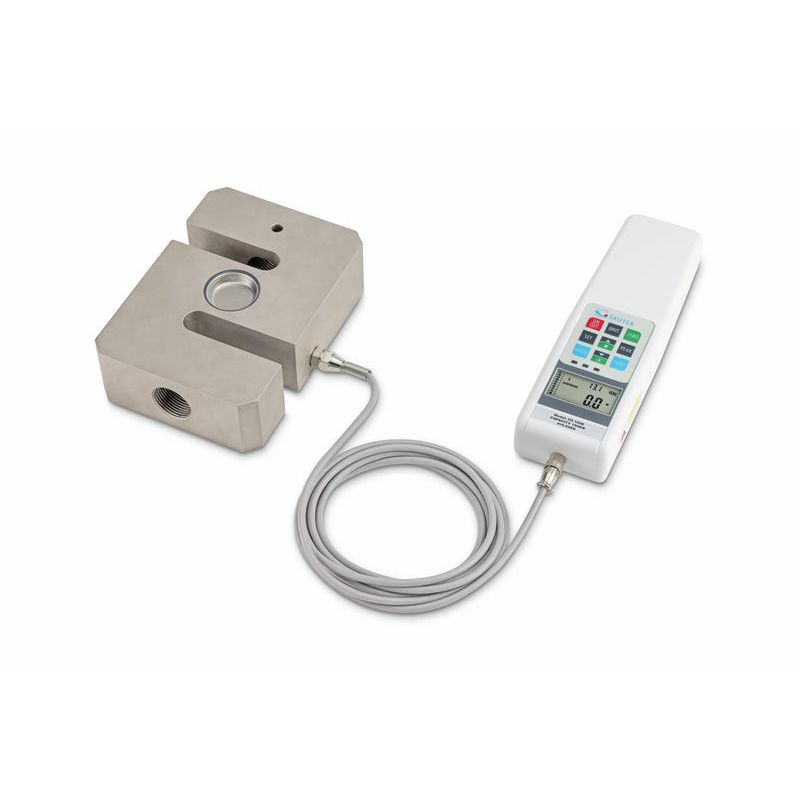
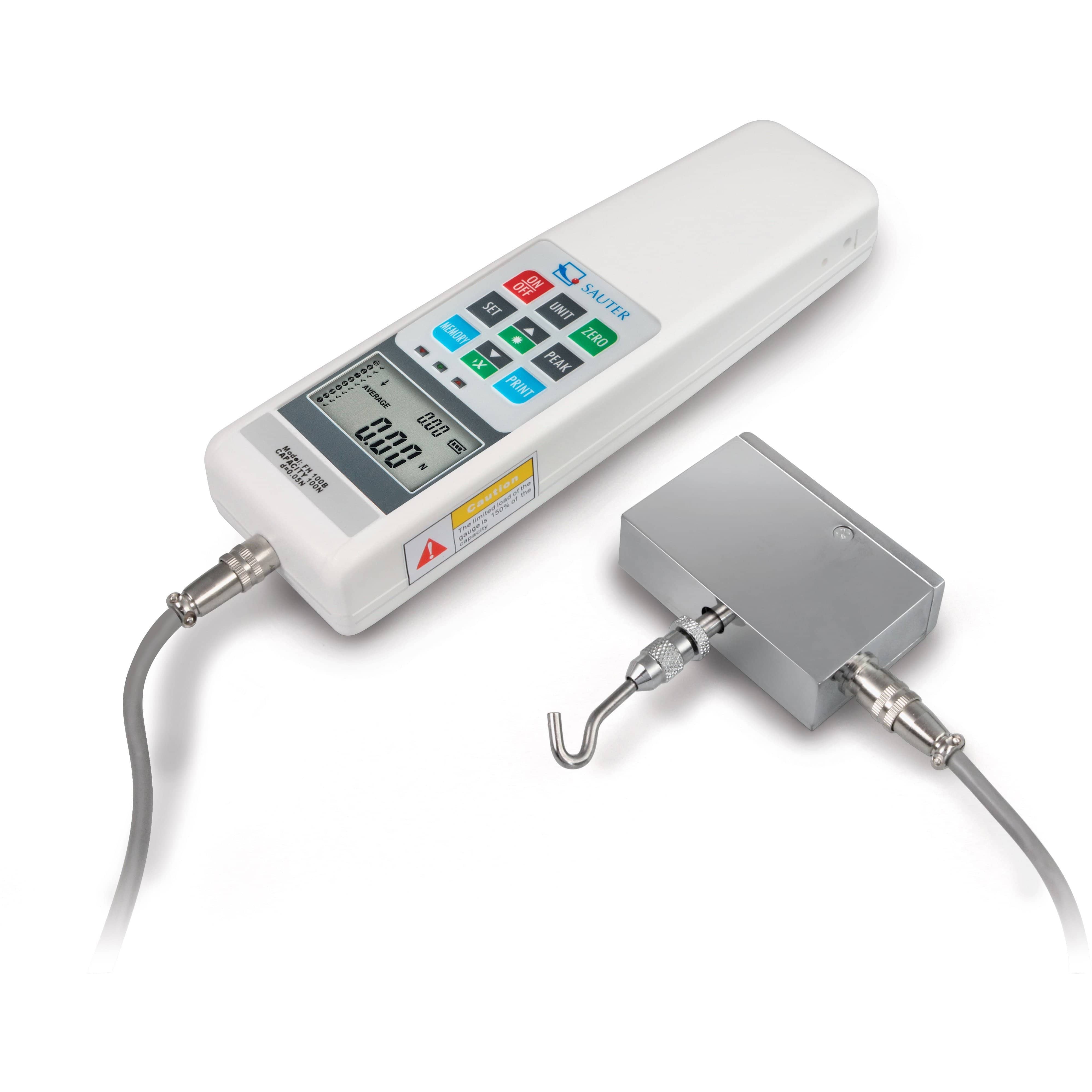
Sauter FS Force Gauge Set with External Load Cells - GNW InstrumentationSauter FS Force Gauge Set with External Load Cells - GNW Instrumentation
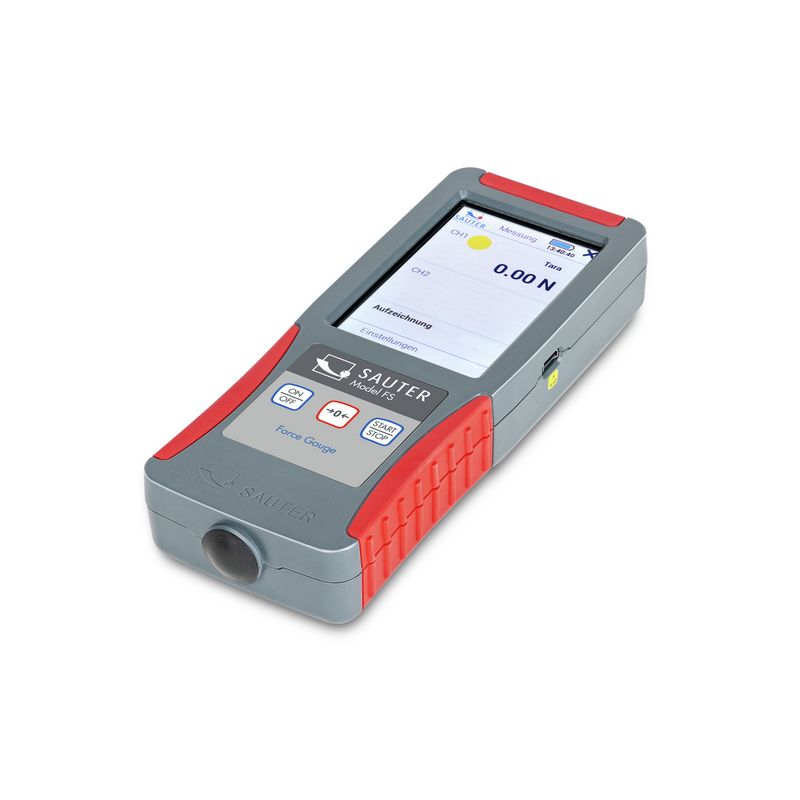
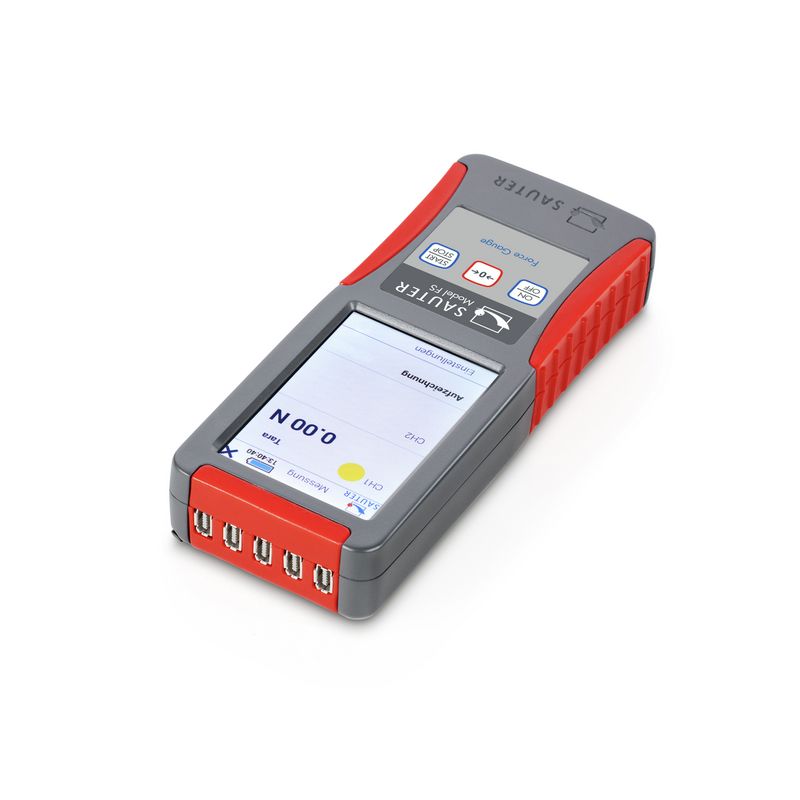
Sauter FS Force Gauge - GNW InstrumentationSauter FS Force Gauge - GNW Instrumentation
Sauter FS Force Gauge Sale priceFrom £760.00
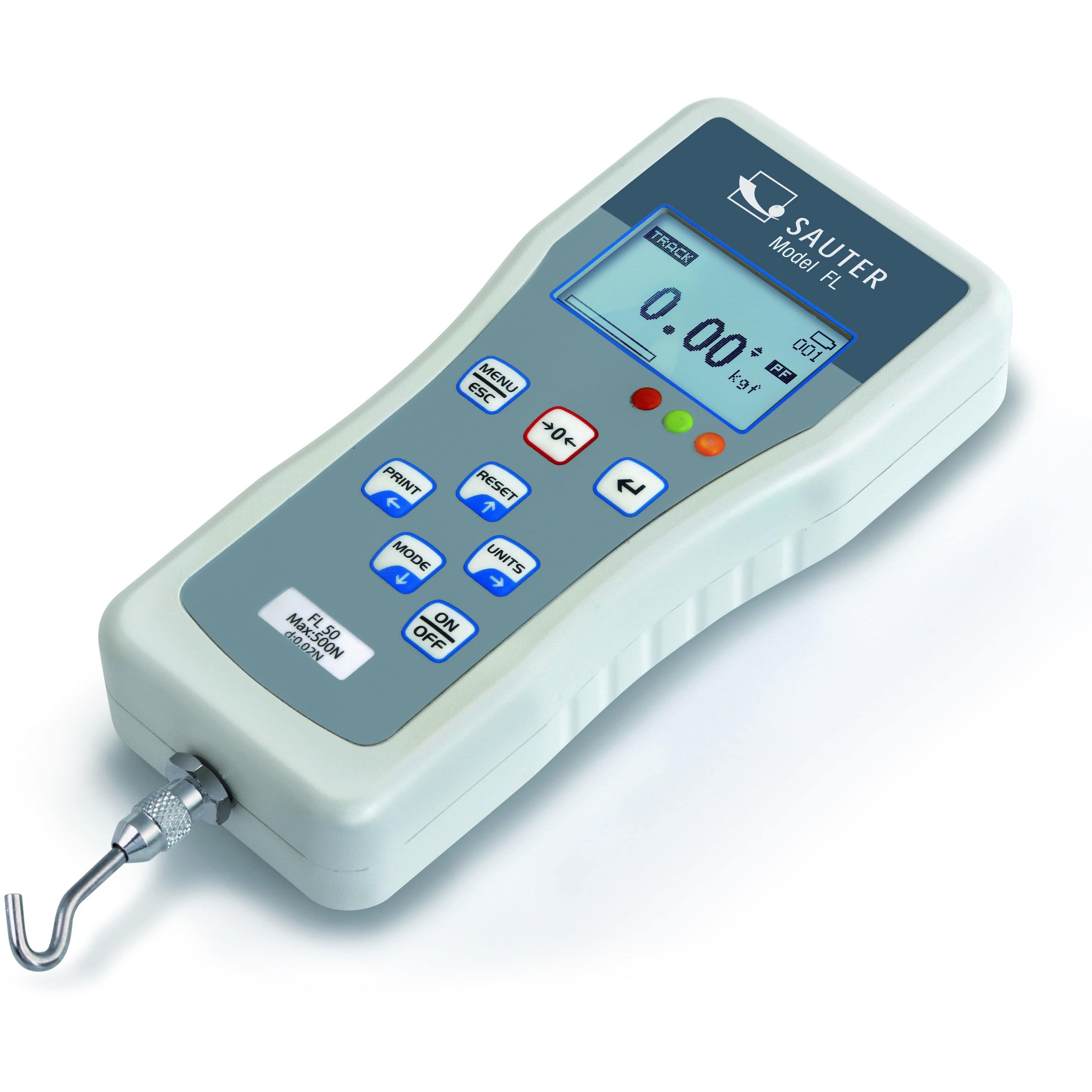
Sauter FL-M Force Gauge - GNW InstrumentationSauter FL-M Force Gauge - GNW Instrumentation
Sauter FL-M Force Gauge Sale priceFrom £552.00
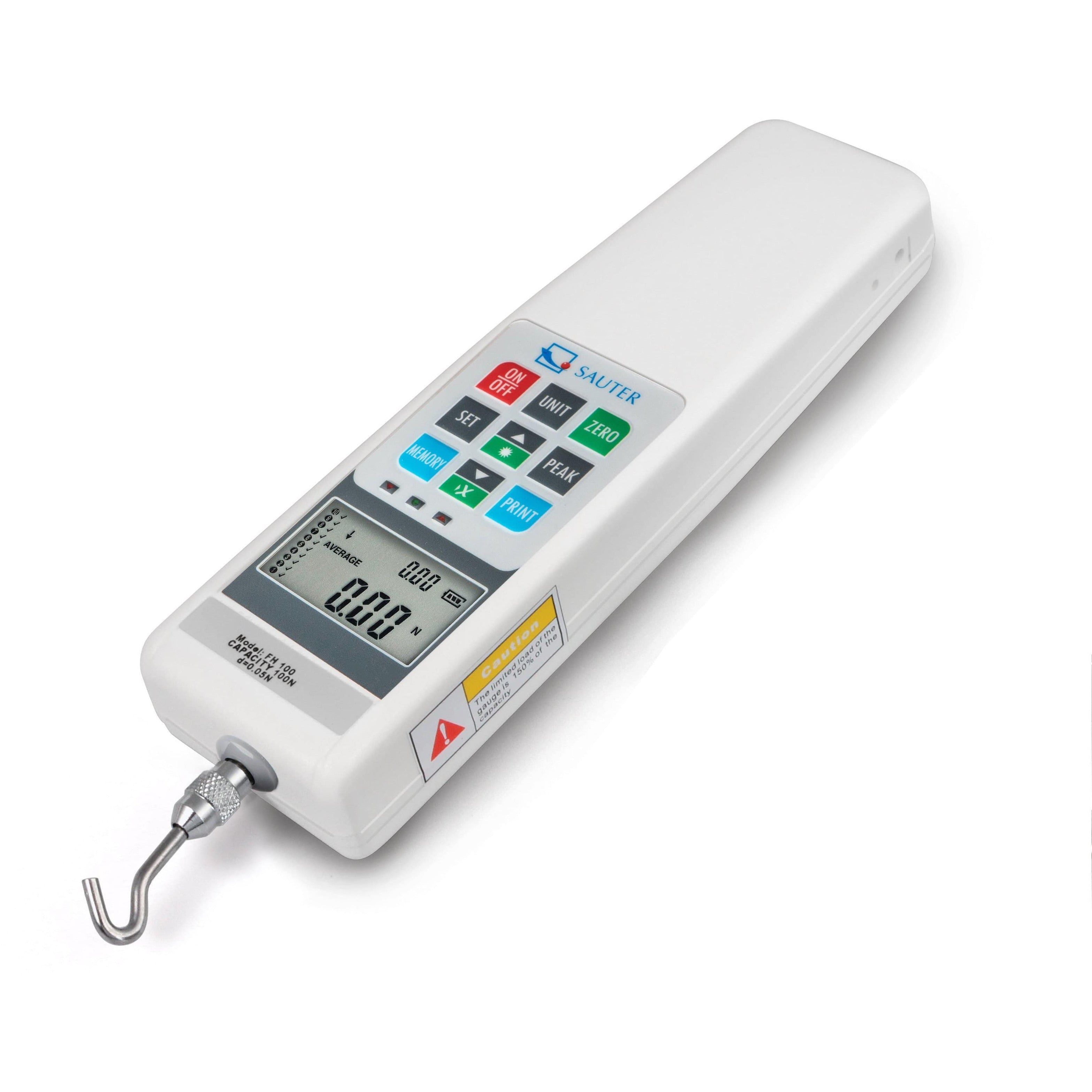
Sauter FH-S Force Gauge - GNW InstrumentationSauter FH-S Force Gauge - GNW Instrumentation
Sauter FH-S Force Gauge Sale priceFrom £472.00
Sauter FH-M Force Gauge - GNW Instrumentation
Sauter FH-M Force Gauge Sale priceFrom £800.00
Sauter FH-EXT Force Gauge - GNW Instrumentation
Sauter FH-EXT Force Gauge Sale priceFrom £800.00

Further Reading

Understanding Force Gauge Measurement

Force gauges are designed to measure pushing and pulling forces using either internal load cells, external sensors or mechanical spring mechanisms. Digital force gauges typically use strain gauge load cell technology to convert force into an electronic measurement displayed in units such as Newtons (N), kilogram-force (kgf) or pounds-force (lbf).

Digital force gauges are widely used because they offer improved resolution, peak capture functionality, tolerance monitoring and data transfer capabilities. Many models support USB or RS-232 communication for integration with quality systems, software packages and laboratory reporting environments.

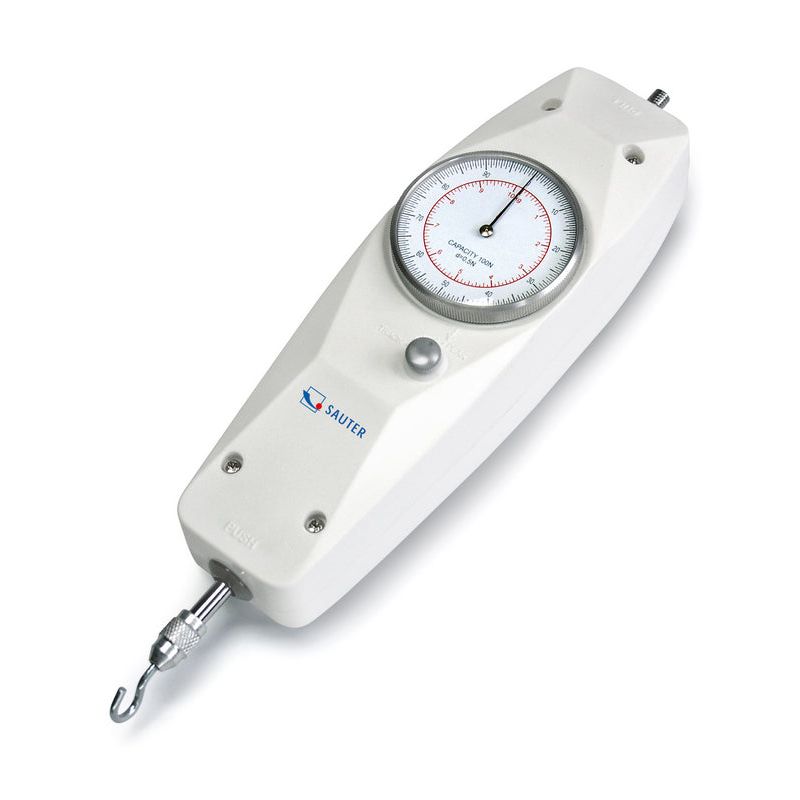
Mechanical force gauges continue to be widely used for industrial testing where robust operation and quick setup are preferred. These instruments are often suitable for portable applications and environments where electronic instruments may not be practical.

Force gauges are frequently mounted onto manual or motorised test stands to improve test repeatability and provide controlled testing speed. Combining a force gauge with a test stand can significantly improve measurement consistency during repetitive testing procedures and product quality checks.

Regular calibration and verification are important for maintaining reliable measurement performance. Many industrial environments require ISO calibration certification or traceable verification procedures as part of internal quality management systems.

Digital force gauges

Digital force gauges provide high-resolution force measurement with functions such as peak hold, statistical analysis, tolerance testing and USB data output.

Mechanical force gauges

Mechanical force gauges are commonly used for straightforward portable testing applications where robust operation and simple measurement are required.

Force gauge test stands

Force gauges are often used alongside manual or motorised test stands to improve repeatability and maintain controlled testing conditions.

Learn more

Industrial force gauge applications

Force gauges are used across manufacturing, engineering, laboratory and inspection environments where controlled tension or compression force measurement is required.

Quality control testing

Force gauges are widely used for production quality checks, component verification and repeatability testing within manufacturing and assembly environments.

Material and product testing

Industrial force gauges are commonly used for tensile testing, break testing, insertion force measurement and spring testing across engineering and laboratory applications.

Service and maintenance inspection

Portable force gauges are frequently used within maintenance and field service applications for checking switches, connectors, mechanisms, springs and installed equipment.

How to choose force gauges

Selecting the correct force gauge depends on the measurement range, application type, required accuracy and the testing environment.

Choose the correct force range

Select a force gauge with sufficient capacity for the intended application while maintaining suitable measurement resolution. Using an oversized gauge may reduce low-force measurement sensitivity.

Decide between digital and mechanical

Digital force gauges provide advanced functions including peak hold, data logging and interface connectivity, while mechanical force gauges are often preferred for simple portable testing and robust industrial use.

Consider testing repeatability

For repetitive testing procedures or laboratory environments, combining a force gauge with a manual or motorised test stand can improve measurement consistency and operator control.

Review calibration and reporting requirements

Many industrial quality systems require traceable calibration certification and data recording capability. Digital models with USB or RS-232 connectivity may simplify reporting and integration into inspection procedures.

Force Gauge FAQs

Choosing the correct force gauge can depend on the application, force range, accuracy requirements and testing environment. Below are answers to some common questions relating to industrial force measurement, push-pull testing and digital force gauges.