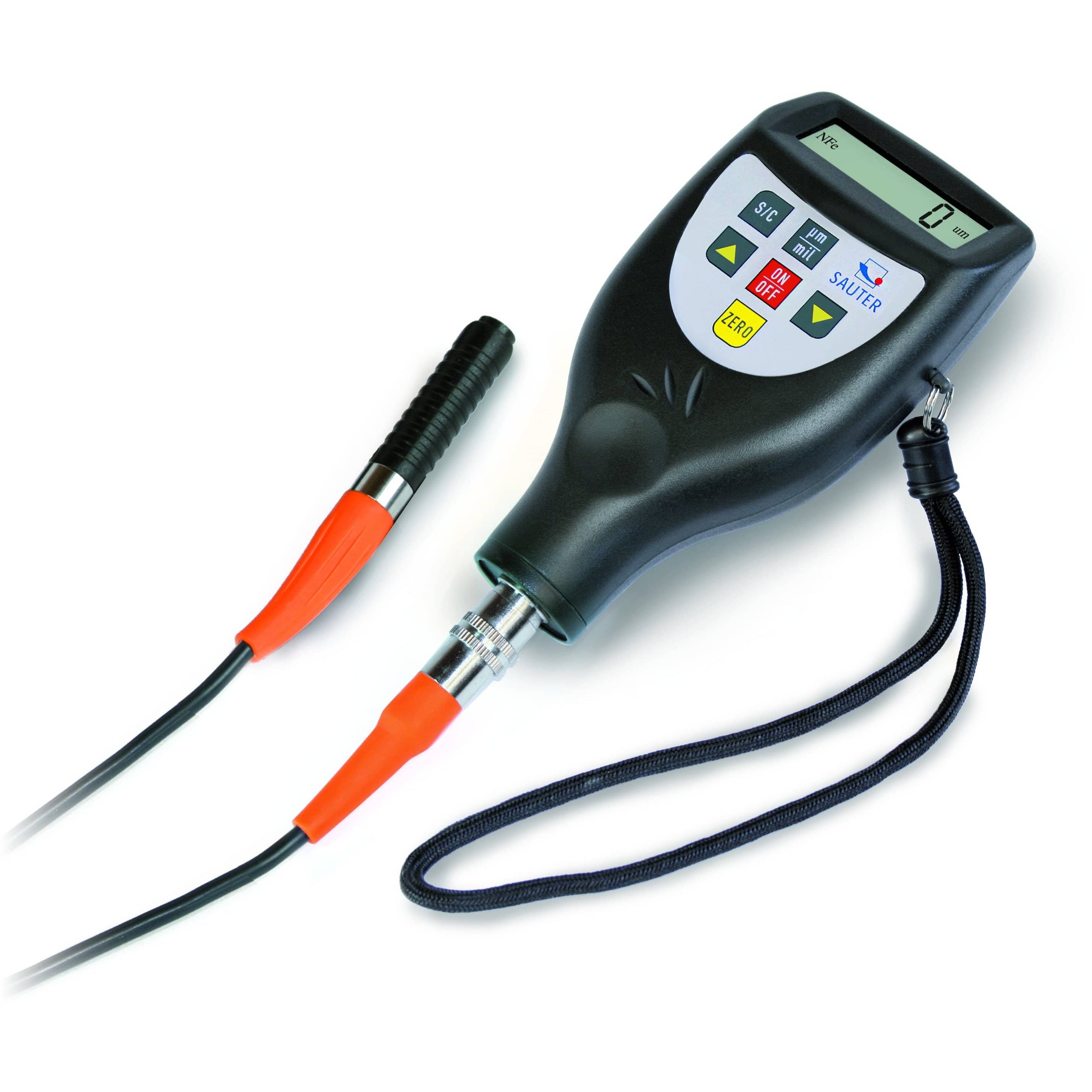
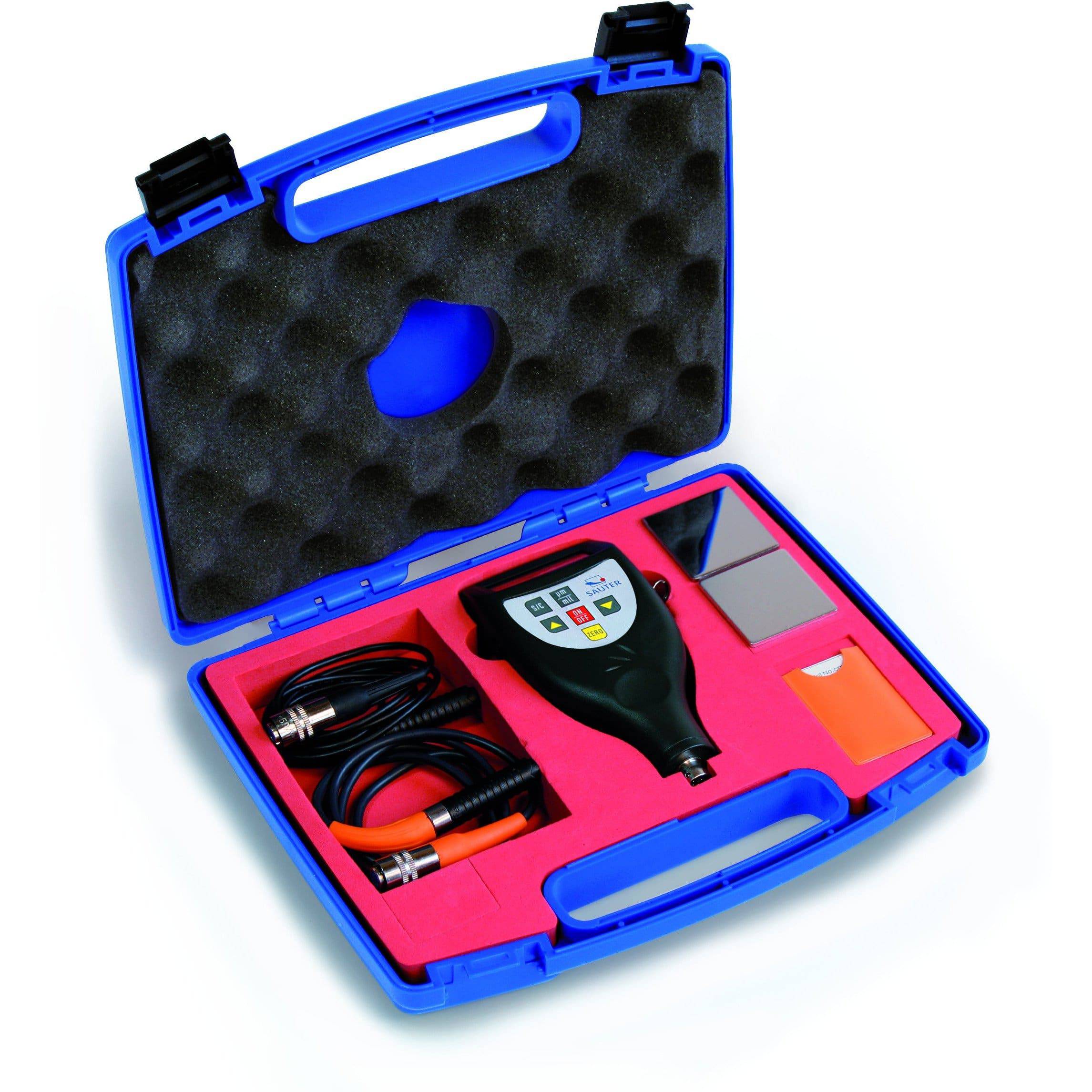
Coating Thickness Meters
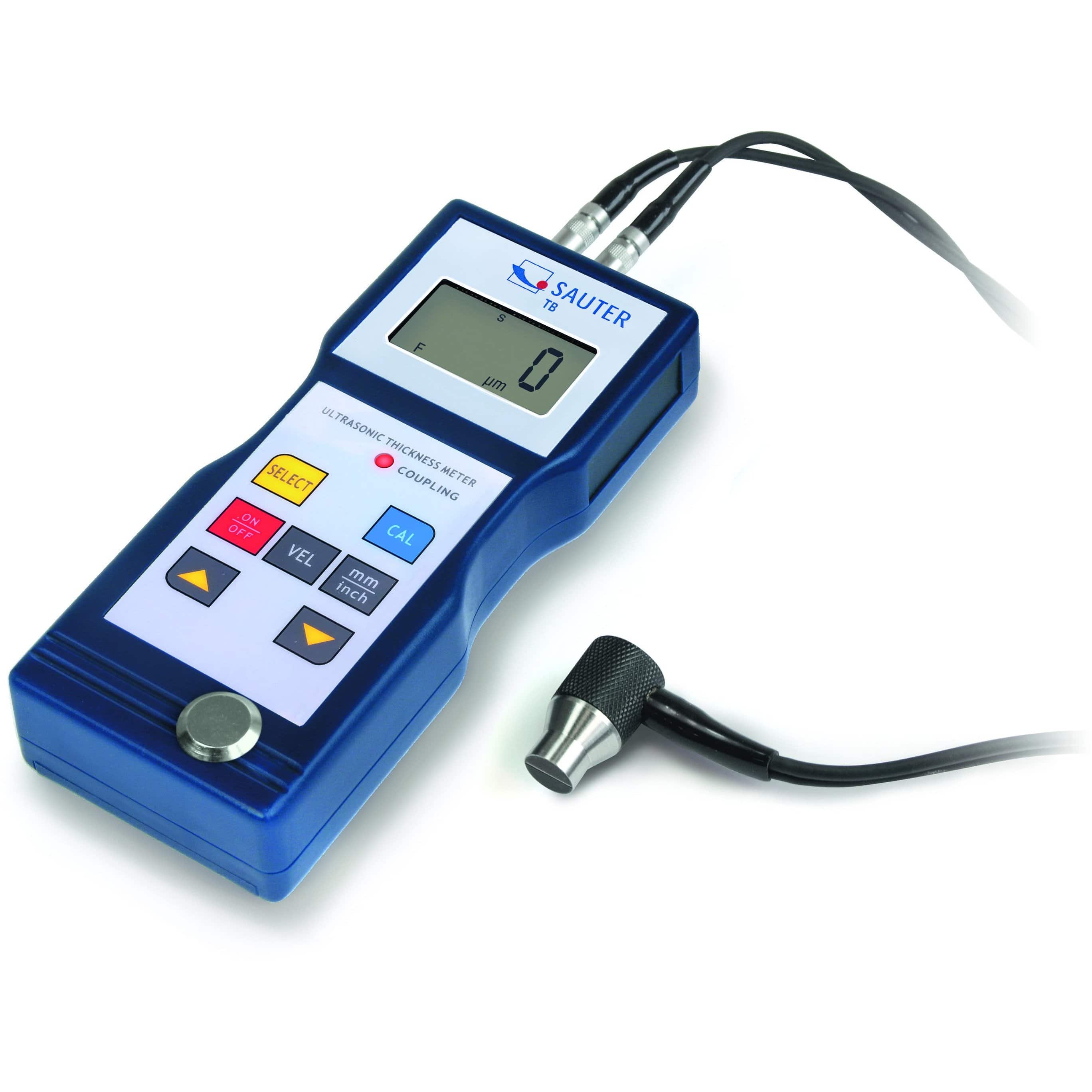
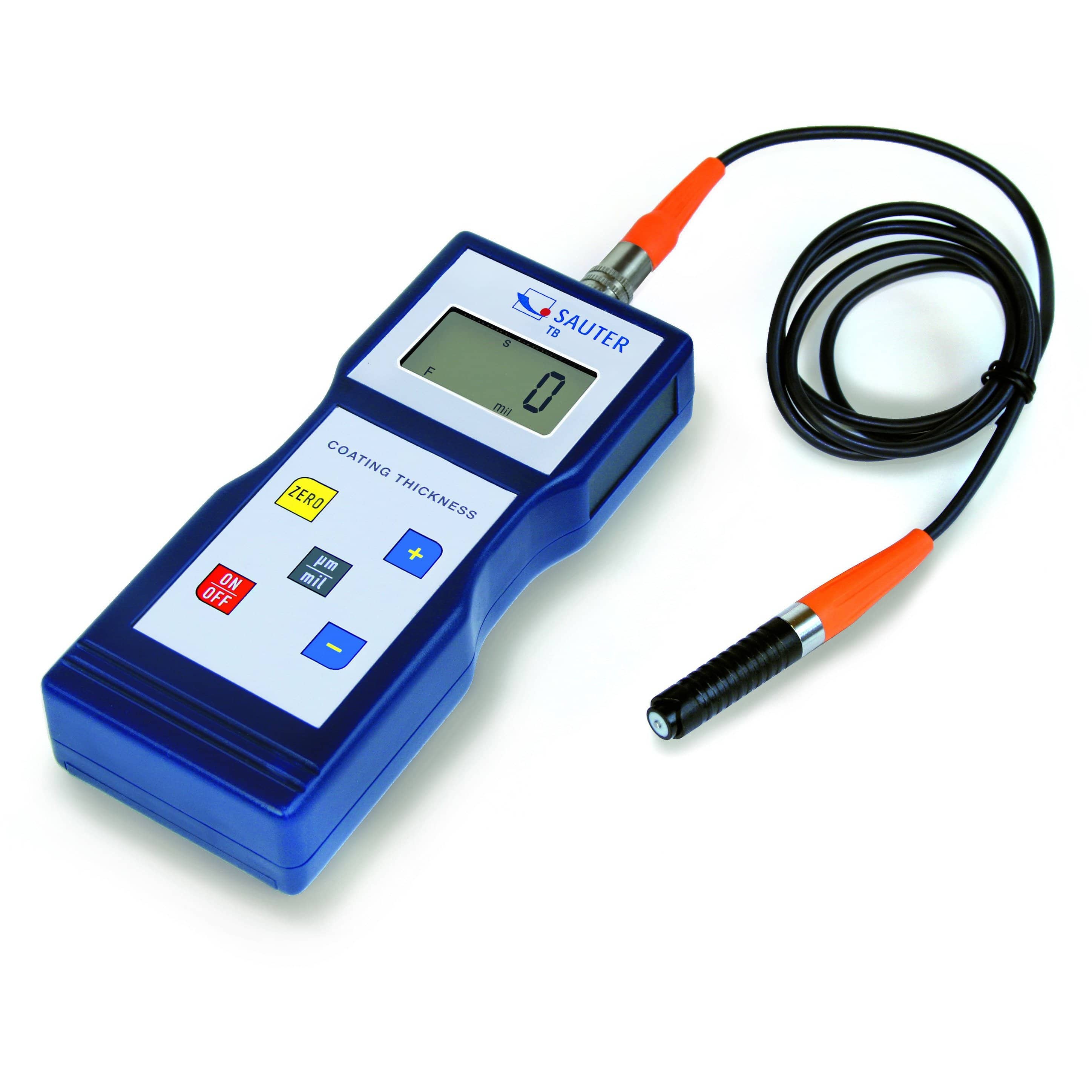
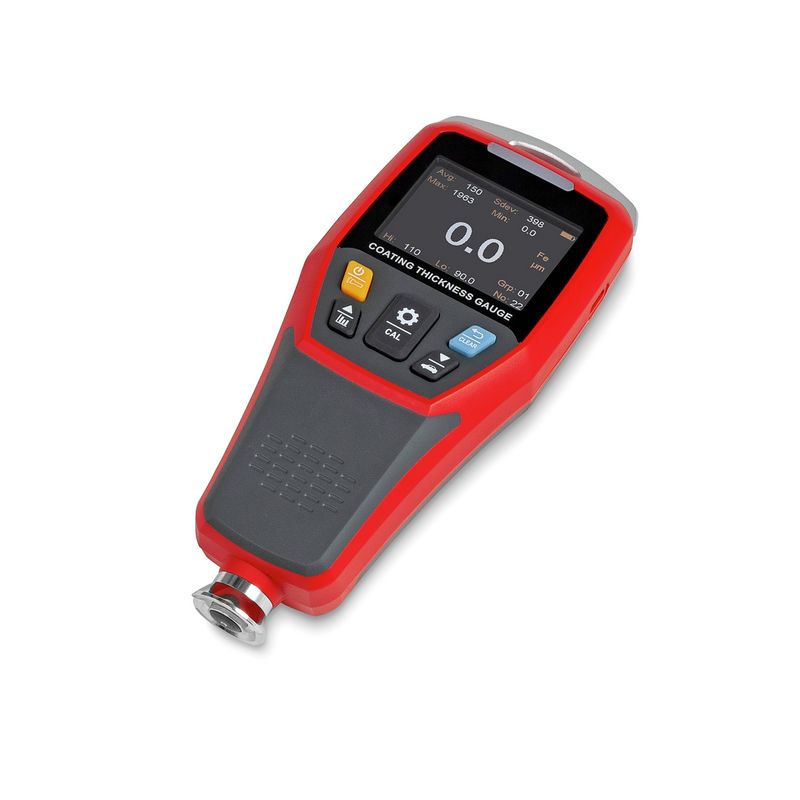
Coating thickness meters are used for fast, non-destructive measurement of paint, plating, anodising and protective surface coatings on metallic substrates. This collection includes professional coating thickness gauges suitable for inspection, manufacturing, automotive, metal finishing and industrial quality control applications.
Filters
3 products
Professional Coating Thickness Meters for Industrial Inspection
Coating thickness meters are widely used throughout manufacturing, automotive, metal finishing, construction, marine and industrial inspection industries for measuring the thickness of applied surface coatings without damaging the substrate. These instruments help quality control teams, inspectors and engineers verify coating consistency, confirm compliance with specifications and monitor protective layer performance across a wide range of industrial applications.
This collection includes professional coating thickness gauges suitable for measuring paint, powder coating, electroplating, anodising, galvanising and other non-destructive coating applications on ferrous and non-ferrous metals. Commonly used within automotive inspection, fabrication, aerospace, shipbuilding and production environments, coating thickness meters provide fast and repeatable thickness measurement for both workshop and on-site inspection work.
Modern coating thickness meters typically use magnetic induction and eddy current measuring methods depending on the substrate material. Ferrous coating thickness gauges are designed for measuring non-magnetic coatings on steel and iron, while non-ferrous models are used for non-conductive coatings on aluminium and other non-ferrous metals. Combination FN gauges automatically detect the substrate type, making them particularly useful for varied inspection environments and mixed-material applications.
Digital coating thickness gauges often include features such as automatic substrate detection, calibration adjustment, statistical analysis, memory storage and USB or RS-232 connectivity for reporting and quality assurance procedures. Some advanced models also include pass/fail indication, app connectivity and high-resolution measurement functions to support more demanding inspection requirements.
Portable coating thickness meters are widely used for checking paint thickness on vehicles, monitoring galvanised coatings, verifying powder coating applications and inspecting protective coatings on fabricated structures and industrial equipment. Regular coating thickness inspection helps support corrosion protection, coating quality and long-term surface durability across industrial environments.
Whether used for incoming inspection, production quality control, corrosion protection assessment or maintenance testing, selecting the correct coating thickness gauge helps improve measurement reliability, repeatability and inspection efficiency.
Further Reading
Understanding Coating Thickness Measurement
Coating thickness measurement is a non-destructive testing method used to determine the thickness of paint, plating, anodising, galvanising and protective surface coatings applied to metallic substrates. Measuring coating thickness accurately is important for maintaining product quality, corrosion resistance and compliance with industrial coating specifications.
Most modern coating thickness gauges use magnetic induction or eddy current technology depending on the substrate material. Magnetic induction gauges are typically used for measuring non-magnetic coatings on ferrous substrates such as steel, while eddy current instruments measure non-conductive coatings on conductive non-ferrous substrates such as aluminium. Combination FN gauges can automatically detect the substrate type during measurement.
Coating thickness meters are widely used because they provide rapid, repeatable measurements without damaging the coating or substrate. Portable handheld instruments are particularly useful within automotive inspection, production quality control, fabrication, aerospace and maintenance environments where fast verification of coating consistency is required.
Many professional coating thickness gauges support advanced functions such as calibration memory, statistical analysis, pass/fail alarms, batch storage and USB data output. These features help improve inspection workflows and support traceable reporting procedures within quality-controlled industries.
Regular calibration and verification are important for maintaining accurate coating thickness measurement performance. Many industrial users require optional ISO calibration certification or traceable verification procedures as part of internal quality systems and inspection routines.
Magnetic induction measurement
Magnetic induction coating thickness gauges are used for measuring non-magnetic coatings on ferrous metals such as steel and iron.
Eddy current coating measurement
Eddy current gauges are designed for measuring non-conductive coatings on conductive non-ferrous metals including aluminium and copper alloys.
Combination FN coating gauges
FN coating thickness gauges automatically detect ferrous and non-ferrous substrates, making them suitable for varied industrial inspection applications.
Learn more
Coating thickness meter applications
Coating thickness meters are used across a wide range of industrial inspection and quality control applications where accurate coating measurement is required.
Coating thickness gauges are widely used within automotive inspection and refinishing applications for checking paint thickness, identifying repairs and verifying coating consistency.
Industrial coating thickness meters are commonly used for measuring plated coatings, anodised finishes and surface treatments within manufacturing and finishing environments.
Coating thickness gauges help verify protective coatings on structural steelwork, pipelines, marine equipment and fabricated assemblies where corrosion resistance is important.
How to choose coating thickness meters
Selecting the correct coating thickness gauge depends on the substrate material, coating type, measurement range and inspection environment.
Ferrous gauges are used for steel and iron substrates, while non-ferrous gauges are designed for aluminium and conductive non-ferrous metals. FN combination gauges support both substrate types.
Different instruments support different coating ranges and applications including paint, galvanising, anodising and powder coating measurement. Ensure the selected gauge covers the required measurement range.
Digital coating thickness meters with memory storage, statistical functions and USB or RS-232 output may be useful for production reporting and quality assurance procedures.
Portable handheld coating thickness gauges are ideal for field inspection and site work. Regular calibration and optional ISO certification help maintain reliable measurement performance.
Coating Thickness Meter FAQs
Choosing the correct coating thickness meter depends on the coating type, substrate material and the level of measurement accuracy required. Below are answers to some common questions relating to coating thickness gauges and non-destructive coating inspection.
What is a coating thickness meter used for?
A coating thickness meter is used to measure the thickness of paint, plating, anodising and protective coatings on metallic substrates without damaging the surface.
What is the difference between ferrous and non-ferrous coating thickness gauges?
Ferrous gauges measure coatings on steel and iron substrates using magnetic induction, while non-ferrous gauges use eddy current methods for aluminium and conductive non-ferrous metals.
Can coating thickness meters measure automotive paint?
Yes. Coating thickness gauges are widely used for automotive paint inspection, refinishing checks and identifying repaired or repainted vehicle panels.
Do coating thickness gauges require calibration?
Regular calibration and verification are recommended to maintain reliable measurement accuracy and support industrial quality control procedures.