Leeb Metal Hardness Testers

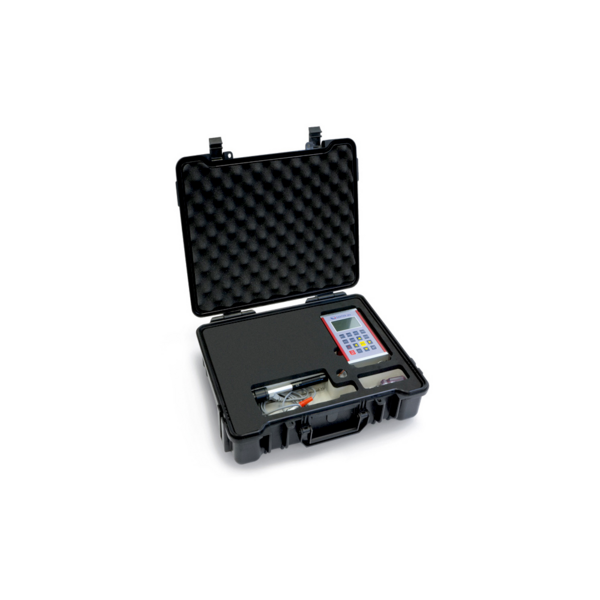
Leeb metal hardness testers are portable instruments used for fast and reliable hardness testing of metals including steel, stainless steel, cast iron, aluminium and alloys. This collection includes professional Leeb hardness testers for workshop inspection, fabrication, maintenance, heat treatment and industrial quality control applications.

Filters

Filters
Sort by:

5 products

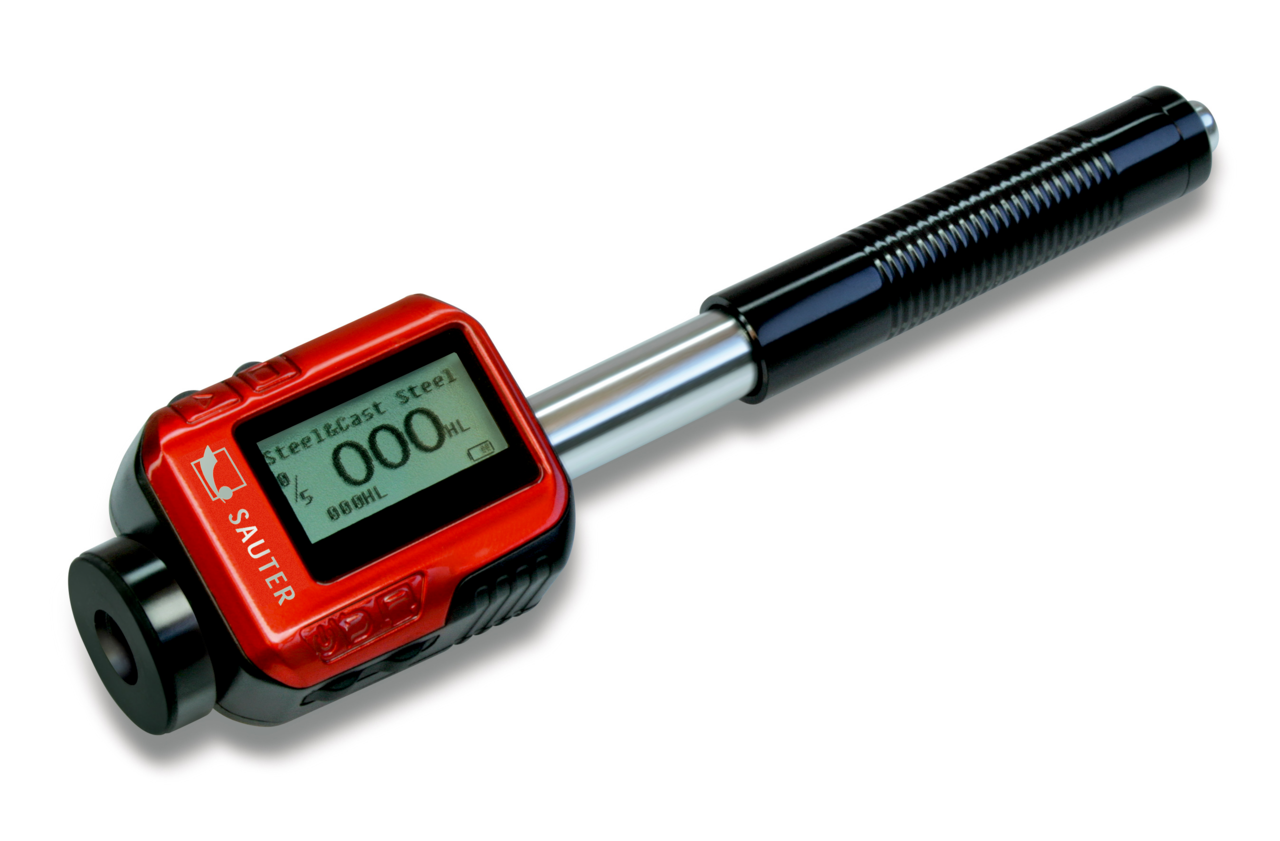
Sauter HN-D Leeb Hardness Tester
Sauter HN-D Leeb Hardness Tester Sale priceFrom £930.00
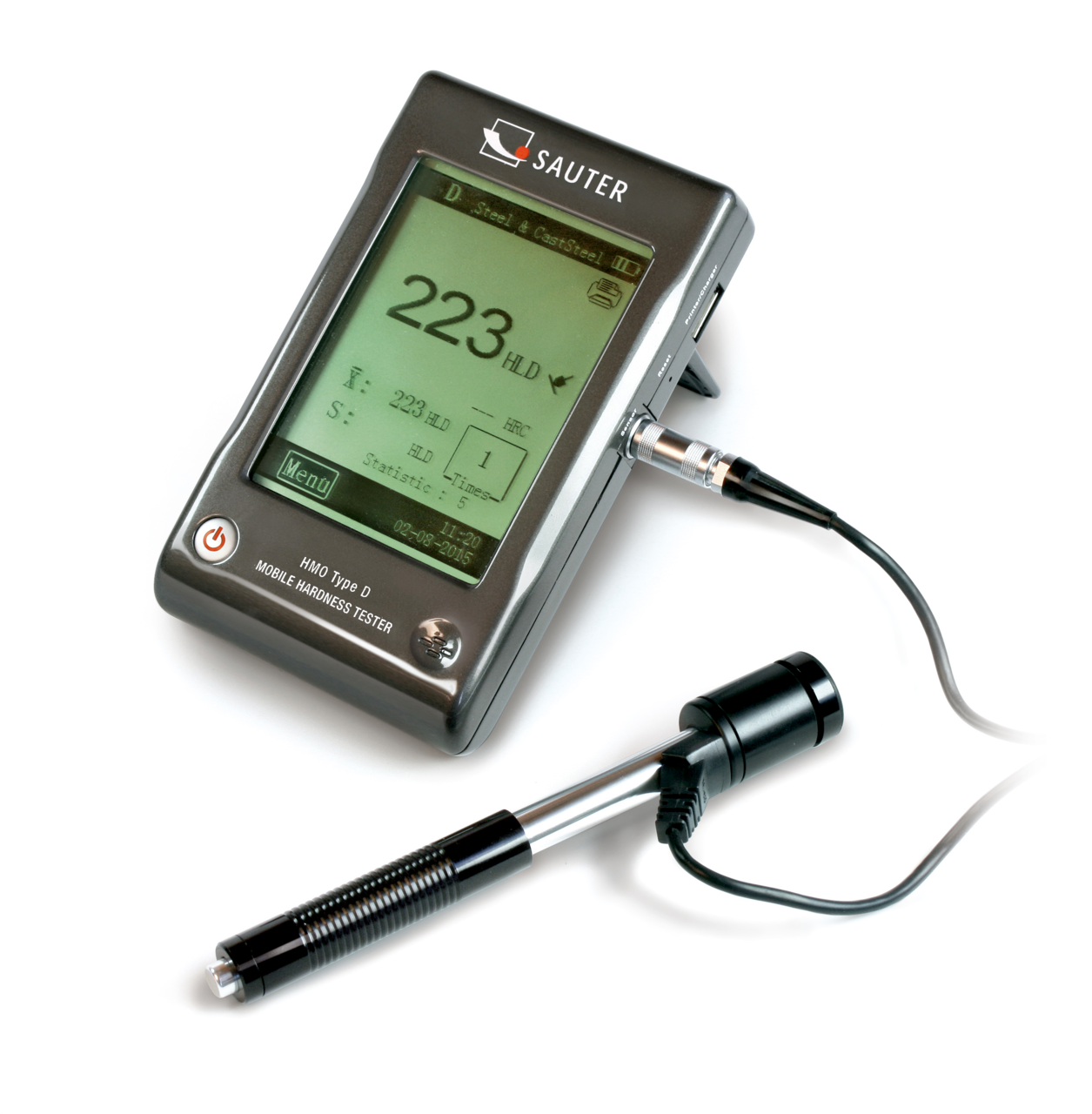
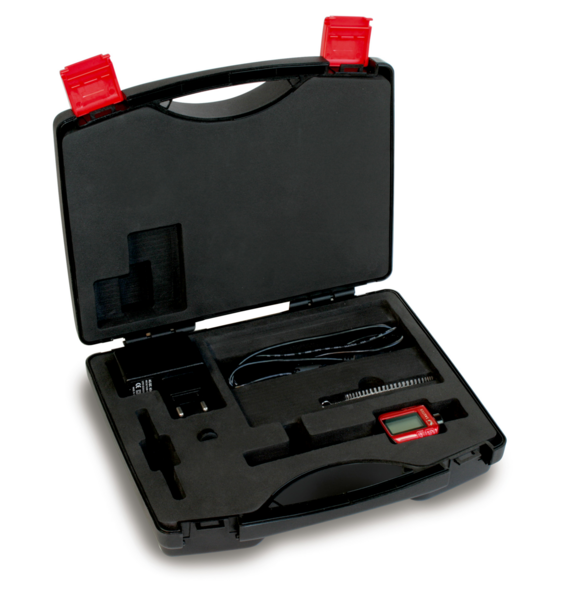
Sauter HMO Leeb Hardness Tester
Sauter HMO Leeb Hardness Tester Sale priceFrom £2,020.00
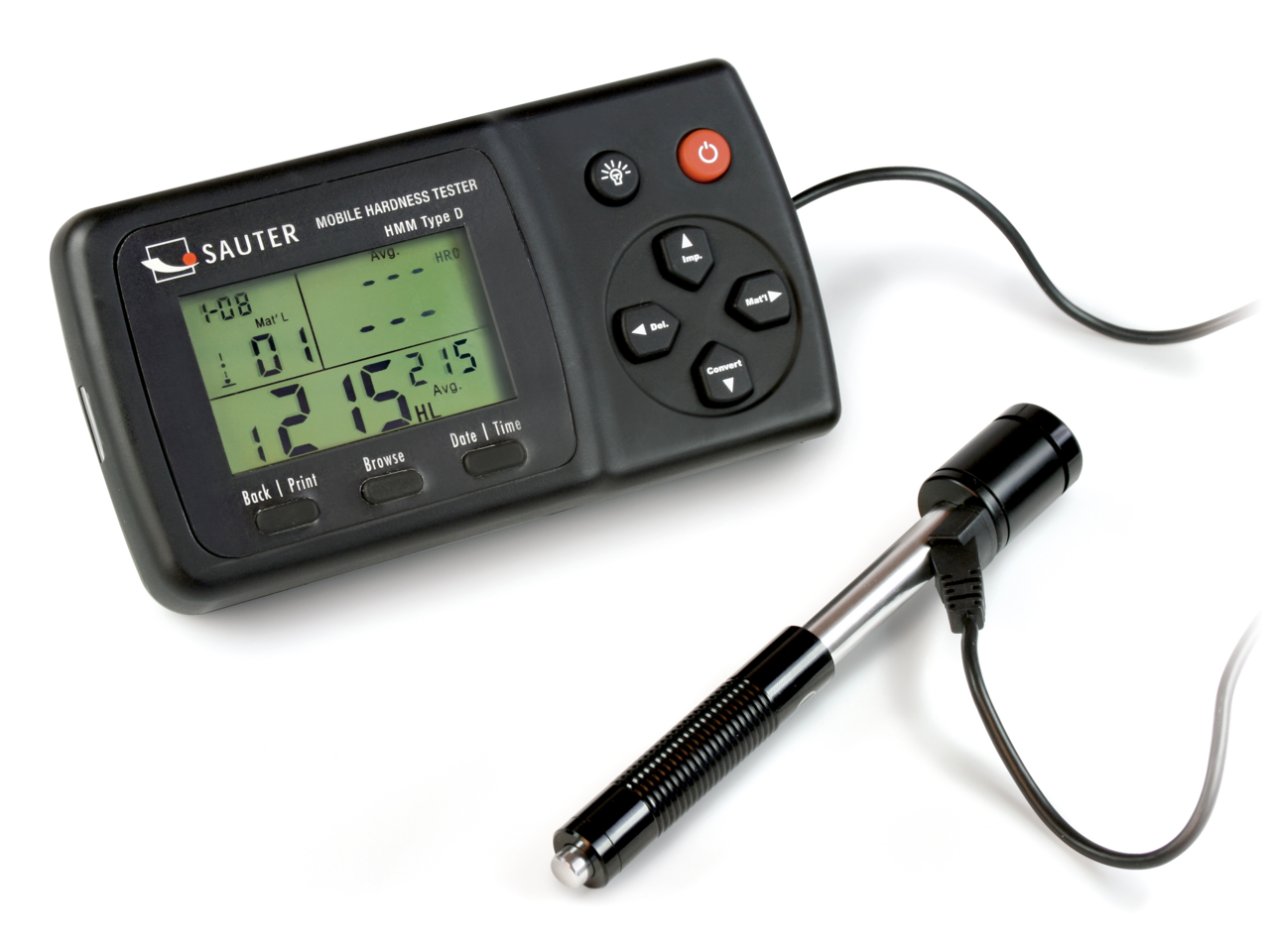
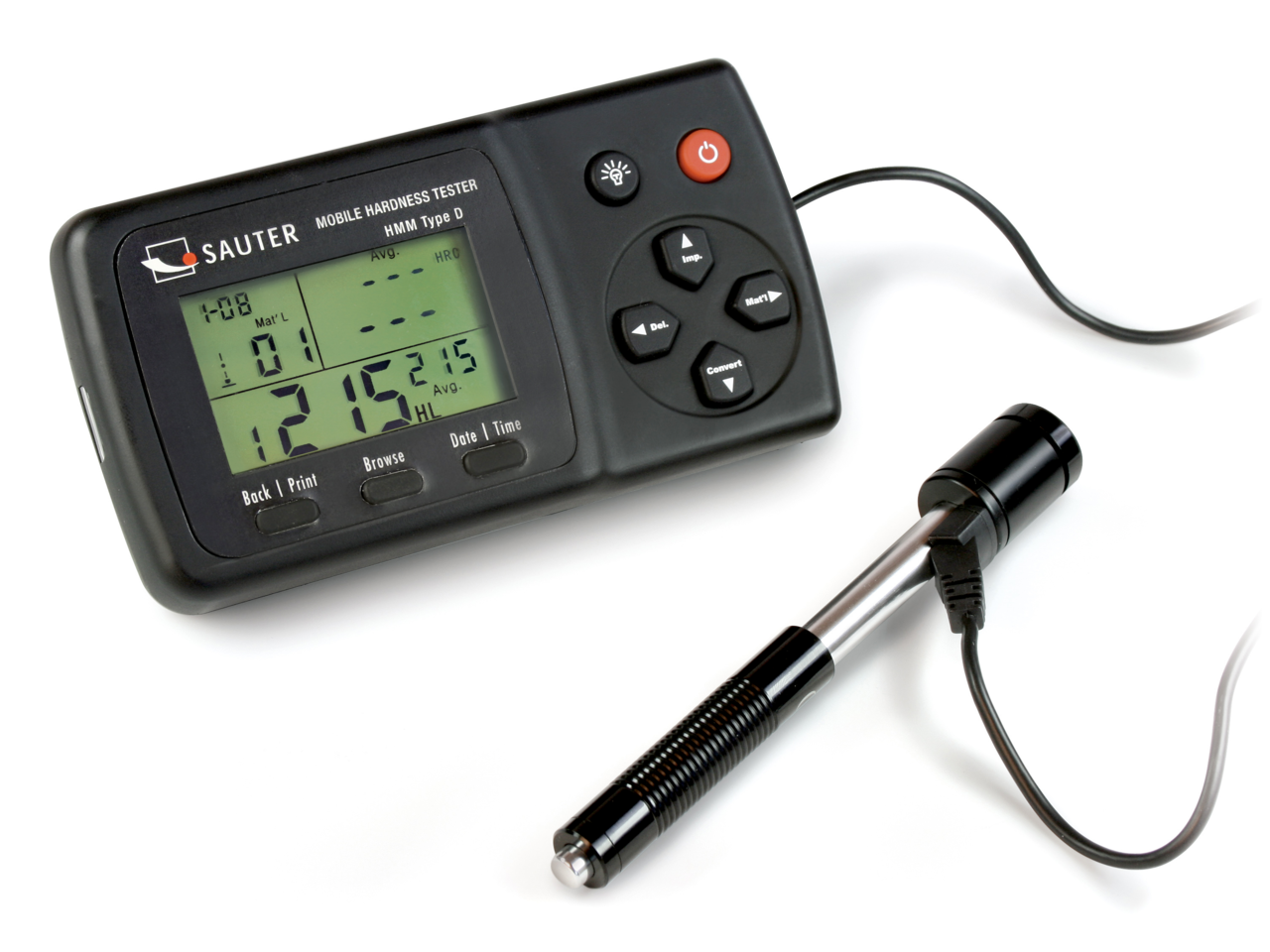
Sauter HMM Leeb Hardness TesterSauter HMM Leeb Hardness Tester
Sauter HMM Leeb Hardness Tester Sale priceFrom £1,060.00
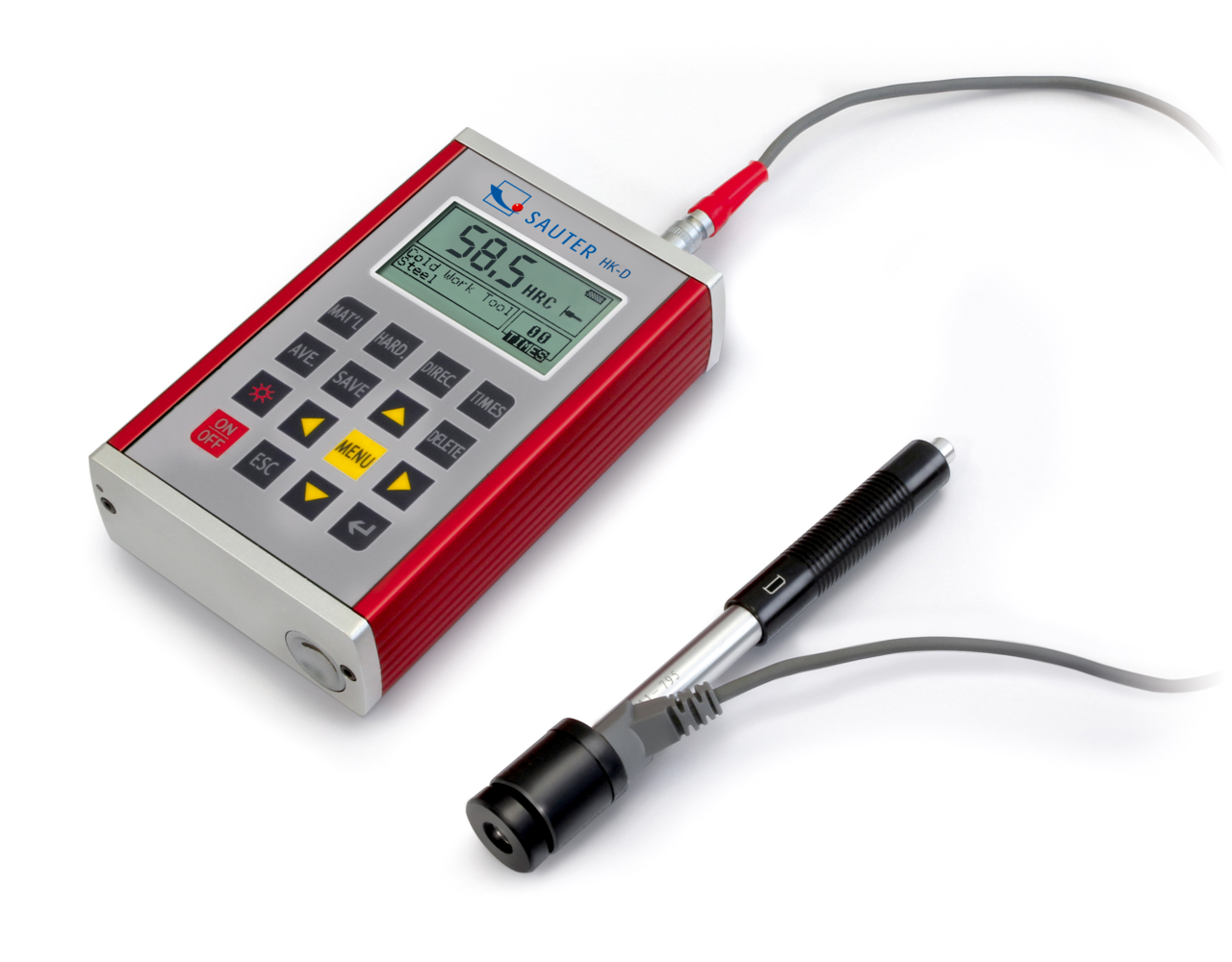
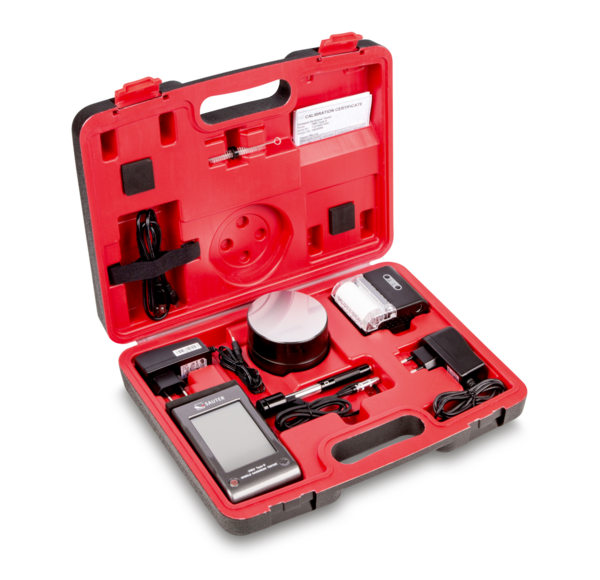
Sauter HK Leeb Hardness Tester
Sauter HK Leeb Hardness Tester Sale priceFrom £1,420.00
Sauter HO UCI Hardness Tester
Sauter HO UCI Hardness Tester Sale priceFrom £5,200.00

Further Reading

Understanding Leeb Hardness Testing

Leeb hardness testing is a portable rebound-based hardness testing method primarily used for metallic materials. Unlike traditional bench hardness testers, portable Leeb instruments allow testing to be carried out directly on installed machinery, structural components and large fabricated parts, making them particularly useful for field inspection and maintenance applications.

The Leeb method works by firing an impact body against the test surface and measuring the rebound velocity after impact. The resulting value is used to calculate the hardness of the material. Many modern Leeb hardness testers can automatically convert readings into alternative hardness scales including Rockwell, Brinell and Vickers for simplified reporting and material comparison.

Different impact devices are available depending on the material type, surface finish, geometry and accessibility of the component being tested. Correct surface preparation and adequate component mass are important for achieving reliable and repeatable test results. Portable Leeb hardness testers are widely used because they provide fast non-destructive testing without requiring large stationary testing equipment.

Regular verification using certified hardness test blocks helps confirm instrument performance and supports internal quality procedures. Many industries also require optional calibration certification and traceable verification procedures as part of their inspection and quality management systems.

Portable metal hardness testing

Leeb hardness testers are designed for rapid testing of metallic materials including steel, stainless steel, cast iron and aluminium alloys within industrial environments.

Multi-scale hardness conversion

Many digital Leeb testers provide automatic conversion between hardness scales including HL, HRC, HB and HV for easier material comparison and reporting.

Field inspection applications

Portable Leeb testers are commonly used for on-site inspection of large components, fabricated structures and installed machinery where bench testing equipment is impractical.

Learn more

Leeb hardness tester applications

Portable Leeb hardness testers are used across a wide range of engineering and industrial inspection environments where rapid metal hardness testing is required.

Fabrication and welding inspection

Leeb hardness testers are commonly used within fabrication workshops and welding inspection applications for checking the hardness of welded structures, fabricated steelwork and heat-affected zones.

Maintenance and field service

Portable hardness testing allows maintenance engineers and inspection teams to carry out material checks directly on installed machinery, pressure vessels, pipelines and structural components without dismantling equipment.

Heat treatment verification

Leeb hardness testers are widely used for checking heat-treated components, hardened surfaces and production batches within engineering and manufacturing environments.

How to choose Leeb metal hardness testers

Selecting the correct Leeb hardness tester depends on the material type, inspection environment, required hardness scales and portability requirements.

Consider the materials being tested

Leeb hardness testers are primarily designed for metallic materials including steel, stainless steel, cast iron and aluminium alloys. Ensure the instrument supports the required hardness conversion scales for the application.

Check impact device suitability

Different impact devices may be required depending on component geometry, surface finish and accessibility. Smaller impact devices may be better suited to confined areas or thinner materials.

Review data and reporting requirements

Digital Leeb hardness testers may include memory storage, statistical analysis, USB connectivity and hardness conversion functions to support quality control and inspection reporting.

Consider calibration and verification

Routine verification using certified hardness test blocks helps maintain reliable measurement performance and supports internal quality procedures and calibration routines.

FAQs for Leeb Metal Hardness Testers

Common questions about Leeb metal hardness testers.