Professional Ultrasonic Thickness Measurement Instruments
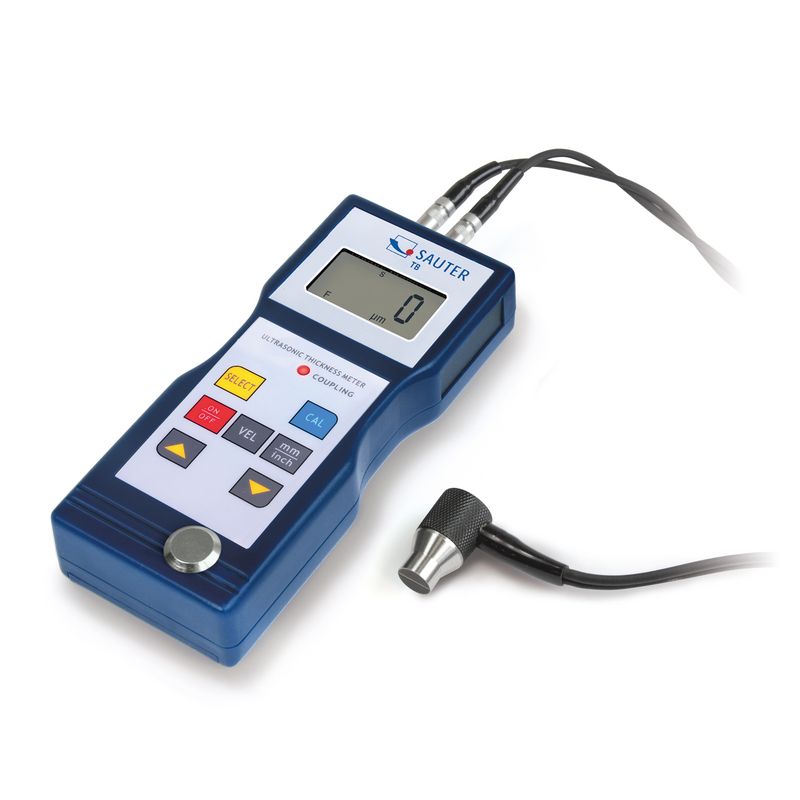
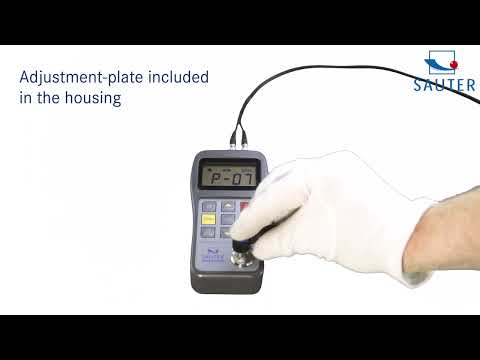
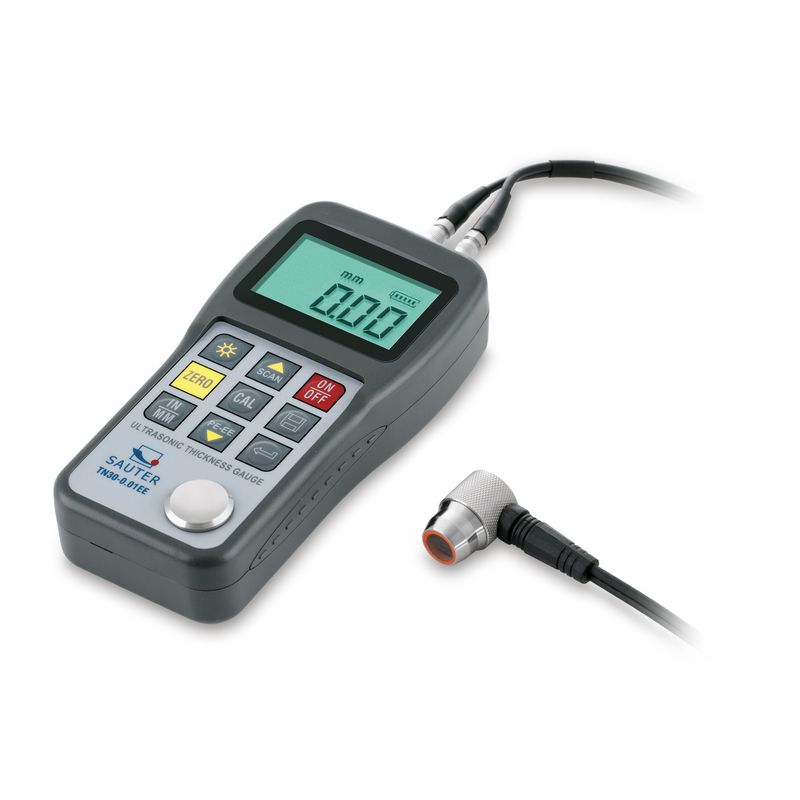
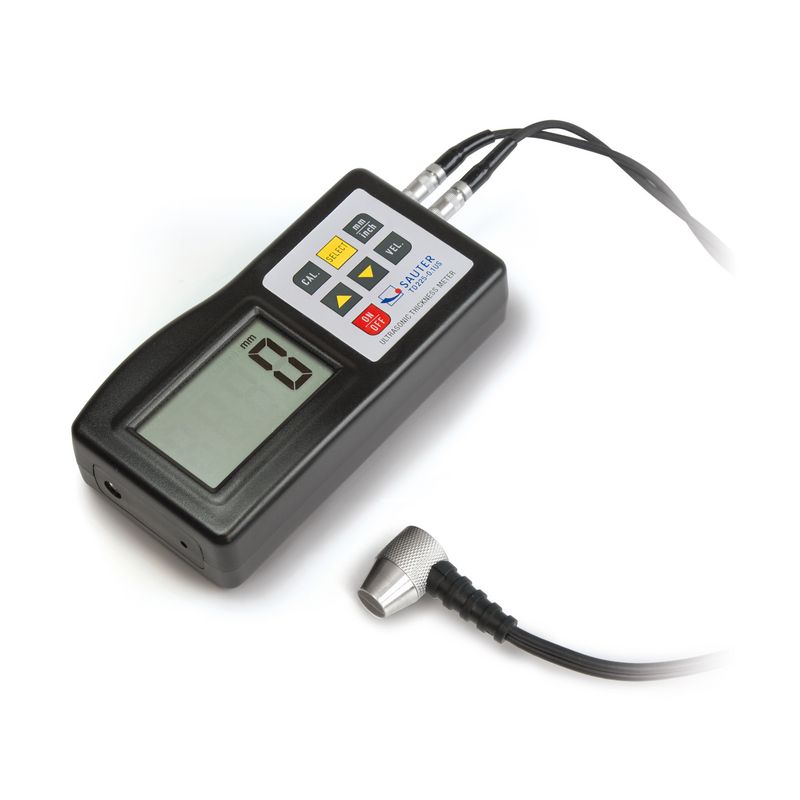
Ultrasonic thickness measurement instruments are widely used throughout manufacturing, oil and gas, engineering, marine, fabrication, power generation and maintenance industries for non-destructive wall thickness inspection and corrosion monitoring. By using ultrasonic sound waves to calculate material thickness, these instruments allow operators to measure components from a single accessible side without cutting, dismantling or damaging the test piece.
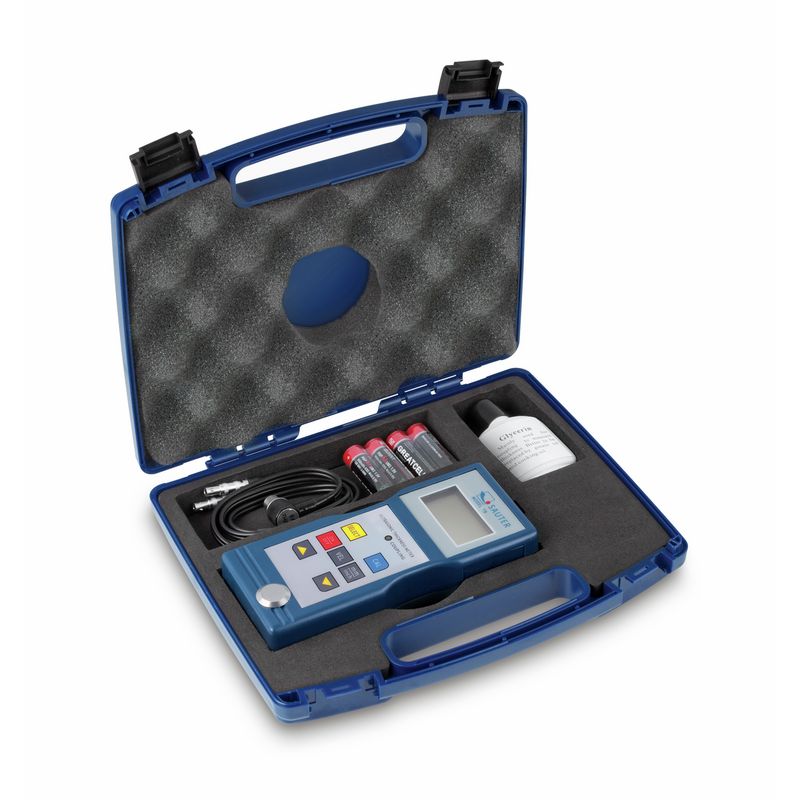
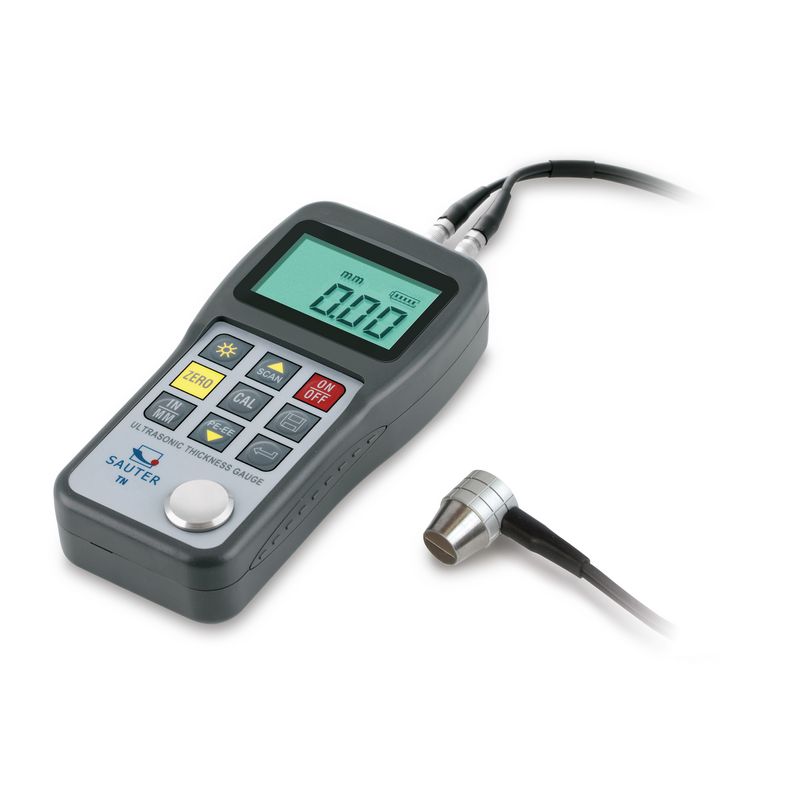
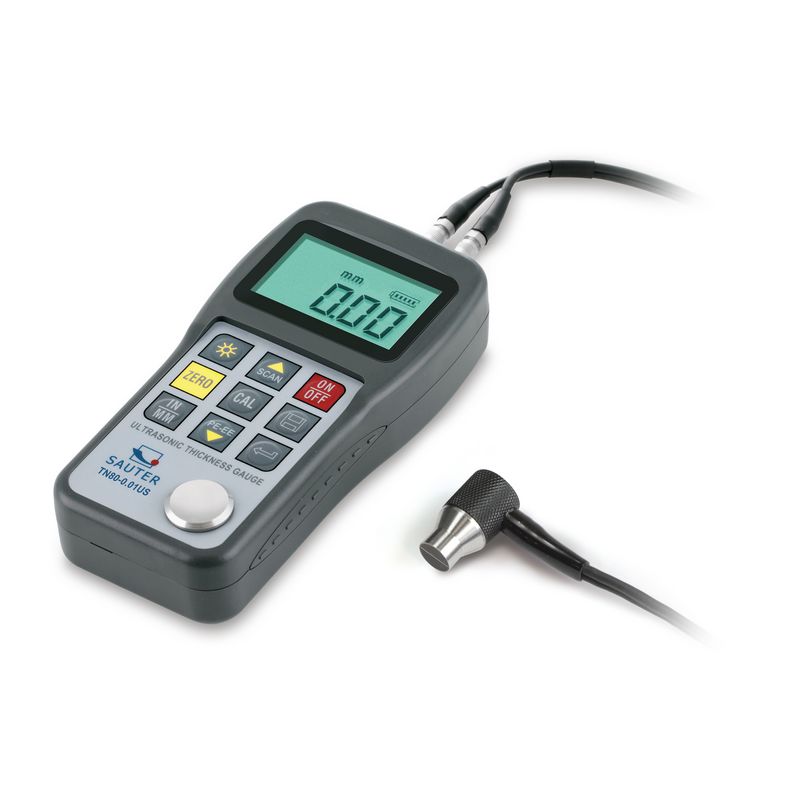
This collection includes professional ultrasonic thickness gauges suitable for measuring the thickness of metals, plastics and other suitable ultrasonic wave-conductive materials across a wide range of industrial applications. Commonly used for pipework inspection, pressure vessels, tanks, structural components, fabricated assemblies and general maintenance inspection, ultrasonic thickness gauges provide fast and repeatable thickness measurement for both workshop and on-site environments.
Portable ultrasonic thickness gauges are particularly valuable within corrosion monitoring applications where ongoing wall loss must be checked without damaging coatings or removing components from service. Many modern ultrasonic thickness measurement instruments support high-resolution readings, external probes, data output functions and material velocity adjustment to improve accuracy across different materials and applications.
Some advanced ultrasonic thickness gauges are capable of measuring through protective coatings, reducing the need to remove paint or surface finishes before inspection. This can help reduce inspection time and minimise disruption within industrial maintenance environments.
Ultrasonic thickness measurement is widely used because it provides accurate non-destructive testing while requiring access to only one side of the material. Instruments are commonly used by maintenance engineers, NDT inspectors, fabrication companies, mechanical engineering teams and quality control departments requiring reliable material thickness verification across industrial environments.
Modern digital ultrasonic thickness gauges may include USB or RS-232 connectivity, data logging, A-scan display functions and multiple measurement modes depending on the model. Selecting the correct ultrasonic thickness gauge helps improve inspection reliability, corrosion monitoring accuracy and long-term condition assessment procedures.