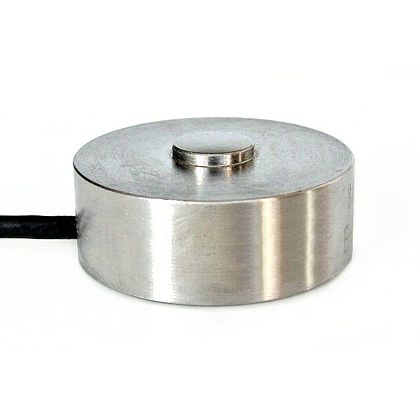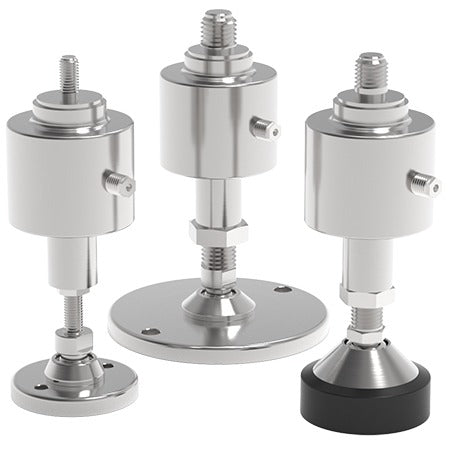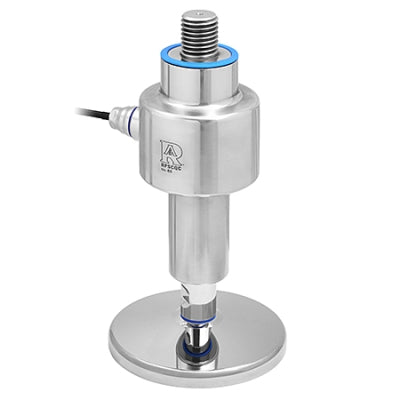
Compression Load Cells

Compression load cells measure force applied vertically through the sensor. They are used beneath tanks, silos, hoppers, structures and test equipment where the load is supported rather than suspended.

The Laumas range covers compact and high-capacity designs. Check the working load, number of supports, mounting arrangement and site conditions before selecting a model.

Filters

Sort by:

7 products

Laumas CK Compression Load Cell
Laumas CK Compression Load Cell Sale priceFrom £176.00
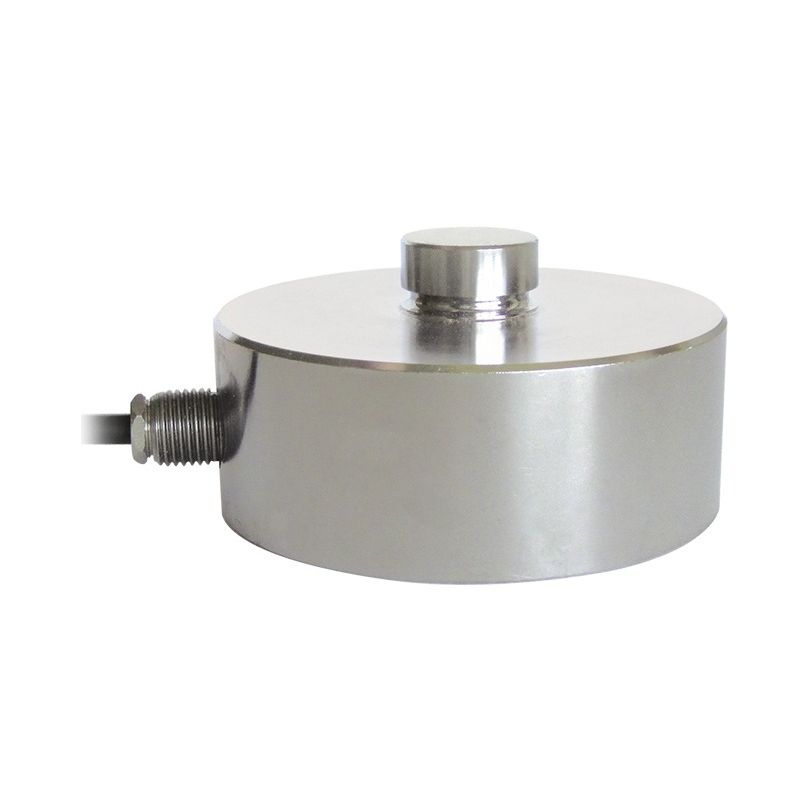
Laumas CX Compression Load Cell
Laumas CX Compression Load Cell Sale priceFrom £237.00
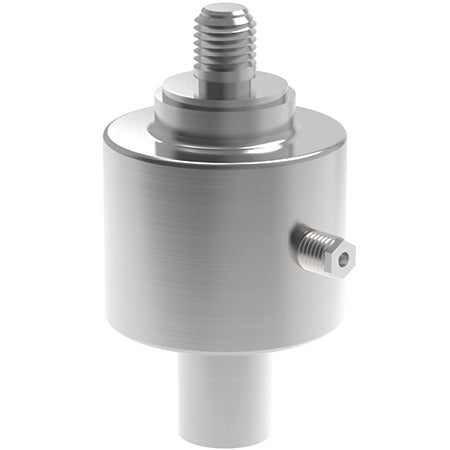
Laumas FLC Compression Load CellAlternative view of the Laumas FLC Compression Load Cell
Laumas FLC Compression Load Cell Sale priceFrom £270.00
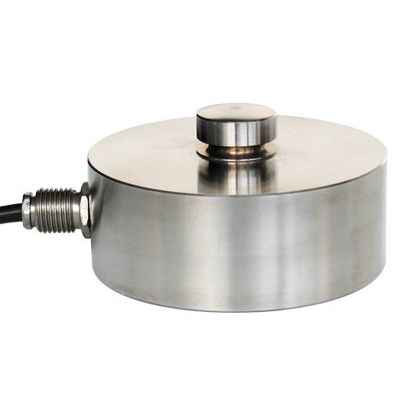
Laumas CBL Compression Load Cell
Laumas CBL Compression Load Cell Sale priceFrom £286.00
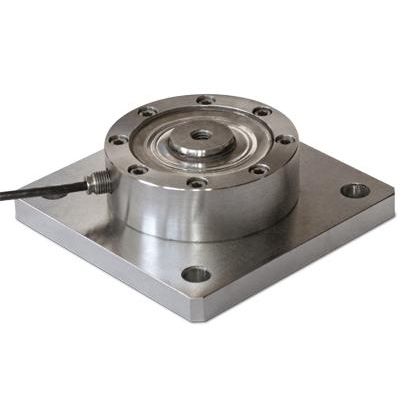
Laumas CLS Compression Load Cell
Laumas CLS Compression Load Cell Sale priceFrom £330.00
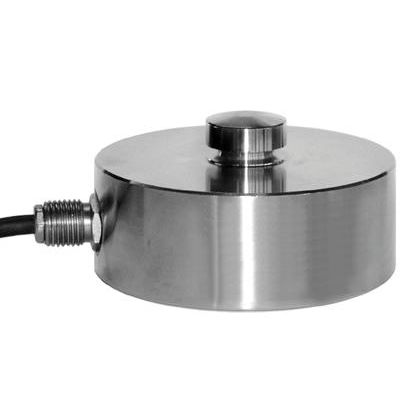
Laumas CBX Compression Load Cell
Laumas CBX Compression Load Cell Sale priceFrom £330.00
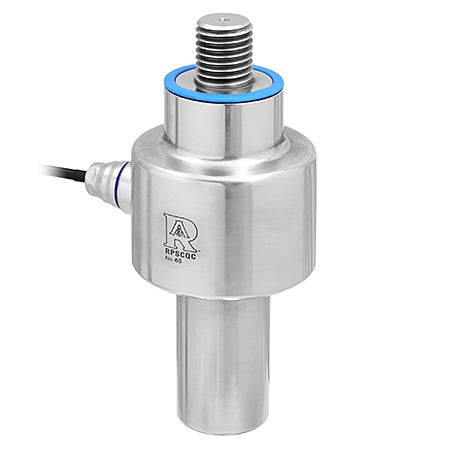
Laumas FLC 3A Compression Load CellAlternative view of the Laumas FLC 3A Compression Load Cell
Laumas FLC 3A Compression Load Cell Sale priceFrom £610.00

Further Reading

Compression weighing components

Compression load cells work with force applied through the body of the sensor. Depending on the design, they can be used beneath vessels, silos, platforms, rollers or test structures.

Calculate the load at each support using the maximum contents and the dead weight of the structure. Allow for uneven distribution, movement and any temporary process loads before choosing the rated capacity.

Correct alignment is essential. Suitable mounting hardware can help prevent side loading and protect the sensor while allowing the structure to expand or move normally. The connected electronics must also match the excitation, output and wiring of the selected model.

Vertical load measurement

The sensor should sit directly in the intended load path. Misalignment, side force or a poorly supported structure can introduce error or damage the unit.

System compatibility

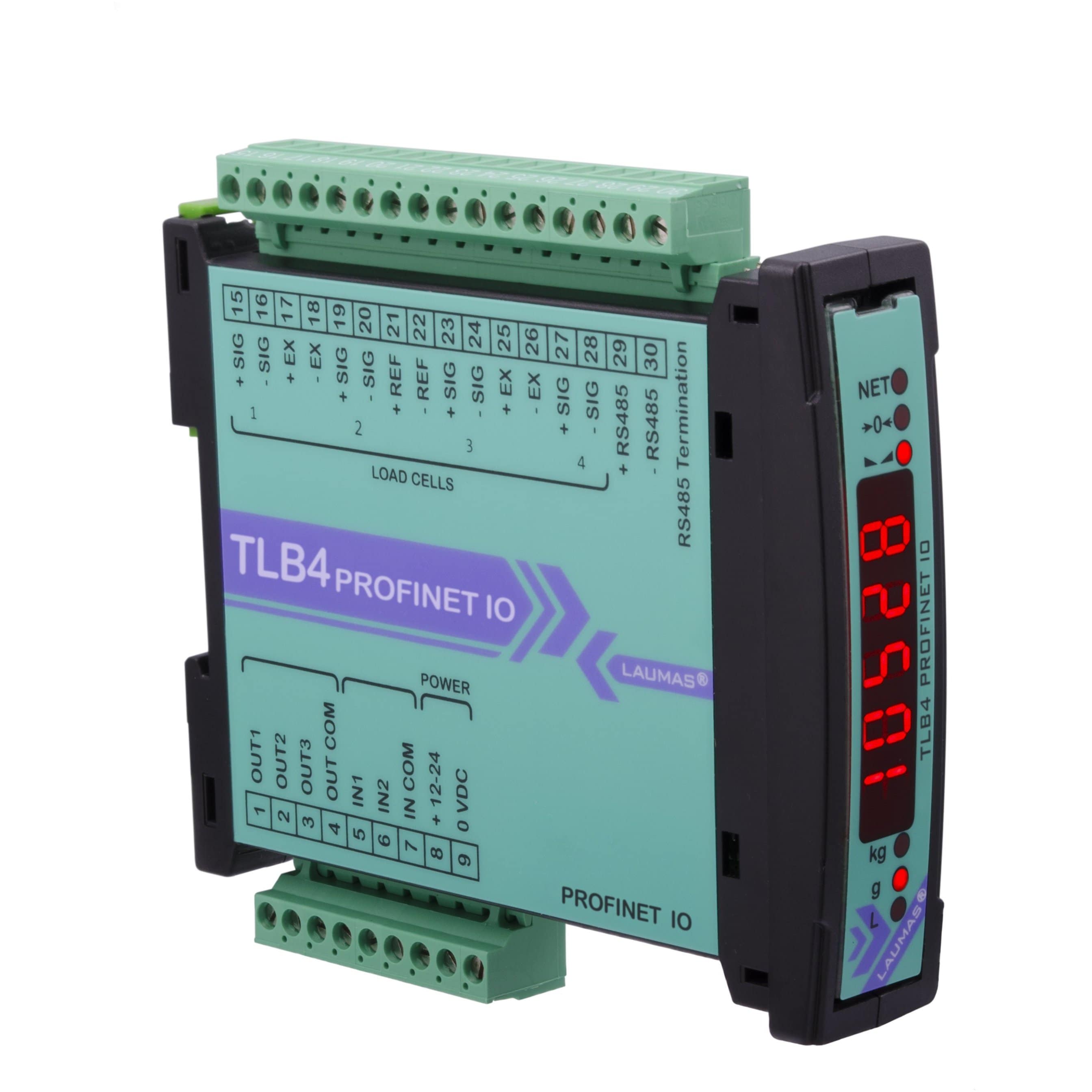
Check the load cell’s excitation, rated output and wiring against the indicator or transmitter. Multi-cell vessel systems may also require a junction box.

Installation considerations

Plan the mounting arrangement, restraints, overload protection and access for cable inspection and calibration before the equipment is commissioned.

Learn more

Typical compression load cell applications

Compression designs are used wherever a structure bears down onto the weighing points.

Tank and vessel weighing

Tanks and vessels commonly use three or four supported weighing points for batching, stock monitoring or process control.

Silo and hopper weighing

Higher-capacity models can be installed beneath silos and hoppers, with mounting hardware selected to accommodate movement and maintain alignment.

Platform and structure weighing

Compression sensors can support platforms, frames and purpose-built structures where the load is transferred vertically into the weighing assembly.

Industrial force measurement

Compact models are also used in presses, test rigs and machinery where compressive force needs to be monitored rather than displayed as conventional weight.

Choosing compression load cells

Check the load path and support arrangement first, then confirm capacity, mounting, environment and electrical compatibility.

Capacity and load distribution

Include tare weight, contents and any temporary or uneven loading. Divide the load across the supports with a sensible allowance for imbalance.

Mounting and load direction

The force should pass vertically through the sensor. Use suitable mounting hardware and avoid arrangements that introduce side load or binding.

Electronics and signal use

Confirm excitation, rated output, wiring and cable requirements against the chosen indicator, transmitter or control system.

Environment and service access

Select construction and protection suited to moisture, cleaning, dust, vibration and temperature, while retaining access for servicing.

Compression load cell FAQs

The answers below cover the main checks for a new compression weighing point or a replacement sensor.