
Junction Boxes

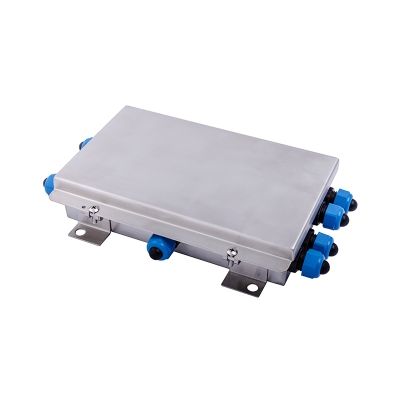
Load cell junction boxes bring several sensor connections together and provide a single output to the weighing instrument. The range includes compact connection boards, equalisation boxes, stainless steel enclosures, hygienic designs and ATEX versions for hazardous areas.

Filters

Sort by:

5 products

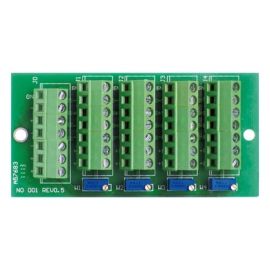
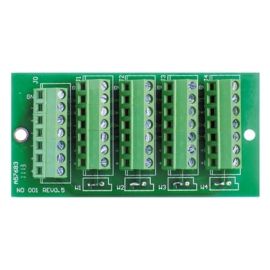
Laumas HL6EQSN load cell equalisation boardLaumas HL6N parallel connection board for load cells
Laumas HL6 Junction Boards Sale priceFrom £43.00
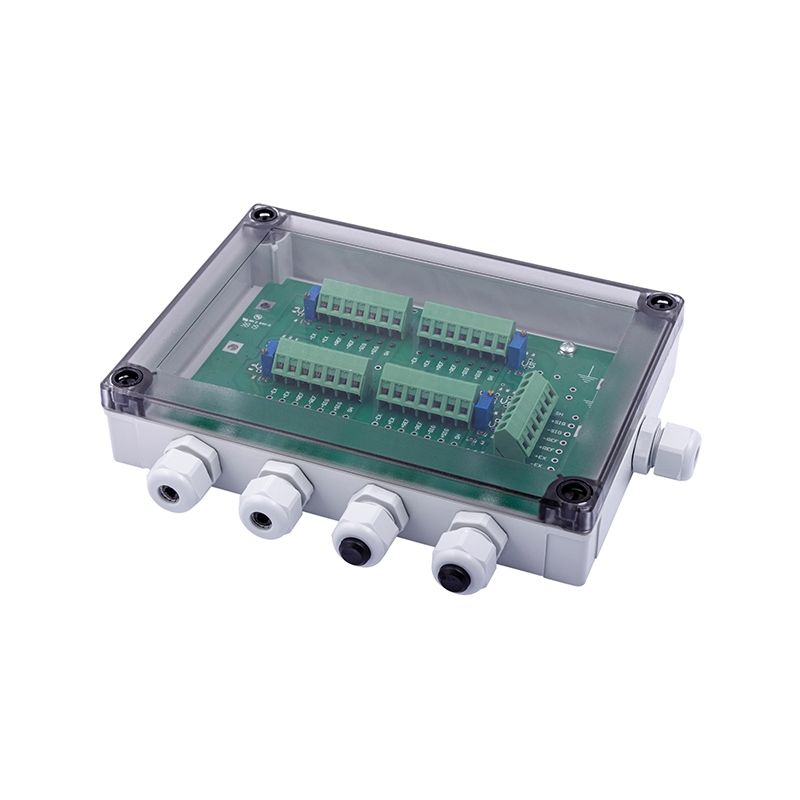
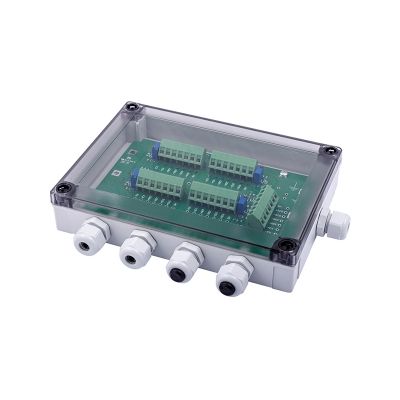
Laumas CE41N ABS junction box for up to four load cellsLaumas CE41N load cell junction box
Laumas C Series Junction Boxes Sale priceFrom £54.00
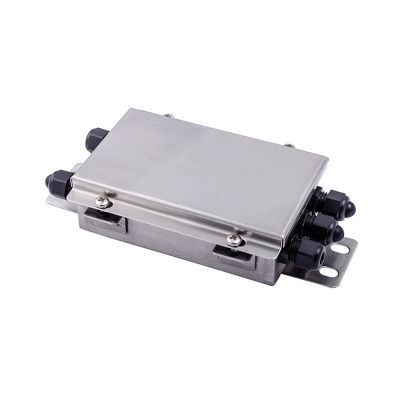
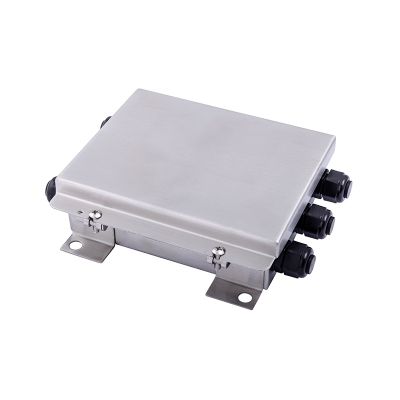
Laumas CE41INOXP and C41INOXP stainless steel junction boxesLaumas CE41INOX stainless steel load cell junction box
Laumas CE INOX Junction Boxes Sale priceFrom £97.00
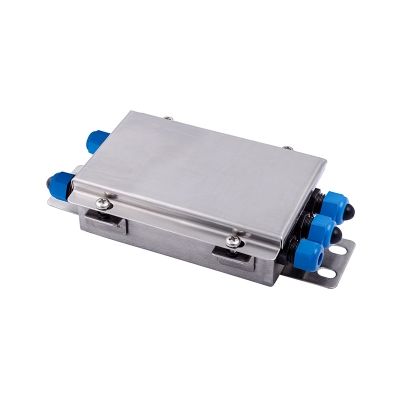
Laumas CE41PATEX stainless steel ATEX junction boxLaumas CE81ATEX stainless steel ATEX junction box for up to eight load cells
Laumas CE ATEX Junction Boxes Sale priceFrom £148.00
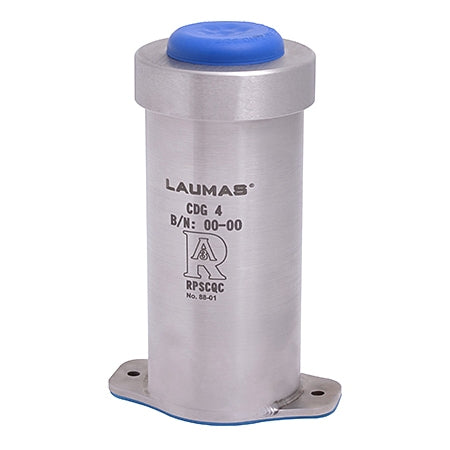
Laumas CDG 3A Hygienic Junction Boxes
Laumas CDG 3A Hygienic Junction Boxes Sale priceFrom £205.00

Further Reading

Choosing a load cell junction box

Begin with the number of load cells that need to be connected. Four-input boxes cover many platforms and vessels, while larger structures may require an eight-input model.

Next, decide whether the load cells only need to be connected in parallel or whether individual adjustment is required. Equalisation allows the signal from each support point to be trimmed during setup, which is useful when checking corner loading on platforms or balancing vessel supports.

The enclosure must suit its surroundings. Consider dust, moisture, cleaning chemicals, washdown routines and corrosion, as well as any hazardous-area classification. The IP rating applies to the complete enclosure and should be matched to the real installation conditions.

Finally, confirm the cable arrangement, load-cell wiring and compatibility with the receiving indicator or transmitter before ordering.

Connect multiple load cells

Bring several load-cell cables together and provide one organised output to the weighing instrument.

Parallel or equalised connection

Choose simple parallel connection or individual trimming where corner adjustment is needed.

Enclosures for different environments

Select from standard, stainless steel, hygienic and ATEX options to suit the installation.

Learn more

Where junction boxes are used

Junction boxes are used wherever several load cells support one weighing structure and their connections need to be combined.

Tank and silo weighing

Combine the load cells supporting a tank, vessel, hopper or silo and route one output to the weighing instrument.

Platform scales and weighbridges

Use equalisation to check and adjust corner loading on multi-cell platforms and weighbridges.

Industrial batching systems

Protect and organise load-cell connections on filling, dosing and batching equipment.

How to choose a junction box

Match the number of inputs, connection method and enclosure to the weighing structure and its surroundings.

Count the load cells

Select a box with enough inputs for every load cell in the structure, allowing for the intended wiring arrangement.

Check the installation environment

Consider moisture, dust, washdown, cleaning chemicals and corrosion when selecting the enclosure and IP rating.

Decide whether equalisation is needed

Choose an equalisation model if individual load-cell signals need to be trimmed during commissioning.

Confirm hazardous-area requirements

Use an appropriately certified ATEX model when the junction box will be installed in a classified hazardous area.

Junction box FAQs

Answers to common questions about connecting and balancing load cells in multi-cell weighing systems.