Torque Transducers

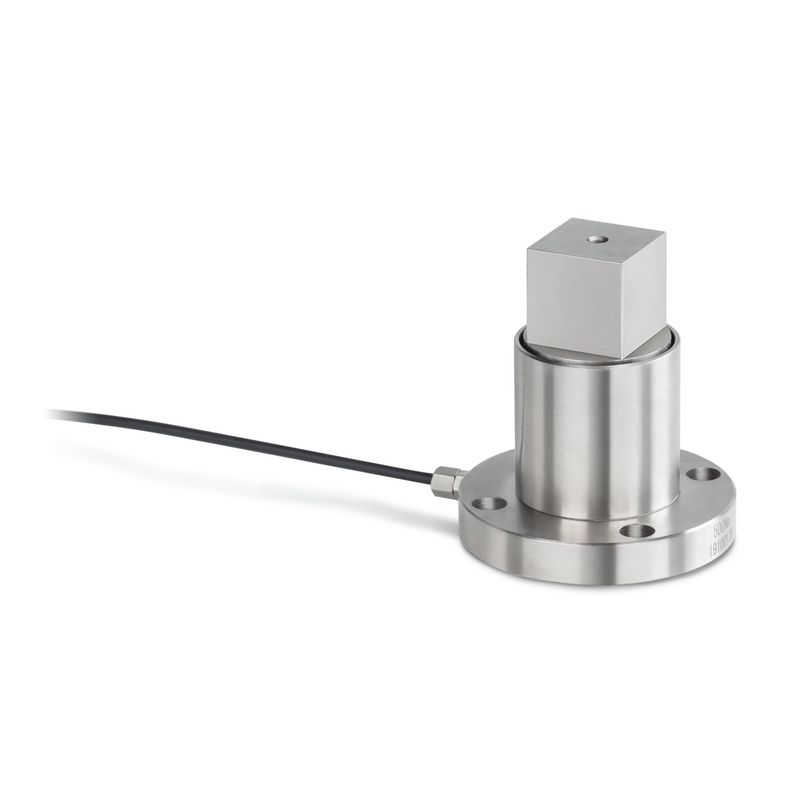
Static Sauter torque sensors for integration into test rigs: DC-Y1 in 5–500 Nm capacities and compact DC-Y2 in 0.2–50 Nm. Both require a suitable indicator, mounting and electrical excitation.

View Products

Filters

Sort by:

2 products

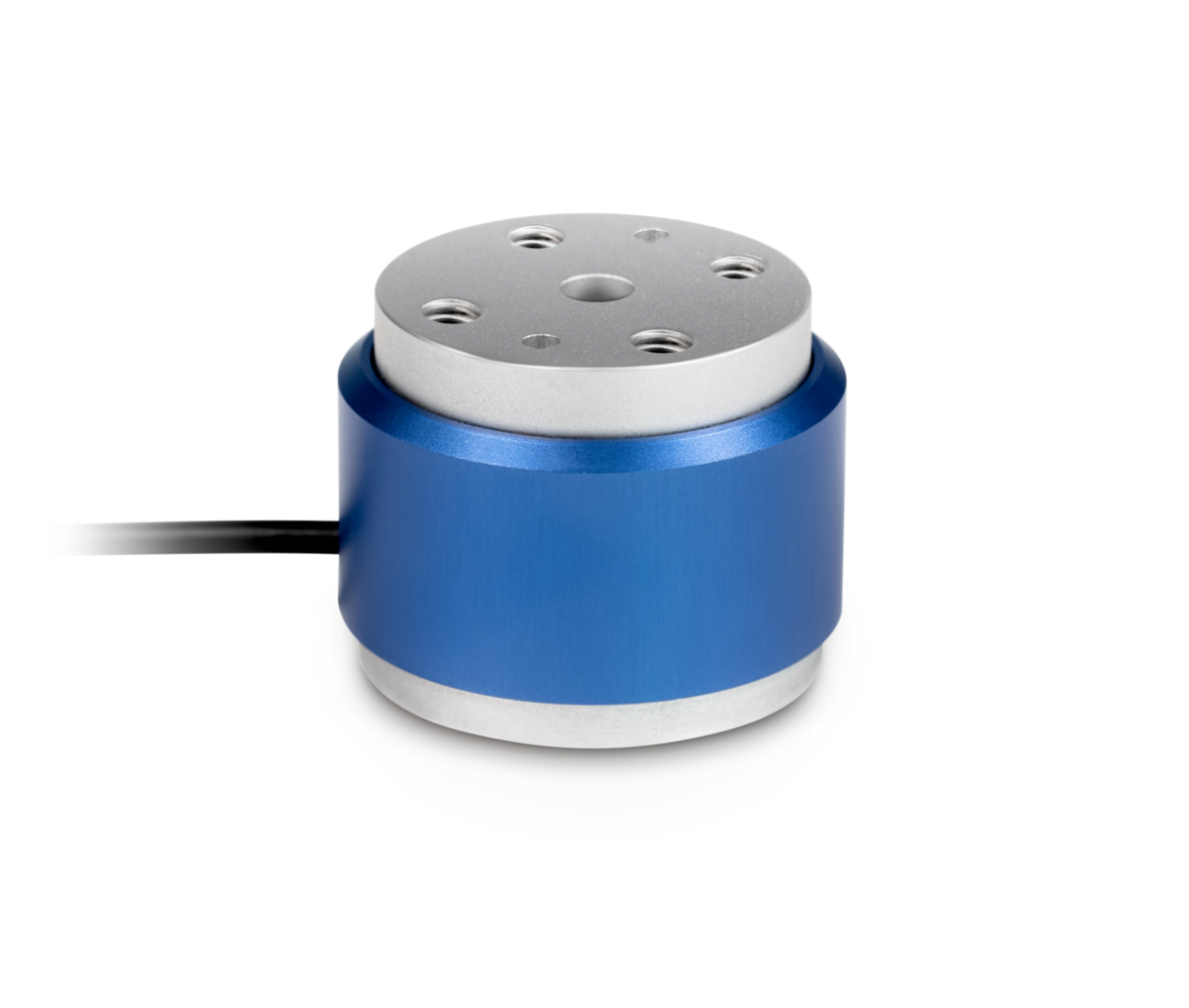
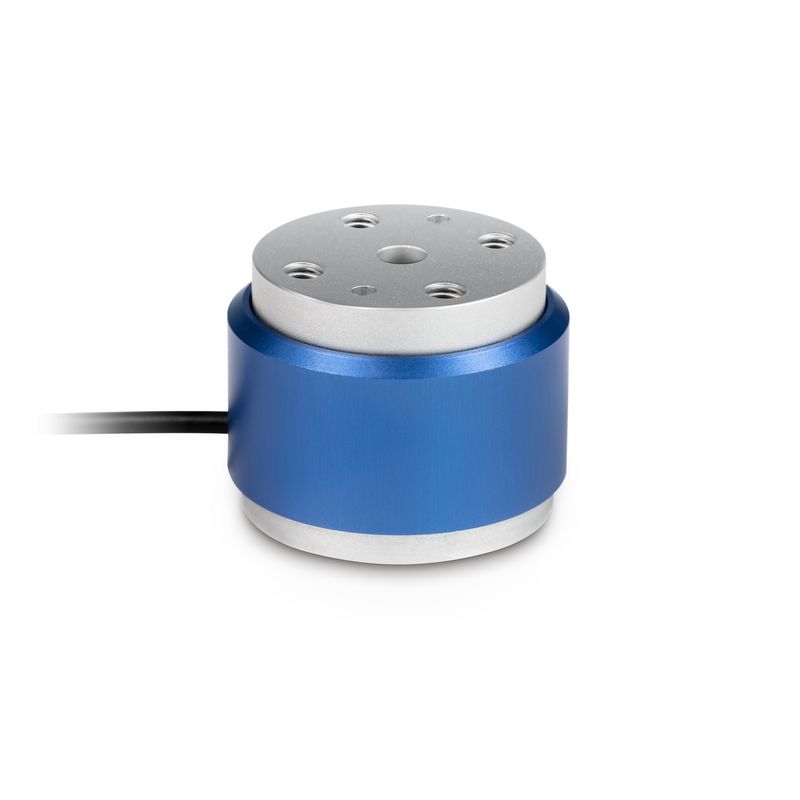
Sauter DC-Y2 official large product photographSauter DC-Y2 static torque transducer
Sauter DC-Y2 Torque Transducers Sale priceFrom £543.90
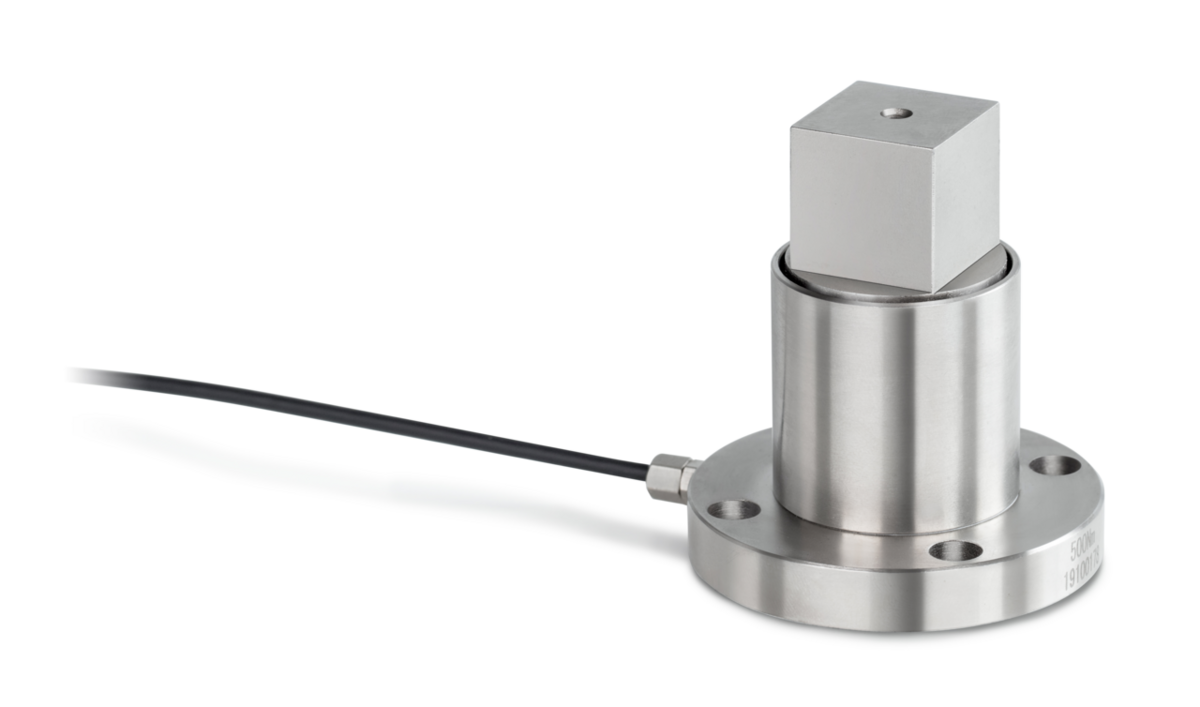
Sauter DC-Y1 official large product photographSauter DC-Y1 static torque transducer
Sauter DC-Y1 Torque Transducers Sale priceFrom £316.35

Further Reading

Understanding Static Torque Sensors

Static torque transducers provide an analogue strain-gauge output, typically stated in mV/V. A 4-wire connection and suitable excitation are needed to interpret the signal. The exact sensitivity is model-dependent: follow the selected sensor's KERN datasheet, rather than assuming all DC-Y1 outputs are identical.

The manufacturer's combined error describes the sensor; it does not automatically state the installed system accuracy. Fixture alignment, data acquisition and calibration must also be considered.

DC-Y1: 5–500 Nm

Alloy steel stationary torque sensors for higher-capacity fixture and test-bench installations.

DC-Y2: 0.2–50 Nm

Compact static torque sensors with IP65 protection for the current listed models.

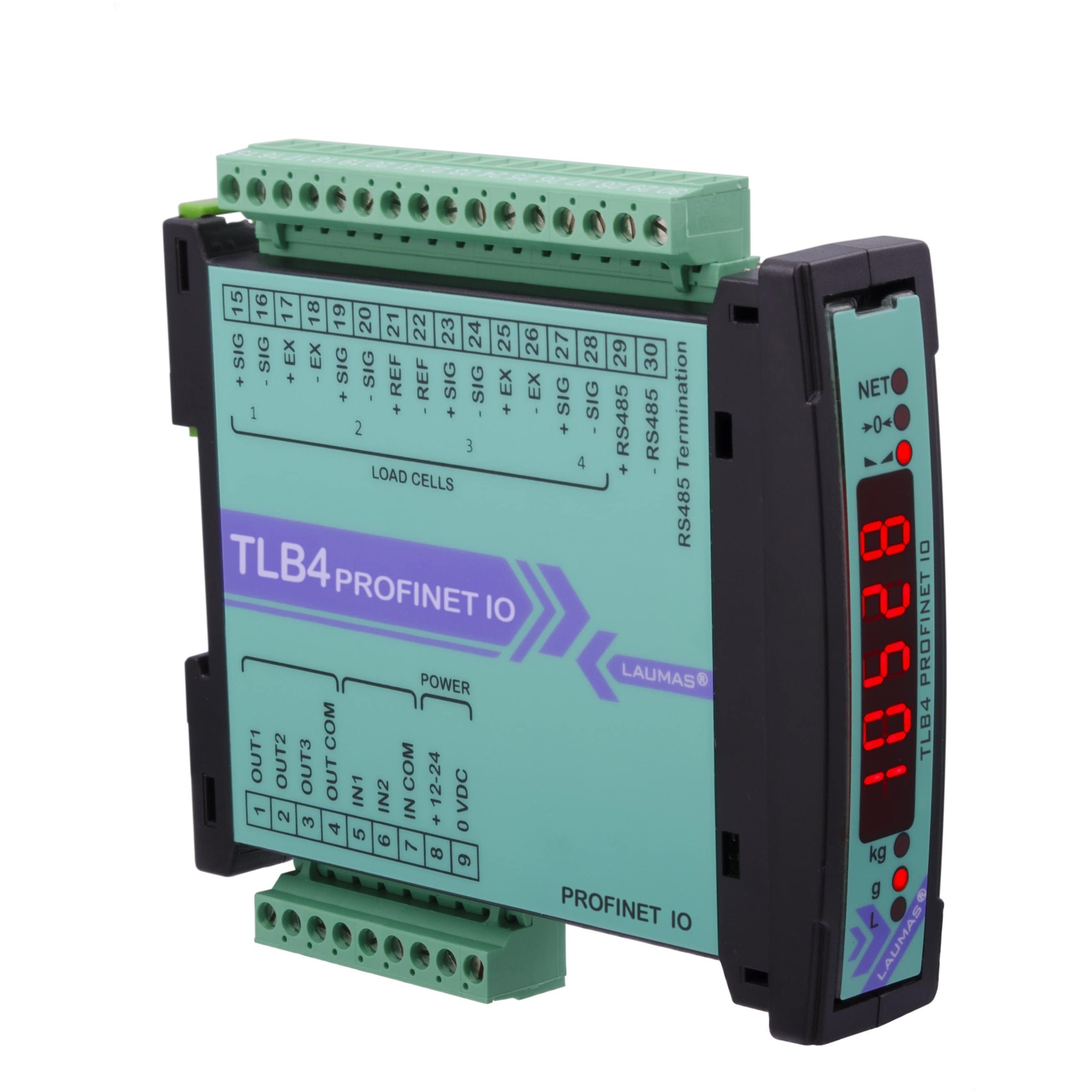
External Indication Required

Neither family contains a torque display. Confirm excitation, matching indicator, mechanical coupling and calibration.

Learn more

Static Torque Measurement Applications

Torque sensing in tool test benches, production fixtures, research equipment and compatible calibration systems.

Tool Test Benches

Integrate the sensor into a stable setup for applying torque to compatible manual tools.

Industrial Assembly

Use stationary torque measurement for controlled assembly force monitoring.

Research and Testing

Measure static torque on suitably coupled components under controlled test conditions.

Calibrated Measurement Systems

Use a suitable indicator and calibration procedure to support traceable torque measurement.

Choosing a DC Torque Transducer

Select by expected maximum torque, physical size and mounting, required excitation and analogue output, and whether environmental protection is needed.

Choose Y1 or Y2

Y1 covers 5–500 Nm; the more compact Y2 covers 0.2–50 Nm.

Match the Nominal Torque

Choose a rating safely above the expected load without unnecessarily oversizing the sensing range.

Verify Electrical Requirements

Check the selected model's bridge sensitivity, excitation voltage, wiring and amplifier input.

Confirm Mechanical and Calibration Setup

Verify mounting, drive coupling, fixture alignment, indicating equipment and calibration needs.

Static Torque Transducer FAQs

Practical guidance on the DC-Y1 and DC-Y2 sensor families.