


A weight transmitter is a key component in industrial weighing systems, converting the low-level signal from load cells into a usable output for control systems such as PLCs, HMIs, or SCADA platforms. Used across automation, process control, and batching applications, weight transmitters provide accurate, real-time weight data without the need for a local display.
What Is a Weight Transmitter?
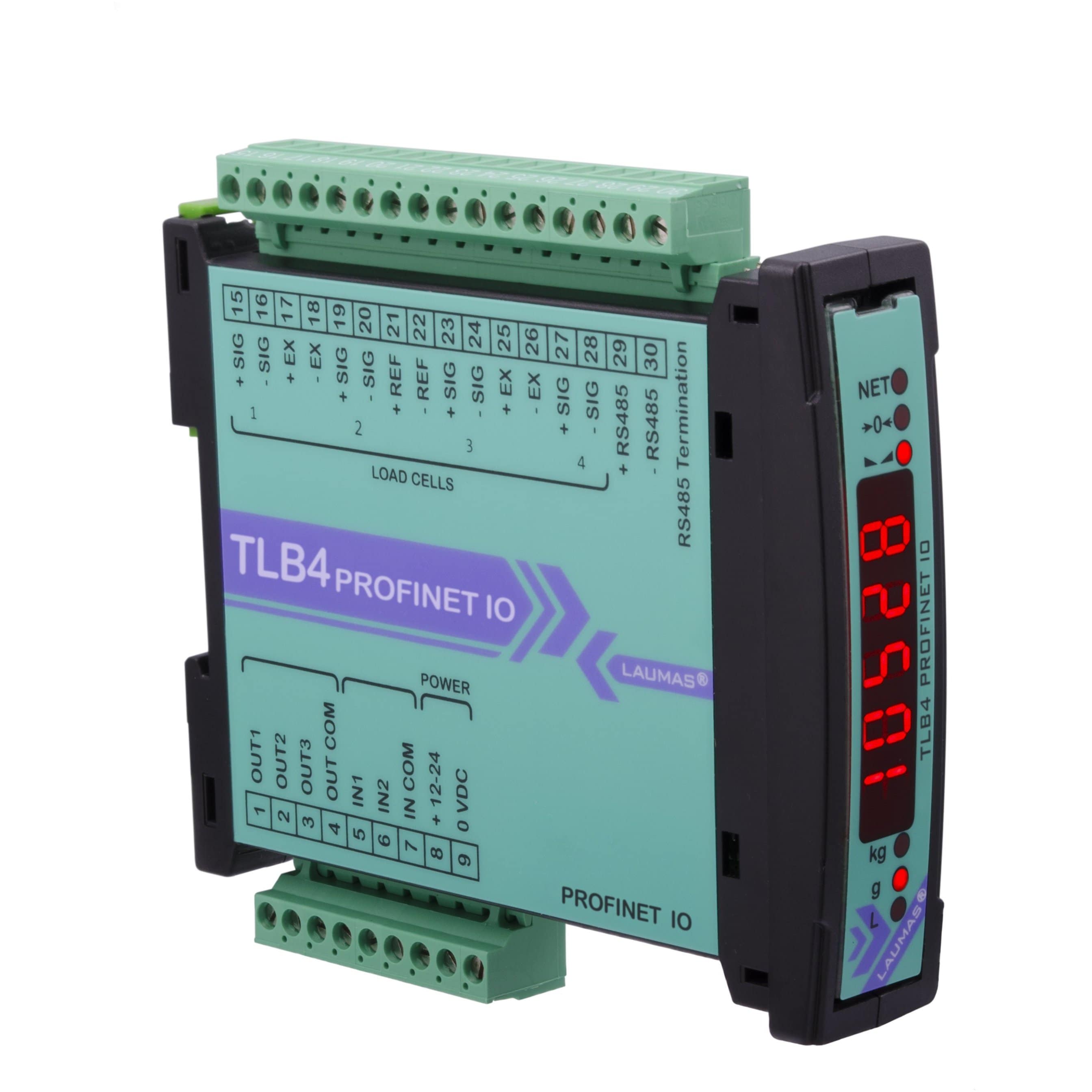
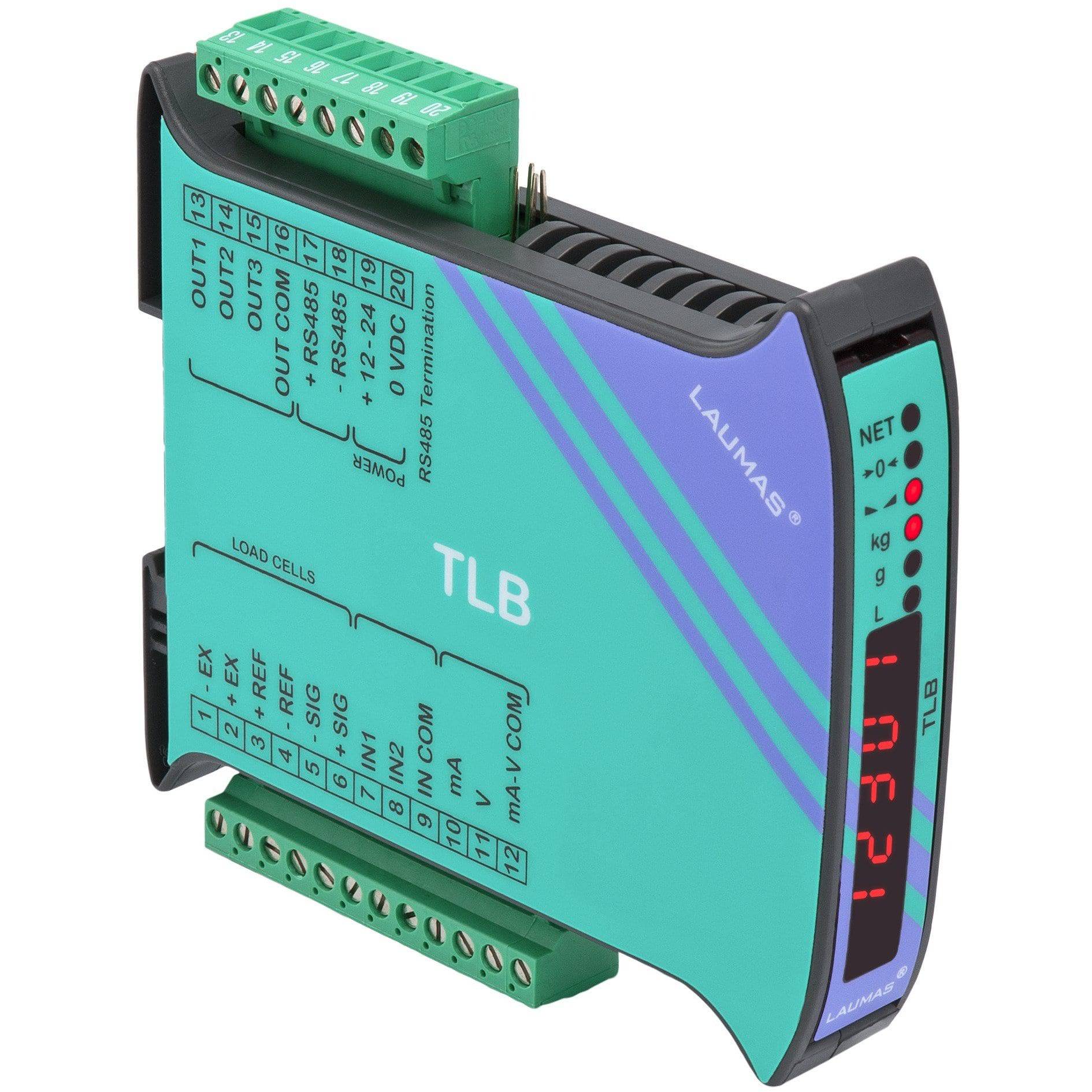
A weight transmitter is an electronic device that takes the millivolt-per-volt (mV/V) signal generated by a strain gauge load cell and converts it into a standard output signal. These outputs can be analogue signals such as 4–20mA or 0–10V, or digital communications such as Modbus, Ethernet/IP, or Profibus.
Unlike weight indicators, which are designed for human interaction and display, weight transmitters are intended for system integration, providing continuous weight data directly to control equipment.
How Does a Weight Transmitter Work?
The operation of a weight transmitter can be broken down into four key stages:
1. Load Cell Signal Generation
The load cell detects force or weight and produces a small electrical signal proportional to the applied load.
2. Signal Amplification
The transmitter amplifies this low-level signal to a usable range while maintaining accuracy and stability.
3. Analogue to Digital Conversion
The amplified signal is converted into a digital value using a high-resolution A/D converter.
4. Output Transmission
The processed signal is output as an analogue signal or transmitted digitally to a PLC or control system.
Weight Transmitter vs Weight Indicator
Understanding the difference between a weight transmitter and a weight indicator is essential when selecting the correct device:
Weight Transmitter
Designed for automation and control systems. Outputs weight data directly to a PLC or network. Typically DIN rail mounted and installed within control panels.
Weight Indicator
Designed for operators. Displays weight readings on a screen and often includes buttons or user controls for manual interaction.
In many systems, a transmitter is used where no local display is required, or where weight data must be integrated into a wider control system.
Types of Weight Transmitters
Weight transmitters are available in several configurations to suit different applications:
Analogue Weight Transmitters
Provide outputs such as 4–20mA or 0–10V for simple and reliable PLC integration.
Digital / Fieldbus Transmitters
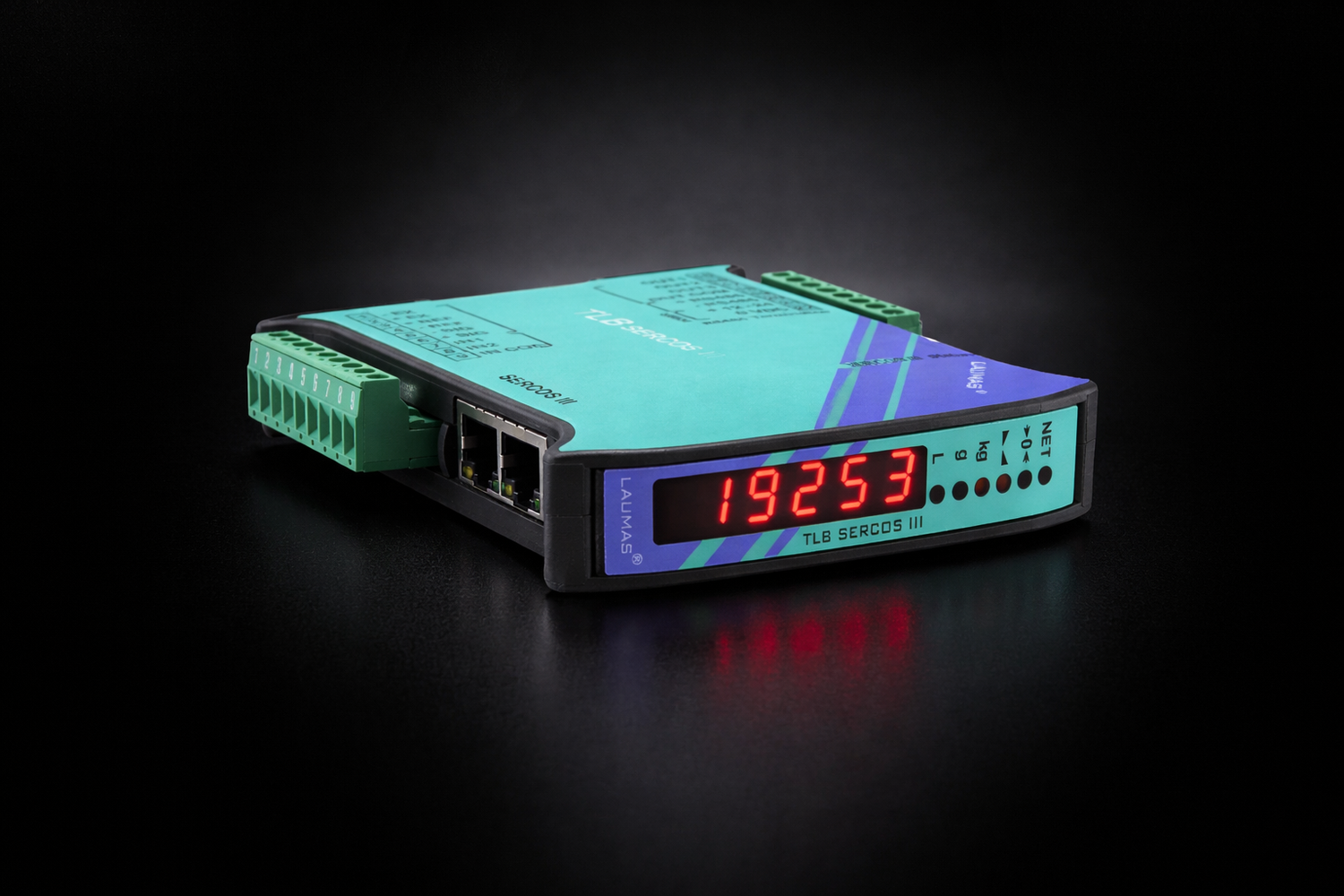
Communicate via protocols such as Modbus, Ethernet/IP, or Profibus, allowing more advanced control and diagnostics.
DIN Rail Mounted Transmitters
Compact units designed for installation within control panels.
Multi-Load Cell Transmitters
Designed to handle multiple load cells, commonly used in tank, silo, or platform weighing systems.
Common Applications
Weight transmitters are used in a wide range of industrial applications where accurate and continuous weight measurement is required:
- Tank and vessel weighing systems
- Hopper and batching systems
- Conveyor and process weighing
- Automation and PLC-based control systems
Key Features to Look For
When selecting a weight transmitter, several technical factors should be considered:
Load Cell Compatibility
Ensure the transmitter supports standard strain gauge load cells and the required number of inputs.
Output Options
Select analogue or digital outputs depending on your control system requirements.
Resolution and Accuracy
Higher resolution transmitters provide more precise and stable measurements.
Mounting and Integration
DIN rail mounting is common for panel installations, ensuring easy integration into control systems.
Environmental Protection
Consider enclosure rating and material suitability for the operating environment.
How to Choose the Right Weight Transmitter
Choosing the correct weight transmitter depends on the application and system requirements. Key considerations include:
- The number and type of load cells being used
- The required output signal or communication protocol
- Compatibility with existing PLC or control systems
- The operating environment and installation conditions
For simple systems, analogue transmitters are often sufficient, while more complex installations may benefit from digital communication and advanced diagnostics.
Why Use a Weight Transmitter?
Weight transmitters provide a reliable and efficient way to integrate weighing systems into automated processes. By converting load cell signals into standard outputs, they enable real-time monitoring, control, and data collection without the need for manual intervention.
Explore Our Weight Transmitters
We supply a wide range of weight transmitters suitable for industrial, process, and automation applications. Whether you require a simple analogue solution or an advanced digital transmitter, our range is designed to provide accurate and reliable performance.
Explore our full range of weight transmitters or contact our team for technical advice on selecting the right solution for your application.
FAQs About Weight Transmitters
What output should I choose?
Analogue outputs such as 4–20mA are suitable for most PLC systems, while digital protocols offer more advanced communication and diagnostics.
Can I connect multiple load cells?
Yes, many transmitters support multiple load cells, particularly in tank and platform weighing applications.
Do weight transmitters require calibration?
Yes, calibration ensures accurate and traceable measurement and should be carried out periodically.
What is the difference between analogue and digital transmitters?
Analogue transmitters provide simple output signals, while digital transmitters allow communication over networks with enhanced functionality.



Leave a comment
This site is protected by hCaptcha and the hCaptcha Privacy Policy and Terms of Service apply.