
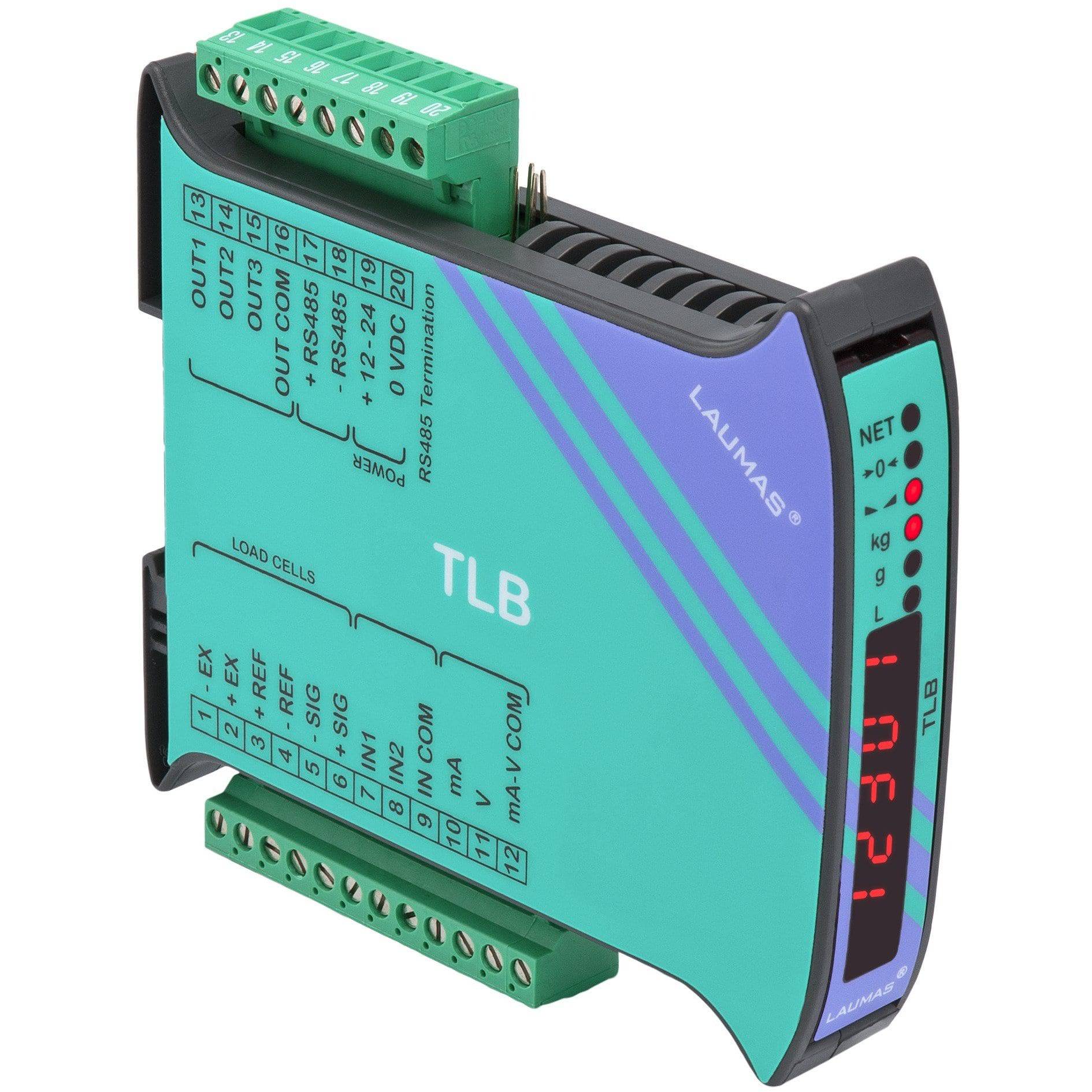
Torque Meters

Torque meters are used for accurate monitoring, verification and analysis of rotational force across manufacturing, engineering, calibration, research and quality control applications. This collection includes digital torque gauges, torque testers and torque transducers suitable for static and rotary torque measurement in industrial and laboratory environments.

Filters

Filters
Sort by:

4 products

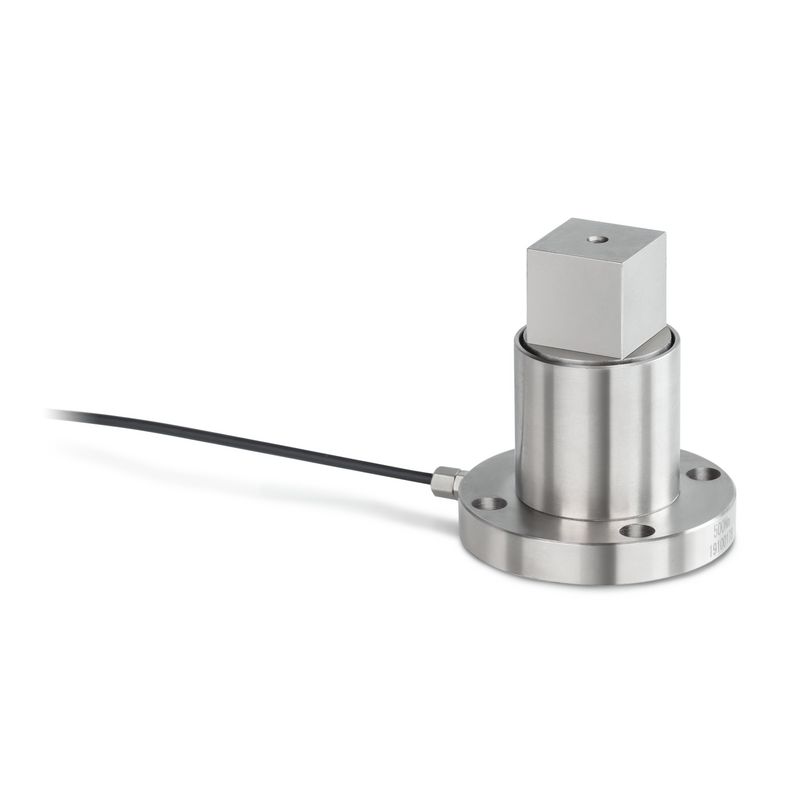
Sauter DC-Y1 Torque Transducers
Sauter DC-Y1 Torque Transducers Sale priceFrom £285.00
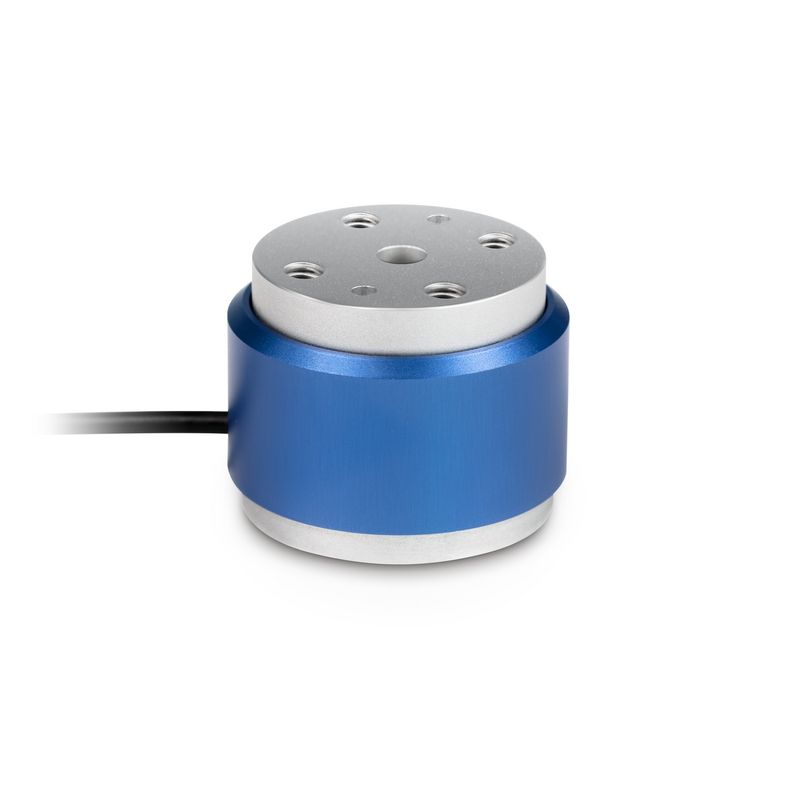
Sauter DC-Y2 Torque Transducers
Sauter DC-Y2 Torque Transducers Sale priceFrom £490.00
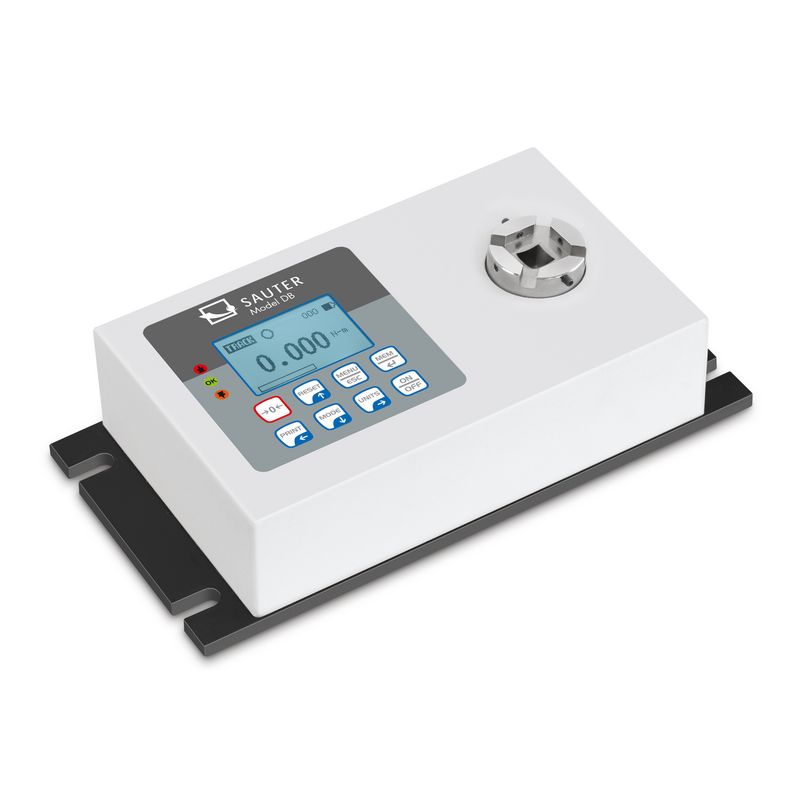
Sauter DB Digital Torque Gauge - GNW Instrumentation
Sauter DB Digital Torque Gauge Sale priceFrom £1,142.00
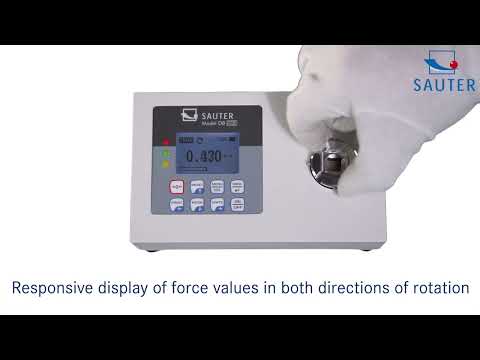
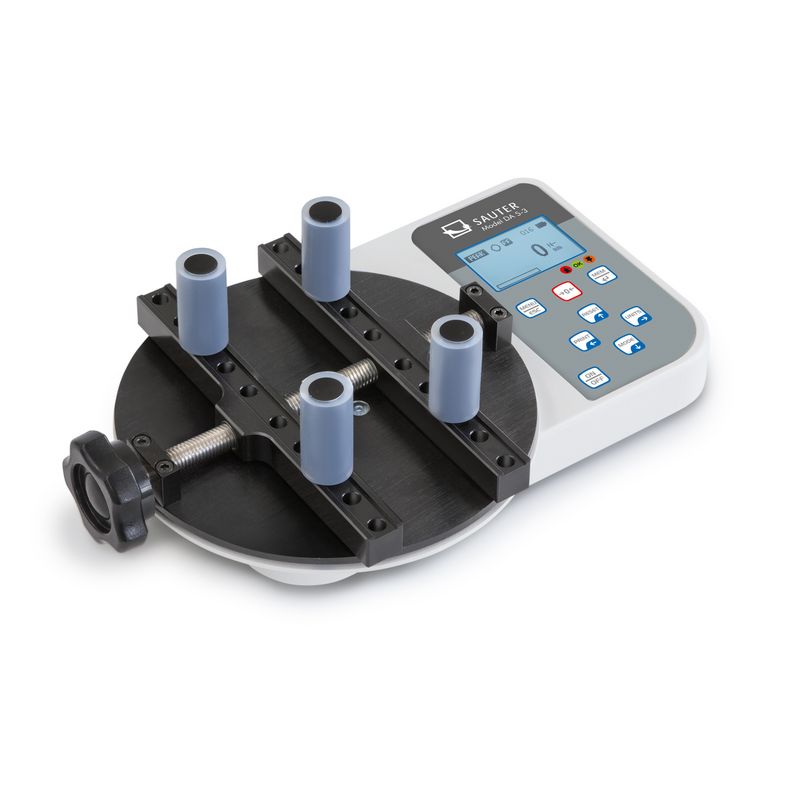
Sauter DA Digital Torque Gauge - GNW Instrumentation
Sauter DA Digital Torque Gauge Sale price£1,782.80

Further Reading

Understanding Torque Measurement Systems

Torque measurement instruments are designed to monitor rotational force applied to a component, fastening system or rotating assembly. Depending on the application, torque may be measured statically during tightening verification or dynamically on rotating shafts and driven equipment. Accurate torque measurement is essential within industries where controlled fastening, mechanical performance and calibration traceability are critical.

Digital torque gauges are commonly used for practical workshop and laboratory testing tasks including cap torque testing, product assembly verification and manual tool checking. Many instruments provide peak torque capture, programmable limits and statistical analysis functions to support quality assurance procedures and production testing.

Torque transducers are typically divided into two main categories: static and rotary. Static torque transducers are used for stationary torque measurement and are commonly found within torque wrench calibration systems and bench testing applications. Rotary torque transducers are designed to measure torque on rotating shafts and machinery, often using contactless or strain gauge technology for continuous measurement.

Modern torque measurement systems may include USB, CAN bus, analogue or digital outputs for integration with data acquisition systems, calibration software and industrial automation equipment. Some advanced rotary transducers also provide simultaneous speed and angle measurement for power and efficiency analysis applications.

Regular calibration and verification are important for maintaining reliable torque measurement performance. Many industrial environments require traceable torque calibration procedures to support ISO quality systems, assembly verification and tool certification requirements

Digital torque gauges

Digital torque gauges are widely used for closure testing, assembly verification, packaging inspection and general torque testing applications requiring accurate and repeatable measurement.

Static torque transducers

Static torque transducers are commonly used for torque wrench calibration, torque screwdriver testing and stationary torque verification applications.

Rotary torque transducers

Rotary torque transducers are designed for monitoring torque on rotating shafts, motors, gearboxes and drive systems within industrial and research applications.

Learn more

Torque meter applications

Torque measurement equipment is used across manufacturing, engineering, calibration and research environments where controlled rotational force measurement is required.

Torque wrench calibration

Torque transducers are widely used within calibration laboratories and maintenance departments for verifying and calibrating torque wrenches, torque screwdrivers and powered torque tools.

Production and assembly testing

Digital torque gauges are commonly used for closure testing, tightening verification and assembly quality control within manufacturing and packaging environments.

Motor and drivetrain analysis

Rotary torque transducers are used for monitoring torque output, efficiency and power transmission within motors, gearboxes, drive systems and rotating machinery applications.

How to choose torque measurement instruments

Selecting the correct torque measurement system depends on the application type, torque range, rotational requirements and data analysis needs.

Determine static or rotary measurement requirements

Static torque transducers are suitable for stationary testing and calibration applications, while rotary torque transducers are required for measuring torque on rotating shafts and driven equipment.

Select the correct torque range

Choose a torque measurement instrument with sufficient capacity for the application while maintaining suitable measurement resolution and accuracy across the operating range.

Review output and data requirements

Digital torque systems may provide USB, RS-232, analogue or CAN bus outputs for integration with software, reporting systems and industrial automation equipment.

Consider calibration and traceability

Industrial quality systems often require traceable calibration certification and regular verification procedures to maintain measurement confidence and compliance.

Torque Meter FAQs

Selecting the correct torque measurement equipment depends on the application, torque range, rotational requirements and the level of measurement accuracy required. Below are answers to some common questions relating to torque gauges, torque testers and torque transducers.