Hardness Testers

Professional hardness testers for accurate material hardness measurement across industrial, laboratory and quality control applications. This collection includes Shore hardness testers for rubber and plastics, portable Leeb hardness testers for metals, and hardness test blocks for instrument verification and calibration support.

Filters

Filters
Sort by:

16 products

Sauter AHB Hardness Test Blocks - GNW InstrumentationSauter AHB Hardness Test Blocks - GNW Instrumentation
Sauter AHB Hardness Test Blocks Sale priceFrom £133.04
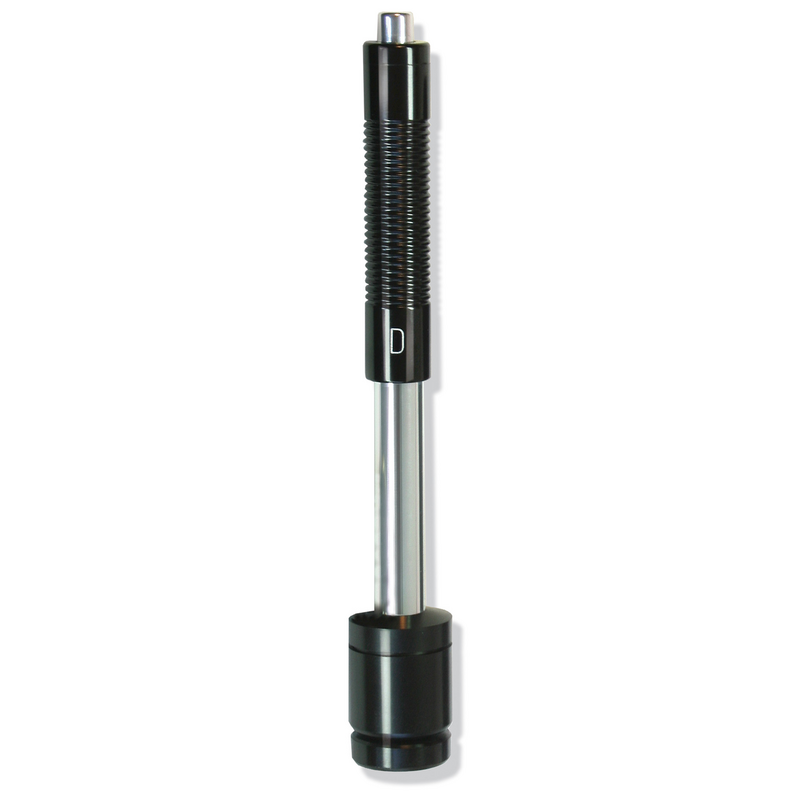
Sauter AHMO-D External Impact Sensor - GNW Instrumentation
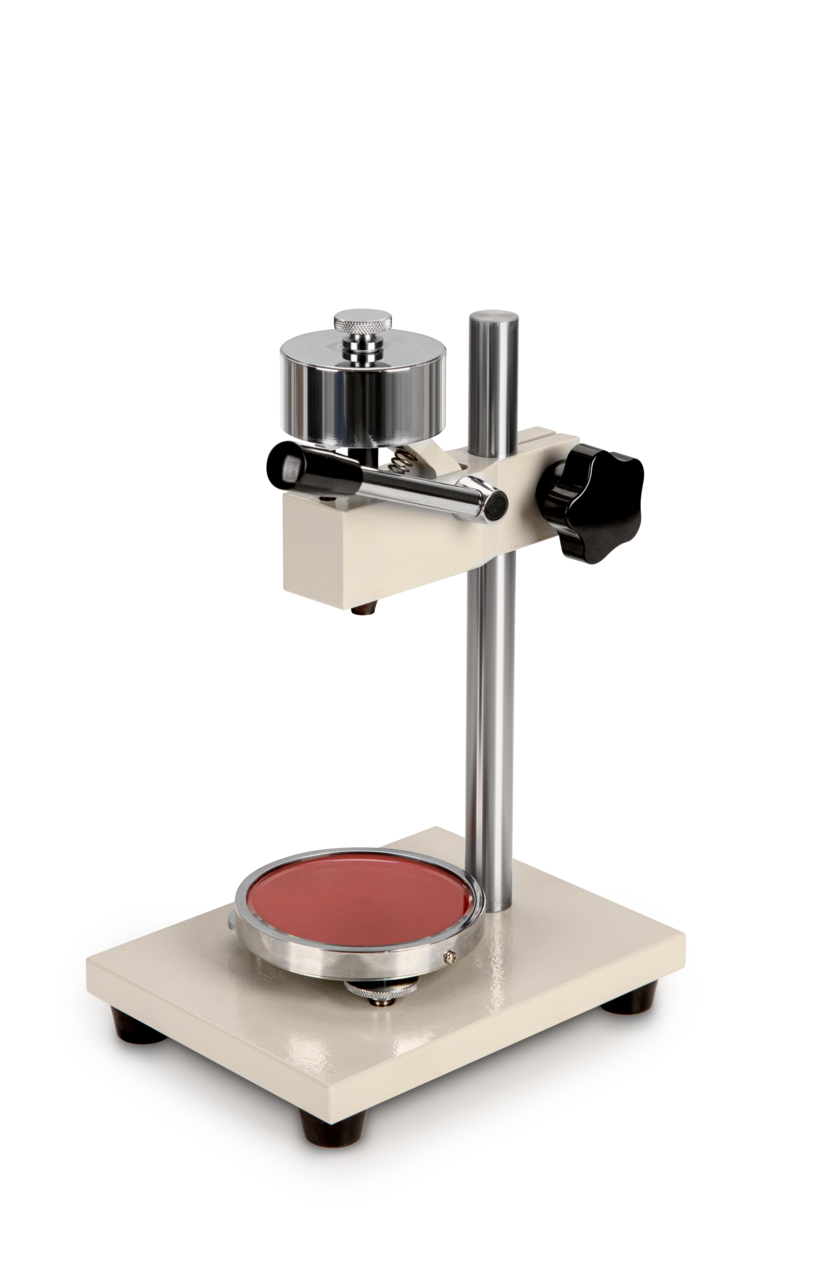
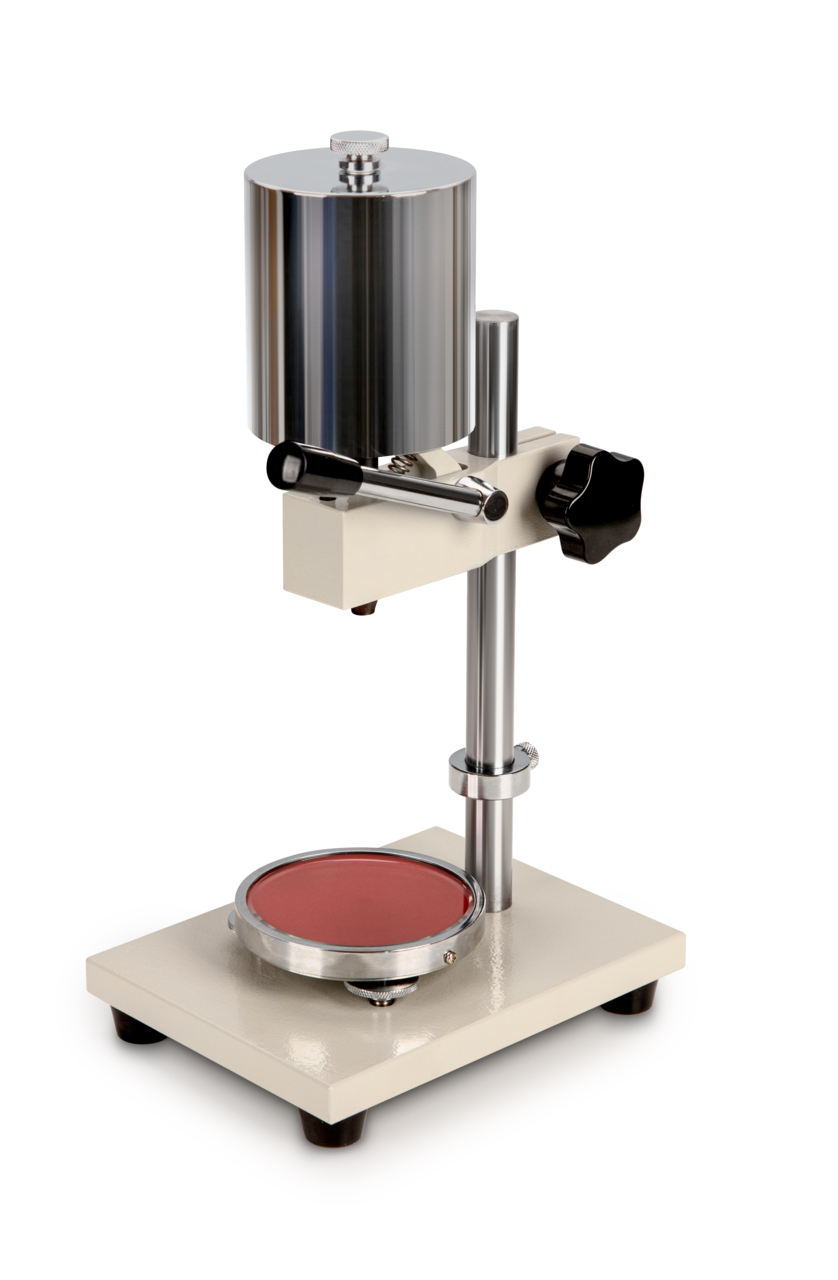
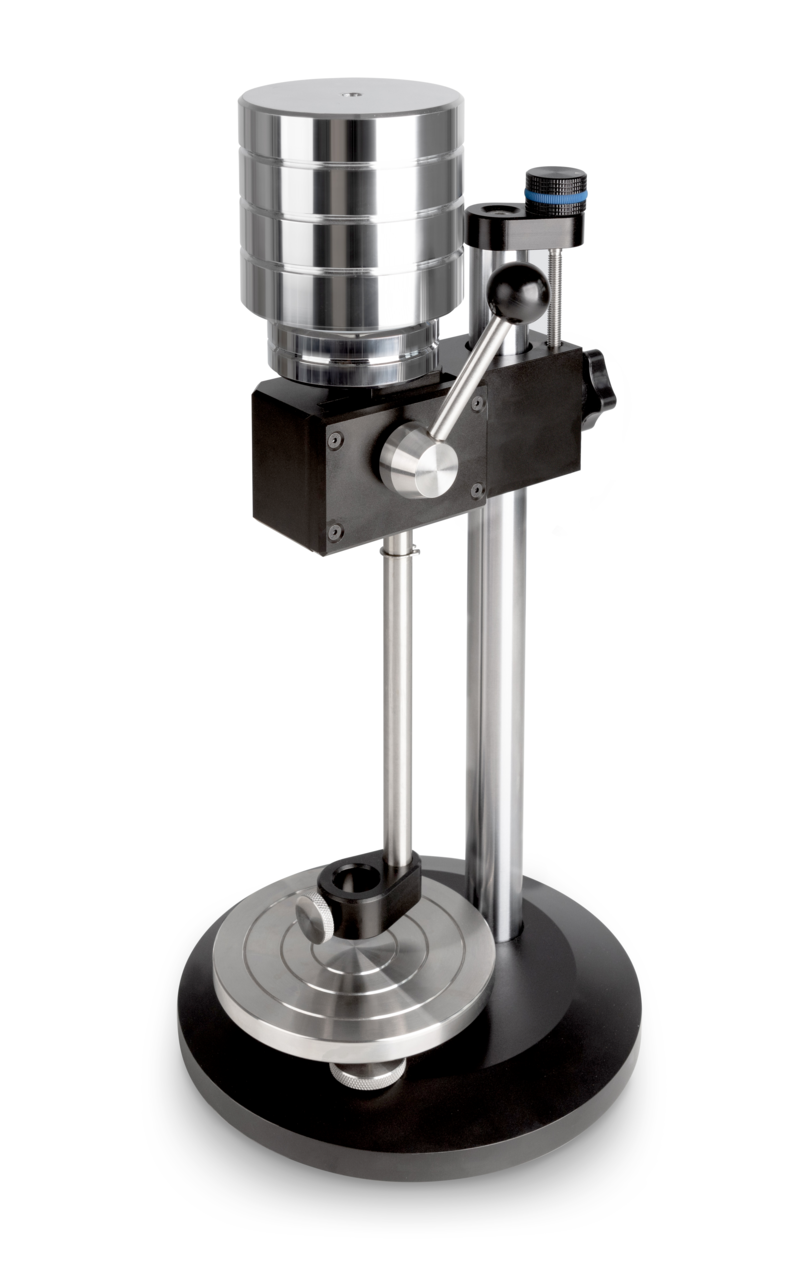
Sauter TI Manual Shore Test StandSauter TI Manual Shore Test Stand
Sauter TI Manual Shore Test Stand Sale priceFrom £270.00
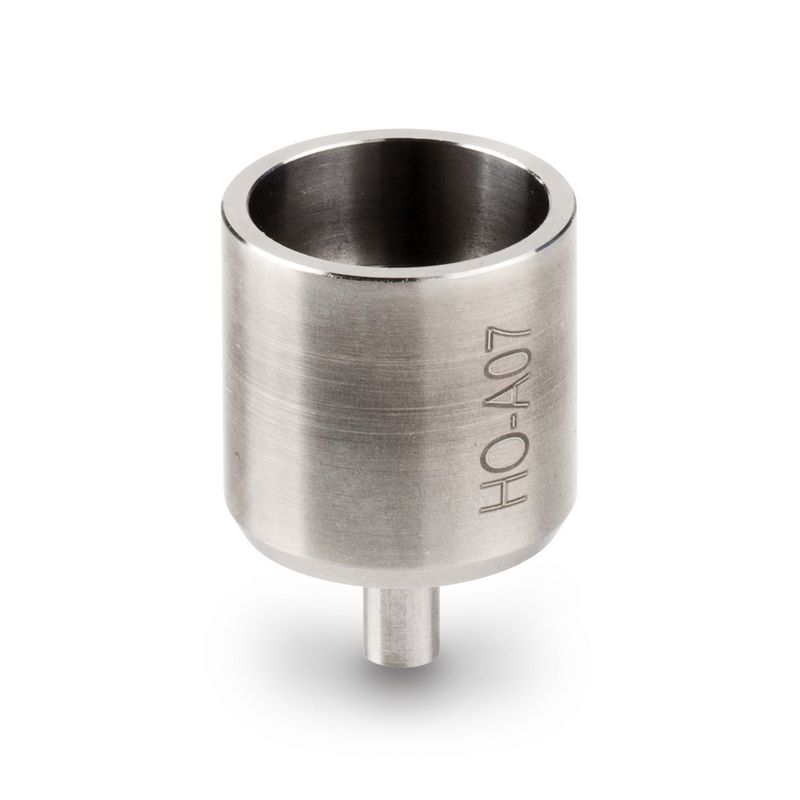
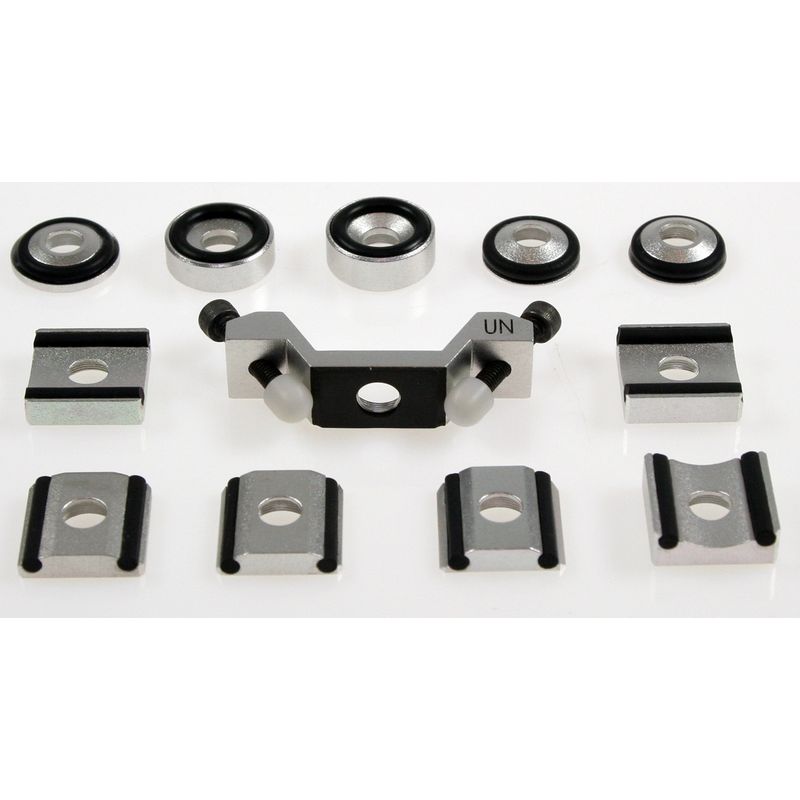
Sauter HO-A07 Support Ring - GNW Instrumentation
Sauter HO-A07 Support Ring Sale price£210.00
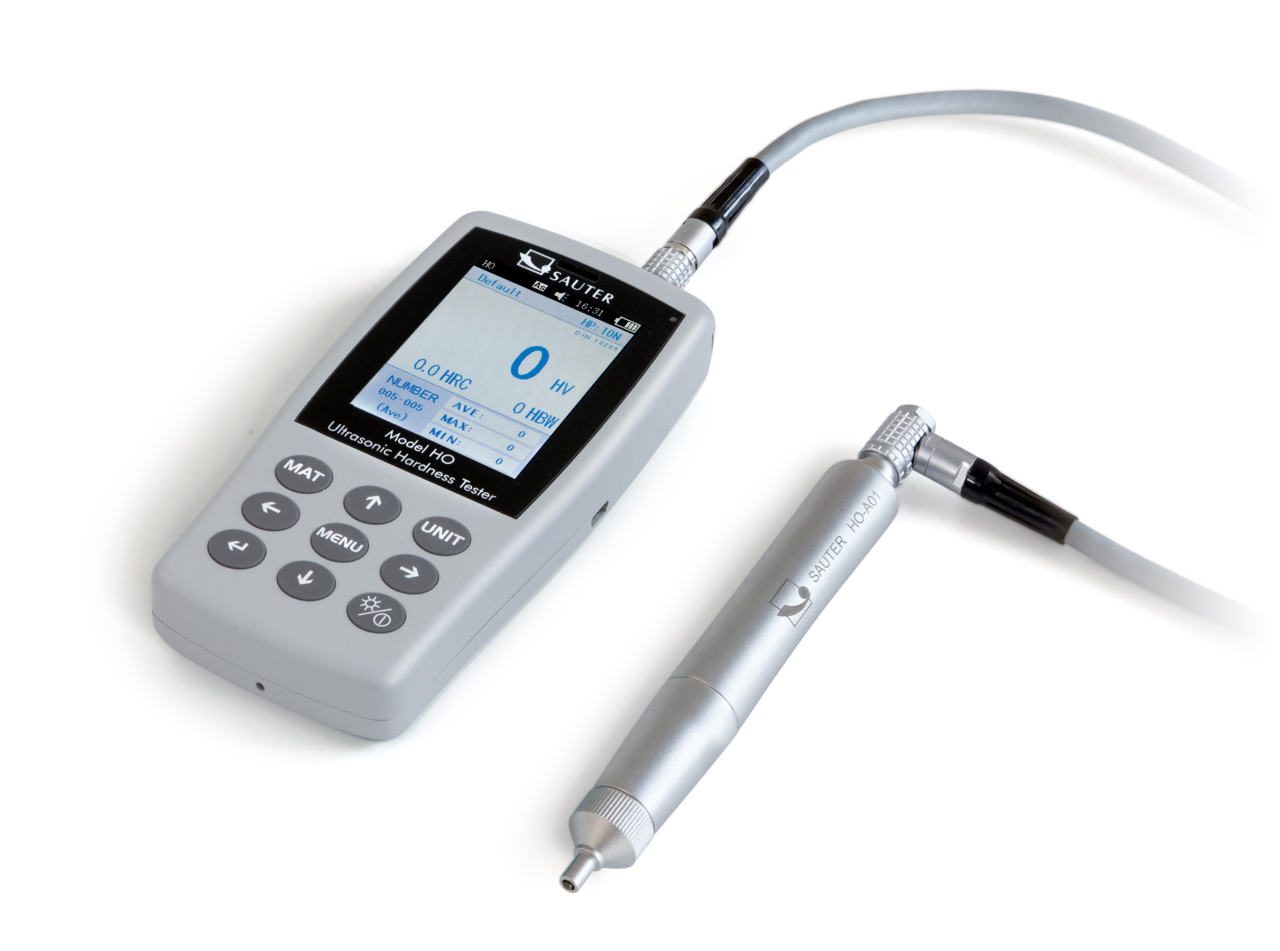
Sauter HO UCI Hardness Tester
Sauter HO UCI Hardness Tester Sale priceFrom £5,200.00
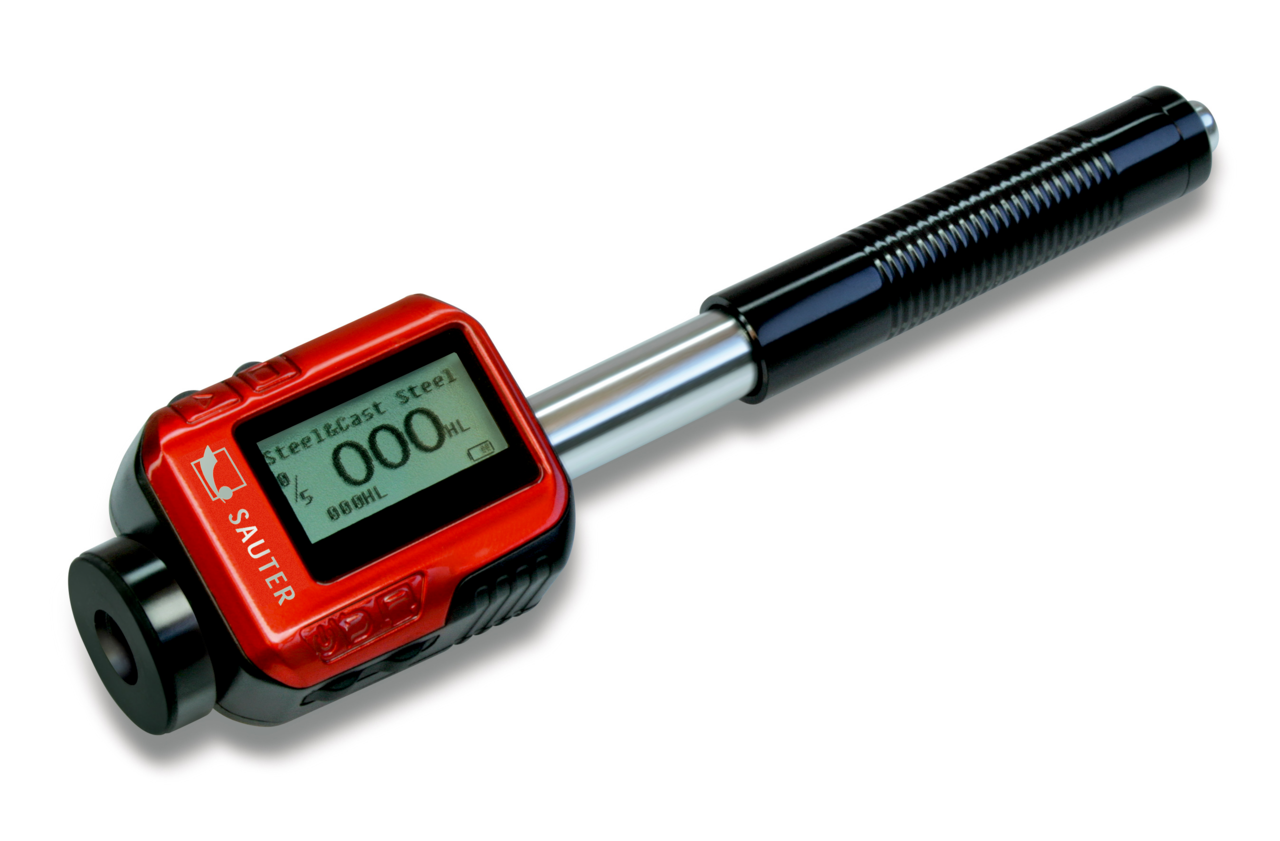
Sauter HN-D Leeb Hardness Tester
Sauter HN-D Leeb Hardness Tester Sale priceFrom £930.00
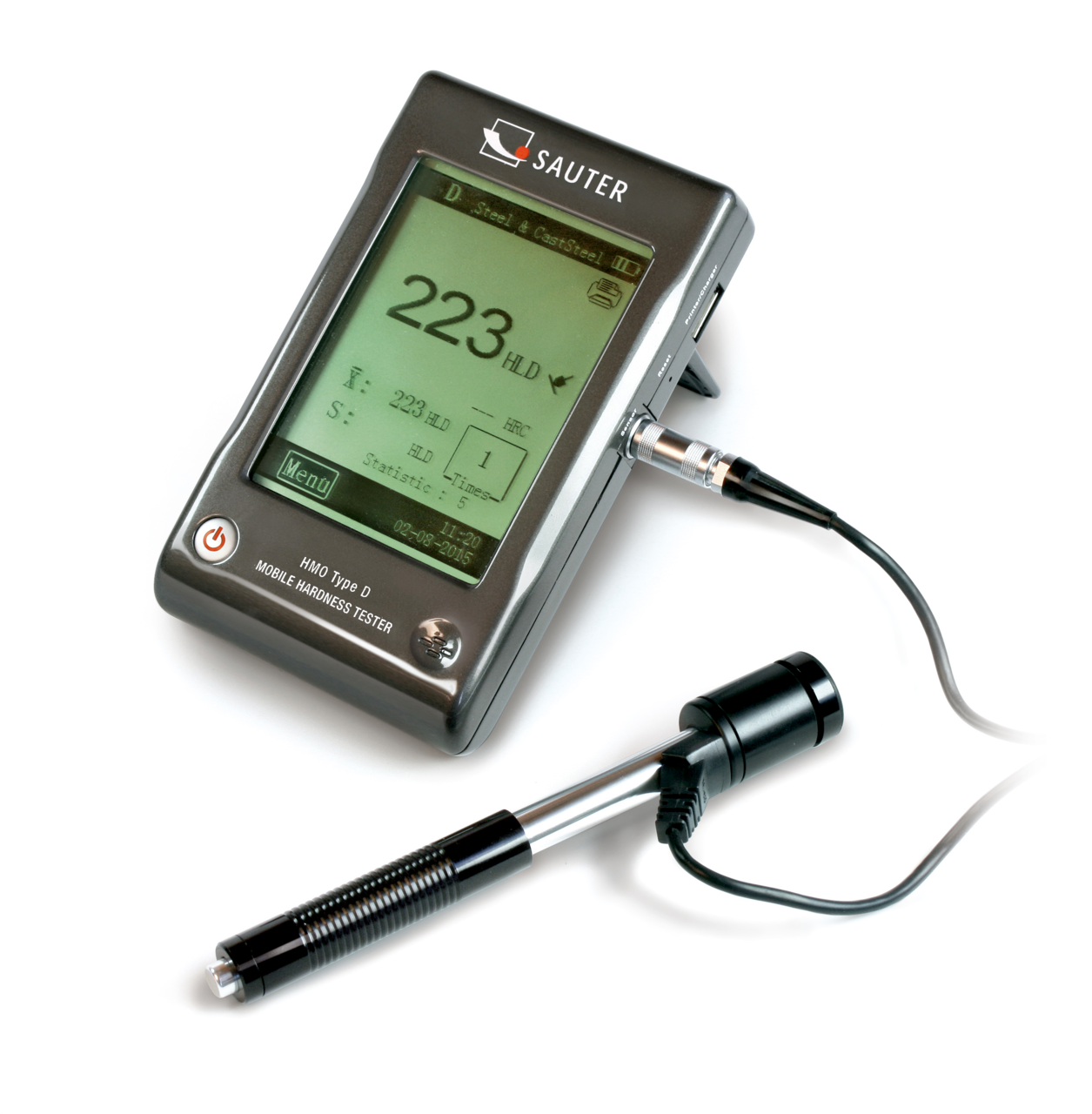
Sauter HMO Leeb Hardness Tester
Sauter HMO Leeb Hardness Tester Sale priceFrom £2,020.00
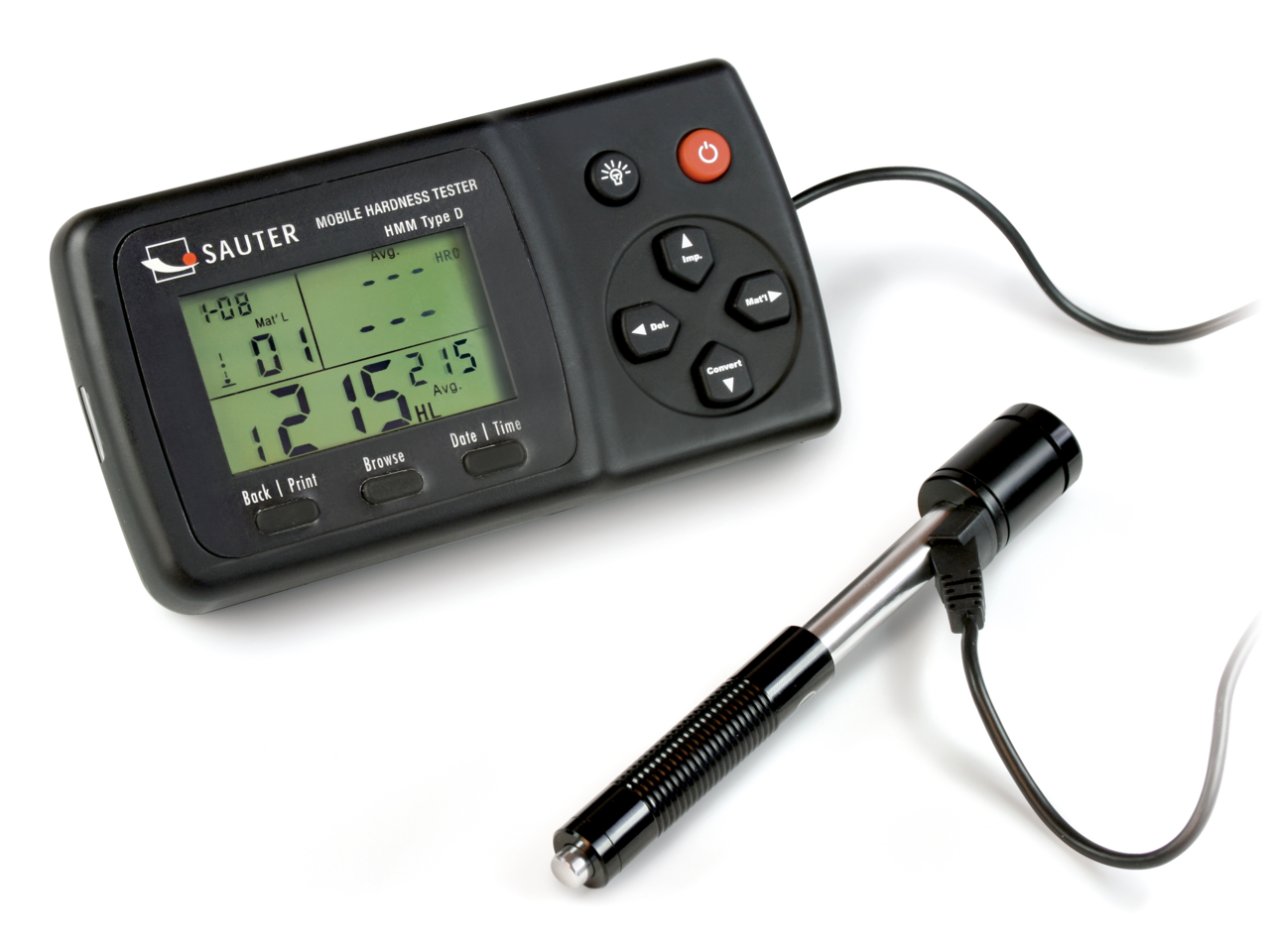
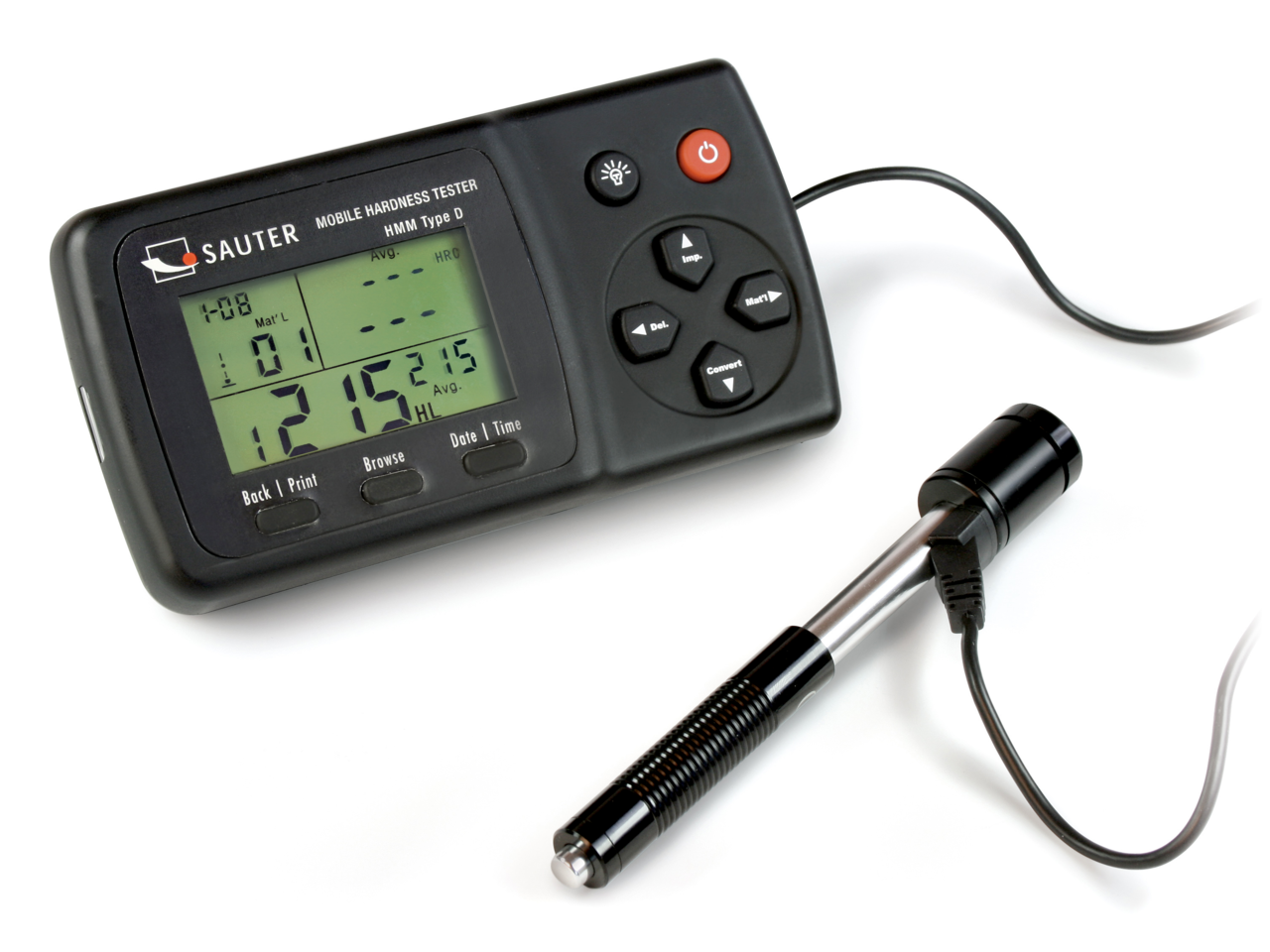
Sauter HMM Leeb Hardness TesterSauter HMM Leeb Hardness Tester
Sauter HMM Leeb Hardness Tester Sale priceFrom £1,060.00
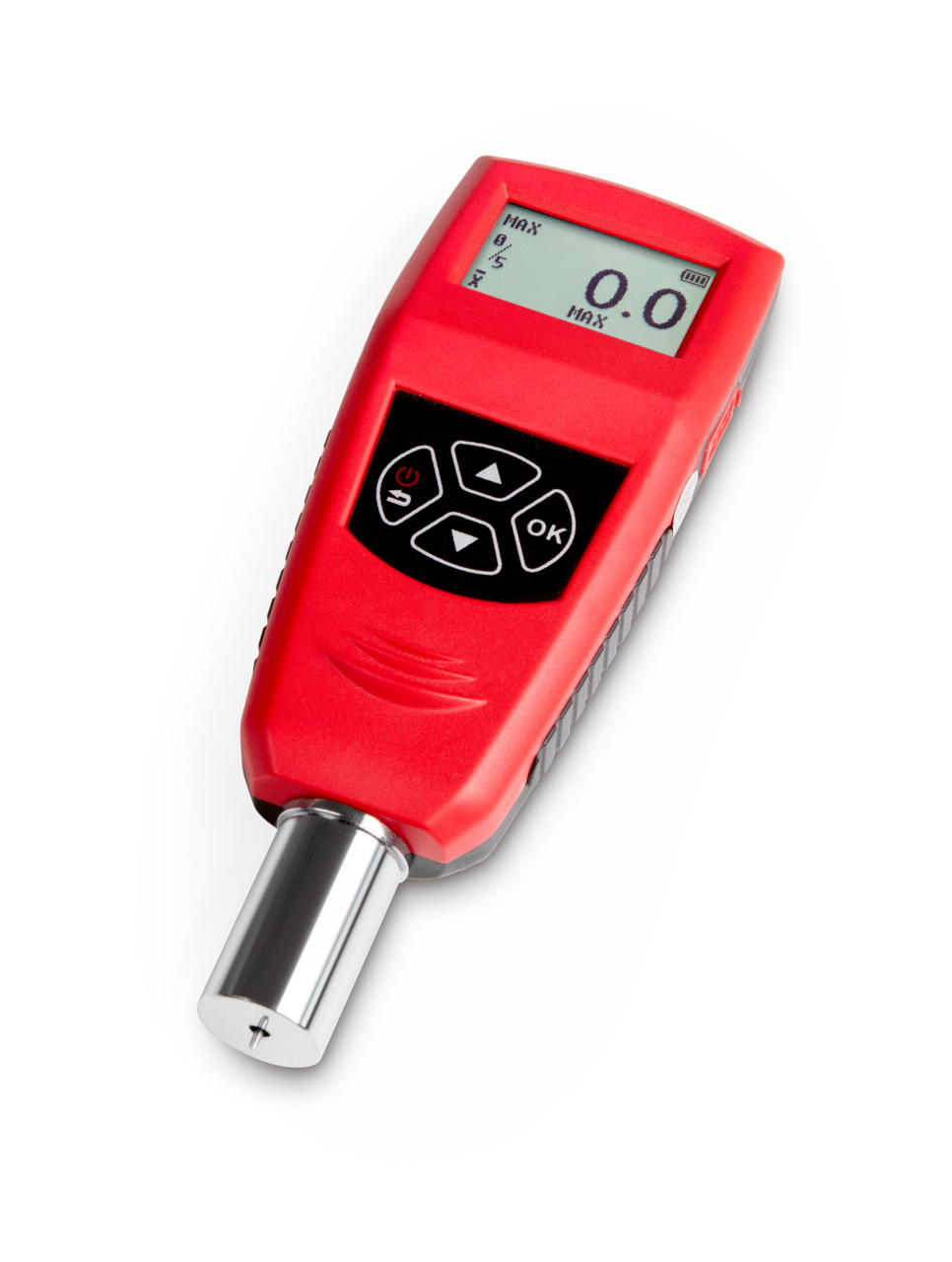
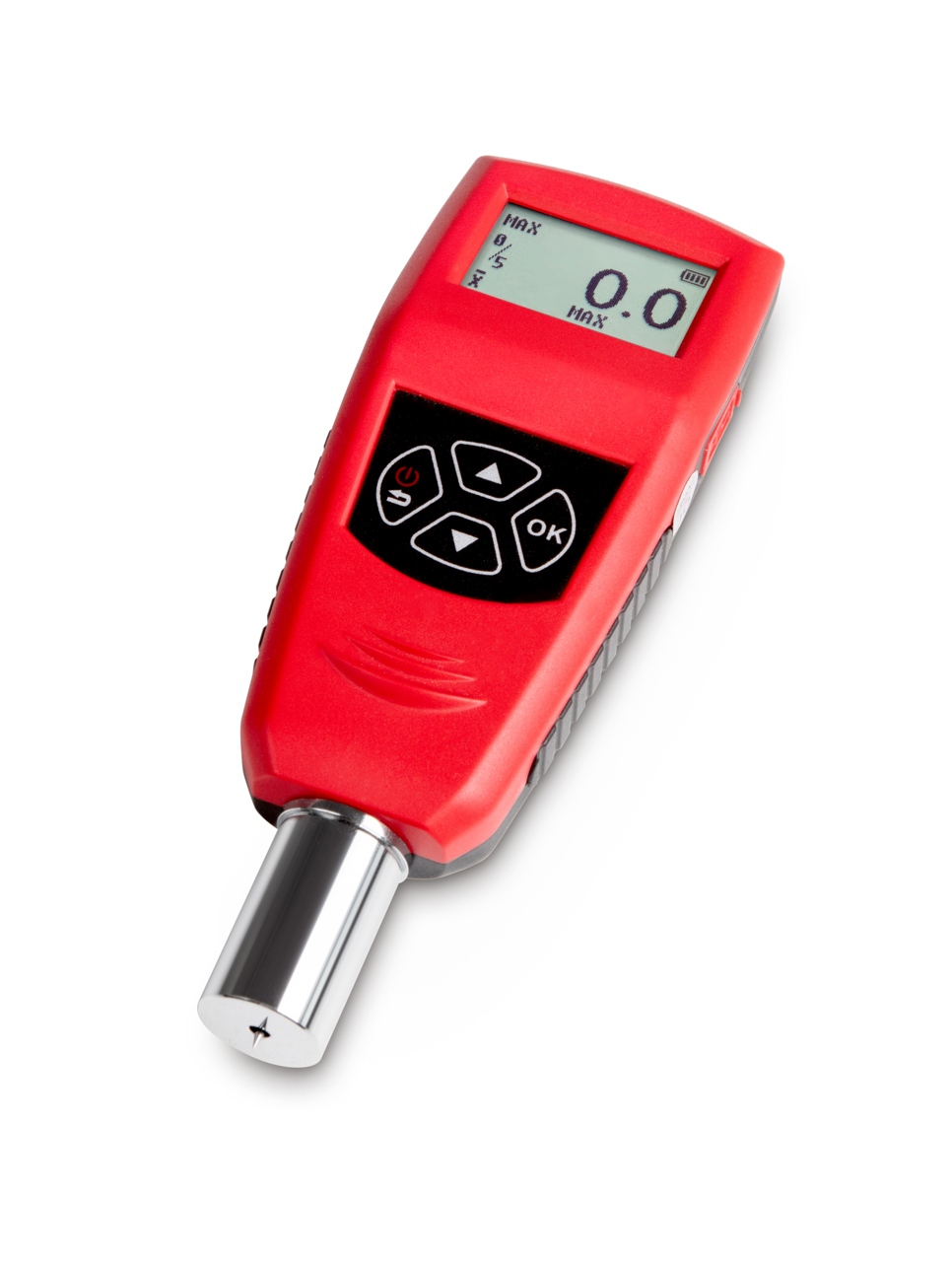
Sauter HE Digital Shore Hardness TesterSauter HE Digital Shore Hardness Tester
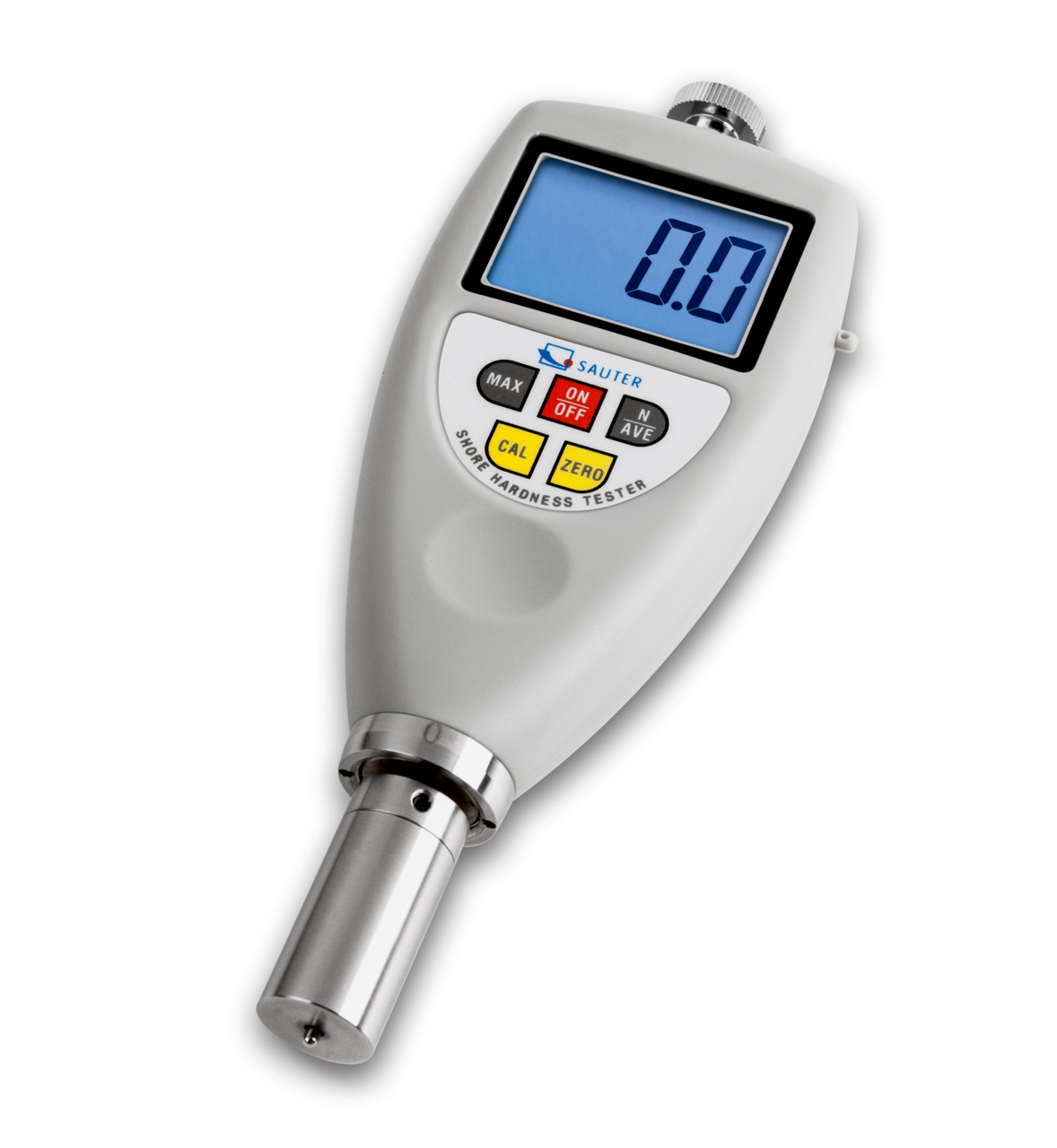
Sauter HD Digital Shore Hardness Tester
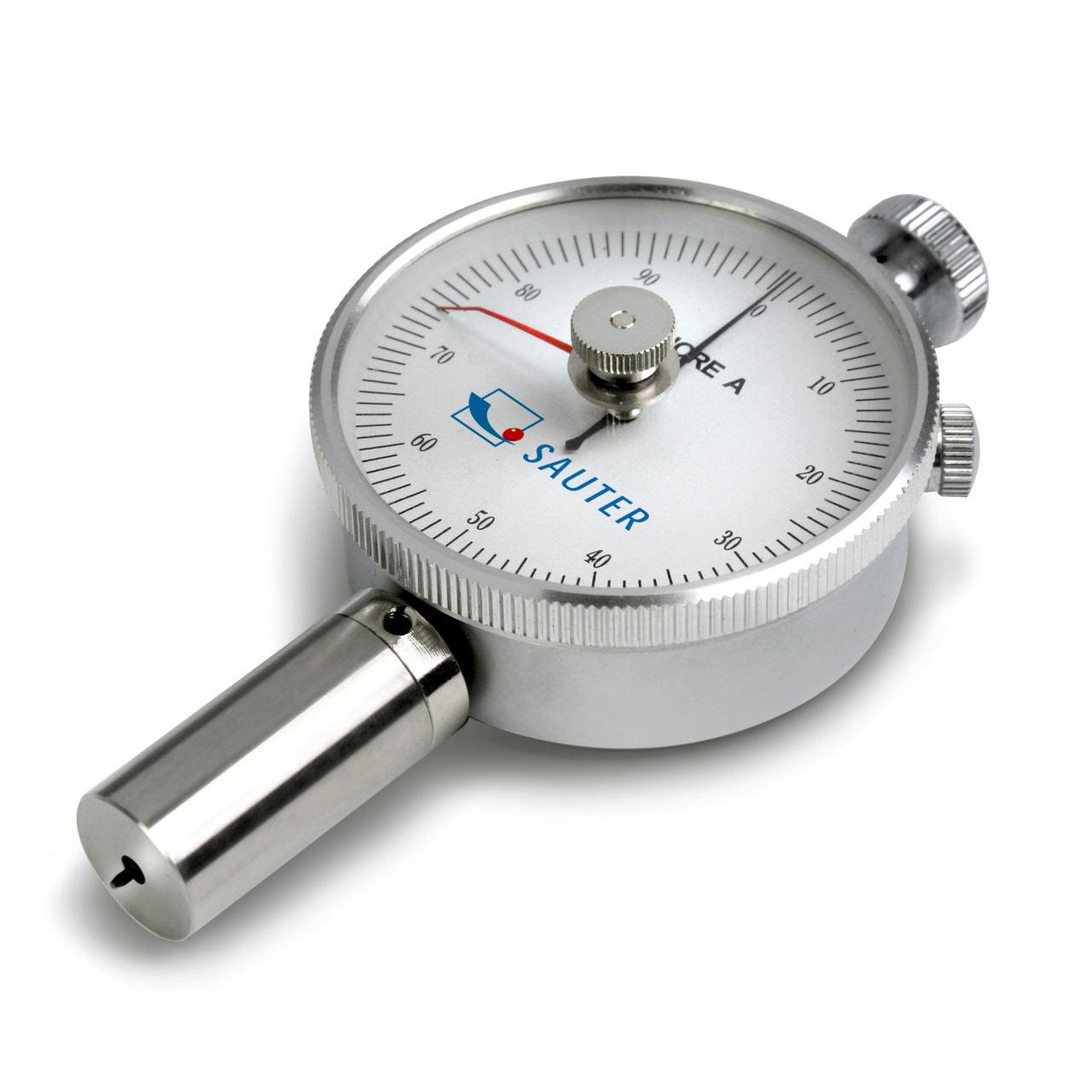
Sauter HB Analogue Shore Hardness Tester
Sauter AHMR 01 Support Rings - GNW InstrumentationSauter AHMR 01 Support Rings - GNW Instrumentation
Sauter AHMR 01 Support Rings Sale price£325.00
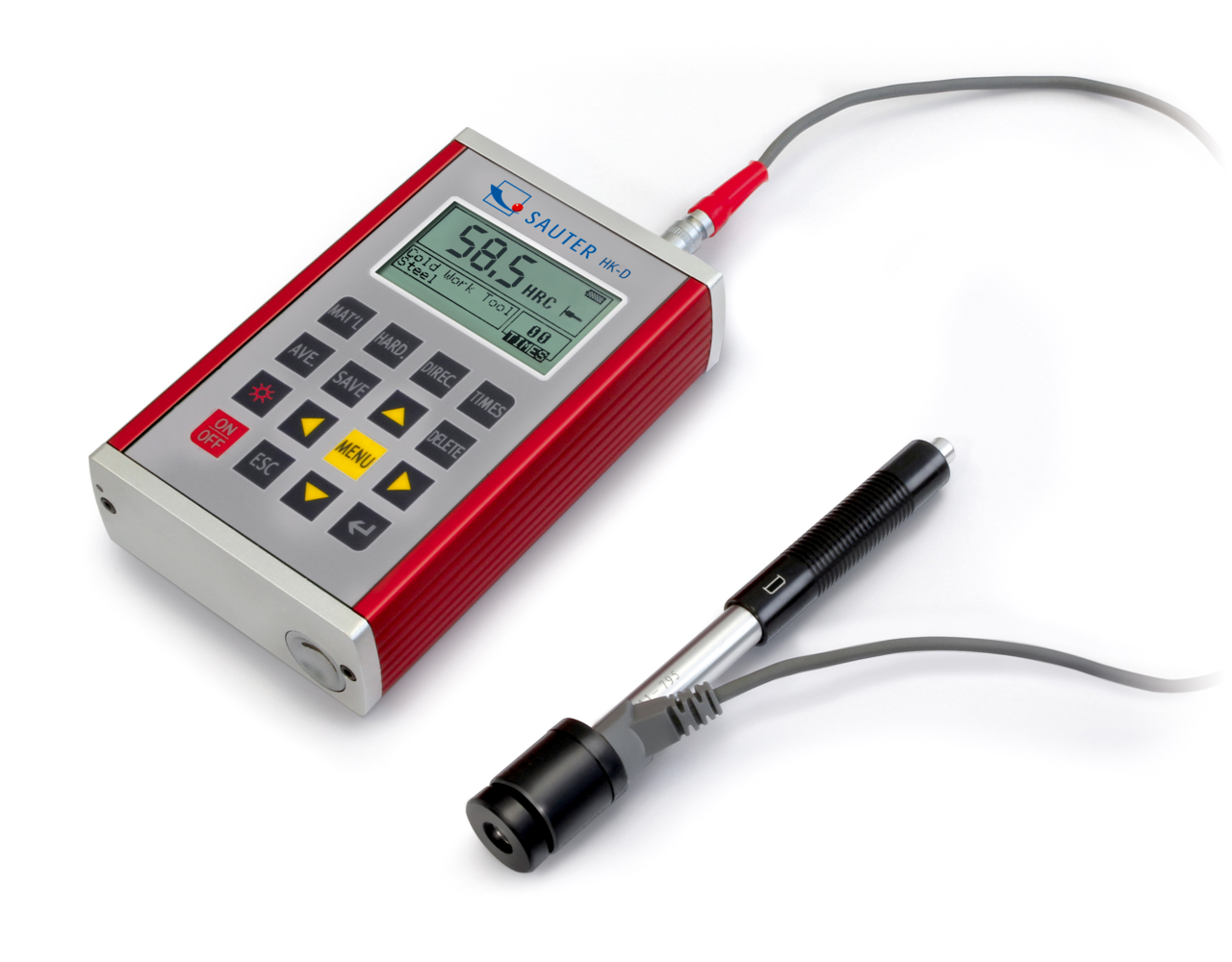
Kern HN-D Hardness TesterKern HN-D Hardness Tester
Sauter HK Leeb Hardness Tester
Sauter HK Leeb Hardness Tester Sale priceFrom £1,420.00
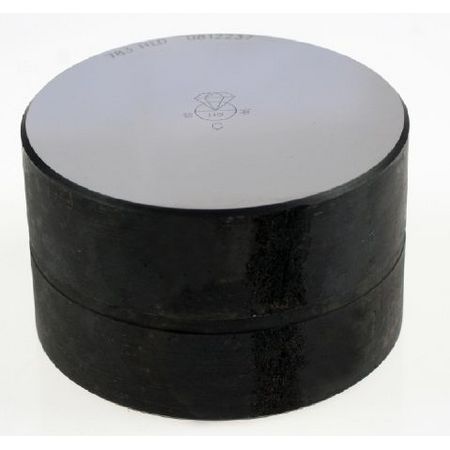
Sauter AHMO Hardness Test Block
Sauter AHMO Hardness Test Blocks Sale priceFrom £164.00
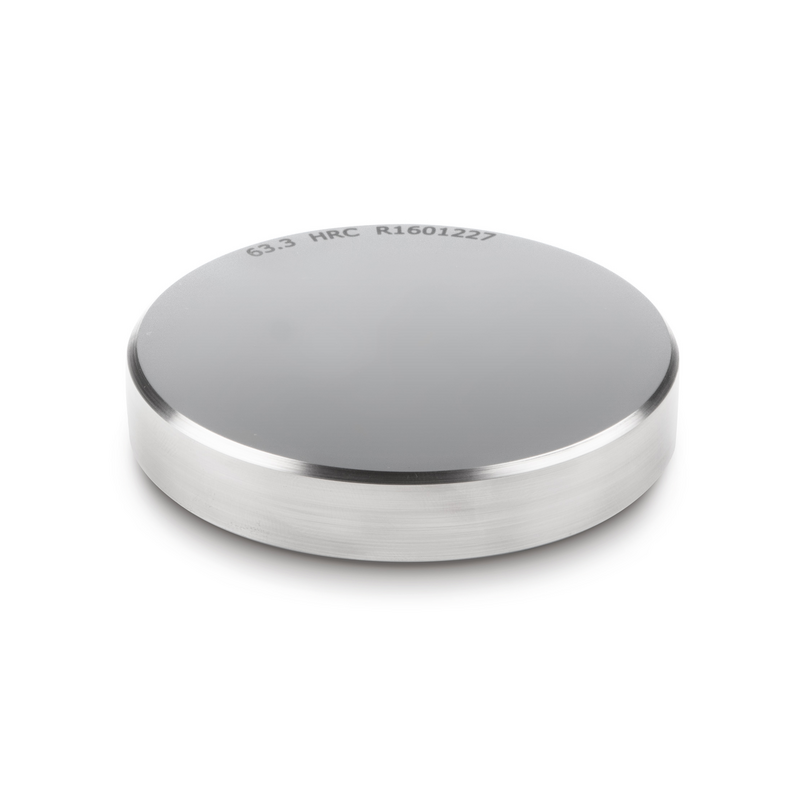
Sauter HO HRC Hardness Test Blocks - GNW Instrumentation

Further Reading

Understanding Hardness Testing Methods

Hardness testing methods vary depending on the material being tested, the required accuracy and the testing environment. Shore hardness testing is commonly used for softer non-metallic materials including rubber, plastics and elastomers, while Leeb hardness testing is primarily used for metals and heavy industrial components.

Portable hardness testers are widely used within manufacturing and maintenance environments because they allow fast, non-destructive material testing without removing components from service. Many modern digital hardness testers provide automatic hardness conversion between multiple scales, helping simplify comparative testing and reporting.

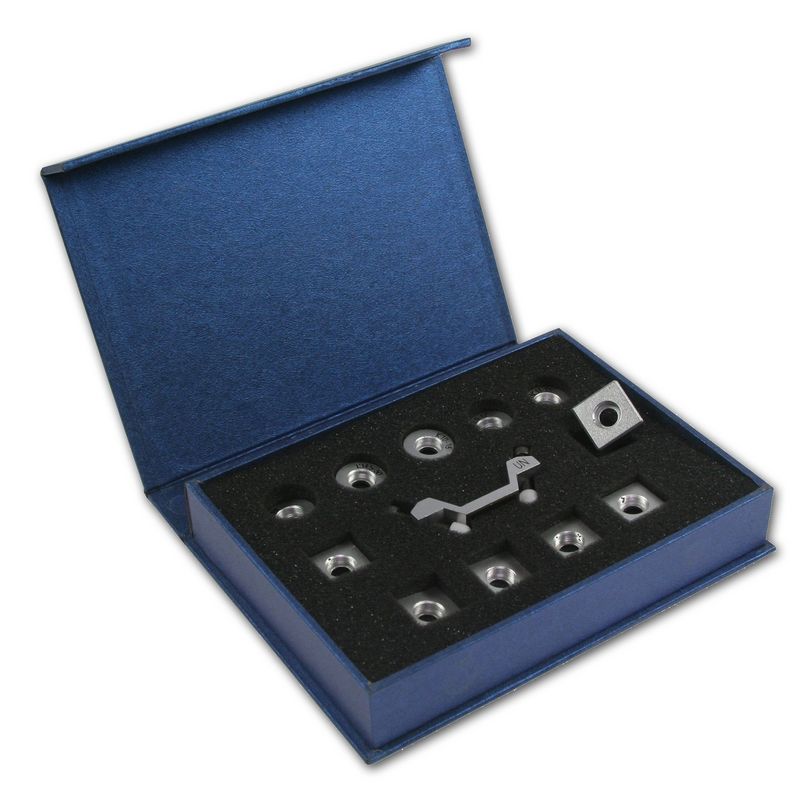
Hardness test blocks are commonly used for routine functional checks and verification of tester performance. Regular instrument verification helps support measurement consistency and can assist with internal quality procedures and calibration routines.

When selecting a hardness tester, considerations typically include material type, hardness scale, portability requirements, test method, accuracy and environmental conditions. Choosing the correct instrument helps improve testing repeatability and ensures the tester is suitable for the intended application.

Shore hardness testing

Shore durometers are designed for testing rubber, elastomers, plastics, foam and similar non-metallic materials using Shore A, Shore D and Shore A0 scales.

Leeb metal hardness testing

Leeb hardness testers use rebound measurement methods for portable testing of metals including steel, aluminium and alloys in workshop and field environments.

Hardness test block verification

Reference blocks and comparison plates are used to verify instrument performance and support routine hardness tester checking procedures.

Learn more

Industrial hardness testing applications

Hardness testers are used across manufacturing, engineering, inspection and quality control environments where material hardness, consistency and wear resistance must be verified.

Rubber and plastics testing

Shore hardness testers are commonly used for testing rubber, elastomers, plastics, foam, silicone and polymer-based materials within production and quality control applications.

Metal hardness inspection

Portable Leeb hardness testers are widely used for hardness testing of steel, aluminium and metal components in fabrication, machining, maintenance and field inspection environments.

Quality control and verification

Hardness test blocks and reference plates support internal instrument checks, operator training and comparative verification procedures within laboratories and production facilities.

How to choose hardness testers

The correct hardness tester depends on the material type, required hardness scale, portability requirements and the testing environment.

Select the correct hardness scale

Choose Shore A, D or A0 scales for non-metallic materials such as rubber, foam and plastics. For metals and alloys, portable Leeb hardness testers are commonly used for field and workshop testing.

Consider the testing environment

Portable hardness testers are useful for field inspection, installed machinery and large components where bench testing is impractical. Laboratory and production environments may require higher precision or fixed testing arrangements.

Check verification and calibration requirements

Many industries require routine verification and traceable calibration procedures. Hardness test blocks and optional ISO calibration certificates can help support quality management systems and internal testing procedures.

Review material suitability

Review material suitability

FAQs for Hardness Testers

Common questions about Hardness Testers focus on measurement methods and accuracy