
Load Cells

Load cells measure weight or force in platforms, tanks, hoppers, machinery and other process equipment. They provide the signal used by the rest of the weighing system to calculate, display or control the measured load.

This Laumas range covers compression, tension, beam, column and specialist designs. Choose the format around the direction of the load, working capacity, mounting arrangement, site conditions and the electronics already in use.

Filters

Sort by:

45 products

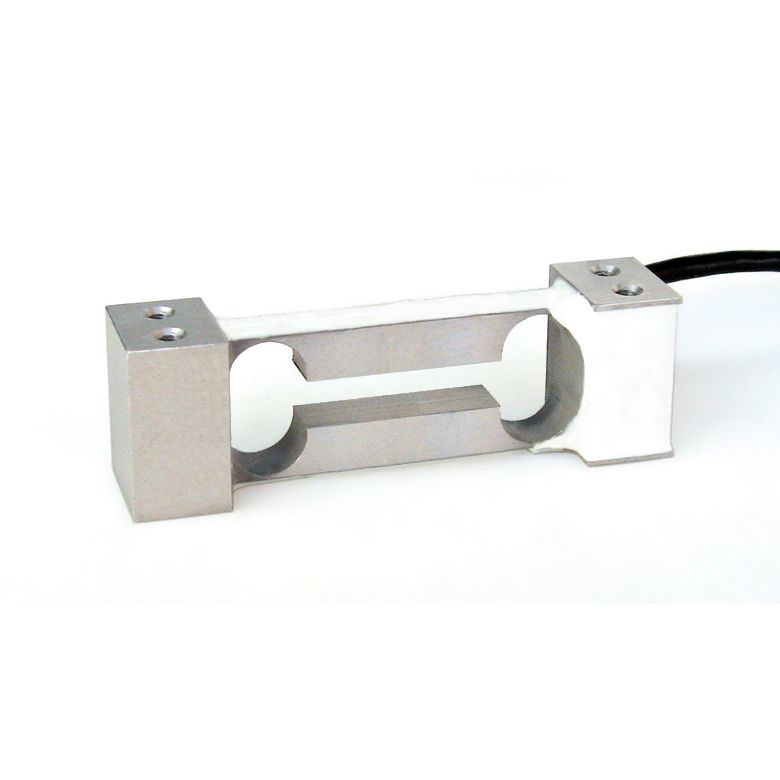
Laumas PRC Single Point Load Cell
Laumas PRC Single Point Load Cell Sale priceFrom £110.00
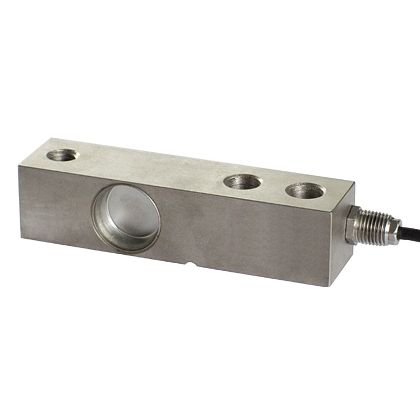
Metallic laumas ftk shear beam load cell sensor on a white background
Laumas FTK Shear Beam Load Cell Sale priceFrom £143.00
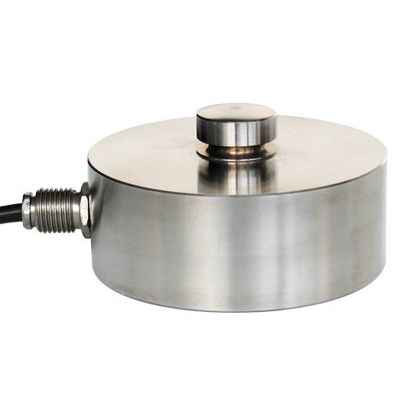
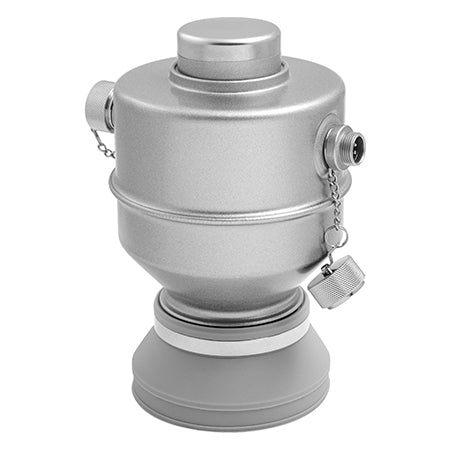
Laumas CBL Compression Load Cell
Laumas CBL Compression Load Cell Sale priceFrom £286.00
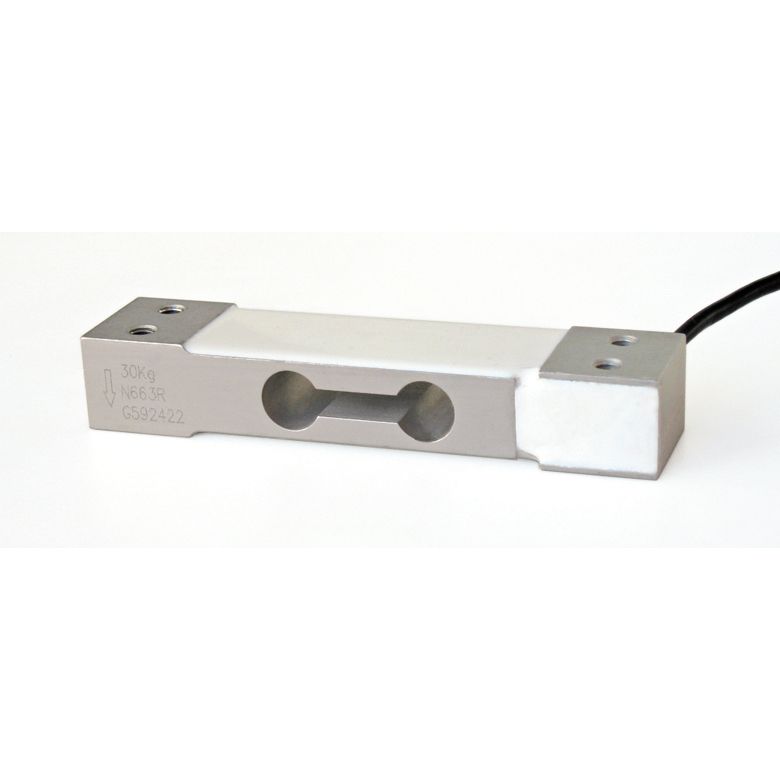
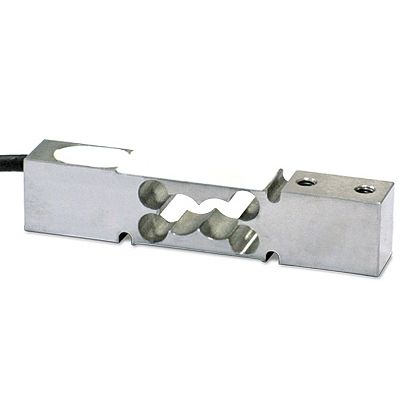
Laumas ALL Single Point Load Cell
Laumas ALL Single Point Load Cell Sale priceFrom £77.00
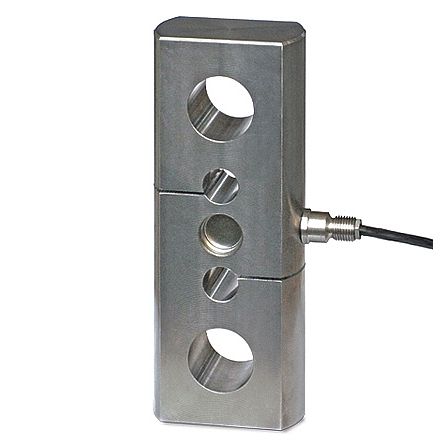
Laumas TAL Tension Load Cell
Laumas TAL Tension Load Cell Sale priceFrom £611.00
Laumas SL Tension Load Cell
Laumas SL Tension Load Cell Sale priceFrom £154.00
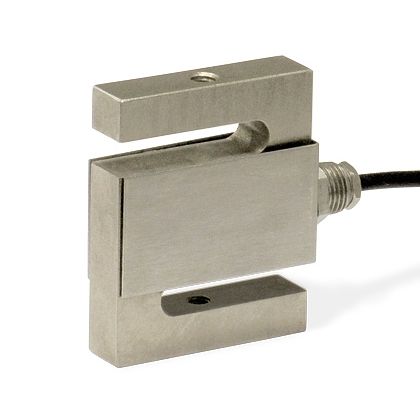
Laumas SA Tension Load Cell
Laumas SA Tension Load Cell Sale priceFrom £220.00
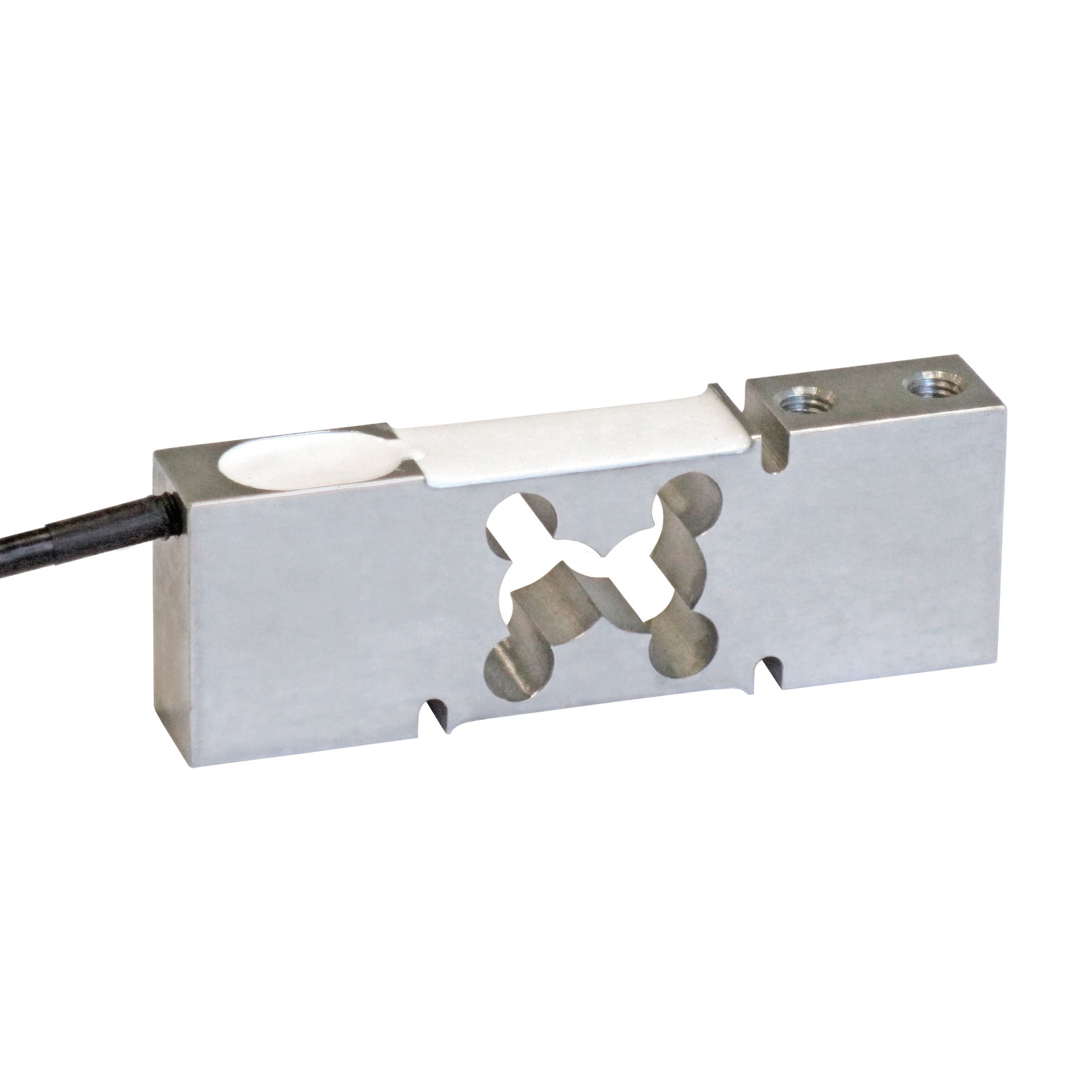
Laumas PTC Single Point Load Cell
Laumas PTC Single Point Load Cell Sale priceFrom £165.00
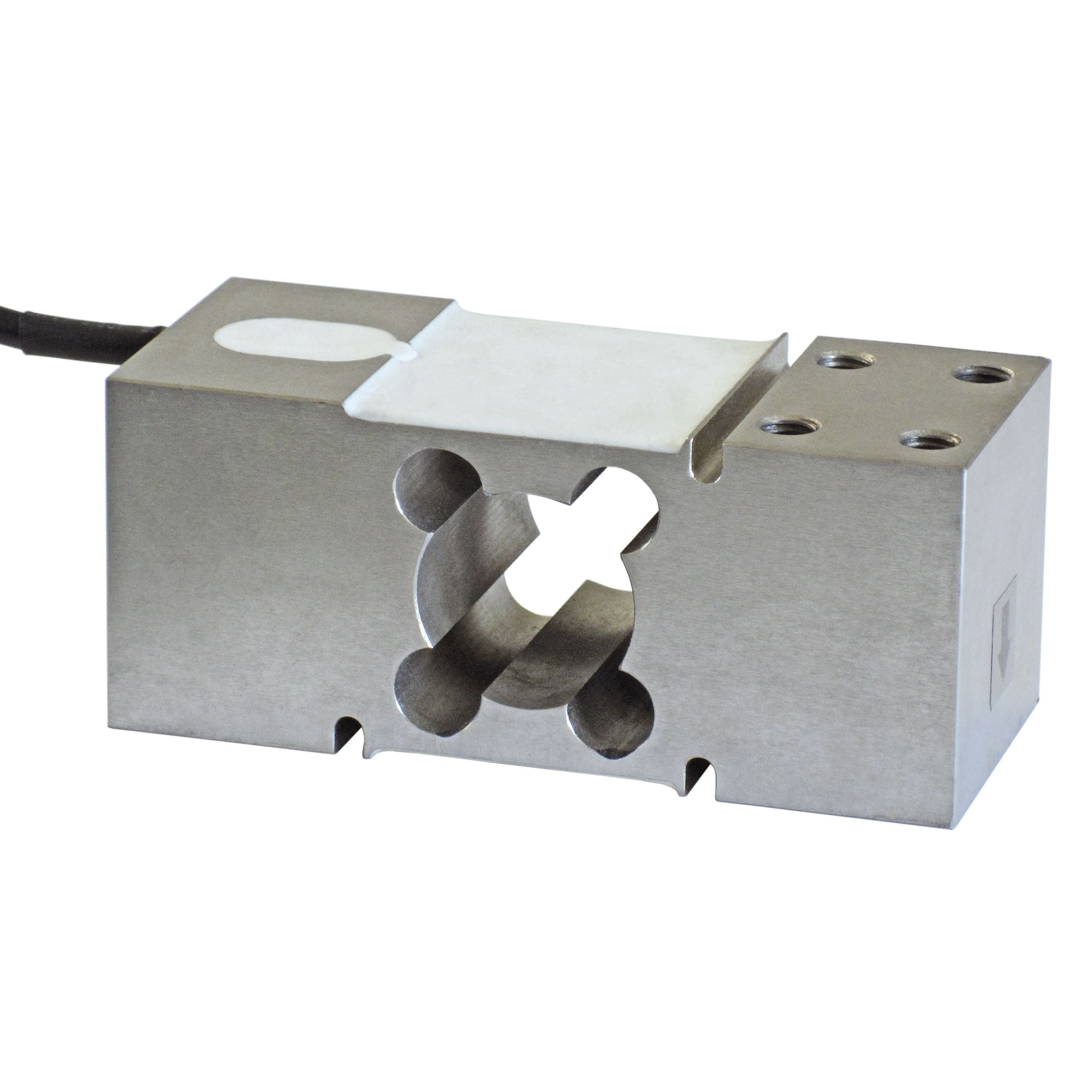
Laumas PEC Single Point Load Cell
Laumas PEC Single Point Load Cell Sale priceFrom £259.00
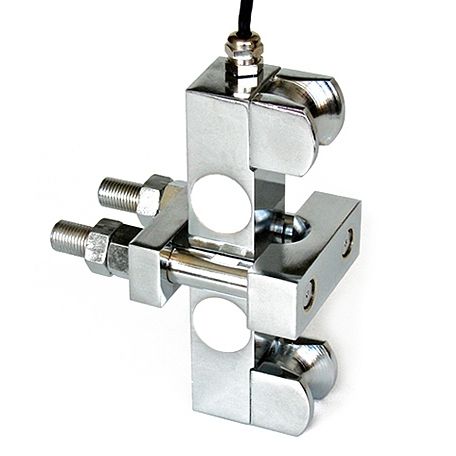
Laumas FUN Wire Tension Load Cell
Laumas FUN Wire Tension Load Cell Sale priceFrom £297.00
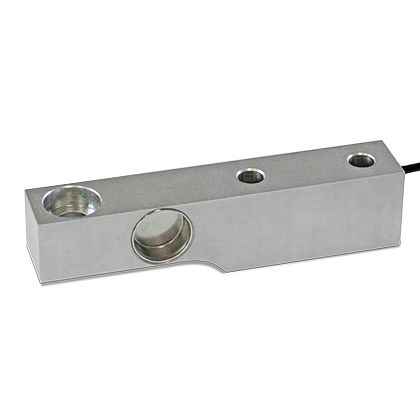
Laumas FTZA Shear Beam Load Cell
Laumas FTZA Shear Beam Load Cell Sale priceFrom £275.00
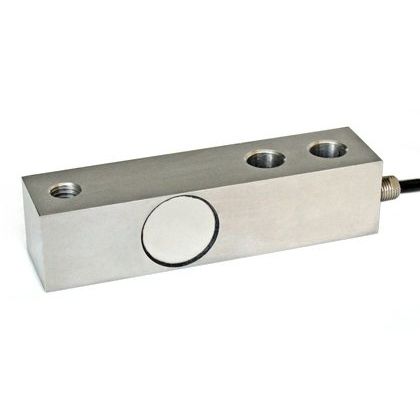
Laumas FTZ Shear Beam Load Cell
Laumas FTZ Shear Beam Load Cell Sale priceFrom £198.00
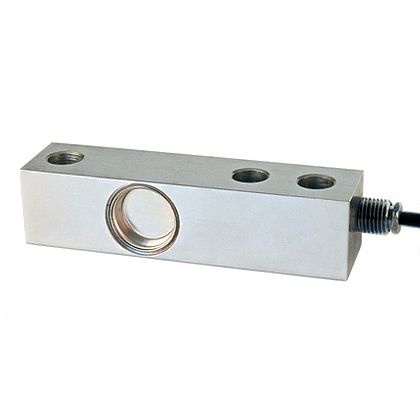
Laumas FTP Shear Beam Load Cell
Laumas FTP Shear Beam Load Cell Sale priceFrom £176.00
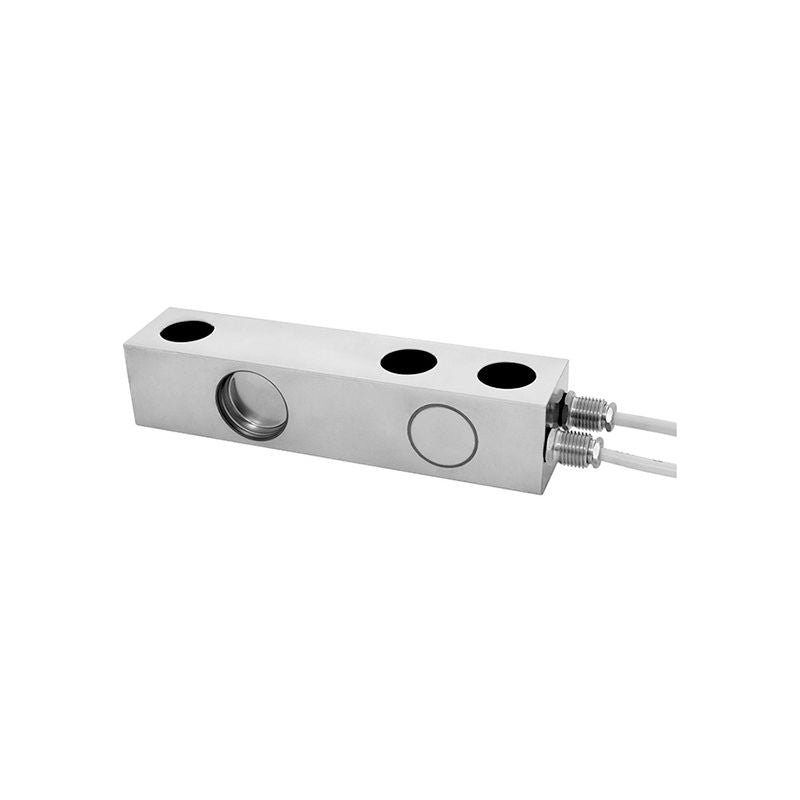
Laumas FTP DOP Shear Beam Load Cell
Laumas FTP DOP Shear Beam Load Cell Sale priceFrom £198.00
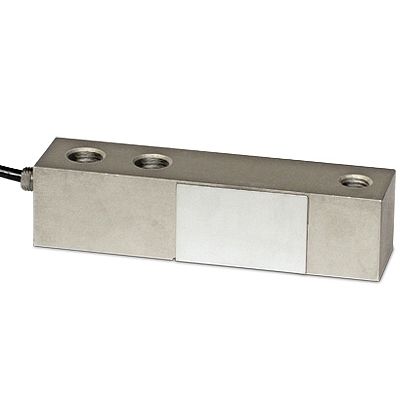
Laumas FTKL Shear Beam Load Cell
Laumas FTKL Shear Beam Load Cell Sale priceFrom £176.00
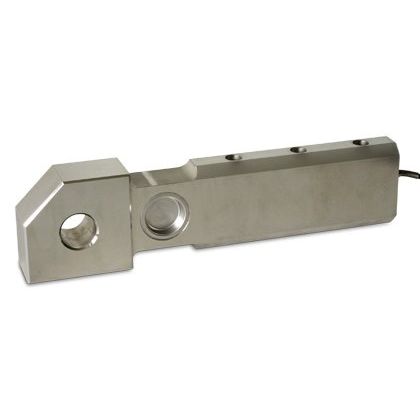
Laumas FTH Shear Beam Load Cell
Laumas FTH Shear Beam Load Cell Sale priceFrom £600.00
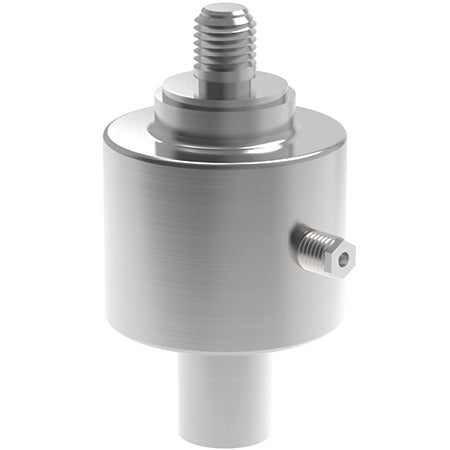
Laumas FLC Compression Load CellAlternative view of the Laumas FLC Compression Load Cell
Laumas FLC Compression Load Cell Sale priceFrom £270.00
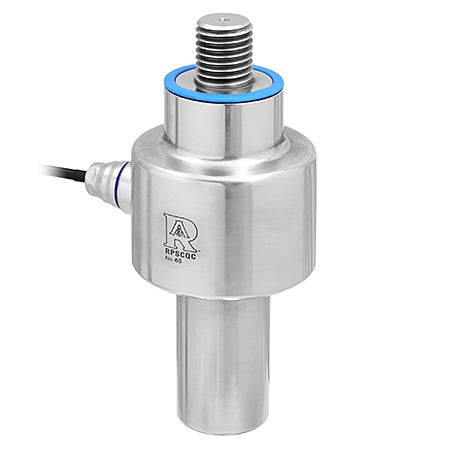
Laumas FLC 3A Compression Load CellAlternative view of the Laumas FLC 3A Compression Load Cell
Laumas FLC 3A Compression Load Cell Sale priceFrom £610.00
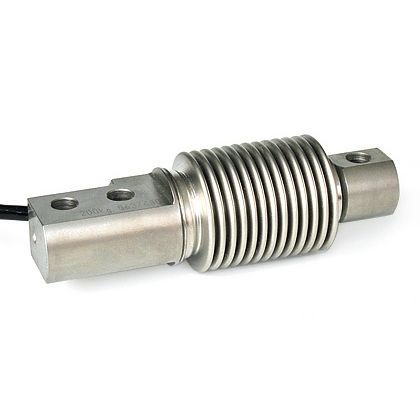
Laumas FCOL Bending Beam Load Cell
Laumas FCOL Bending Beam Load Cell Sale priceFrom £204.00
Laumas FCK Bending Beam Load Cell
Laumas FCK Bending Beam Load Cell Sale priceFrom £204.00
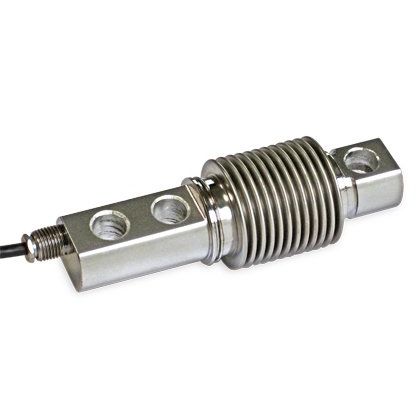
Laumas FCAX Shear Beam Load Cell
Laumas FCAX Shear Beam Load Cell Sale priceFrom £231.00
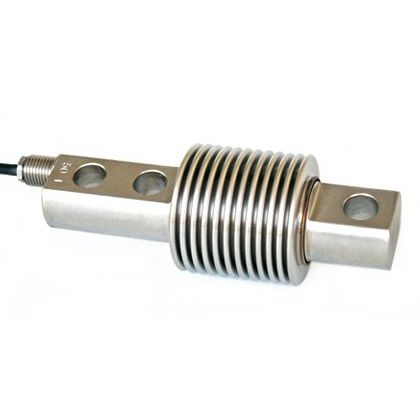
Laumas FCAL Bending Beam Load Cell
Laumas FCAL Bending Beam Load Cell Sale priceFrom £264.00
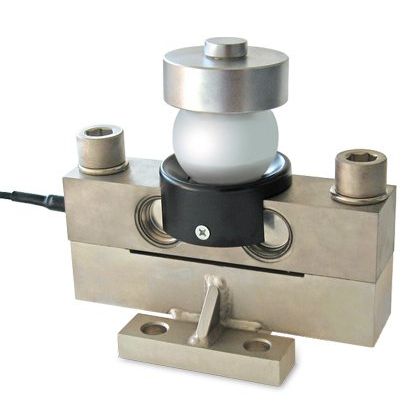
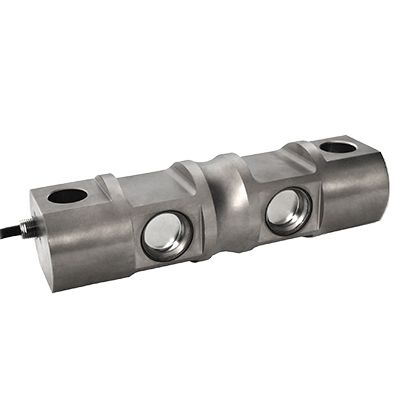
Laumas DTX Double Shear Beam Load Cell
Laumas DTL Double Shear Beam Load Cell

Further Reading

Load cell selection guide

A load cell turns an applied force into an electrical signal that a weight indicator, transmitter or control system can use. The correct design depends on how the load reaches the sensor, the available space, the required capacity and how the reading will be displayed or passed to the wider process.

Compression, tension, shear beam, bending beam, single-point, column, double shear beam and digital models are intended for different mechanical layouts. A platform scale, for example, places very different demands on a sensor from a suspended vessel, large silo or weighbridge.

For a replacement, compare the mounting dimensions, load direction, capacity, output, cable arrangement and environmental rating with the existing unit. Choosing suitable mounting hardware and compatible electronics will make installation, calibration and future servicing more straightforward.

Mechanical compatibility

Choose the load cell format to suit the installation, including compression, tension, shear beam, single point or column arrangements. Correct mounting helps maintain the intended load path and measurement performance.

System integration

The signal needs suitable electronics to turn it into a usable weight reading or process value. Check the indicator, transmitter, junction box and control-panel connections, along with calibration access and the output required by the wider system.

Replacement and upgrades

For maintenance stock or retrofit work, check capacity, mounting centres, physical envelope, cable route and compatibility with existing weighing electronics before selecting a replacement component.

Learn more

Industrial weighing applications

Load cells are found anywhere weight or force needs to be measured as part of production, storage or material handling. Common examples include tanks, hoppers, platform scales, suspended vessels and purpose-built machinery.

Tank and hopper weighing

Compression and shear beam designs are commonly fitted beneath vessels, hoppers and silos. With the correct mounting assemblies, they can provide weight information for batching, stock control and day-to-day process monitoring.

Platform and bench scales

Single-point and beam-type load cells work well in compact platforms. Their design helps maintain a consistent reading when an item is not placed exactly in the centre of the weighing surface.

Suspended load measurement

Where the load hangs from the sensor or pulls directly through it, a tension load cell is usually the appropriate choice. Typical uses include suspended vessels, hanging scales and in-line force measurement.

OEM machinery and process equipment

Load cells can be built into production machinery, filling equipment and automated handling systems where weight or force needs to be measured as part of the process. Check the available space, mounting arrangement, working capacity and connection to the machine’s control system before choosing a model.

How to choose load cells

Start with the way the force passes through the equipment, then check capacity, mounting space, site conditions and compatibility with the weighing electronics. These points will usually narrow the choice to the most suitable load-cell design.

Check load direction

Identify whether the application measures compression, tension, bending or shear force. The load cell type must match the way force is applied through the structure.

Match capacity and layout

Select a capacity suited to the working load, tare weight and number of supports. Also check mounting centres, fixing method, available space and mechanical stops where fitted.

Consider the environment

Review exposure to dust, moisture, vibration, temperature changes, chemicals and cleaning processes. Select materials and installation hardware appropriate to the site conditions where specified.

Confirm electronics compatibility

Ensure the load cell can be used with the selected weight indicator, transmitter, junction box or control system. Consider calibration access, cable routing and signal conditioning requirements.

Load cell FAQs

The answers below cover the points buyers most often need to check when selecting a new load cell or finding a suitable replacement.