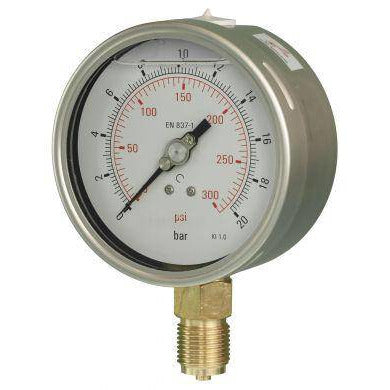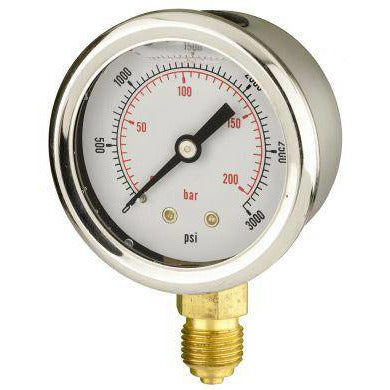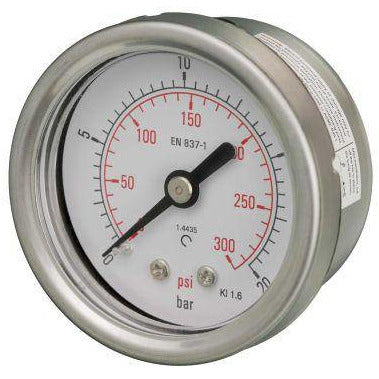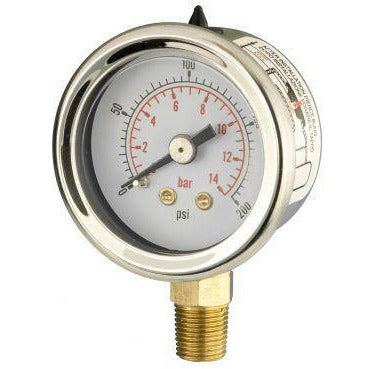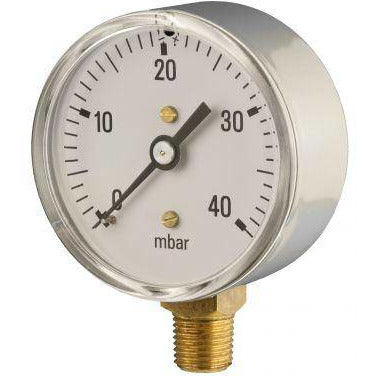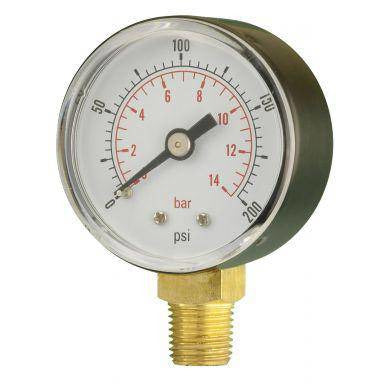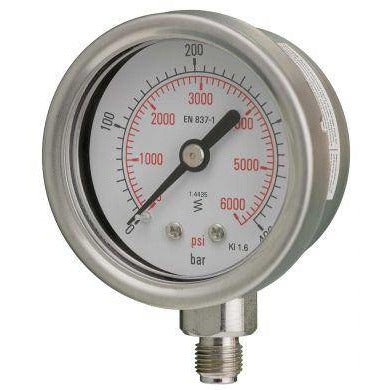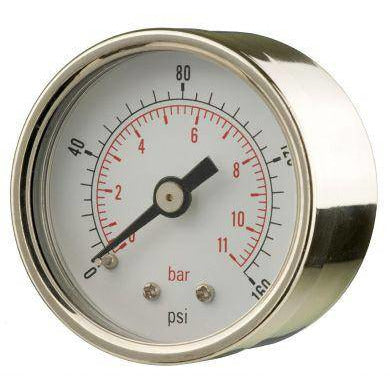
Pressure Gauges
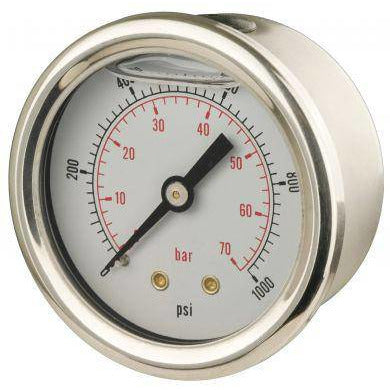
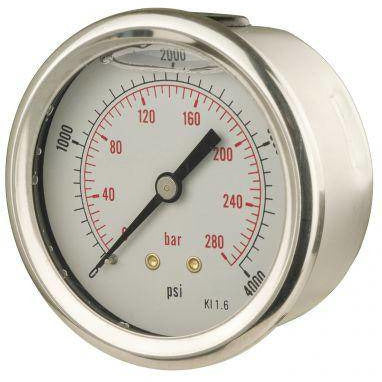
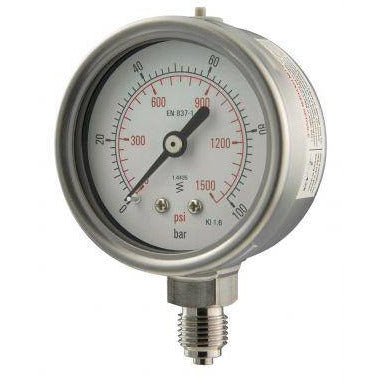
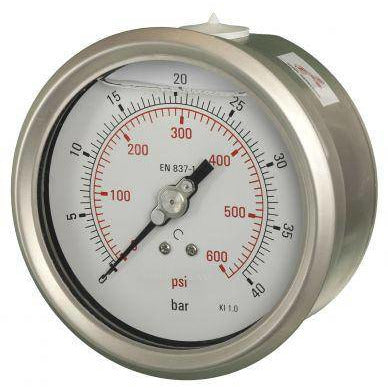
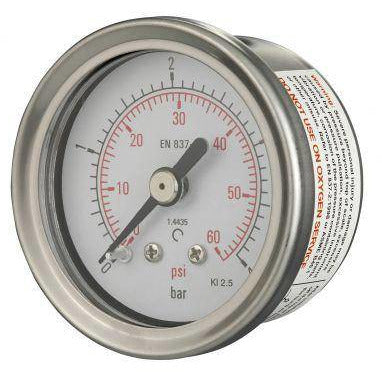
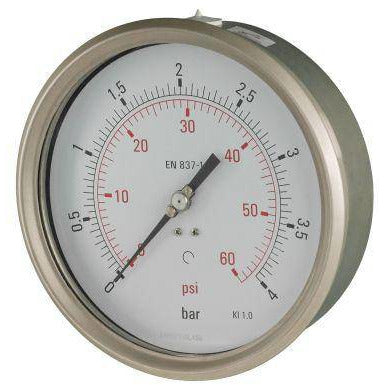
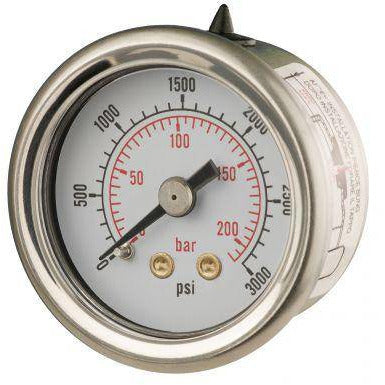
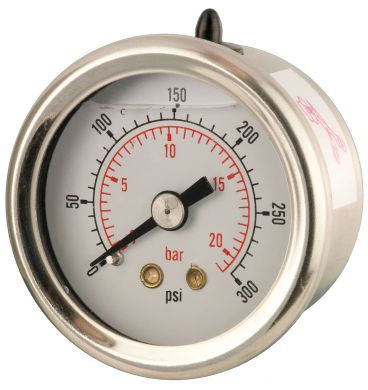
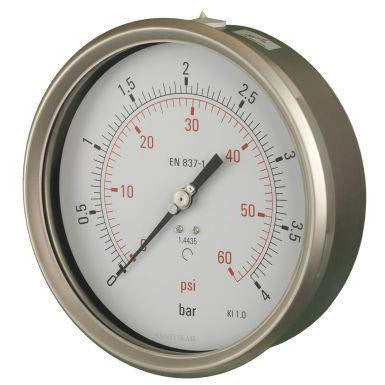
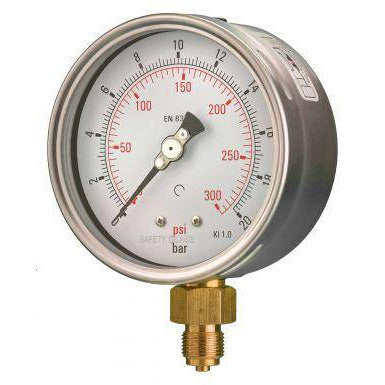
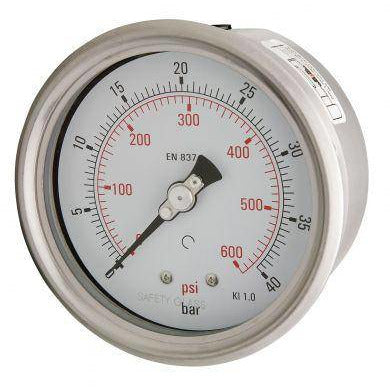
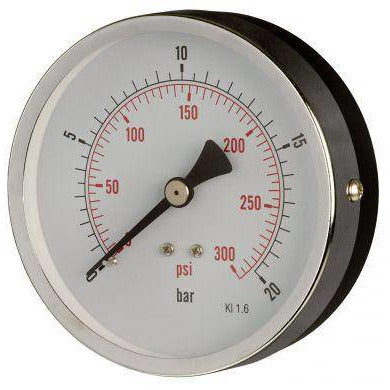
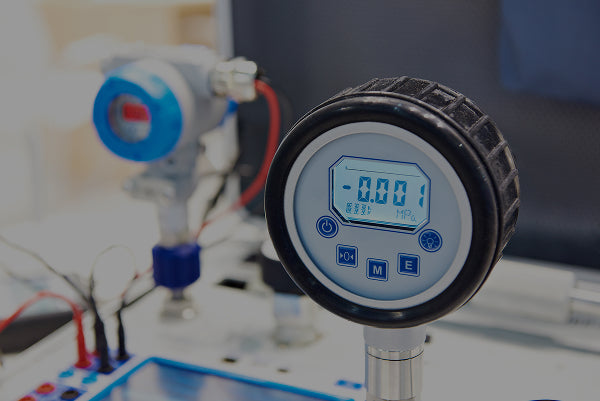
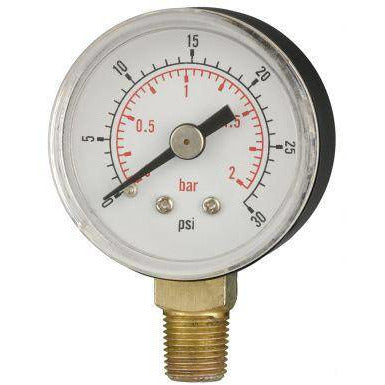
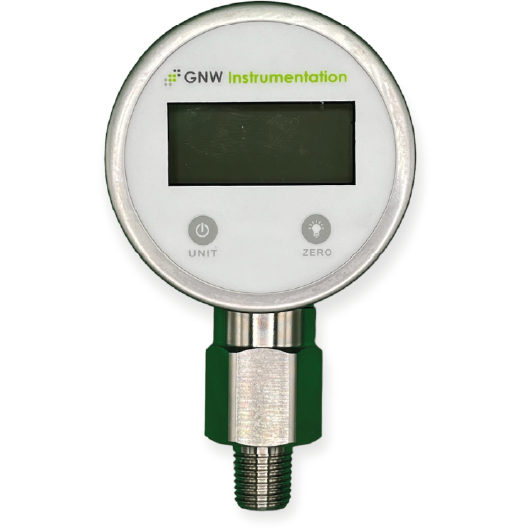
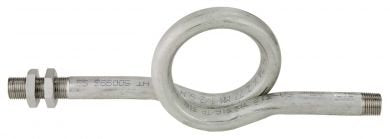
Pressure gauges are essential instruments for monitoring and controlling pressure within hydraulic, pneumatic, process and industrial systems. This collection includes digital pressure gauges, general purpose gauges, industrial gauges, glycerine filled gauges, stainless steel gauges and specialist pressure measurement accessories for a wide range of industrial applications.
Filters
51 products
Professional Pressure Gauges for Industrial & Process Applications
Pressure gauges are widely used throughout manufacturing, engineering, HVAC, utilities, oil and gas, food production, marine and process industries for accurate local pressure indication and system monitoring. From simple workshop air systems through to demanding process installations, pressure gauges provide reliable visual indication of system pressure to support safe operation, maintenance and process control.
This collection includes a comprehensive range of analogue and digital pressure gauges suitable for pneumatic, hydraulic, vacuum and process measurement applications. Available in multiple dial sizes, pressure ranges and connection configurations, these gauges are designed for use across both general industrial duties and more demanding environments requiring vibration resistance, corrosion protection or hygienic construction.
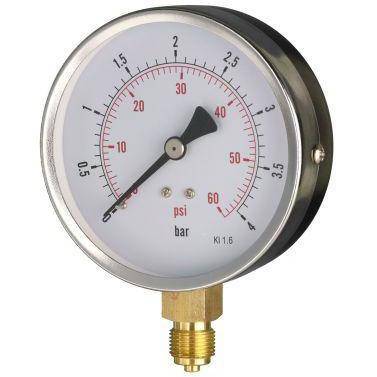
General purpose pressure gauges are commonly used within air, water, pneumatic and clean hydraulic systems where cost-effective and dependable pressure indication is required. These gauges are widely used on compressors, pumps, HVAC equipment, workshop machinery and OEM equipment builds. Available in sizes from 40mm through to 160mm, they provide clear and practical pressure monitoring for everyday industrial use.
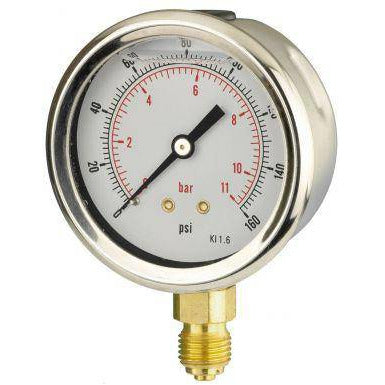
Industrial pressure gauges are designed for tougher service conditions where vibration, pulsation or heavier operating demands can reduce the lifespan of standard gauges. Stainless steel cases, improved durability and optional glycerine filling help improve reliability within manufacturing, process and heavy industrial environments. Glycerine filled gauges dampen internal movement to improve readability and reduce wear caused by vibration or rapid pressure fluctuation.
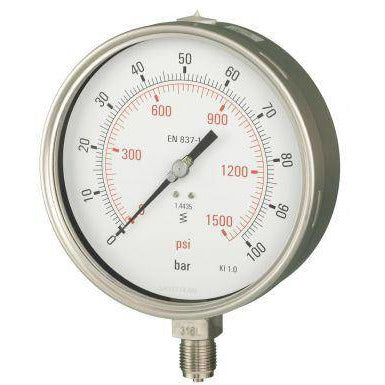
All stainless steel pressure gauges are commonly used within food production, pharmaceutical, petrochemical and corrosive process environments where improved media compatibility and corrosion resistance are required. Many models are available dry or glycerine filled and can be supplied with removable bezels to support future maintenance and recalibration.
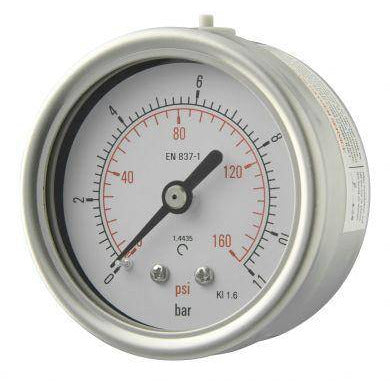
Pressure gauges are available with bottom entry and back entry configurations alongside multiple mounting styles including direct, panel and surface mounting options. Standard BSP and NPT thread connections are available across a wide range of vacuum and pressure scales, including compound ranges and high-pressure industrial applications.
Modern pressure measurement systems are widely used because they provide simple, reliable and cost-effective monitoring across critical industrial systems. Selecting the correct pressure gauge helps improve operational safety, measurement reliability and long-term equipment performance.
Further Reading
Understanding Pressure Gauge Selection
Pressure gauges are mechanical or digital instruments used to measure the pressure of gases and liquids within industrial systems. Most analogue industrial pressure gauges use a Bourdon tube sensing element, where internal pressure causes movement within the tube that is translated into a dial reading. Bourdon tube pressure gauges remain widely used because of their reliability, simplicity and suitability for a broad range of industrial applications.
Selecting the correct pressure gauge depends on several factors including pressure range, media compatibility, environmental conditions, vibration level and mounting arrangement. Choosing an unsuitable gauge can reduce accuracy, shorten service life and increase maintenance requirements.
General purpose pressure gauges are typically used for clean air, water and hydraulic systems where brass internals are suitable and operating conditions are relatively moderate. Industrial and stainless steel gauges are more appropriate for demanding environments involving vibration, corrosive media or harsher process conditions.
Glycerine filled pressure gauges are commonly selected for applications involving pulsation or vibration. The liquid fill dampens movement of the pointer and internal mechanism, improving readability while reducing mechanical wear within the gauge. These gauges are widely used on compressors, hydraulic systems and mobile plant equipment.
Pressure gauges are available in multiple dial diameters including compact 40mm and 50mm models for restricted installations through to large 160mm and 250mm gauges where enhanced visibility is required across plant environments. Bottom entry and back entry variants allow compatibility with different mounting arrangements and installation layouts.
Calibration and routine verification are important for maintaining reliable pressure indication within quality-controlled and safety-critical applications. Calibration certificates can often be supplied where traceability or documented verification is required.
General purpose pressure gauges
General purpose gauges are commonly used for standard pneumatic, hydraulic and HVAC systems where reliable everyday pressure indication is required.
Industrial and glycerine filled gauges
Industrial pressure gauges and glycerine filled variants are designed for harsher environments involving vibration, pulsation and demanding operating conditions.
Stainless steel pressure gauges
All stainless steel gauges provide improved corrosion resistance and are widely used within food processing, pharmaceutical and chemical applications.
Learn more
Pressure gauge applications
Pressure gauges are used across a wide range of industrial and commercial systems where pressure monitoring and process safety are essential.
Pressure gauges are widely used on hydraulic power units, compressed air systems, compressors and pneumatic equipment for routine pressure monitoring and fault diagnosis.
Industrial pressure gauges are commonly used within manufacturing plants, processing systems, utilities and machinery installations where stable and reliable pressure indication is required.
All stainless steel pressure gauges are frequently used within hygienic and corrosive environments requiring improved resistance to washdown conditions and aggressive process media.
How to choose a pressure gauge
Selecting the correct pressure gauge depends on the operating pressure, media type, environmental conditions and installation requirements.
Select a pressure gauge with a suitable operating range for the application. Running a gauge continuously near full scale can reduce service life and affect measurement reliability.
General purpose gauges are suitable for routine industrial duties, while stainless steel and glycerine filled gauges are better suited to corrosive, vibrating or demanding process environments.
Smaller gauges are useful for compact installations, while larger dial sizes improve readability within plant environments. Bottom entry and back entry variants support different installation layouts.
Check that the gauge materials are compatible with the process media. Brass internals are commonly used for standard duties, while stainless steel wetted parts provide improved chemical resistance.
Pressure Gauge FAQs
Choosing the correct pressure gauge depends on the application, pressure range, process media and environmental conditions. Below are answers to some common questions relating to industrial pressure gauges and pressure measurement systems.
What is a pressure gauge used for?
A pressure gauge is used to measure and display the pressure of gases or liquids within hydraulic, pneumatic and process systems.
What is the difference between dry and glycerine filled pressure gauges?
Dry gauges contain air internally, while glycerine filled gauges use liquid filling to reduce pointer vibration and improve stability in demanding environments.
When should stainless steel pressure gauges be used?
Stainless steel pressure gauges are commonly used within corrosive, hygienic or washdown environments such as food production, pharmaceutical and chemical processing applications.
Do pressure gauges require calibration?
Regular calibration and verification are recommended where accurate pressure indication is important for quality systems, safety procedures or process control applications.