

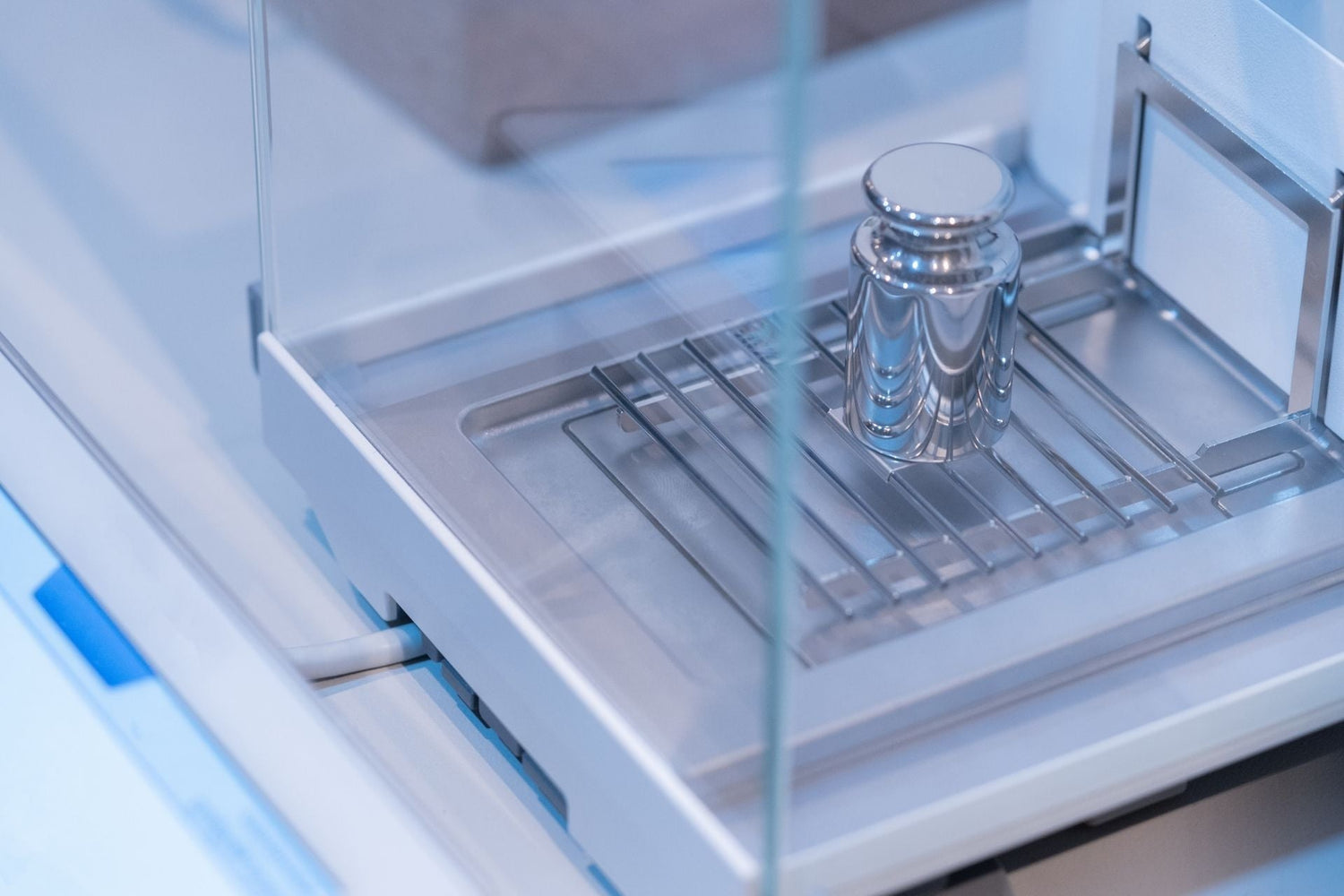
Pull out the calibration certificate for your analytical balance. If it shows a pass/fail result and nothing else, it failed to meet the current standard before you finished reading this sentence.
USP Chapters 41 and 1251 were revised with effect from 1 February 2026. The change has been called the most significant update to pharmaceutical weighing standards in over a decade. The core requirement is this: a calibration certificate must now document total measurement uncertainty and the conformity decision rule applied. A statement that the balance read within tolerance is not enough. It has never described what the balance actually does under your laboratory conditions, and the updated standard has formalised that gap.
For labs operating under GLP, GMP, ISO 17025, or pharmaceutical licensing, this is an active compliance gap right now. Many facilities have not caught up yet.
What the Certificate Now Has to Show
Four things must appear on a compliant calibration certificate under the revised USP 41. First, actual measurement uncertainty values. Not a confirmation that the balance is within tolerance, but the calculated uncertainty figure derived from the specific test conditions, the instrument used, and the environment in which it operates. Second, the conformity decision rule, a documented explanation of how measurement uncertainty was factored into the pass/fail determination. A balance sitting right at the tolerance edge looks different depending on whether the uncertainty budget has been applied correctly.
Third, risk-justified calibration frequency. A fixed annual calibration schedule with no documented rationale behind it is not defensible under the revised standard. The frequency needs to be justified based on how the balance is used, how often, and what it is measuring. A balance used daily for high-stakes pharmaceutical weighing needs a different justification than one used weekly for routine checks. Fourth, the calibration must cover the full operating range used in the laboratory, not a single midpoint. If your routine work spans 50mg to 200g, a single-weight calibration check does not represent that range.
What Measurement Uncertainty Actually Means
Measurement uncertainty is not a single number from a single test. It is a composite figure calculated from multiple contributing sources. Balance repeatability is one component. Reference weight calibration uncertainty is another. Display resolution effects and environmental influences, including temperature change, vibration, and air movement at the actual point of use, all feed into the total.
This matters because a certificate produced in a calibration technician's controlled lab environment does not document the uncertainty of your balance on your bench. Your weighing environment has different drafts, different vibration, different ambient temperature variation. The 2026 standard pushes labs toward demonstrating measurement uncertainty under actual operating conditions, not ideal ones. A balance placed next to an HVAC duct or within range of a fume hood is a different instrument from the same model sitting on a vibration-damped bench in a climate-controlled room. The certificate needs to reflect which one you actually have.
The Minimum Weight Problem That Catches Labs Out
Minimum weight is the smallest quantity a balance can weigh while maintaining acceptable relative uncertainty. The calculation is straightforward: take twice the standard deviation of ten replicate weighings at the same load and divide by 0.001. A balance producing a standard deviation of 0.12mg cannot reliably weigh anything below 240mg to USP 41 tolerance. Many labs have been running samples below their balance's actual minimum weight without realising it, and the 2026 revision makes this auditable.
The additional change is the one that causes the most problems. Minimum weight must now be verified using the actual tare vessel used in routine work, not a substitute container. If your calibration was performed with an empty pan and your daily process involves weighing into a 50ml glass beaker, the minimum weight study does not reflect your operating conditions. The study needs to be repeated with the beaker. Most labs have not done this.
The Four Audit Red Flags
2. Minimum weight study performed with a different tare container than routine work uses
3. Fixed annual calibration schedule with no documented risk justification
4. Single-point calibration rather than full operating range verification
Any of the four will generate an observation in a pharmaceutical GMP audit. The first is the most common. Most third-party calibration providers that were issuing pass/fail certificates before February 2026 have not automatically updated their documentation format. It is worth contacting your calibration provider directly and confirming their certificate format reflects the current USP 41 requirements before your next audit cycle.
What Your Balance Needs to Support Compliance
The instrument has to produce the data the calibration process needs. A balance without internal calibration logging, data output, or the ability to run repeated weighing cycles and record standard deviation is harder to build a compliant certificate around. This is where the specification of the balance matters beyond the headline readability figure.
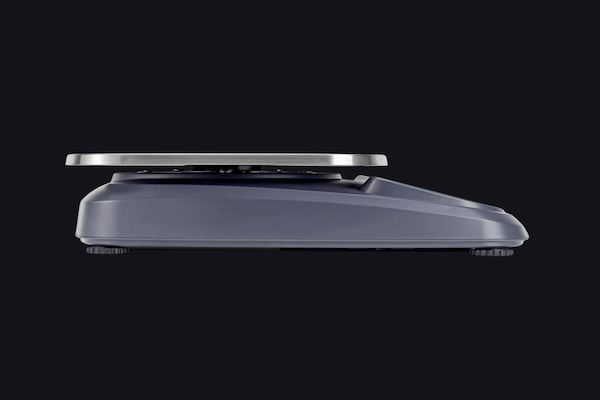
The Ohaus Explorer Semi-Micro Balance includes AutoCal internal calibration that triggers automatically on a 1.5°C temperature change or every three hours, whichever comes first. It stores data output via USB and RS-232, and the modular design means the terminal can be separated from the base to reduce vibration during critical weighing. The Ohaus Explorer Analytical range runs the same data architecture with readability from 0.1mg across higher capacity models.
The KERN ABP Analytical Balances use mono-block electromagnetic force compensation, which reduces mechanical drift and improves repeatability across the operating range. The FACT temperature-controlled automatic calibration means the balance adjusts as ambient conditions shift rather than holding a morning calibration value through a day of temperature variation. For minimum weight verification and uncertainty calculation, consistent repeatability between measurements is the variable that matters most, and the mono-block cell design addresses that directly.
Neither instrument replaces a properly conducted calibration by an accredited provider. But a balance that produces clean, consistent repeatability data, logs calibration events automatically, and outputs records in a format that feeds into your quality system makes building a compliant certificate substantially easier.
Browse the full analytical balances range at GNW Instrumentation, or read our guide on whether your equipment needs calibration and how often to schedule it.

Leave a comment
This site is protected by hCaptcha and the hCaptcha Privacy Policy and Terms of Service apply.