


Accuracy and compliance are essential for any maritime operation. However, standard weighing equipment doesn't account for harsh conditions like saltwater, vibration, corrosion, and pressure that accompany the marine environments. That’s where submersible load cells play a critical role. Designed specifically for underwater and marine use, these specialised devices form the backbone of modern marine weighing systems and marine force measurement applications.
In this guide, we’ll explain what marine load cells are, how they function in demanding sea environments, and why they are essential components in safe and efficient maritime operations.
What are marine load cells?
Marine load cells are highly accurate measuring instruments used to weigh or measure force. They are engineered specifically for the unique demands of maritime environments and are manufactured from high-grade, corrosion-resistant materials.
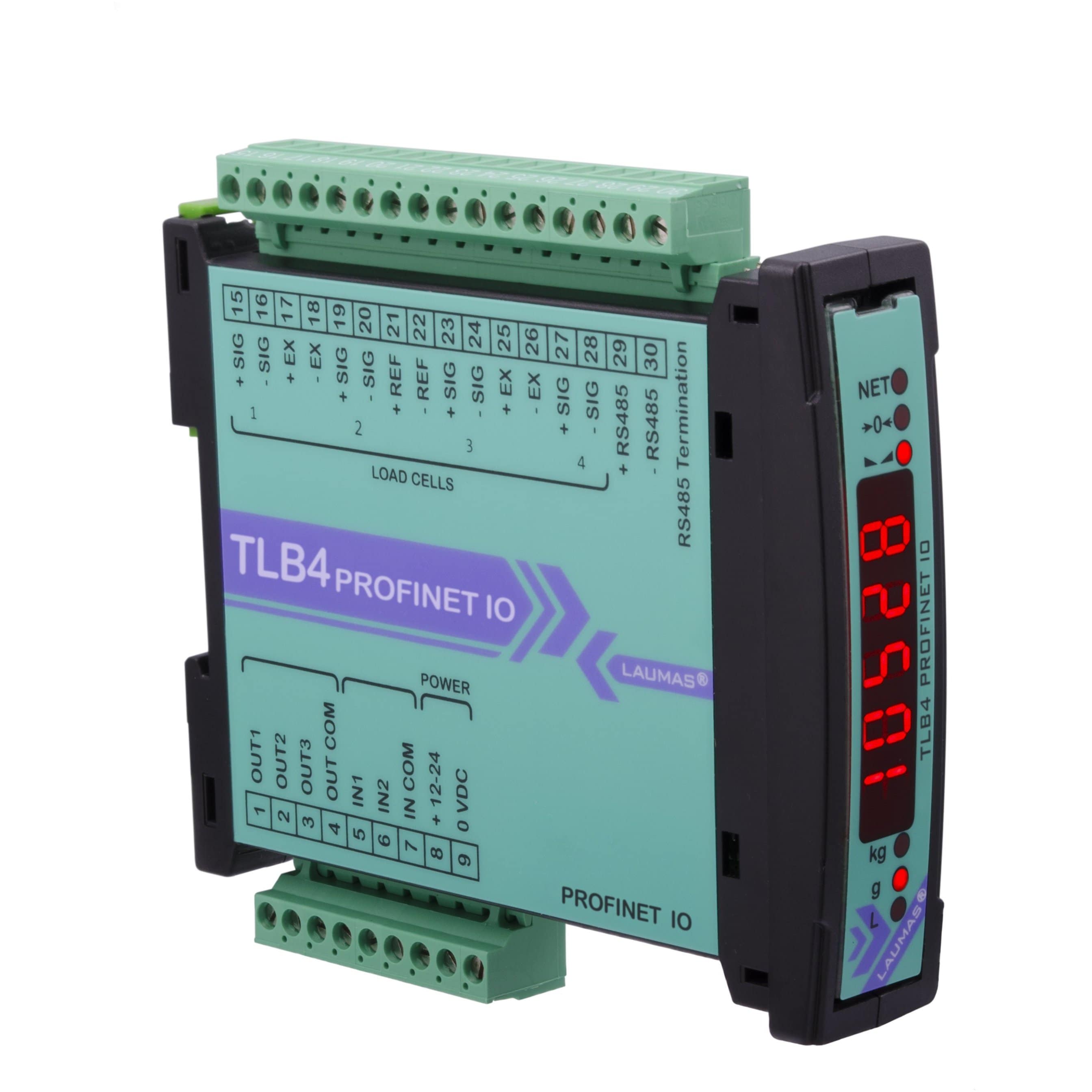
They work by converting mechanical tension or compression into an electrical signal. Inside the load cell, a strain gauge sensor detects deformations in the metal body when force is applied. These tiny changes are translated into a measurable electrical output.
Put simply, marine load cells convert force into a readable and recordable signal for monitoring and analysis.
Typically, they are used for:
- Mooring and anchoring
- Lifting and towing
- Sailboat performance
- Offshore engineering
- Oceanographic research
How marine load cells work in harsh sea environments
Submersible load cells are engineered to withstand saltwater, high pressure, and corrosion. The key elements that go into designing waterproof load cells for harsh environments include:
- Strain gauge technology: The strain gauge is the electrical sensor that is inside the load cell that detects stretching and bending in the metal.
- Environmental sealing (IP68/IP69K): Due to environmental exposure, marine load cells are hermetically sealed in stainless steel to resist corrosion and prevent failure from saltwater intrusion.
- High-pressure resistance: Specialised marine units can operate under extreme hydrostatic pressure, with some units designed for extreme ocean depths.
- Material selection: Submersible load cells are made from high-grade stainless steel and corrosion-resistant alloys to resist salt spray and chemical exposure.
- Wireless technology: To avoid issues with cable deterioration and damage, modern load cells are often wireless, battery-powered systems that transmit data in real time.
- Temperature compensation: Internal sensors adjust for rapid temperature fluctuations that could otherwise cause measurement inaccuracies.
- Overload protection: Many are designed with high safety margins, often calibrated to withstand up to 150% of their rated capacity.
Common applications of load cells at sea
Marine and offshore industries depend on accurate load data from load cells and marine force gauges for operational safety. Common maritime load cell applications include:
Mooring line tension monitoring
Monitoring mooring loads is critical for vessel stability. Submersible load cells installed in line with mooring cables provide real-time tension data, helping prevent overload conditions during storms, tidal shifts, or heavy vessel movement.
Offshore lifting operations
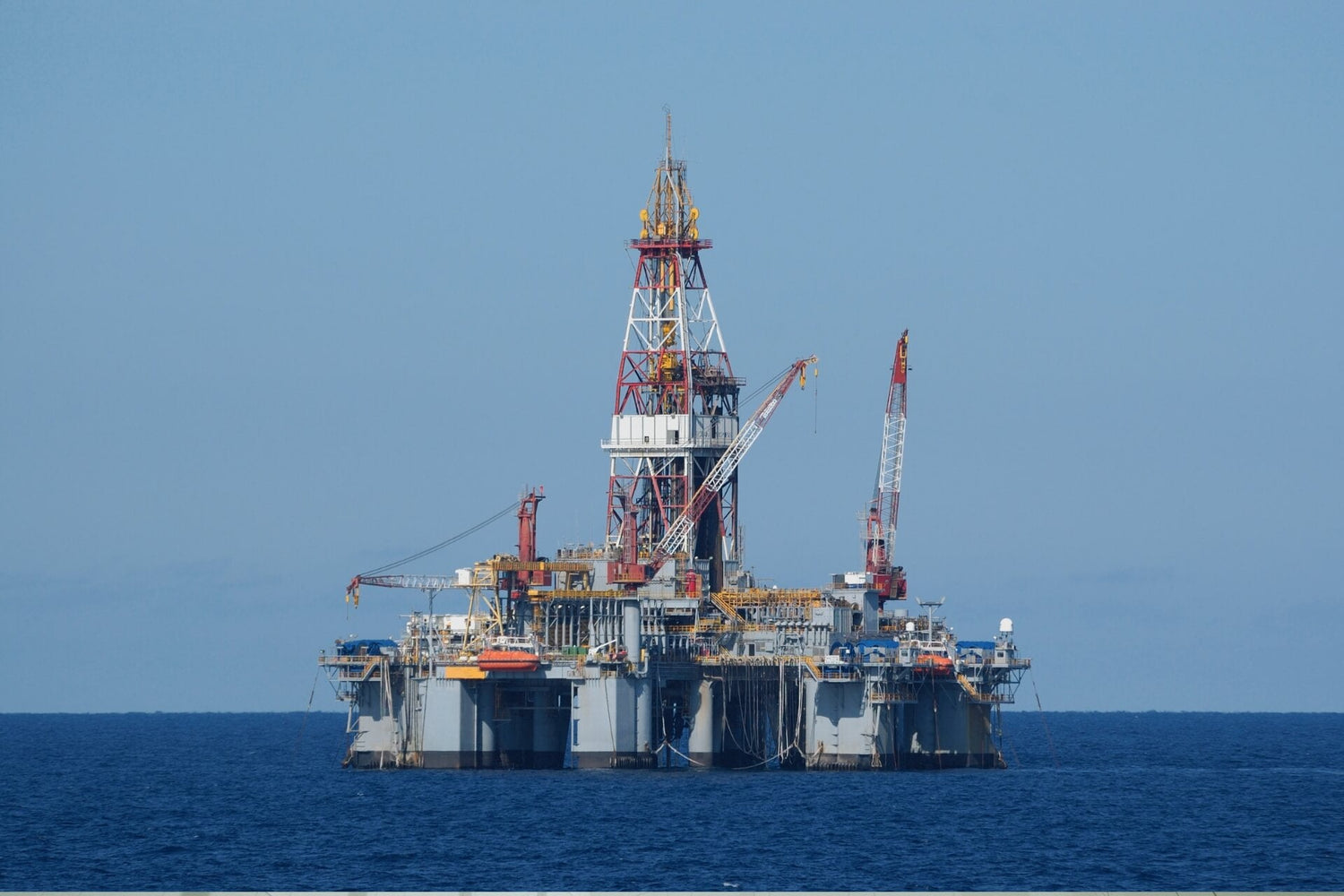
Cranes operating on offshore platforms or vessels rely on precise load monitoring to avoid overloading and structural stress. Offshore load cell solutions are integrated into lifting assemblies to ensure safe handling of equipment and materials.
Subsea installation projects
During underwater construction or cable laying, sea weighing instruments provide force feedback that helps operators maintain controlled deployment and avoid damaging sensitive subsea infrastructure.
Vessel stability and weight monitoring
Accurate weight distribution affects vessel trim and stability. Integrated marine weighing systems allow engineers to monitor loads across deck equipment and cargo systems.
Marine research and testing
In research vessels and testing facilities, submersible load cells are used to measure hydrodynamic forces, anchor loads, and structural stress in controlled marine experiments.
Across all these applications, the goal remains the same: reliable marine force measurement that enhances safety and operational efficiency.
Choosing the right load cells for maritime use
When selecting the appropriate load cell for your operations, there are a few considerations that need to be accounted for.
- The exposure to the environment: Will the load cell be permanently submerged or intermittently exposed to water? This should be aligned with the required depth rating and IP protection when choosing the appropriate option.
- The load capacity and safety margin: Choose a load cell rated for the expected working load, with appropriate overload protection to maintain safety compliance.
- The mounting configuration: Different maritime load cell applications require specific formats such as tension link load cells, compression load cells, shear beam load cells, and custom integrated force sensors.
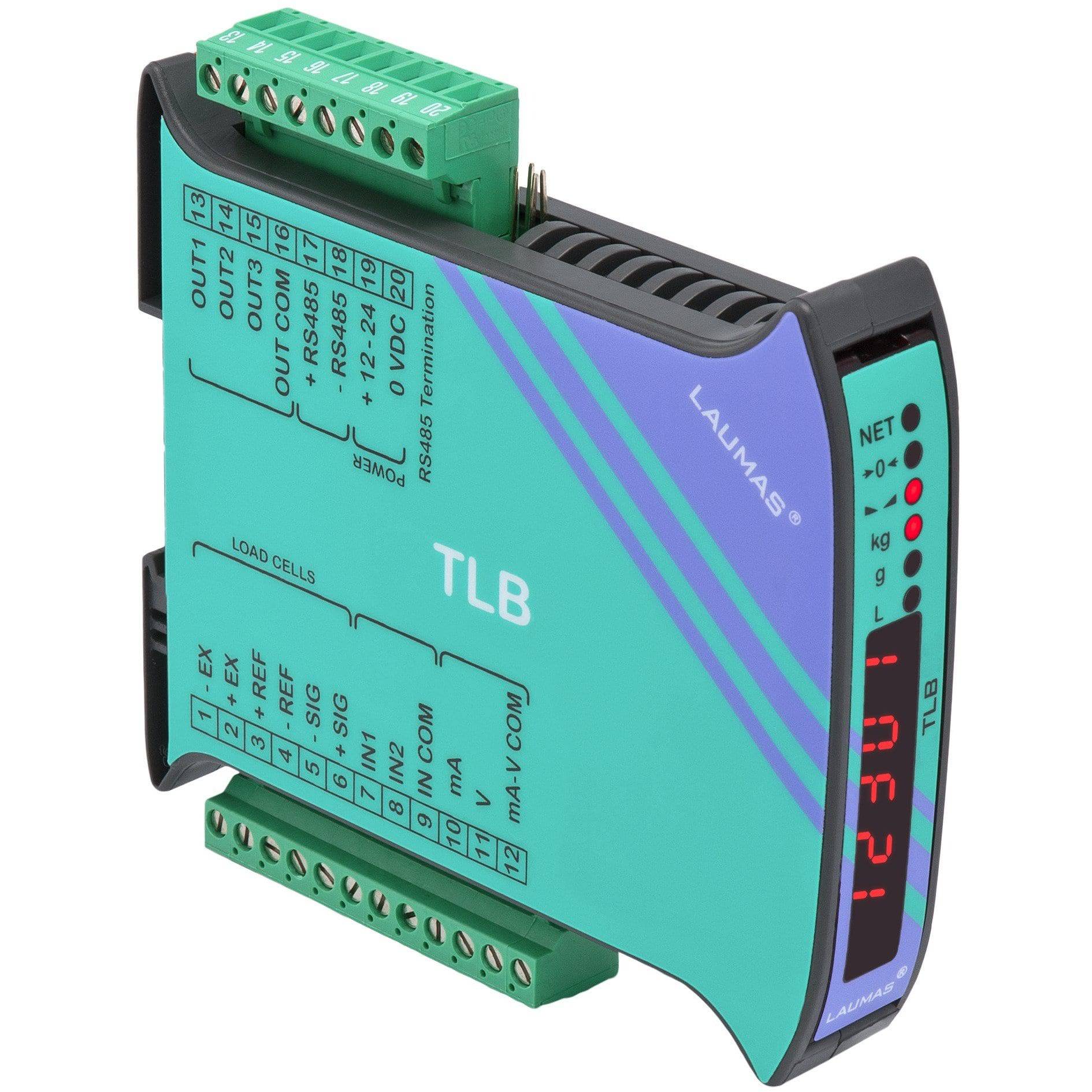
- Output compatibility: Ensure the output signal integrates seamlessly with onboard monitoring systems, data loggers, or marine instrumentation platforms.
Visit our maritime instrumentation and measuring equipment page for more information on this.
Maintenance and calibration considerations for maritime use
Maintaining your offshore load cell solutions through calibration and regular inspection is essential to maintain accuracy. Regular visual checks should assess:
- Corrosion or surface degradation
- Cable damage
- Connector integrity
- Mounting alignment
At GNW, we are specialists in calibration, so we understand the importance of keeping equipment periodically calibrated to ensure compliance and accuracy. Calibration intervals may vary depending on usage frequency and environmental severity, but proactive maintenance prevents costly downtime and safety risks.
With heightened environmental factors at play, it’s vital to protect connectors and cabling from unnecessary exposure.
Submersible load cells are critical components in modern maritime and offshore operations. Engineered for durability, corrosion resistance, and precision, they deliver reliable force measurement in some of the most challenging environments on Earth.
To explore specialist offshore load cell solutions and marine weighing systems, visit our maritime instrumentation page or browse our full load cell range. For tailored advice on marine force measurement applications, contact our team for expert support.


Leave a comment
This site is protected by hCaptcha and the hCaptcha Privacy Policy and Terms of Service apply.