
Force Test Stands
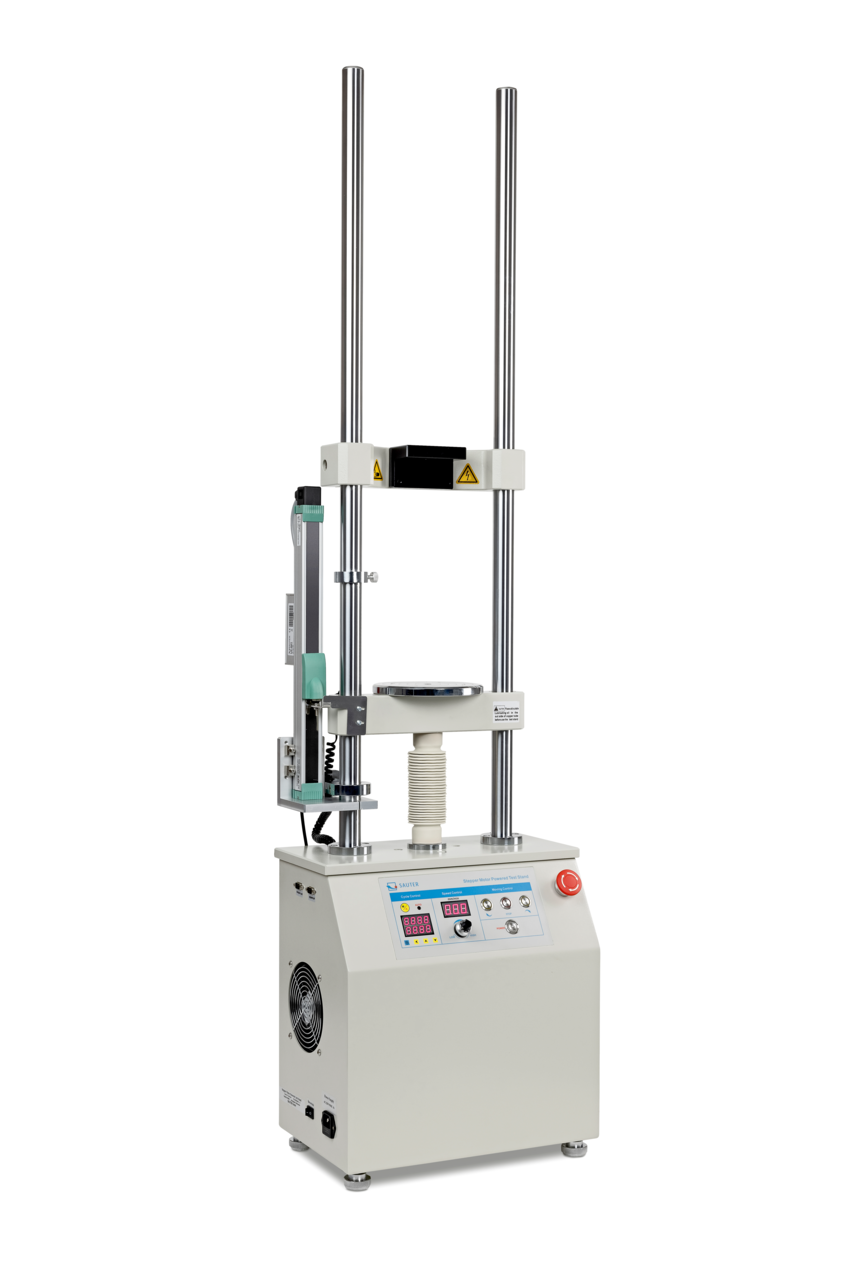
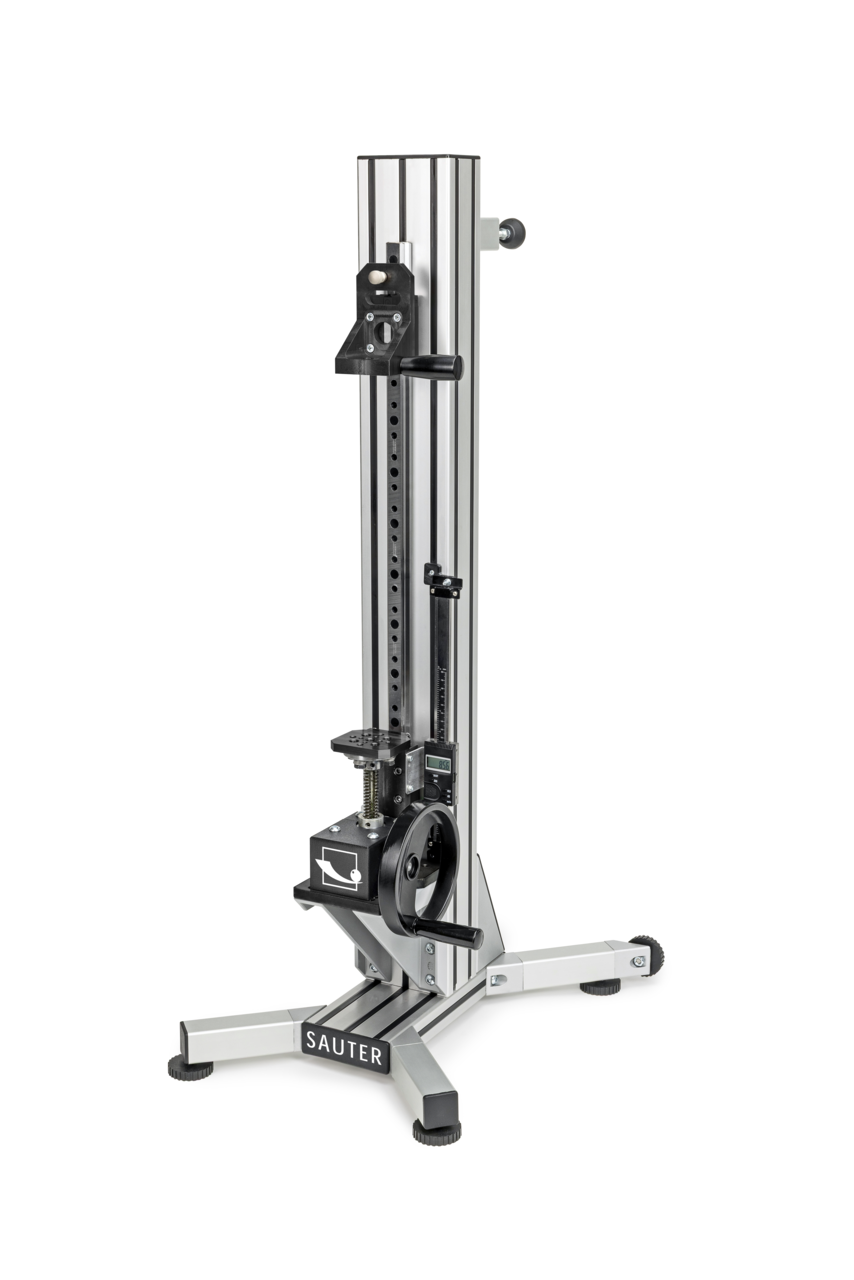
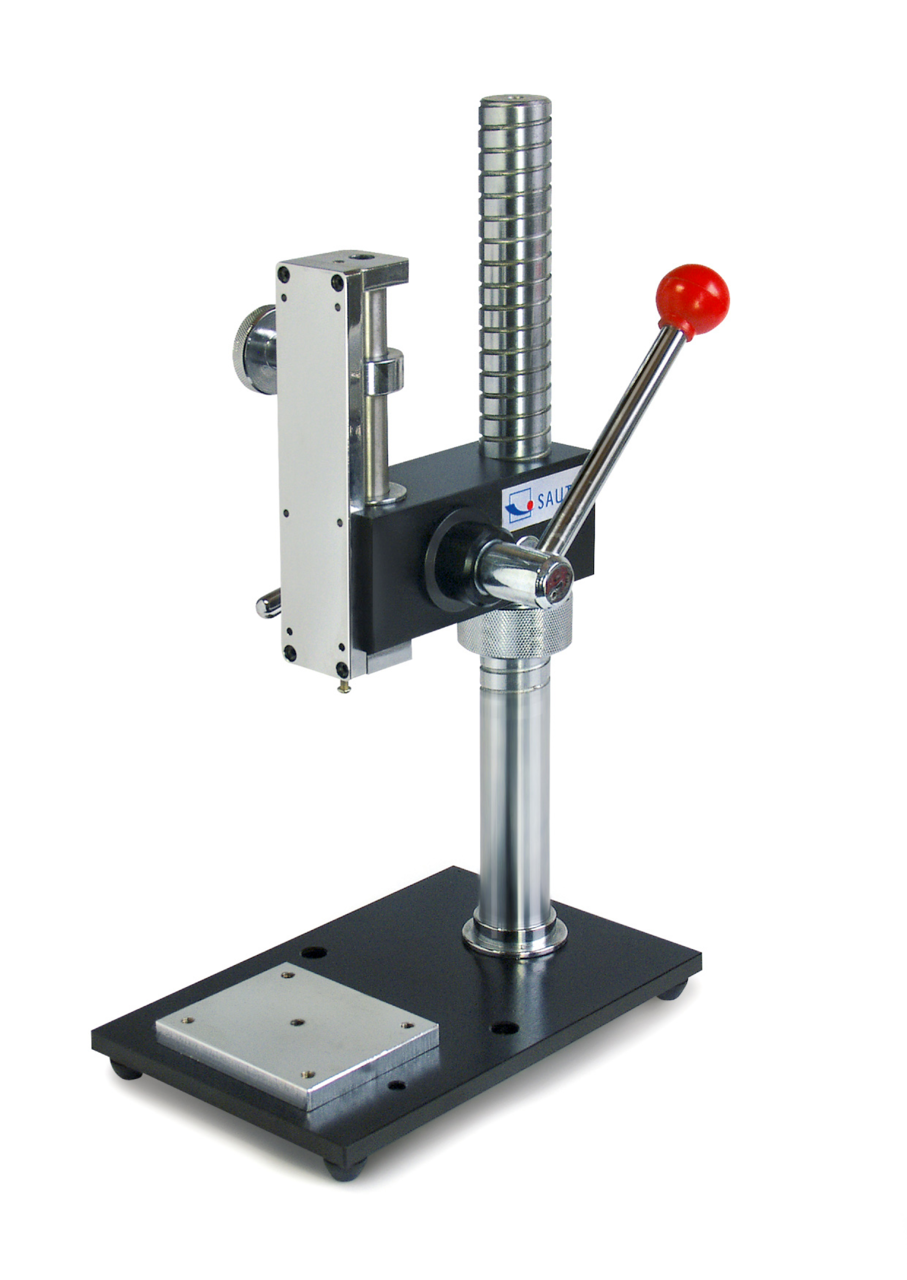
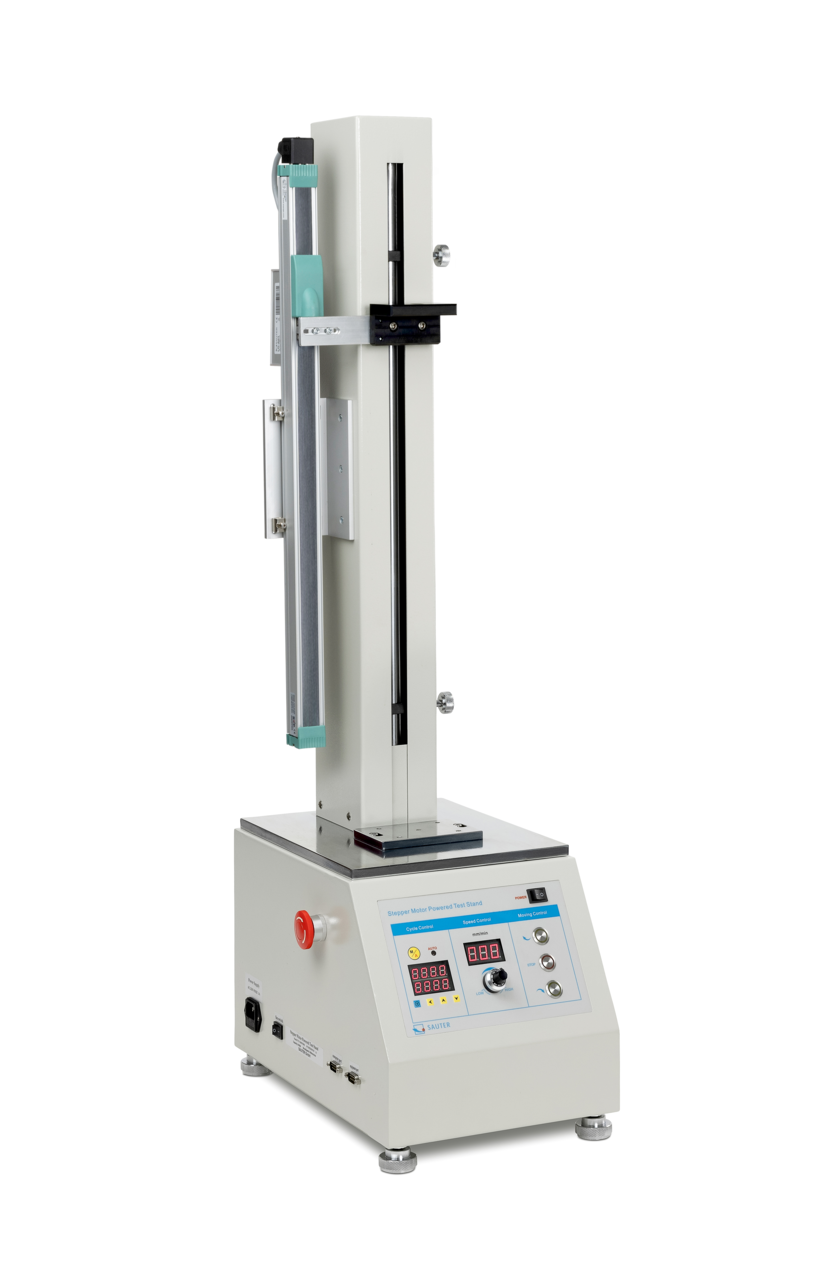
Force gauge test stands for controlled tension and compression testing. Choose from manual and motorised stands for repeatable force measurement in laboratory, production and quality control applications.
Filters
5 products
Force Gauge Test Stands
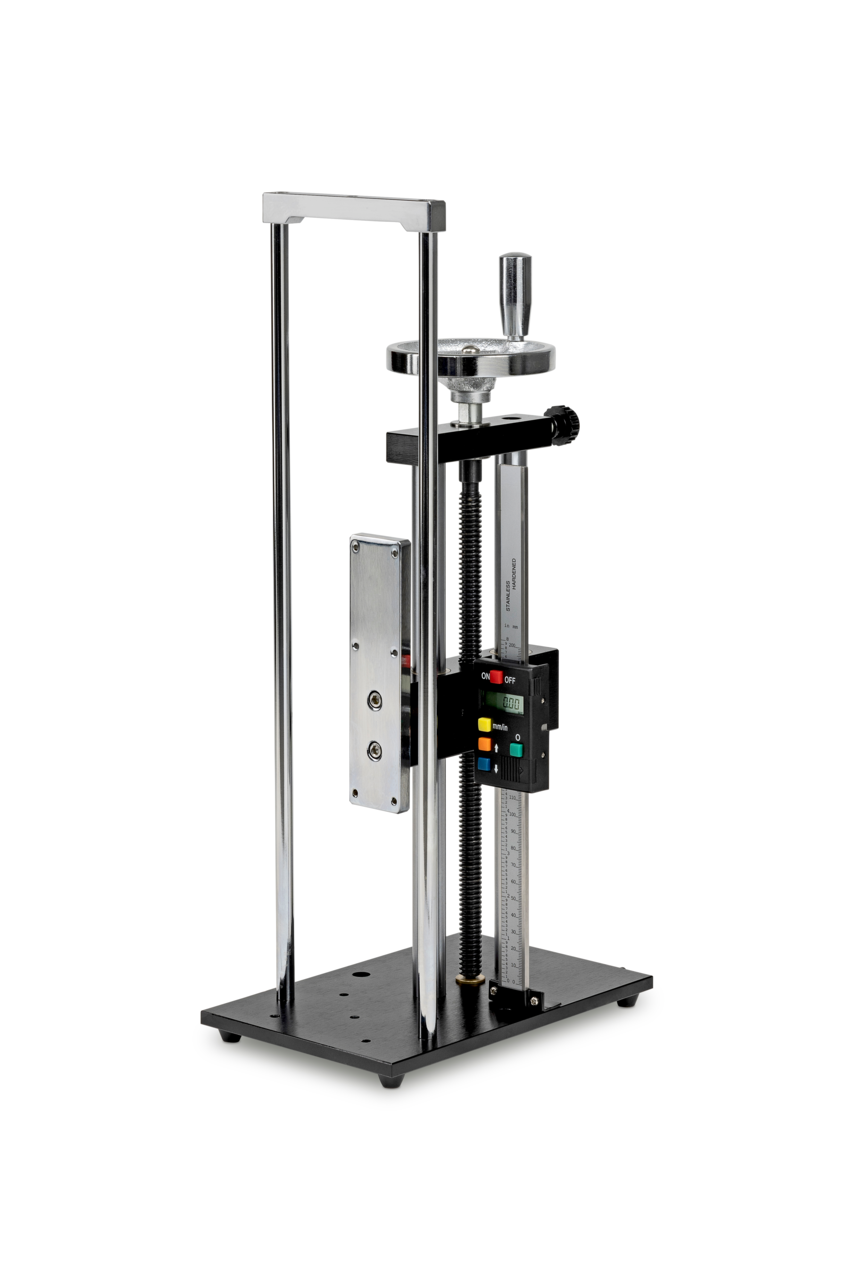
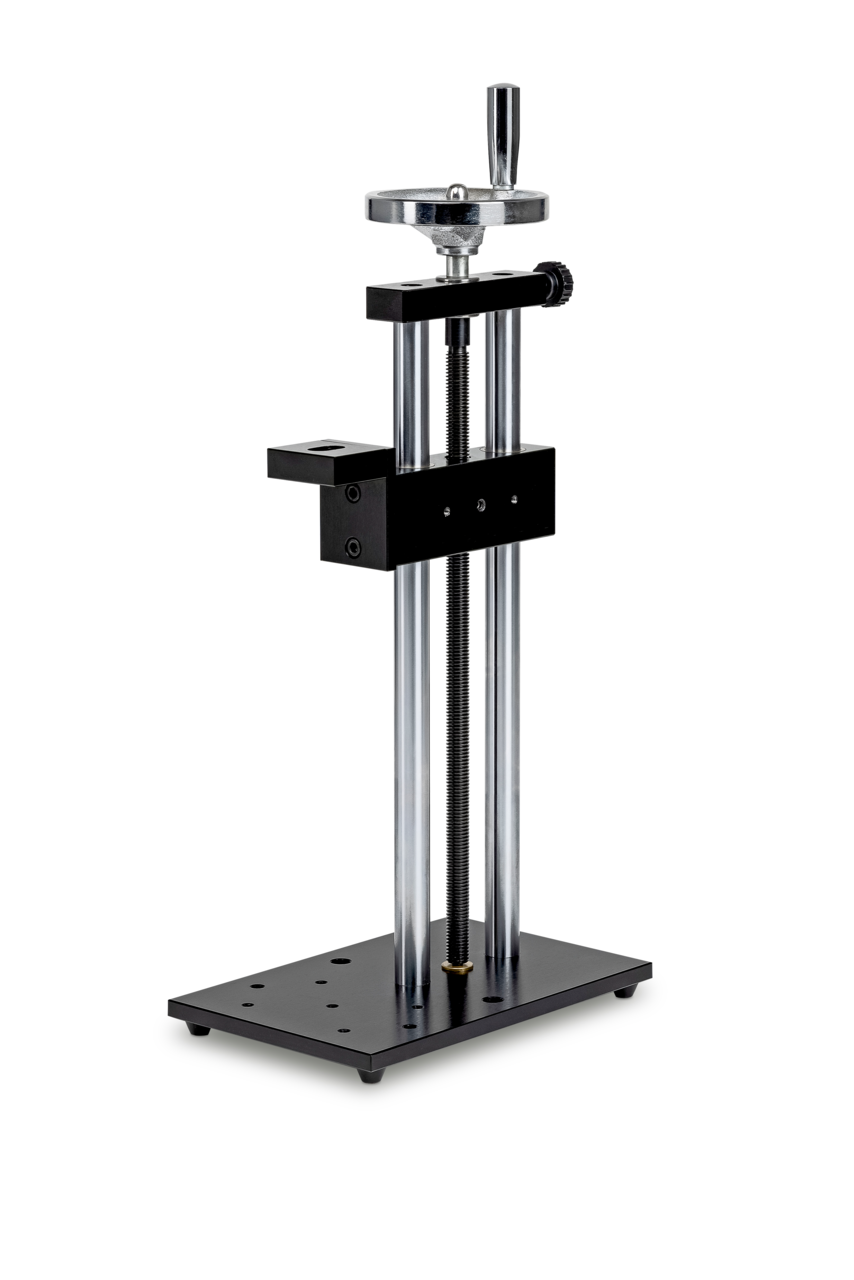
Force gauge test stands provide a stable and repeatable method for carrying out tension and compression force testing. They are used with compatible force gauges to improve alignment, control the test movement and reduce the variation that can occur with hand-held testing.
This collection includes manual and motorised force test stand options for laboratory, workshop, production and quality control applications. Manual stands are a practical choice for routine checks and occasional testing, while motorised stands offer more consistent test movement for repeated measurements and controlled testing procedures.
Typical applications include pull force testing, push force testing, spring compression, switch activation force, component strength checks and material testing. Depending on the model and accessories selected, test stands can also support length measurement or force-displacement testing for more detailed analysis.
When choosing a force gauge test stand, consider the maximum force range, available travel distance, sample size, fixture requirements and compatibility with your force gauge. GNW can help specify a suitable test stand and accessories for your application.
Further Reading
Force Gauge Test Stands for Repeatable Testing
Force gauge test stands provide a controlled way to carry out tension and compression tests with improved consistency, alignment and repeatability. They are commonly used with compatible digital or mechanical force gauges to reduce operator variation and support more reliable force measurement results. Manual stands are suitable for straightforward testing and routine checks, while motorised models offer controlled movement speed for more demanding or repetitive applications.
Manual and Motorised Test Stand Options
Manual force gauge test stands are a practical choice for lower-volume testing, inspection work and applications where the operator controls the test movement by hand. Motorised test stands provide a more controlled test speed, making them better suited to repeat testing, quality control and applications where consistent movement is important. The right choice depends on the force range, test method, frequency of use and level of repeatability required.
Tension and Compression Testing
Force test stands are used for both tensile and compressive force measurement. Typical tests include pull-off testing, push force checks, spring testing, material deformation, product strength checks and component testing. Using a test stand helps keep the sample, fixture and force gauge properly aligned, improving the reliability of the measurement compared with hand-held force testing.
Fixtures, Travel and Measurement Control
When selecting a force gauge test stand, it is important to consider the available travel distance, maximum force capacity, mounting options and the type of fixture required for the sample. Some test stands can also be combined with length measurement systems or software for force-displacement testing, helping users record how force changes across a defined movement or compression distance
Learn more
Force Gauge Test Stand Applications
Force gauge test stands are used across laboratory, workshop, production and quality control environments where controlled force measurement is required. They are particularly useful when repeatability, sample positioning and consistent test movement are important.
Used for routine checks on manufactured parts, assemblies and finished products, force gauge test stands help verify that components meet required force limits. They are suitable for push, pull, break, insertion and extraction force tests where repeatable results are needed.
Force test stands can be used to assess rubber, plastic, metal, textile and composite components under controlled tensile or compressive loads. This makes them useful for material comparison, product development and checking how parts respond under applied force.
Test stands are commonly used for checking springs, switches, buttons, levers and actuators. They help measure the force needed to compress, activate, release or deform a component, supporting consistent inspection and product validation.
In laboratory and production environments, motorised force test stands support controlled test speeds and repeatable movement. They are well suited to repeated tests, batch checks and applications where operator-controlled movement could affect the result.
How to Choose a Force Gauge Test Stand
Choosing the correct force gauge test stand depends on the type of test, the force range, the required travel distance and whether manual or motorised operation is needed. Compatibility with the force gauge, fixtures and accessories should also be checked before purchase.
Select a test stand with a force capacity comfortably above the maximum force expected during testing. This helps protect the stand and force gauge while ensuring the equipment is suitable for the application.
Manual stands are ideal for occasional tests and straightforward inspection work. Motorised stands are better for repeat testing, controlled speed requirements and applications where consistent movement is essential.
The stand must provide enough travel distance and working height for the sample, fixture and force gauge. Larger samples or longer compression and pull tests may require a stand with greater movement range.
Force testing often depends on the correct grip, hook, compression plate or specialist fixture. Check that the stand can accept the required accessories and that they are suitable for the shape and material of the sample being tested
Force Gauge Test Stand FAQs
These FAQs answer common questions about choosing and using force gauge test stands for controlled tension and compression testing.
What is a force gauge test stand used for?
A force gauge test stand is used to hold and move a force gauge in a controlled way during tension or compression testing. It improves alignment, reduces operator variation and helps produce more repeatable force measurement results.
Do I need a manual or motorised force test stand?
A manual stand is usually suitable for occasional or simple force tests. A motorised stand is recommended for repeat testing, controlled speed applications and quality control work where consistency between tests is important.
Can force test stands be used for both pull and push tests?
Yes, many force gauge test stands can be used for both tensile and compressive force testing when fitted with the correct force gauge and accessories. The fixture, sample and force range must be suitable for the test being carried out.
Can GNW help choose the right force gauge test stand?
Yes. GNW can help match a force gauge test stand to your application, including the force range, test type, sample size, fixtures and whether manual or motorised operation is the best option.