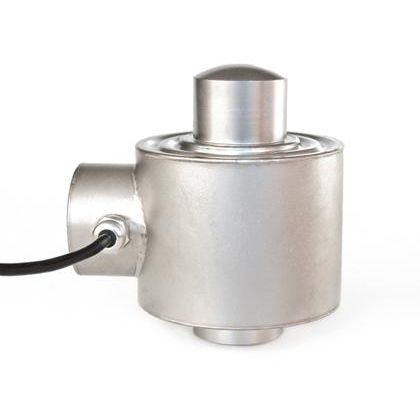
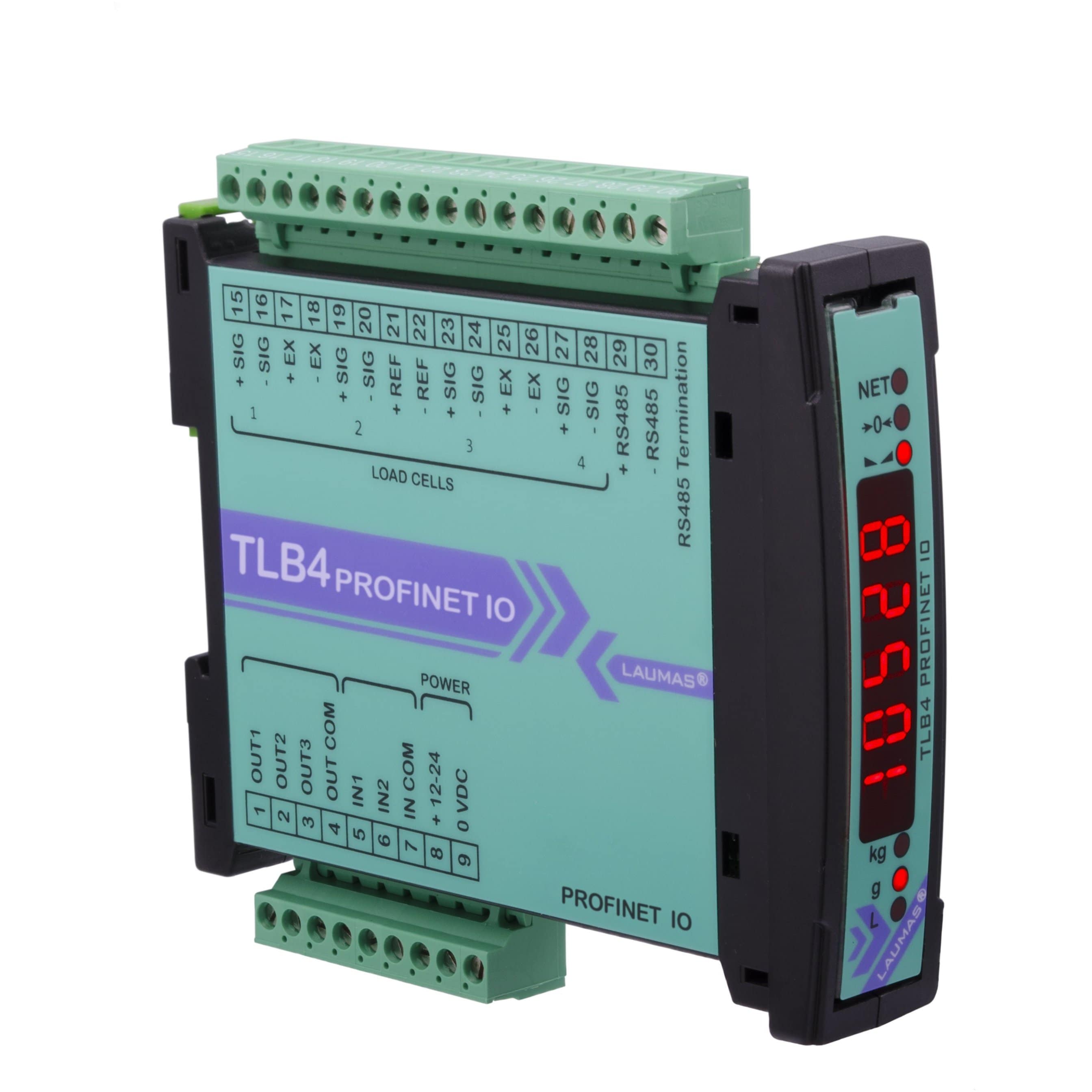
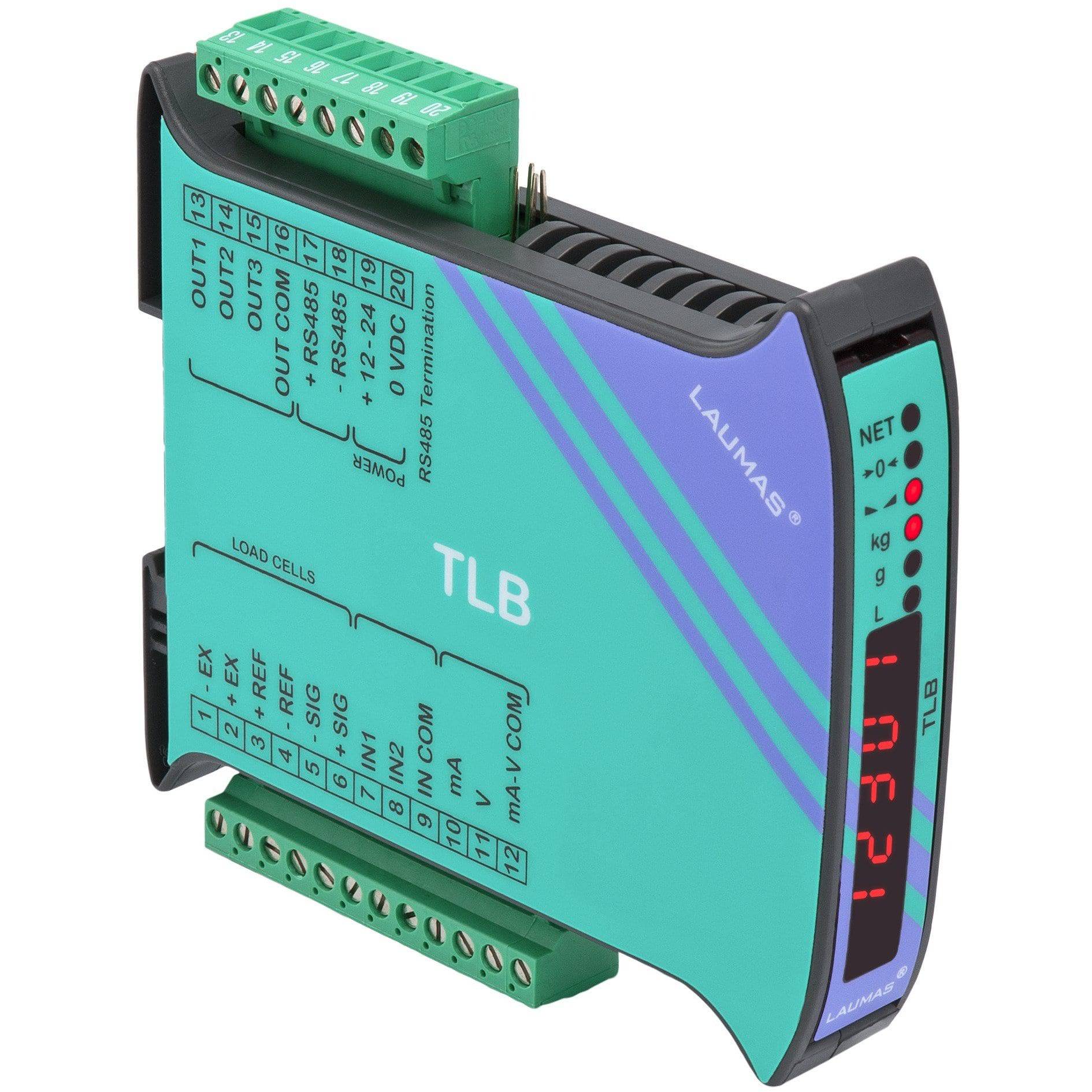
Column Load Cells
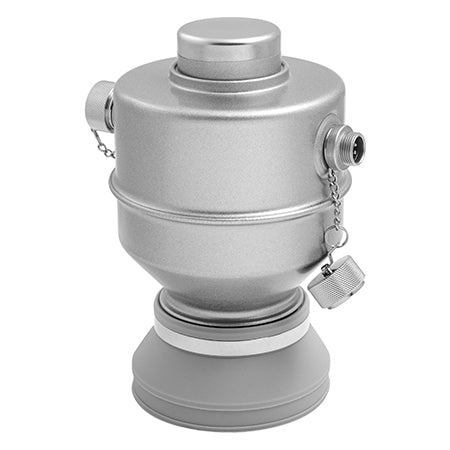
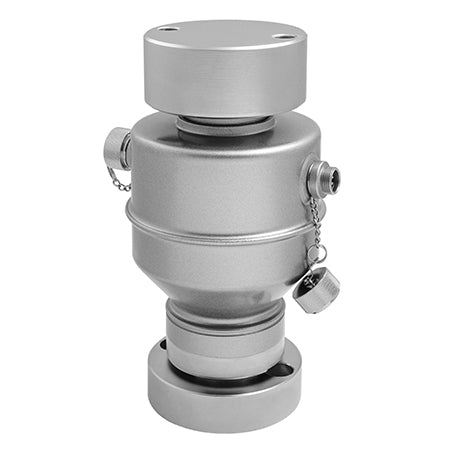
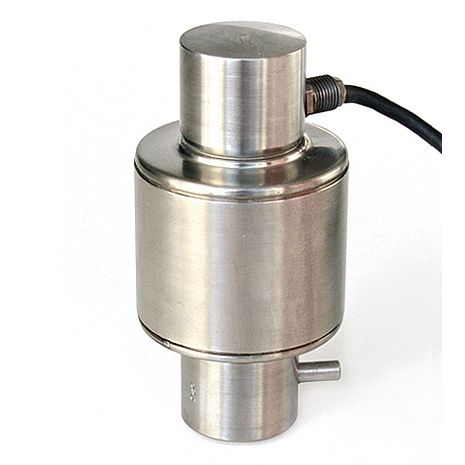
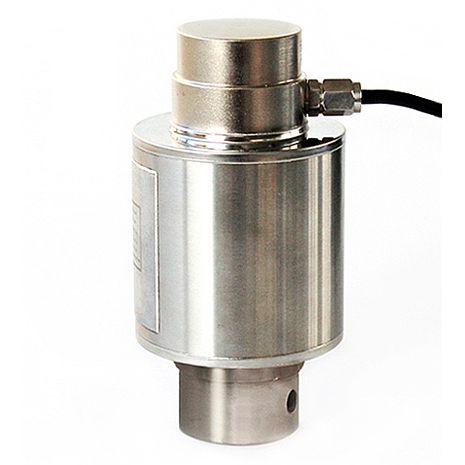
Column Load Cells are used for industrial compression weighing in tanks, silos, hoppers, platforms and process vessel applications. They provide the load measurement point within a weighing system and are typically connected to suitable weight indicators, transmitters or control equipment.
Selecting the right column load cell depends on system capacity, load direction, mounting arrangement, environment and compatibility with existing weighing instrumentation. This collection supports replacement parts, OEM builds, maintenance requirements and industrial weighing system upgrades.
Filters
4 products
Column Load Cells
Column Load Cells are compression weighing components used in industrial weighing equipment such as tanks, silos, hoppers, platforms and process vessels. They convert applied load into a signal that can be processed by weight indicators, weight transmitters or wider control systems.
When selecting load measurement equipment, consider capacity, support arrangement, mounting hardware, environmental conditions, signal compatibility and calibration requirements. These components are commonly specified for replacement parts, OEM equipment, maintenance stock, new installations and weighing system upgrades.
- Application fit: suited to vertical compression weighing arrangements.
- Integration: used with weighing electronics for display, transmission or process control.
- Installation: correct mounting and load alignment support stable, repeatable readings.
Further Reading
Column Load Cell Selection
Column Load Cells are used where industrial weighing systems need robust compression load measurement, commonly in tanks, silos, hoppers, weighbridges, platforms and process weighing assemblies. They form the mechanical sensing point in a weighing installation and are normally paired with suitable mounting hardware, weighing electronics and calibration procedures.
When selecting a column load cell, the key considerations are the applied load direction, total system capacity, number of supports, installation geometry, environmental conditions and compatibility with the existing weight indicator, transmitter or control system. The load cell should be chosen as part of the complete weighing arrangement rather than as an isolated component.
For replacement parts, OEM equipment, new installations and system upgrades, matching the mechanical dimensions, output type and installation requirements helps maintain weighing performance and reduces commissioning issues. Where a load cell is being replaced in an existing system, check the current model details, wiring arrangement and associated electronics before ordering.
Compression Load Measurement
Column load cells are typically selected for vertical compression applications where tanks, vessels, platforms or structures transfer load through defined support points.
System Compatibility
Consider compatibility with existing junction boxes, weight indicators, weight transmitters, control panels and calibration arrangements before specifying a replacement or upgrade.
Mechanical Installation
Correct mounting, load introduction and support design are essential for stable readings, repeatable performance and protection of the weighing assembly.
Learn more
Typical Applications
Column load cells are used across industrial weighing equipment where high compression forces must be measured accurately and integrated into a wider weighing system.
Used beneath tanks, silos and storage vessels to measure material weight for inventory monitoring, batching and process control.
Suitable for hopper and vessel support points where bulk solids, powders or liquids are weighed during filling, discharge or dosing processes.
Applied in industrial platforms and structural weighing assemblies where compression loads are transferred through multiple support points.
How to Choose Column Load Cells
Selection should be based on the mechanical design of the weighing system, the applied load, the surrounding environment and the electronics used to display or transmit the weight signal.
Column load cells are generally used for compression weighing. Check that the installation applies load vertically and that side loads, uplift and movement are properly managed.
Assess the total live load, dead load, number of support points and any process overloads before selecting the load cell capacity for the complete system.
Review the mechanical interface, mounting kit requirements, clearances and structure design to ensure the load is introduced correctly into the sensing element.
Confirm that the load cell output, wiring and calibration requirements are compatible with the weight indicator, transmitter, junction box or control system.
Column Load Cell FAQs
These common questions cover selection, replacement and integration considerations for column load cells used in industrial weighing systems.
What are column load cells used for?
Column load cells are used for compression weighing in applications such as tanks, silos, hoppers, heavy platforms and process vessels where load is applied through support points.
Can I replace an existing column load cell with a different model?
Possibly, but the replacement must be checked for mechanical fit, capacity, output compatibility, wiring arrangement and suitability for the existing mounting and weighing electronics.
Do column load cells need mounting kits?
Many installations require suitable mounting hardware to control load introduction, alignment, movement and protection. The mounting arrangement should be considered part of the weighing system design.
What information is needed to specify a column load cell?
Useful details include required capacity, number of supports, load direction, vessel or platform design, environment, existing model details, output requirements and connected indicator or transmitter.