
Isolation Valves

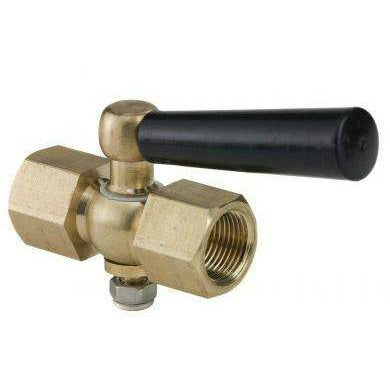
Isolation Valves provide a local shut-off point for pressure gauge installations, helping engineers isolate the instrument connection for inspection, maintenance or replacement. This collection includes BSP-thread gauge cocks and ball valves for use with compatible pressure gauges and related pressure gauge fittings.

Choose the correct valve by checking thread compatibility, installation orientation, process media, temperature conditions and available space around the gauge. These accessories are suitable for maintenance stock, OEM equipment and new industrial pressure measurement installations where practical gauge isolation is required.

Filters

Filters
Sort by:

1 product

Instrument Isolation Valves
Instrument Isolation Valves Sale priceFrom £13.00

Further Reading

Gauge isolation valve selection

Isolation Valves are used to separate a pressure gauge or local pressure instrument from the process connection, helping maintenance teams remove, replace or inspect equipment without disturbing the wider installation more than necessary. Within pressure gauge accessories, gauge cocks and ball valves are common options for creating a controllable shut-off point at the instrument connection.

Selection should be based on the gauge connection, thread form, installation layout, process media, temperature and the working conditions of the application. The available BSP-thread options can support common UK industrial installations, but compatibility should always be checked against the gauge, pipework and process requirements before fitting.

These valves are useful for replacement accessories, maintenance stock, OEM equipment and new pressure gauge installations where practical process isolation is required. When comparing options, consider access for operation, orientation, available space around the gauge and whether additional fittings such as adaptors, syphons or snubbers are also needed.

Process isolation

Gauge cocks and ball valves provide a local shut-off point between the pressure gauge and the process connection, supporting inspection, maintenance and gauge replacement.

BSP thread compatibility

BSP-thread isolation valves are suited to many UK pressure gauge installations. Always confirm the thread type, gender and connection layout before ordering.

Installation practicality

Consider access for operation, gauge orientation and available space, especially where valves are used with adaptors, syphons, snubbers or mounting hardware.

Learn more

Typical industrial applications

These pressure gauge accessories are used wherever a gauge needs practical isolation from the process connection for maintenance, replacement or instrument protection planning.

Pressure gauge maintenance

Isolation valves allow maintenance teams to separate the gauge from the process line before inspection or replacement, subject to the site’s safe working procedures.

OEM equipment builds

Gauge cocks and compact ball valves can be incorporated into machinery, skids and panels where local pressure indication needs an accessible shut-off point.

Process instrumentation

Used with pressure gauges and related fittings, these valves support controlled isolation in general industrial process measurement applications.

Plant replacement stock

BSP-thread valves are practical spares for maintenance stores where common pressure gauge fittings and replacement accessories are held for planned work.

How to choose isolation valves

Choose the valve type by matching the instrument connection, process conditions and installation layout. Compatibility is more important than selecting by appearance alone.

Check the thread type

Confirm the BSP thread size, thread gender and sealing arrangement required by the gauge, adaptor or pipework connection before selecting a valve.

Consider the valve style

Gauge cocks and ball valves both provide isolation, but the most suitable option depends on access, operating preference, installation space and site practice.

Review process conditions

Assess process media, temperature and pressure requirements against the selected valve and any connected accessories. Do not assume one valve is suitable for every application.

Plan the installation layout

Allow enough space for the valve handle or operating mechanism, the gauge dial position and any additional fittings such as syphons, snubbers or adaptors.

Isolation valve FAQs

Common questions from engineers and buyers selecting gauge cocks, ball valves and related fittings for pressure gauge installations.