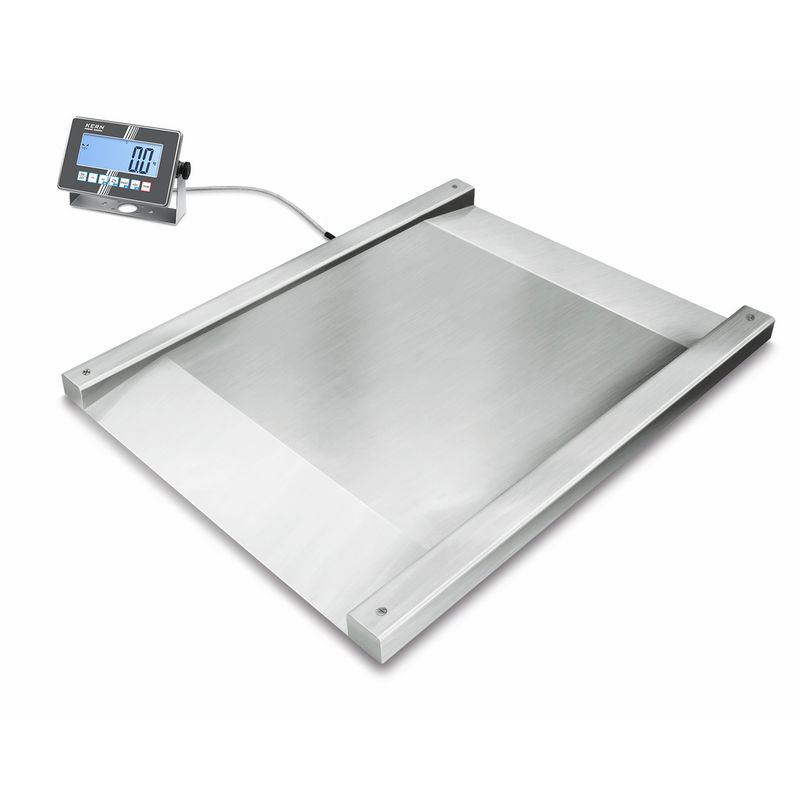
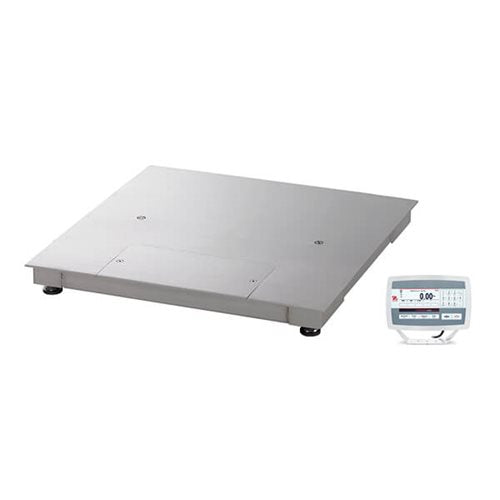
Industrial Platform Scales for Professional Weighing
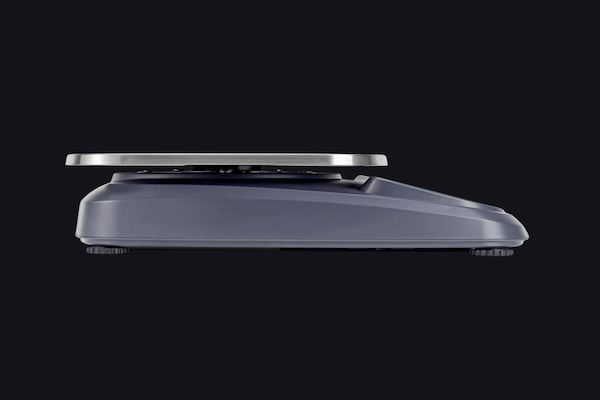
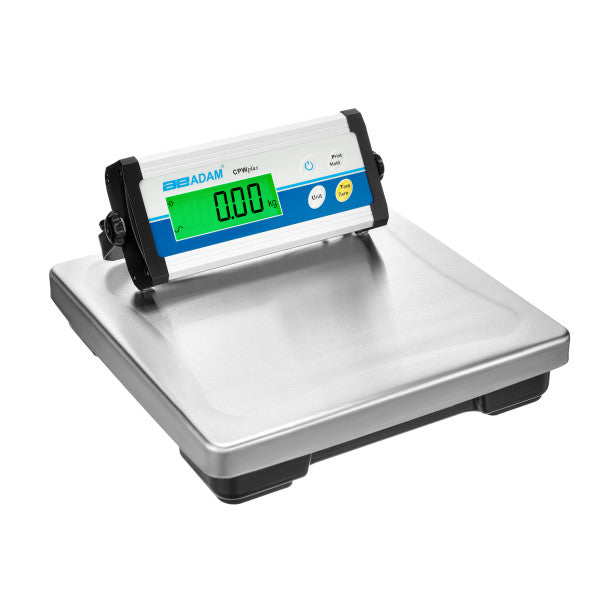
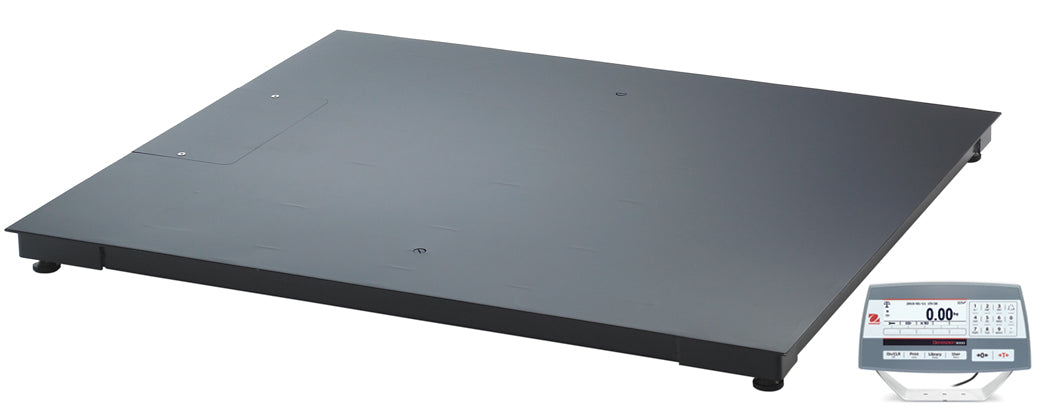
Platform scales are used for weighing boxes, containers, ingredients, components and other items that are too large or heavy for a compact bench scale. Their separate weighing platform and indicator provide a practical arrangement for warehouses, manufacturing facilities, dispatch departments, food production and general industrial weighing.
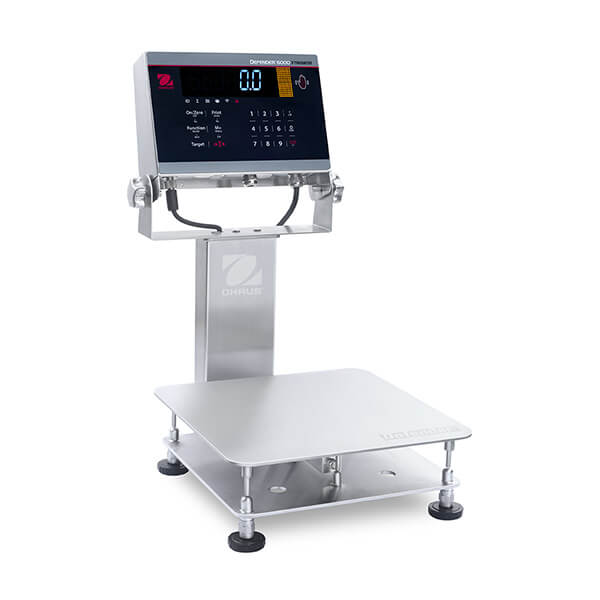
Our range includes industrial platform scales from Kern, Ohaus and Adam Equipment. Available configurations include compact portable models, column-mounted systems, counting scales, checkweighing scales, label-printing systems and stainless-steel washdown equipment. Specifications and functions vary between individual models and variants.
Counting, Checkweighing and Production Functions
Selected platform scales provide functions such as parts counting, checkweighing, accumulation, percentage weighing and totalisation. Counting models can support stock checks and component handling, while checkweighing functions help operators compare products with predetermined weight limits during packing and production.
Function availability varies between models. Where weight information must be transferred to a computer, printer or other equipment, check the available interfaces and software compatibility for the selected scale and indicator.
Platform Scales for Washdown Areas
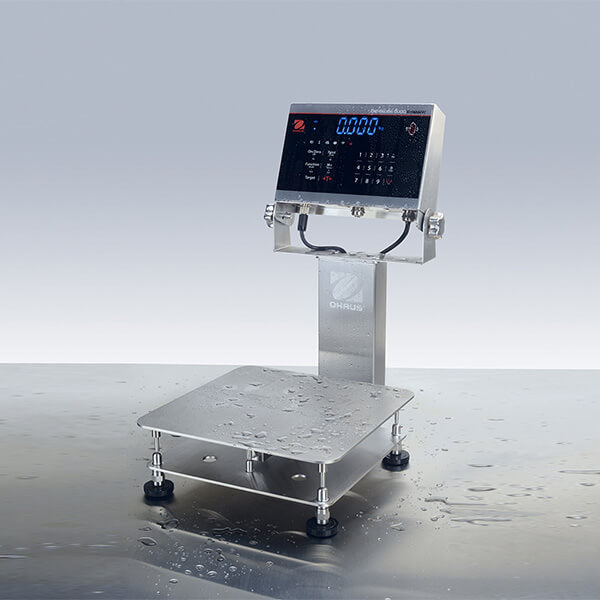
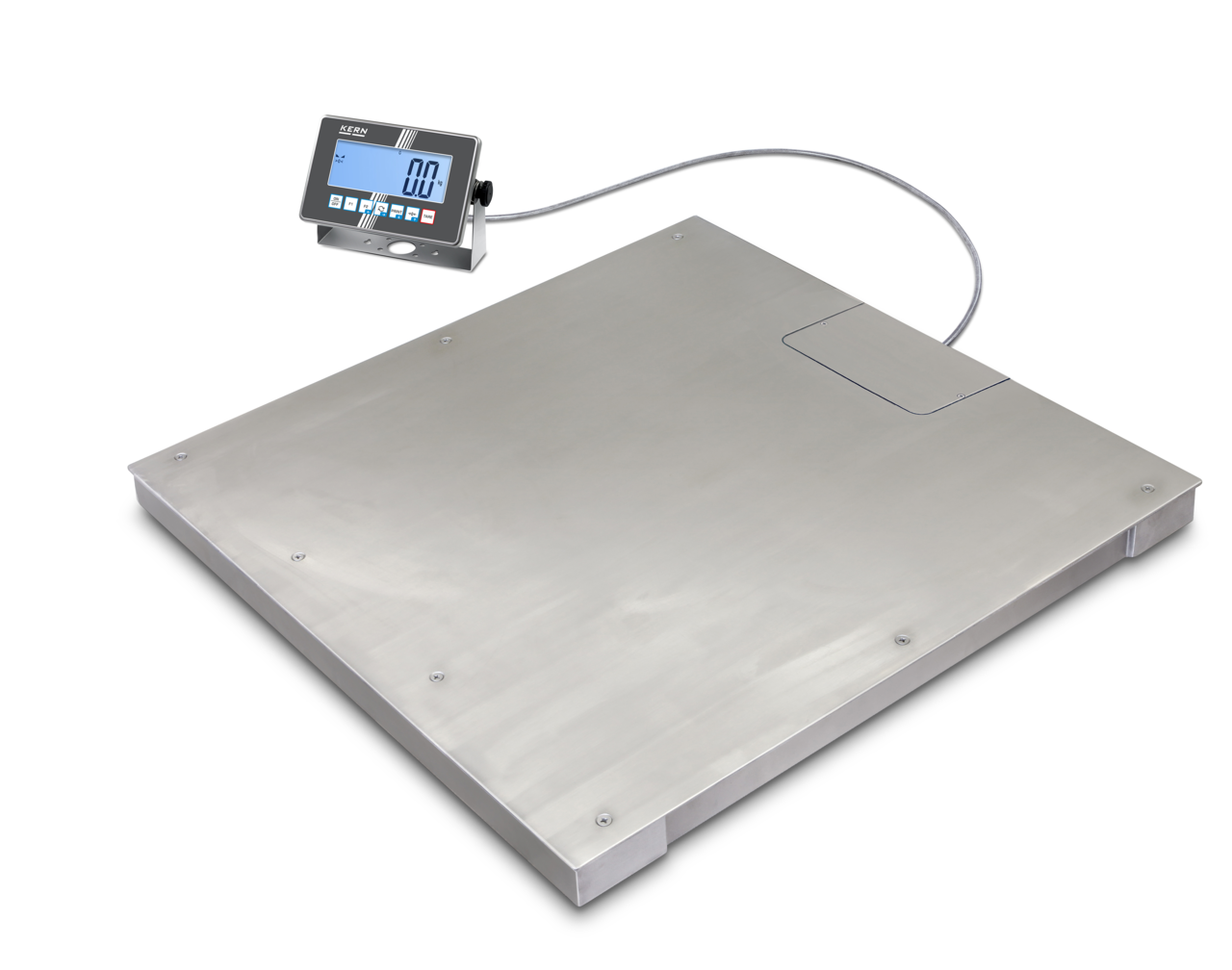
Food production, preparation and other regularly cleaned environments may require stainless-steel construction and protection against water and dust ingress. Selected washdown platform scales combine stainless-steel weighing surfaces with IP-rated indicators and load-cell assemblies.
The stated IP rating, construction materials and cleaning requirements should be checked against the intended environment. An IP rating describes protection against specified levels of solid and water ingress but does not automatically establish resistance to every cleaning chemical or sanitation process.
Legal-for-Trade Platform Scales
A legally approved scale may be required when weight determines the price charged for goods or forms part of another regulated commercial transaction. Selected platform-scale variants are available with legal-for-trade approval.
Approval can depend on the exact capacity, readability, indicator and platform combination, so customers should confirm the approval status of the selected variant before ordering. A standard calibration certificate is not a substitute for legal-for-trade verification.
Platform Scales, Bench Scales and Floor Scales
Platform and bench scales overlap across some applications, but platform scales generally provide a larger weighing surface or greater capacity for boxes, containers and production materials. Bench scales are usually better suited to smaller items and worktop operation.
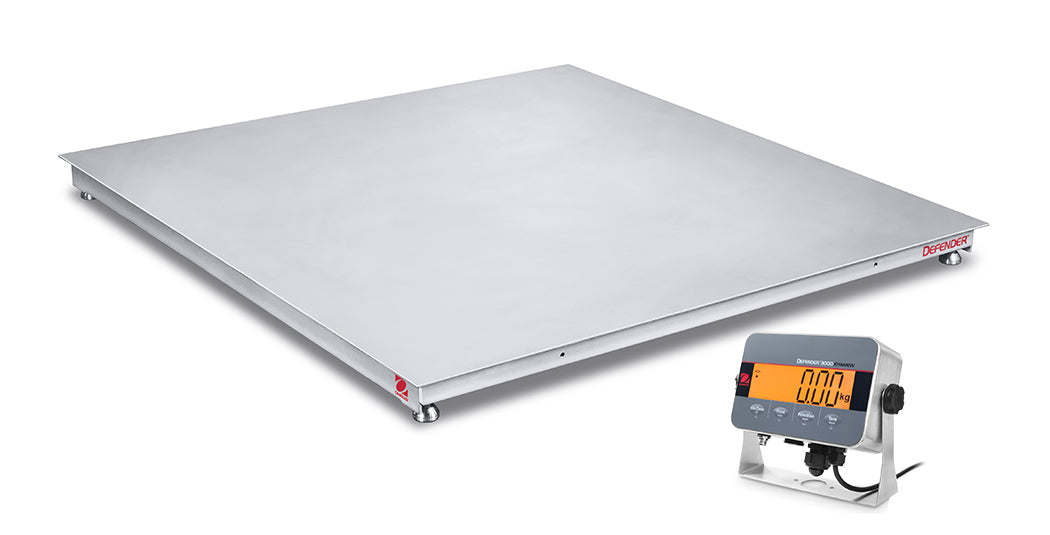
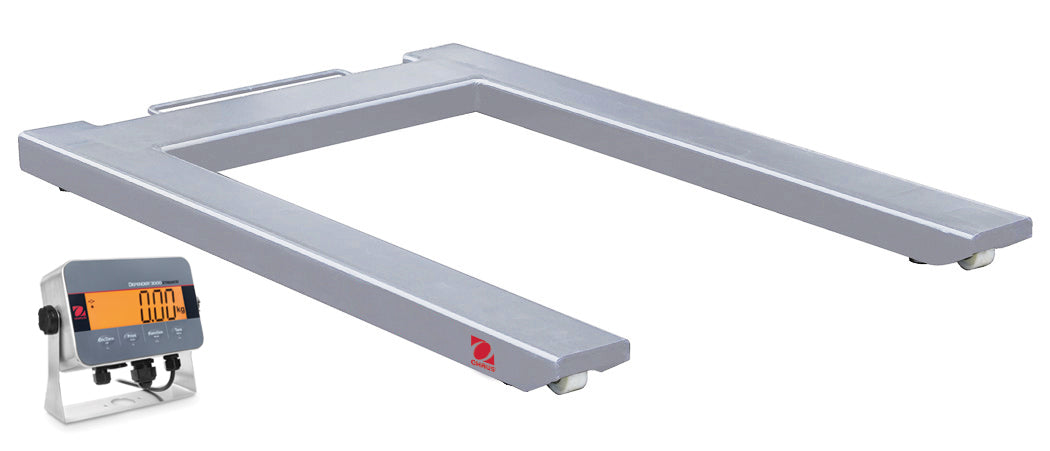
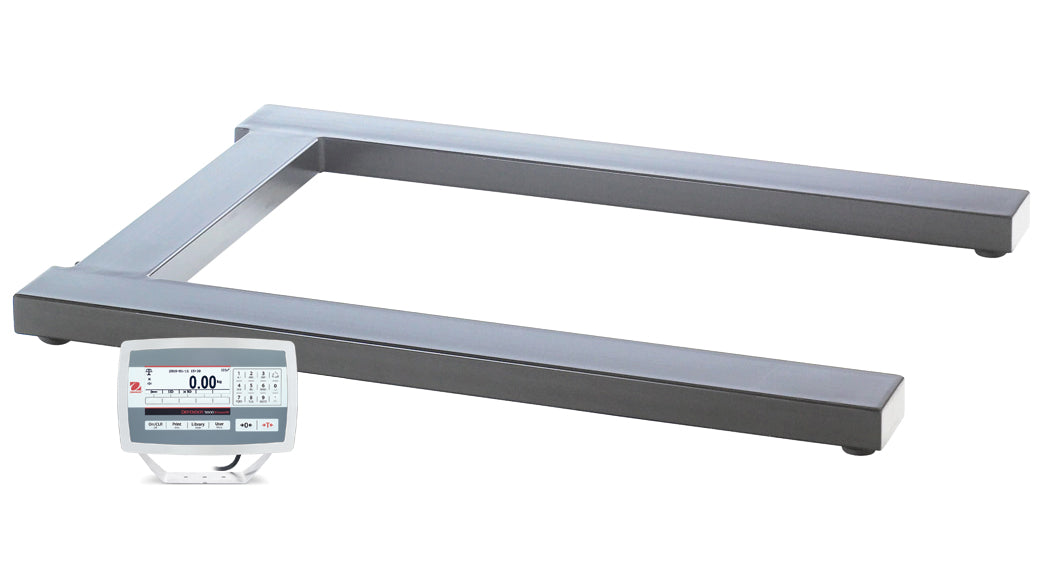
For pallets, drums and loads that require access using pallet trucks or forklifts, a dedicated floor or pallet scale may be more appropriate. Customers building a customised weighing system can also explore our separate weighing platforms and indicators.