

Filters
12 products

Further Reading
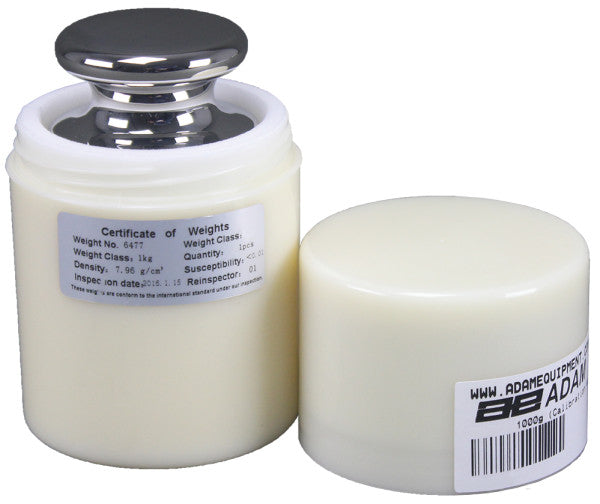
Handling F1 Reference Weights
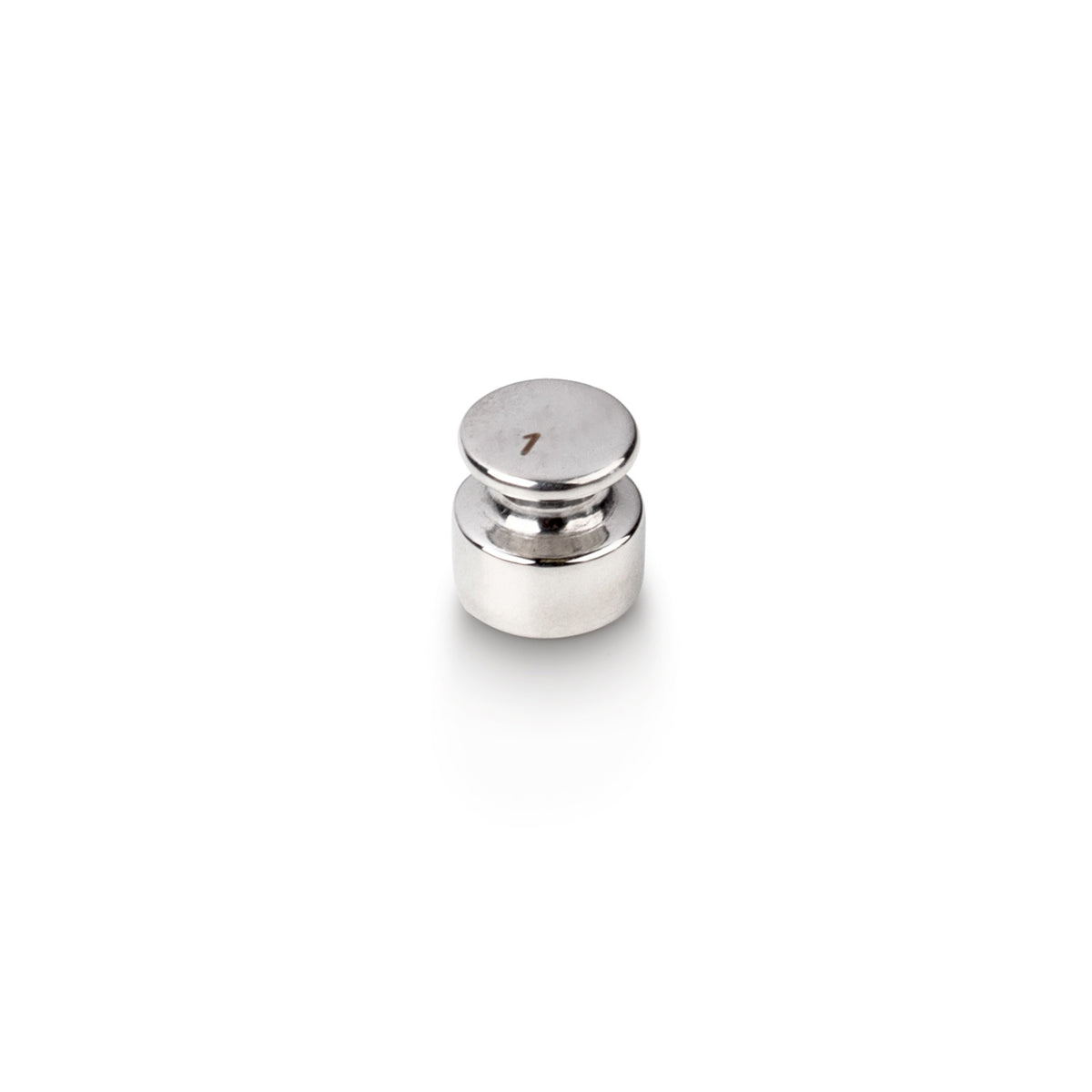
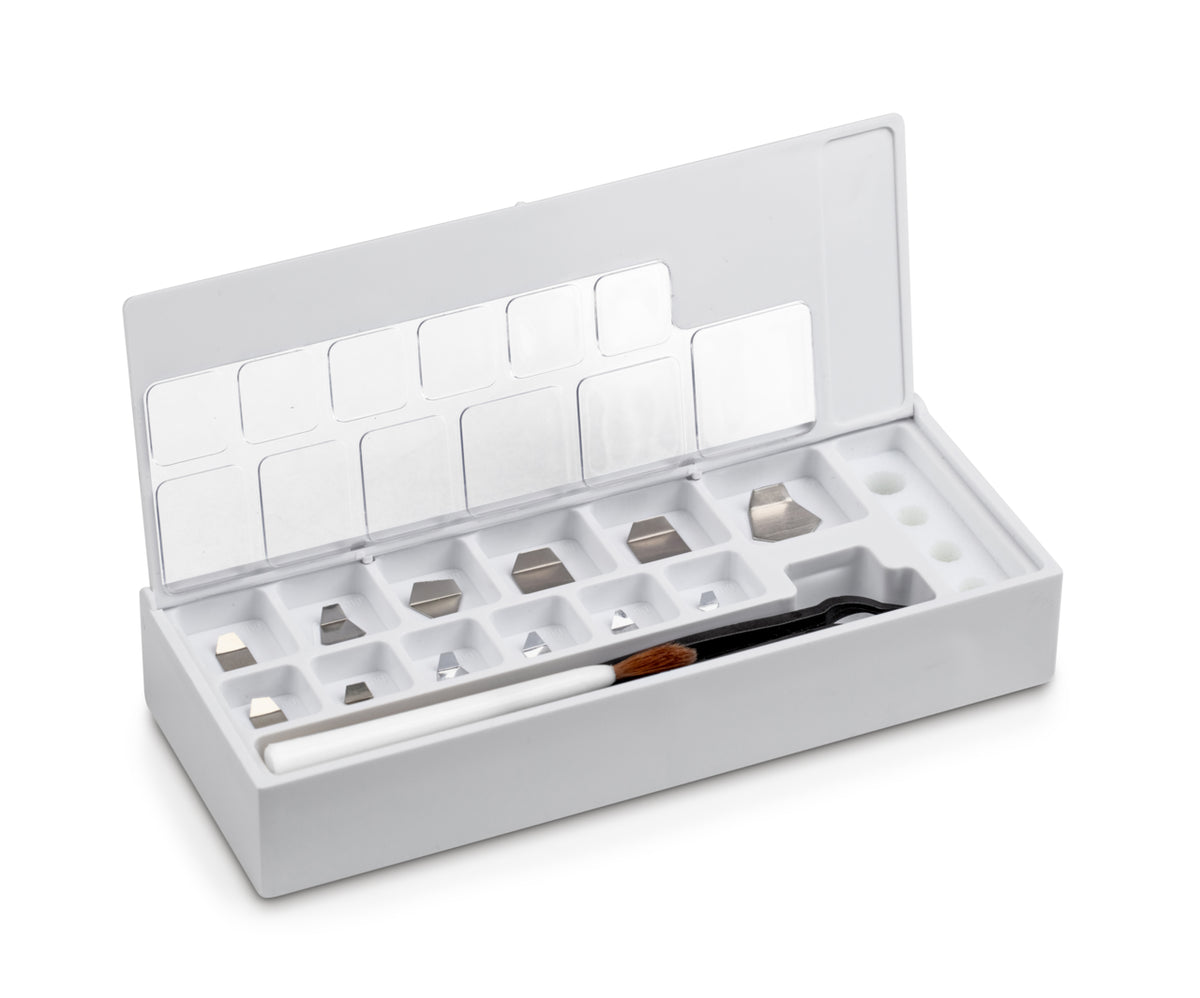
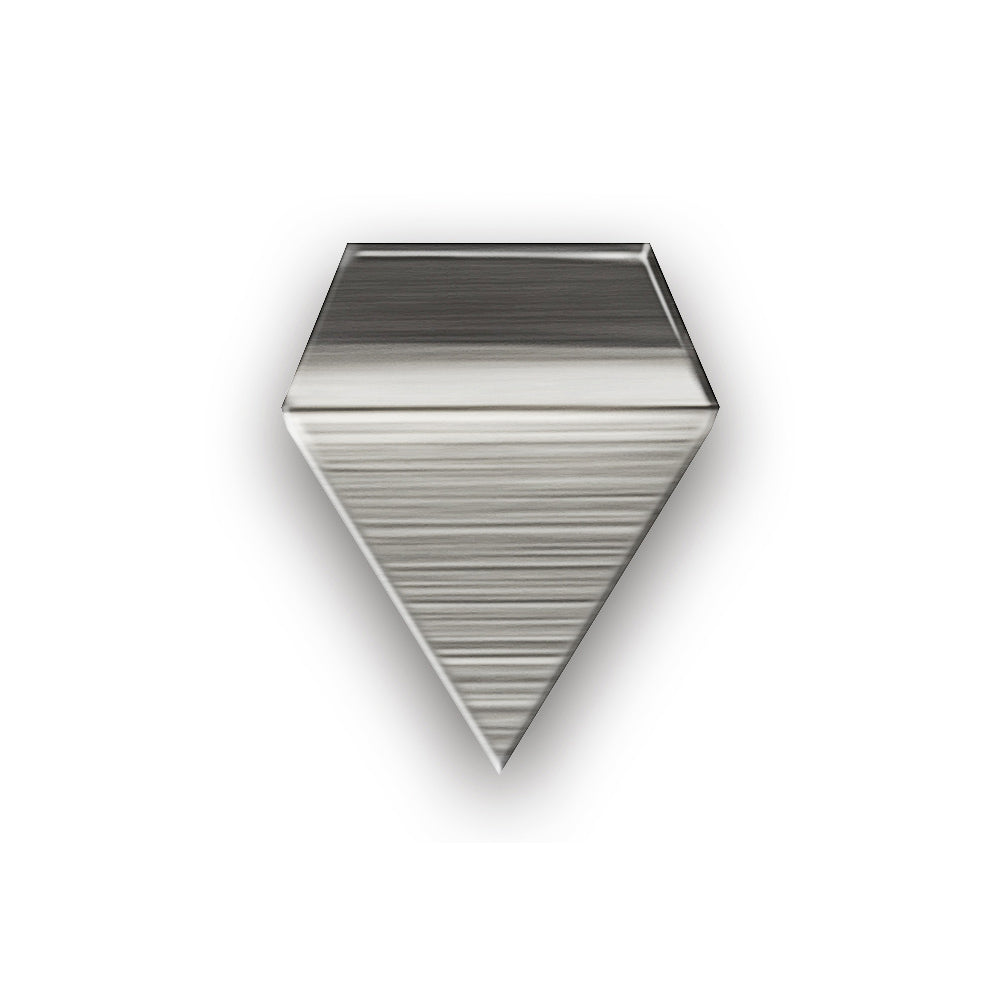
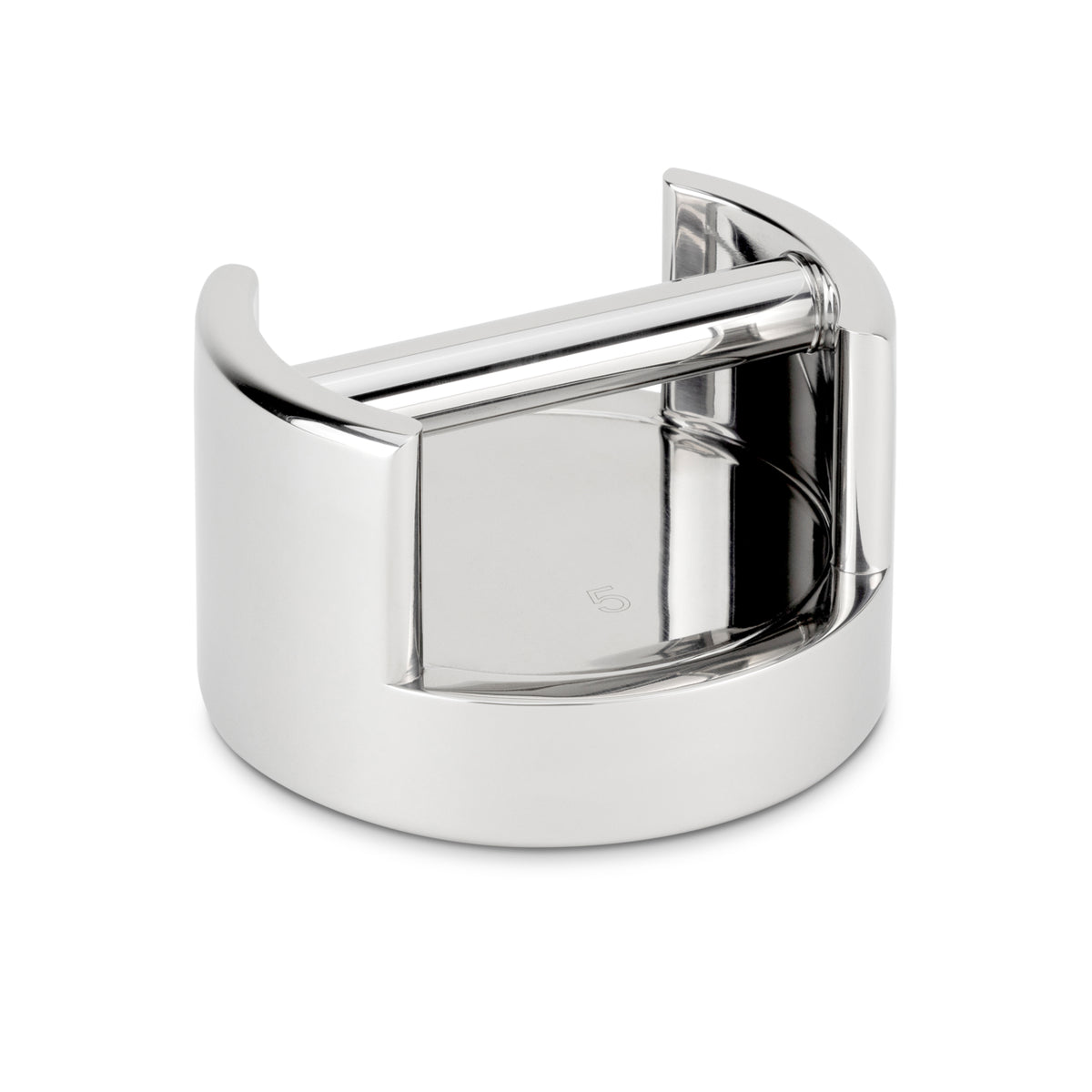
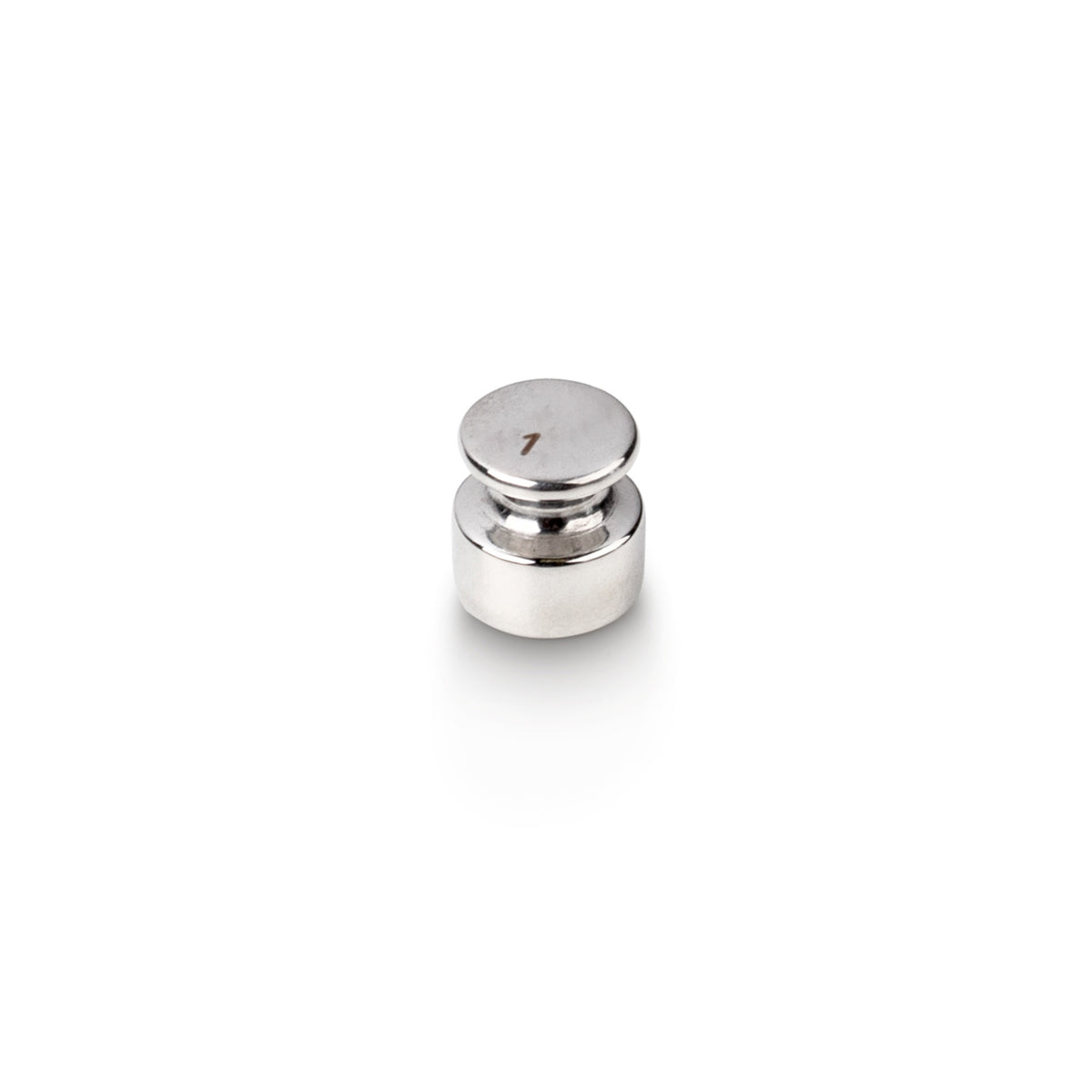
Individual and Milligram Weights
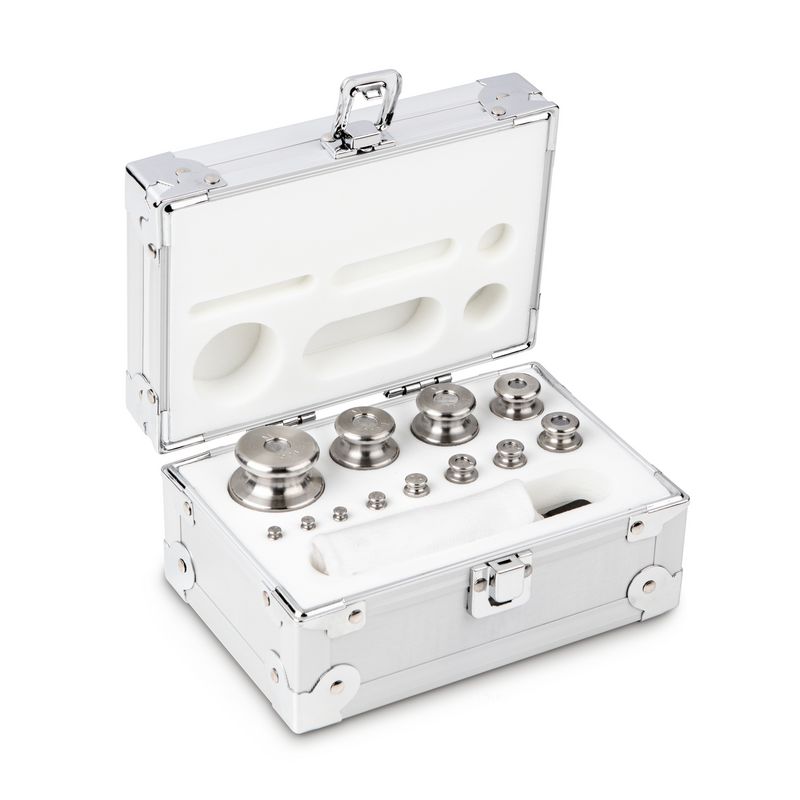
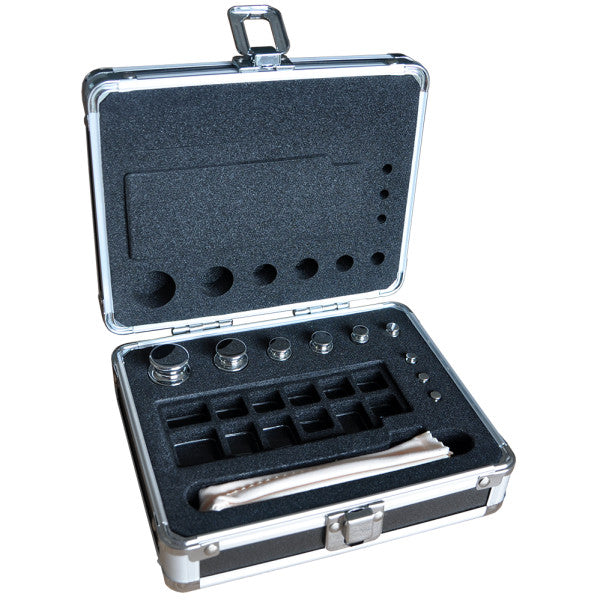
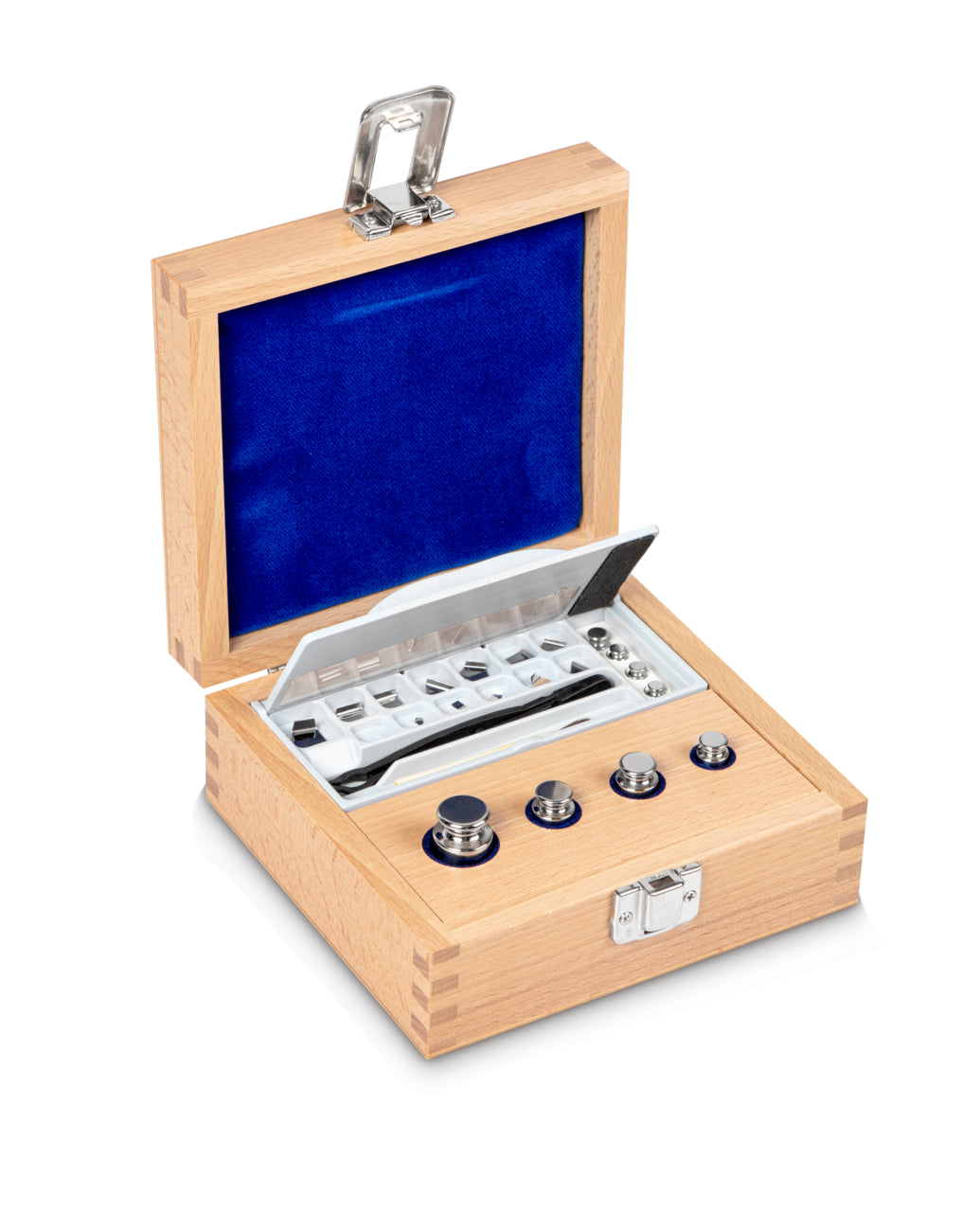
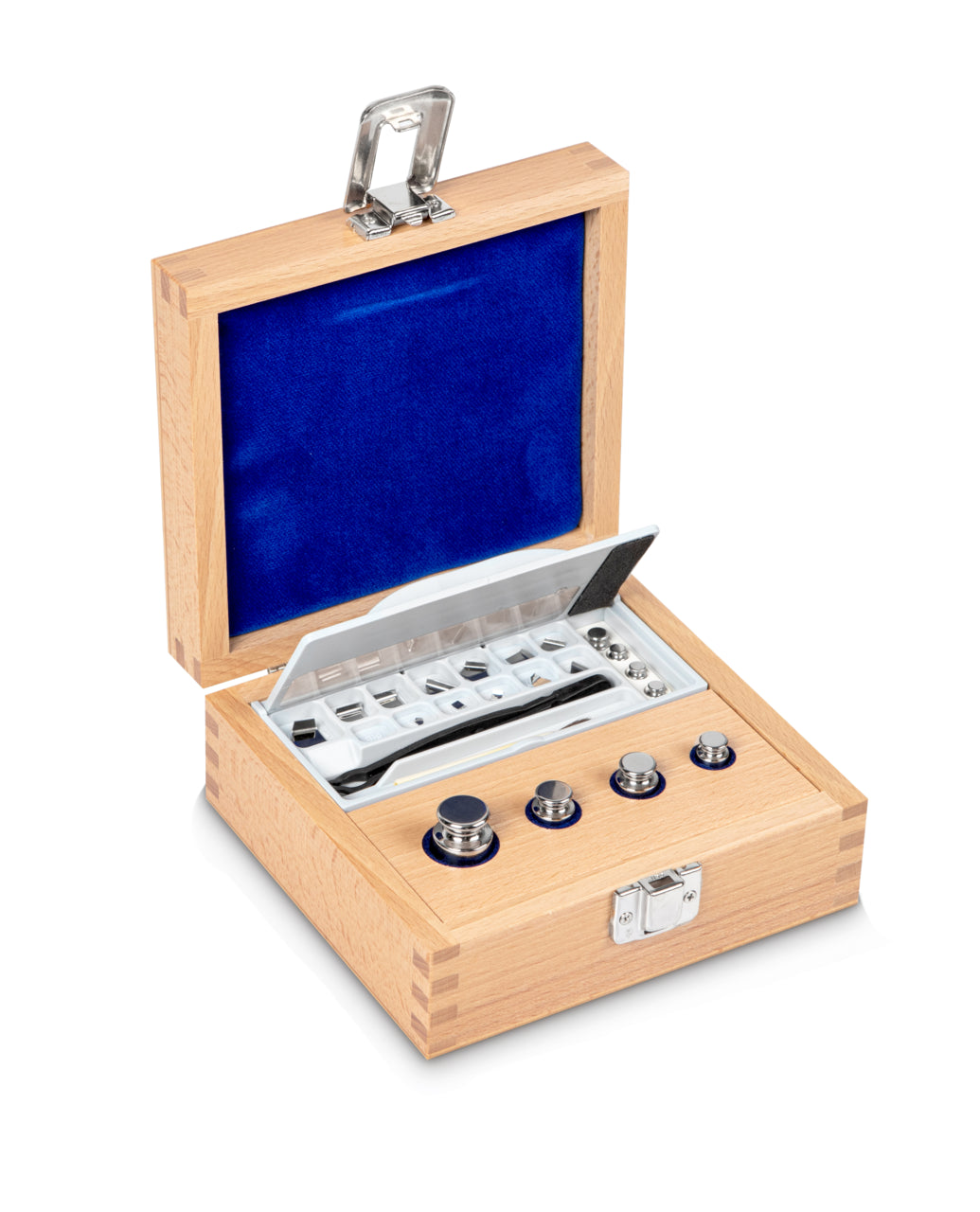
F1 Sets and Safety Sets
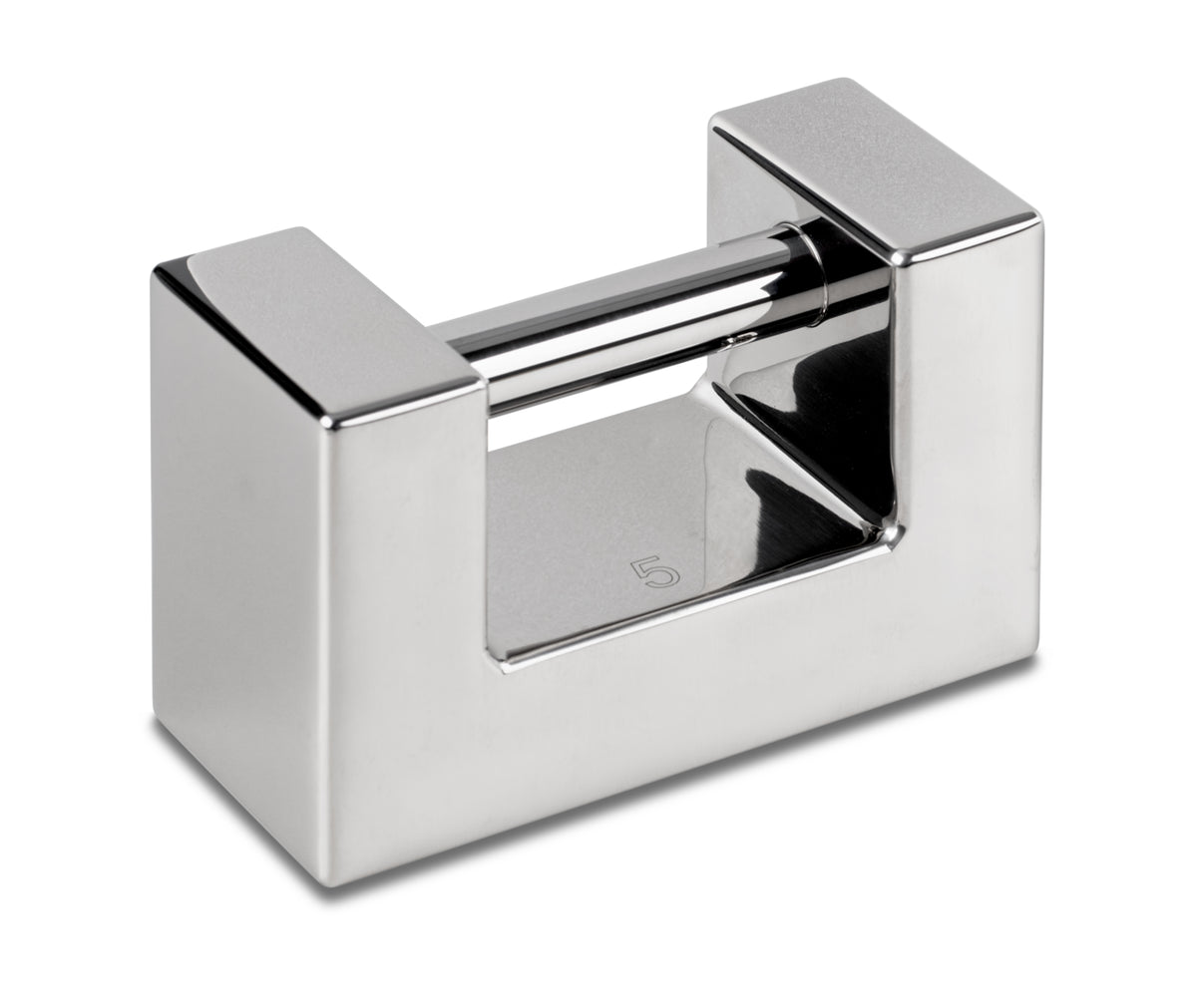
Larger Stainless Steel Weights
Learn more
F1 Test Weight Applications
How to Choose F1 Test Weights
Calibrated Pressure Gauges
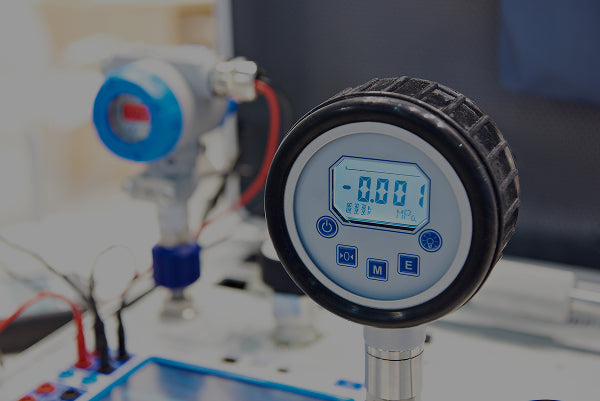
Every gauge in this range can be supplied as a calibrated pressure gauge, ready for your quality records from day one.
Select "Yes" under Calibration Certificate and we check the gauge against traceable reference equipment and issue the certificate ourselves. Our GNW200 digital gauges include a traceable certificate as standard.
We test each gauge against traceable reference equipment, using hydraulic, pneumatic or oil-free methods for oxygen service. Readings are taken rising and falling across the range, so the certificate shows hysteresis as well as error.
Out-of-spec gauges are adjusted where possible before certification.
It identifies the gauge and the reference equipment used, and reports the applied pressures, the gauge's readings and the measurement error at each test point. Test points are chosen to suit the gauge's range.
Yes. We're a family-run business, established in 1974 and based in Southport, and pressure and vacuum gauge calibration is at the heart of what we do.
We calibrate gauges from any manufacturer against traceable test equipment, in our own lab or on site anywhere in the UK, and we're ISO 9001 certificated. See our calibration services.
F1 Test Weights FAQs
What does F1 mean on a test weight?
Should I use F1 instead of M1?
Can I order F1 weights with calibration?
Do F1 weights come in cases?
Blog posts

Different Types Of Pressure Gauges
Pressure gauges are often a standard regulation across many industries; that's why GNW offers a diverse product range. This article will take a closer look into the types of pressure gauges we have...
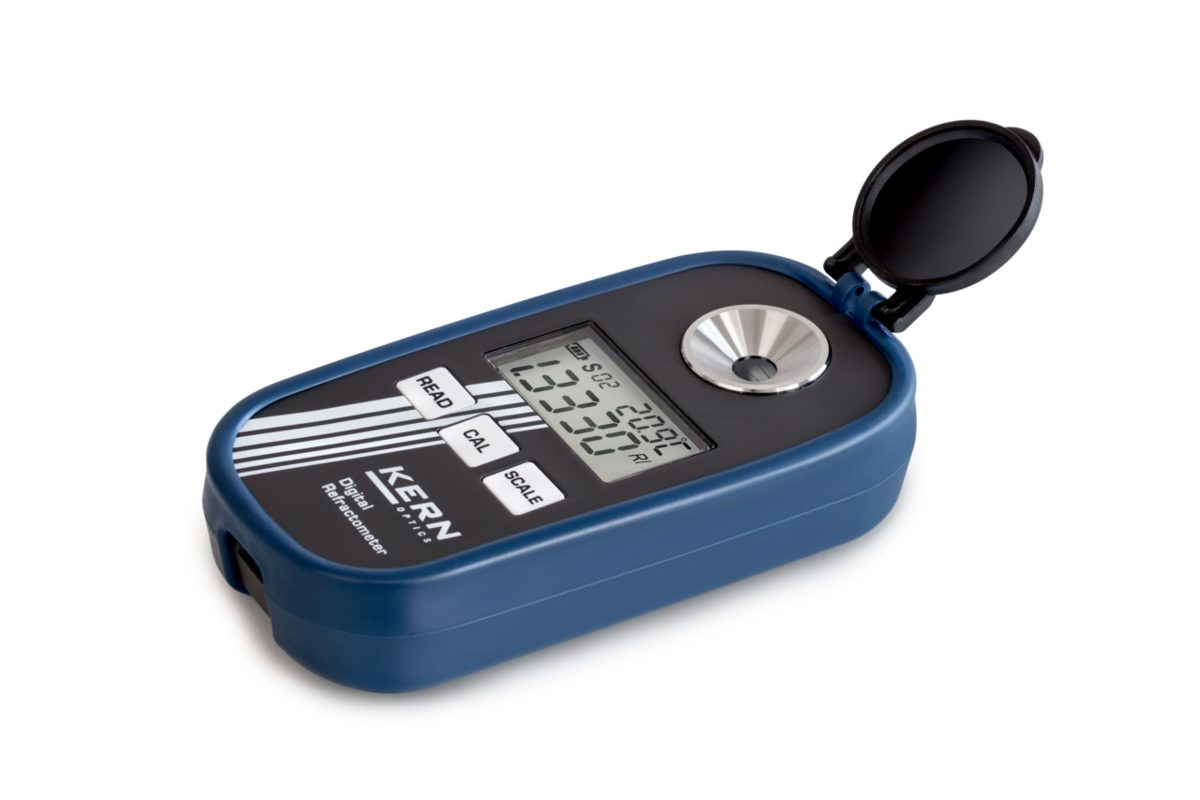
Which Refractometer Do I Need? A Practical Buyer’s Guide
Testing honey, coolant, coffee or brewing wort? Learn which refractometer scales and ranges matter, compare analogue and digital options, and find a suitable Kern model.
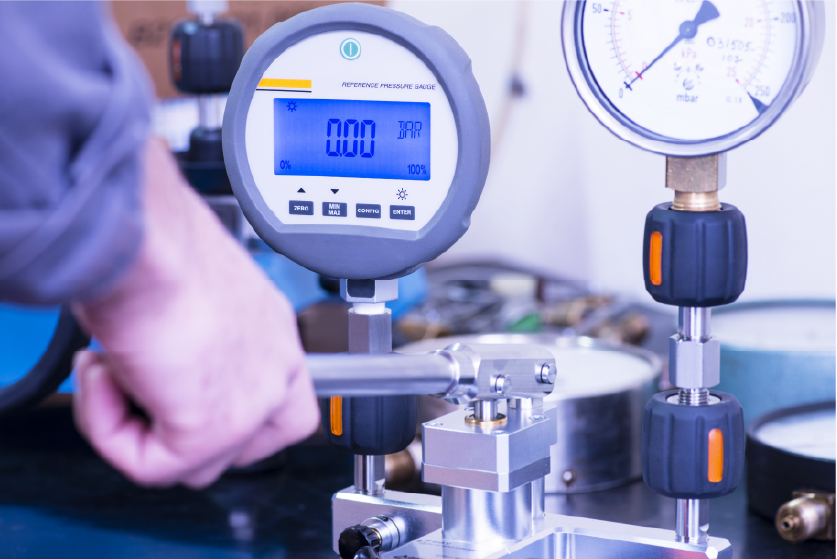
Why Is Calibration Important? A Guide to Instrument Calibration
Understand why instrument calibration matters, what a calibration certificate shows, and when traceable or UKAS-accredited calibration may be required.