Tension Load Cells

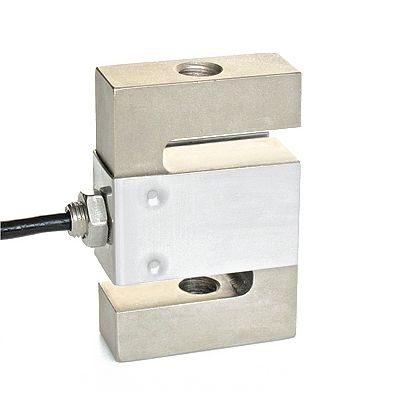
Tension Load Cells are used for industrial weighing applications where the load is applied in pull rather than compression. They support suspended hoppers, hanging vessels, force measurement assemblies and process weighing systems that require accurate load measurement through a tensile load path.

Choose from Laumas tension weighing components for replacement work, OEM builds, maintenance requirements and new installations. Consider capacity, mounting format, alignment, output compatibility and integration with weight indicators, transmitters or control equipment when specifying a system.

Filters

Filters
Sort by:

5 products

Laumas SL Tension Load Cell - GNW Instrumentation
Laumas SL Tension Load Cell Sale priceFrom £154.00
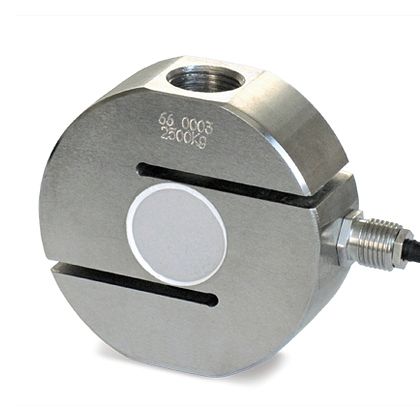
Laumas CTOL Tension Load Cell - GNW Instrumentation
Laumas CTOL Tension Load Cell Sale priceFrom £154.00
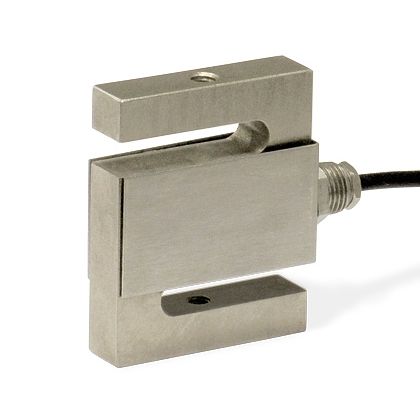
Laumas SA Tension Load Cell - GNW Instrumentation
Laumas SA Tension Load Cell Sale priceFrom £220.00
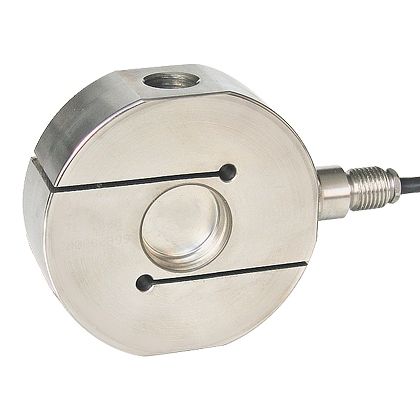
Laumas CTL Tension Load Cell - GNW Instrumentation
Laumas CTL Tension Load Cell Sale priceFrom £281.00
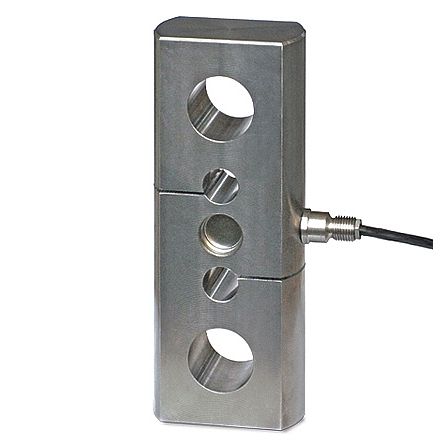
Laumas TAL Tension Load Cell - GNW Instrumentation
Laumas TAL Tension Load Cell Sale priceFrom £611.00

Further Reading

Tension weighing components

Tension Load Cells are designed for applications where the load is applied in pull rather than compression. They are commonly used in suspended weighing systems, hanging hoppers, vessel supports, force measurement assemblies and process weighing installations where the mechanical arrangement requires tensile load measurement.

When selecting a tension sensor, engineers should consider the applied load direction, working capacity, mounting arrangement, available space, environmental conditions and compatibility with the wider weighing system. The load cell must be mechanically supported and installed so that force is transferred correctly without side loading, misalignment or unwanted mechanical restraint.

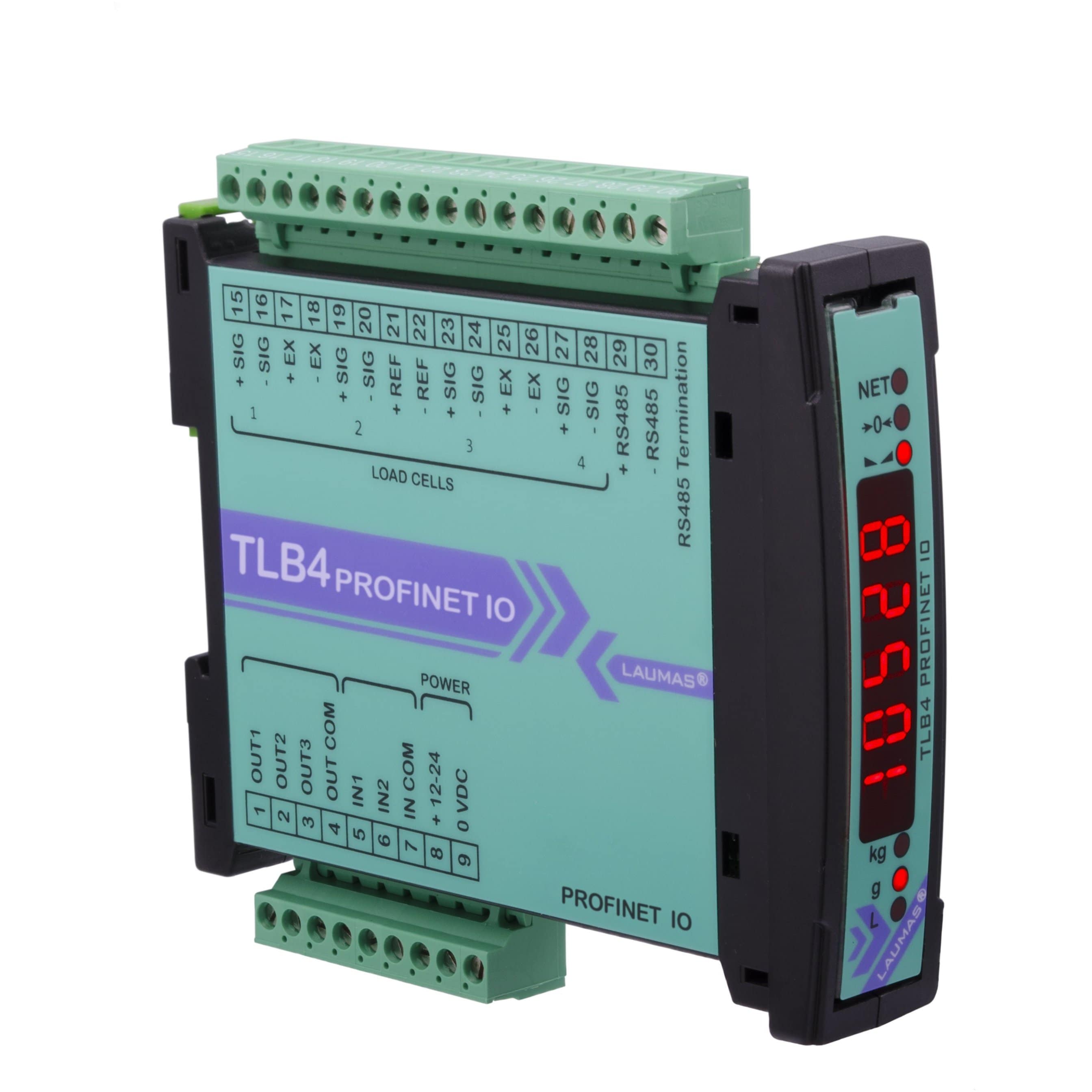
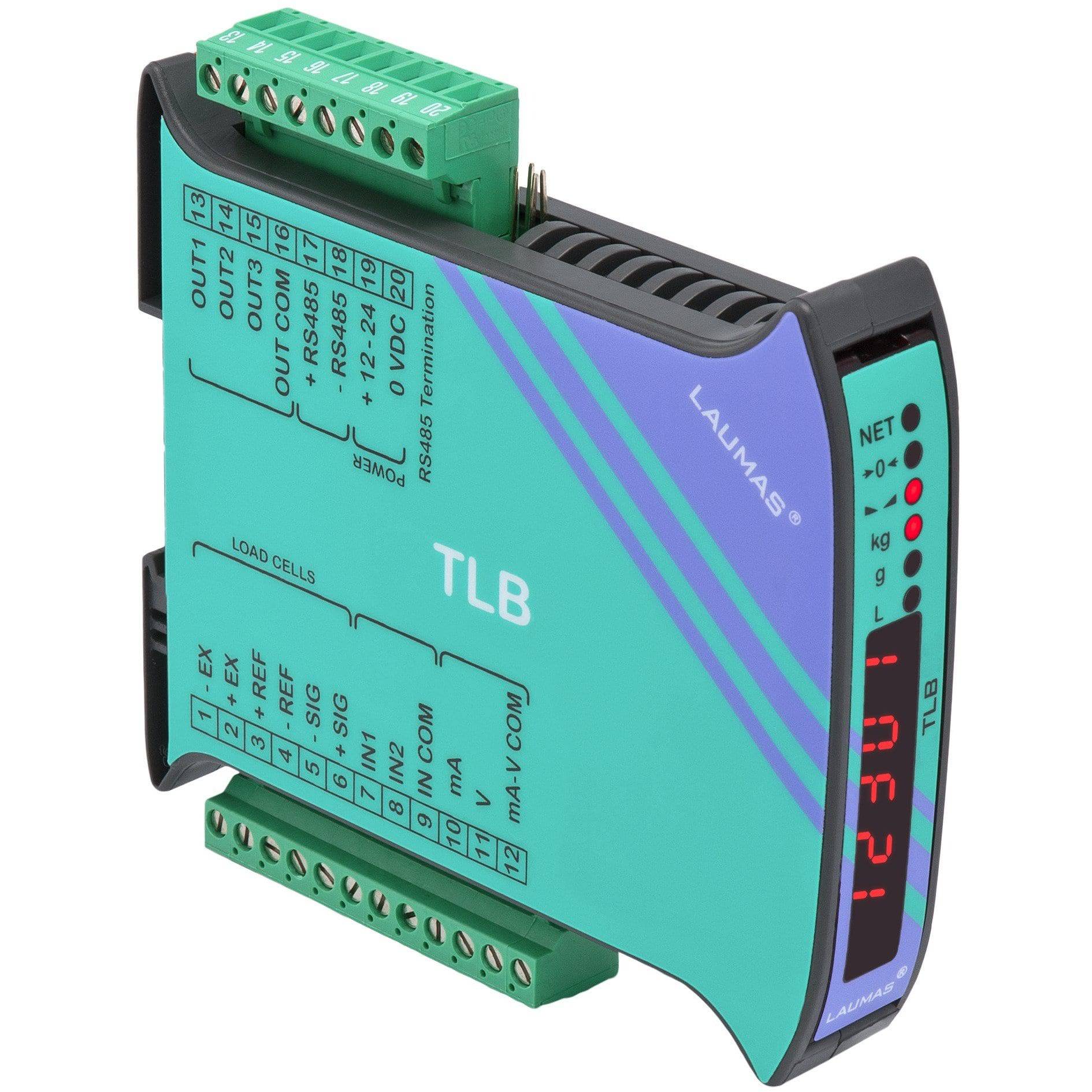
These components can be used as replacement parts, for OEM equipment, for new installations or as part of system upgrades involving weight indicators, weight transmitters and control panel integration. Matching the load cell output, cabling, junction hardware and signal conditioning equipment helps ensure dependable system performance and straightforward commissioning.

Pull-force measurement

Designed for weighing and force measurement where the load is applied in tension, such as suspended vessels, hanging assemblies and mechanical linkage systems.

System compatibility

Select sensors with the correct capacity, output and mounting format for use with existing weight indicators, transmitters, junction boxes and process control equipment.

Installation considerations

Correct alignment, load path, fixings and mechanical protection are important to reduce side loading and support accurate, repeatable weighing performance.

Learn more

Typical applications

Tension weighing is used where a suspended load, hanging structure or pull-force arrangement needs to be measured as part of a weighing or process control system.

Suspended hopper weighing

Used where hoppers, bins or vessels are supported from above and the load is measured through tensile supports or hanging hardware.

Process batching systems

Suitable for process weighing arrangements where material addition, discharge or batch control depends on reliable load measurement.

Mechanical force monitoring

Applied in industrial assemblies where pull force needs to be measured, monitored or converted into a usable weighing signal.

Choosing tension load cells

Selection should be based on the mechanical design of the weighing system as well as the electrical and control requirements of the installation.

Confirm load direction

Use a tension type only where the load is applied as a pull force. If the structure is supported from below, a compression or beam type may be more appropriate.

Select suitable capacity

Choose a capacity that covers the maximum working load, allowing for tare weight, dynamic effects and the number of load cells sharing the load.

Check mounting arrangement

Review thread, eye, clevis or linkage requirements and ensure the installation allows correct alignment without side loading or mechanical binding.

Match the electronics

Confirm compatibility with the weight indicator, transmitter, junction hardware or PLC interface used for signal conditioning, display and control integration.

Tension load cell FAQs

Common buyer questions about selecting, replacing and integrating tension sensors in industrial weighing systems.