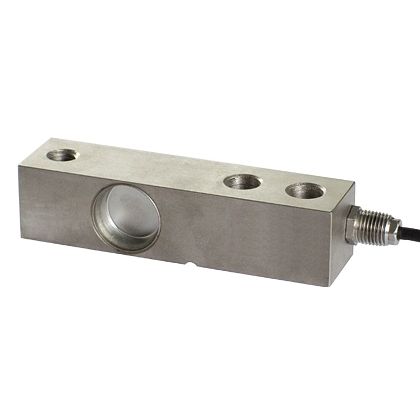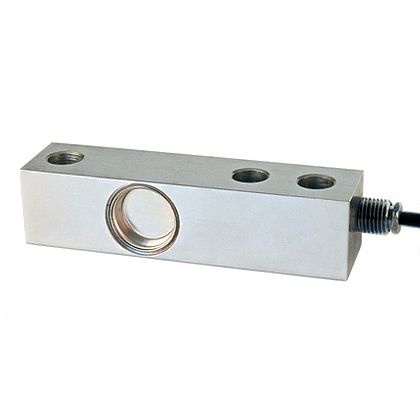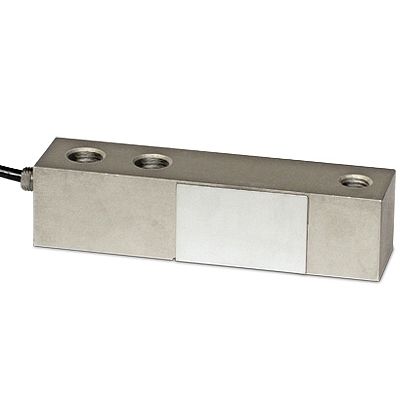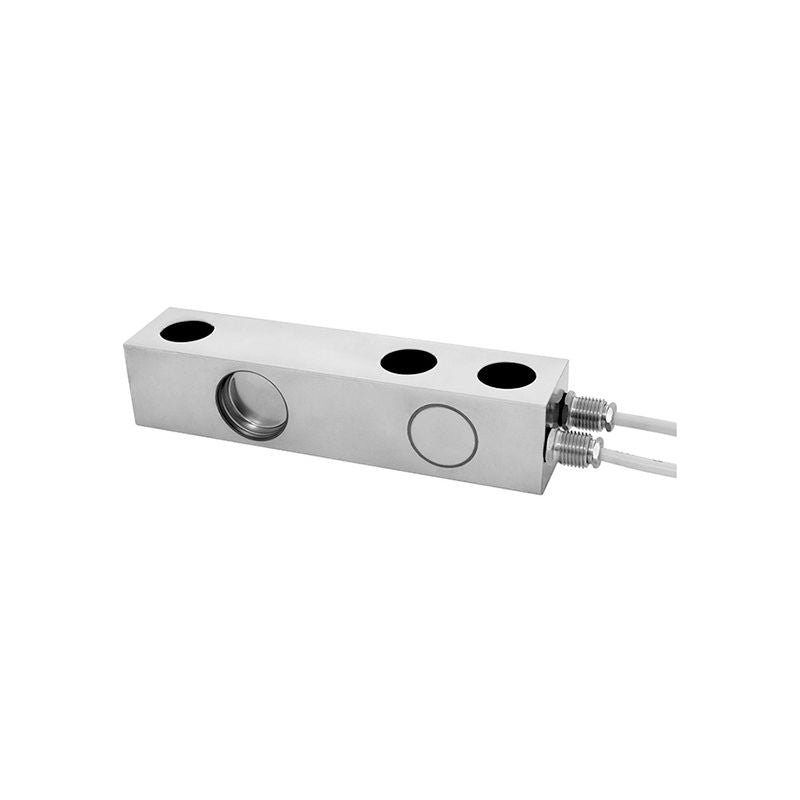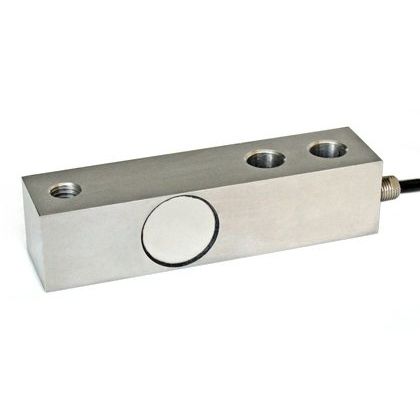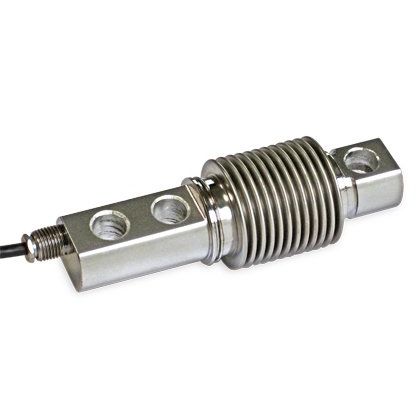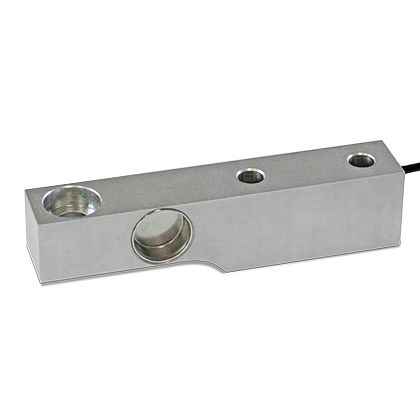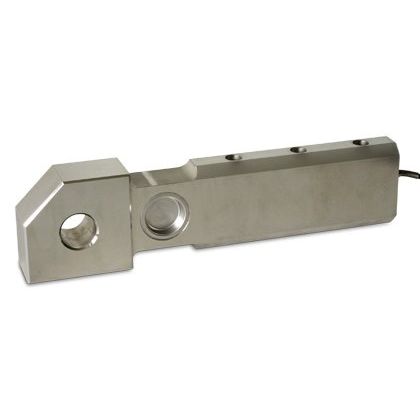

Shear Beam Load Cells
Shear Beam Load Cells are used in industrial weighing systems where force is applied through a defined mounting arrangement, such as platforms, hoppers, tanks and process vessels. This collection includes Laumas shear beam options for new installations, replacement work, OEM equipment and weighing system upgrades.
When selecting a load cell, consider capacity, mounting format, load distribution, environmental conditions and compatibility with existing weight indicators, weight transmitters and control equipment.
Filters
8 products
Shear Beam Load Cells
Shear Beam Load Cells are used in industrial weighing equipment where loads must be measured through a stable mechanical mounting arrangement. They are commonly specified for platform scales, tanks, hoppers, vessels and process weighing systems.
These Laumas weighing components can be used for replacement parts, OEM equipment, maintenance stock, system upgrades and new installations where the capacity, mounting format and electrical compatibility suit the application.
- Typical uses: platform, hopper, tank and process weighing
- Key considerations: capacity, load direction, mounting style and environment
- System integration: connect with compatible weight indicators, weight transmitters and weighing electronics
Further Reading
Shear Beam Load Cell Selection
Shear Beam Load Cells are widely used in industrial weighing equipment where a robust, mechanically mounted sensor is required for measuring force in platform, tank, hopper and process weighing applications.
This collection covers Laumas shear beam load cell options for use as replacement parts, OEM equipment, maintenance stock or components in new weighing systems. They are commonly specified where the load is applied through a mounting assembly and the installation must provide stable, repeatable force transfer into the sensor.
When selecting a shear beam type, engineers should consider the required capacity, number of supports, load introduction method, mounting hardware, environment, cable routing and compatibility with existing weighing electronics. Matching the load cell output and installation arrangement to the weight indicator, weight transmitter or control system is essential for reliable signal conditioning and calibration.
For replacement work, check the existing load cell dimensions, capacity, wiring and mounting layout before ordering. For new installations, consider the complete weighing system, including mechanical restraint, junction boxes, signal conditioning, display requirements and PLC or process integration.
Industrial Load Measurement
Shear beam designs are suited to many industrial weighing systems, including platforms, tanks, hoppers and process vessels where force is applied through a defined mounting arrangement.
System Compatibility
Select load cells alongside compatible weight indicators, weight transmitters, junction boxes and mounting kits to support accurate signal conditioning, calibration and control integration.
Replacement and OEM Use
Suitable for maintenance replacement, OEM machinery, panel-build projects and system upgrades where the capacity, footprint, wiring and installation method match the application.
Learn more
Typical Applications
Shear beam load cells are used across industrial measurement hardware where a fixed mechanical installation converts applied force into a weighing signal for indication, batching or process control.
Used in platform weighing assemblies where load is transferred through a structured frame and measured by one or more load cells connected to a weight indicator or transmitter.
Applied in tank, hopper and vessel weighing systems where material weight must be monitored during filling, emptying, batching or inventory control.
Integrated into weighing automation where load cell signals are conditioned for display, control panel connection or process feedback.
How to Choose
Choosing the correct shear beam load cell depends on the mechanical layout as much as the electrical weighing instrumentation. Always assess the complete system before selecting a replacement or component for a new build.
Select a capacity that suits the maximum applied load, number of support points and expected load distribution. Allow for the full mechanical arrangement rather than only the product weight.
Check the mounting format, fixing points and load introduction method. Correct installation hardware helps protect the sensor and supports reliable force transfer.
Confirm the load cell wiring, signal type and compatibility with the weight indicator, weight transmitter, junction box or control system used in the installation.
Consider surrounding conditions, cleaning regime, cable protection, mechanical restraint and access for inspection, calibration and replacement.
Shear Beam Load Cell FAQs
These answers cover common selection and installation questions for engineers, maintenance teams, OEM buyers and system integrators specifying shear beam weighing components.
What is a shear beam load cell used for?
A shear beam load cell is used to measure force in industrial weighing equipment such as platforms, hoppers, tanks and process weighing systems. It is typically installed with suitable mounting hardware to transfer the applied load into the sensor.
How do I choose a replacement shear beam load cell?
Check the existing capacity, dimensions, mounting hole pattern, wiring, output compatibility and installation layout. The replacement should match the mechanical and electrical requirements of the weighing system.
Can shear beam load cells be connected to a weight transmitter?
Yes, where the transmitter is compatible with the load cell signal and system wiring. The weight transmitter conditions the load cell signal for use in control panels, process weighing and weighing automation.
Do shear beam load cells need mounting kits?
Many installations require suitable mounting assemblies to control load introduction, provide restraint and protect the load cell from unwanted forces. The correct arrangement depends on the scale, vessel or machine design.