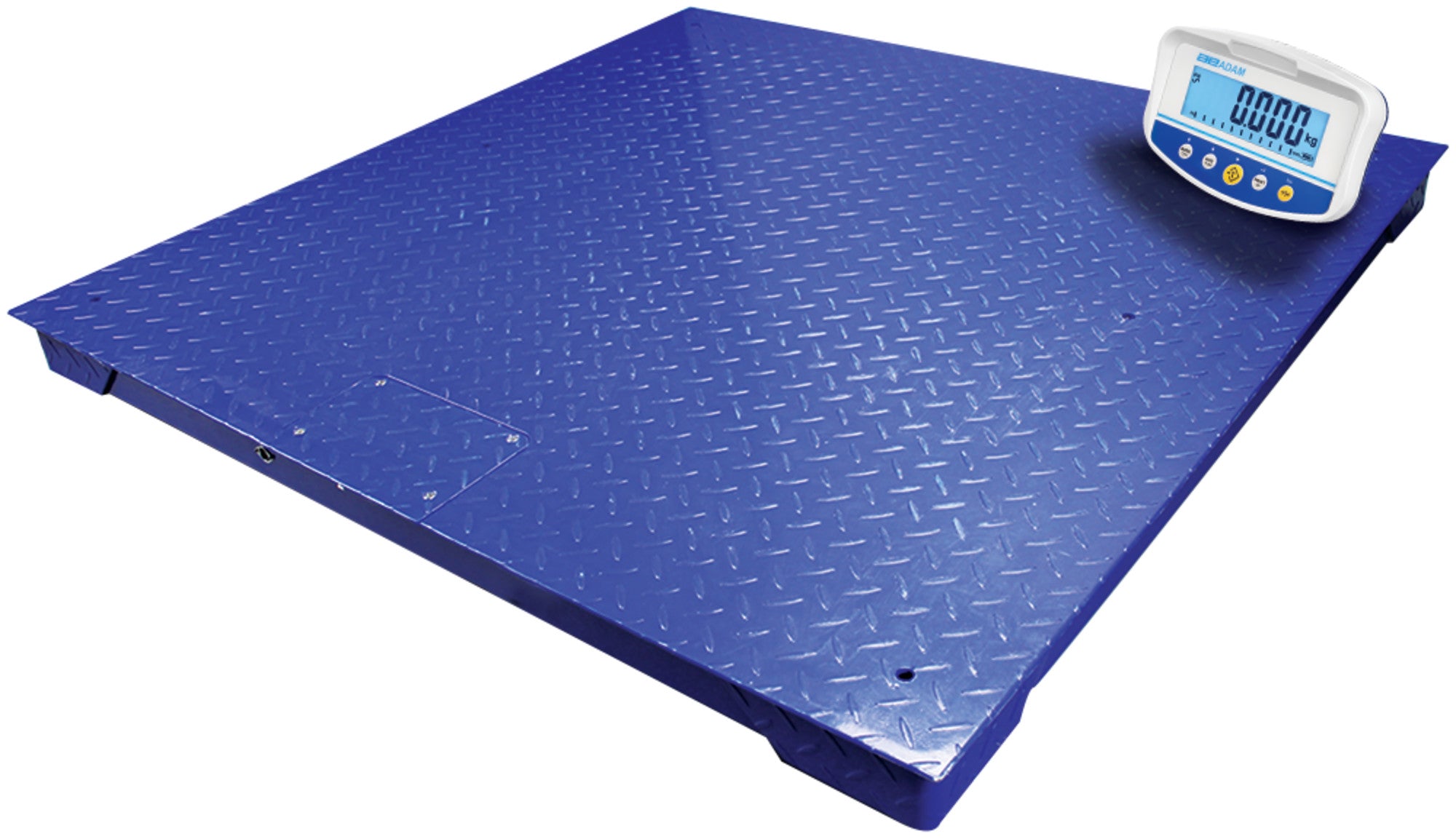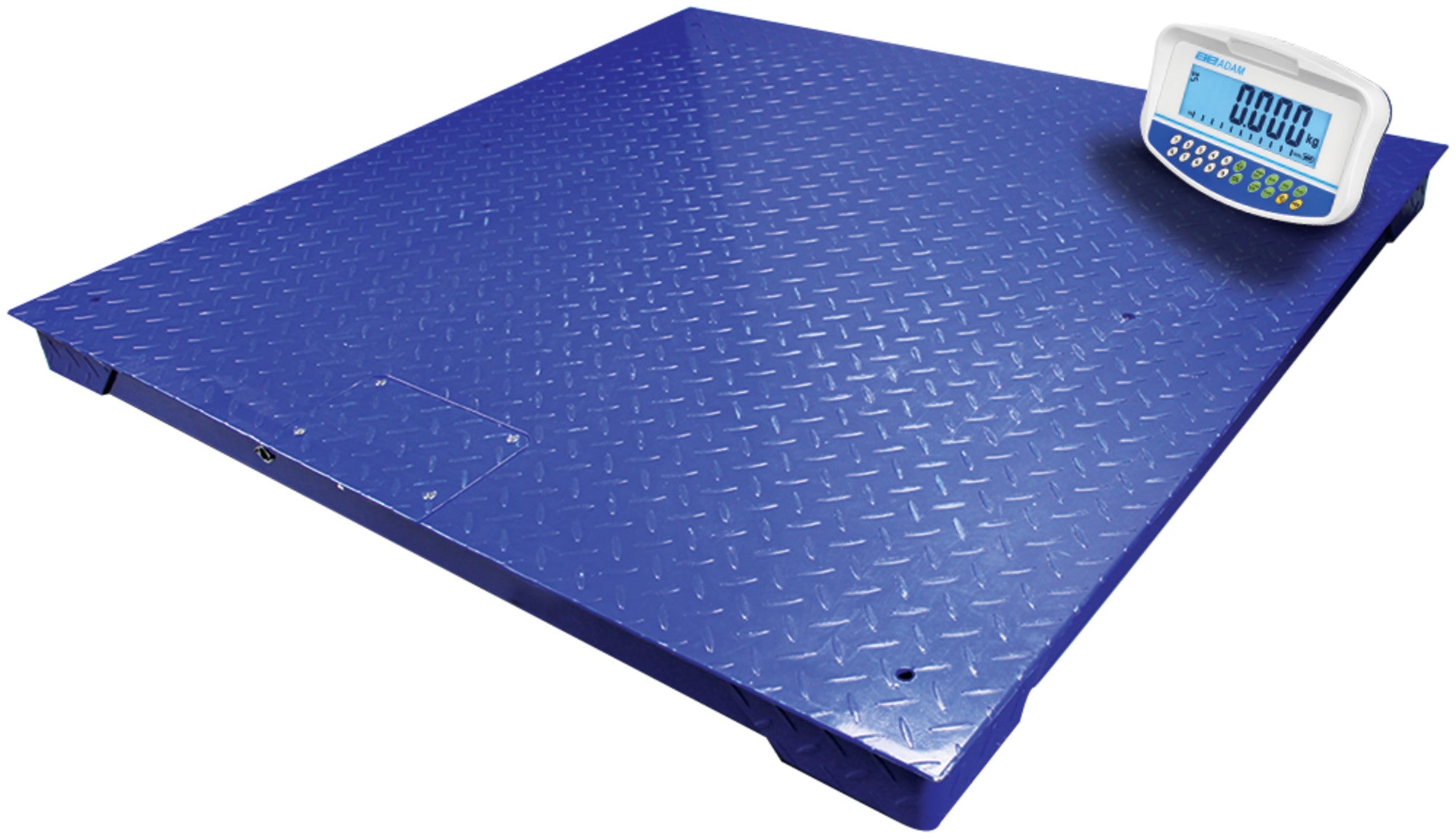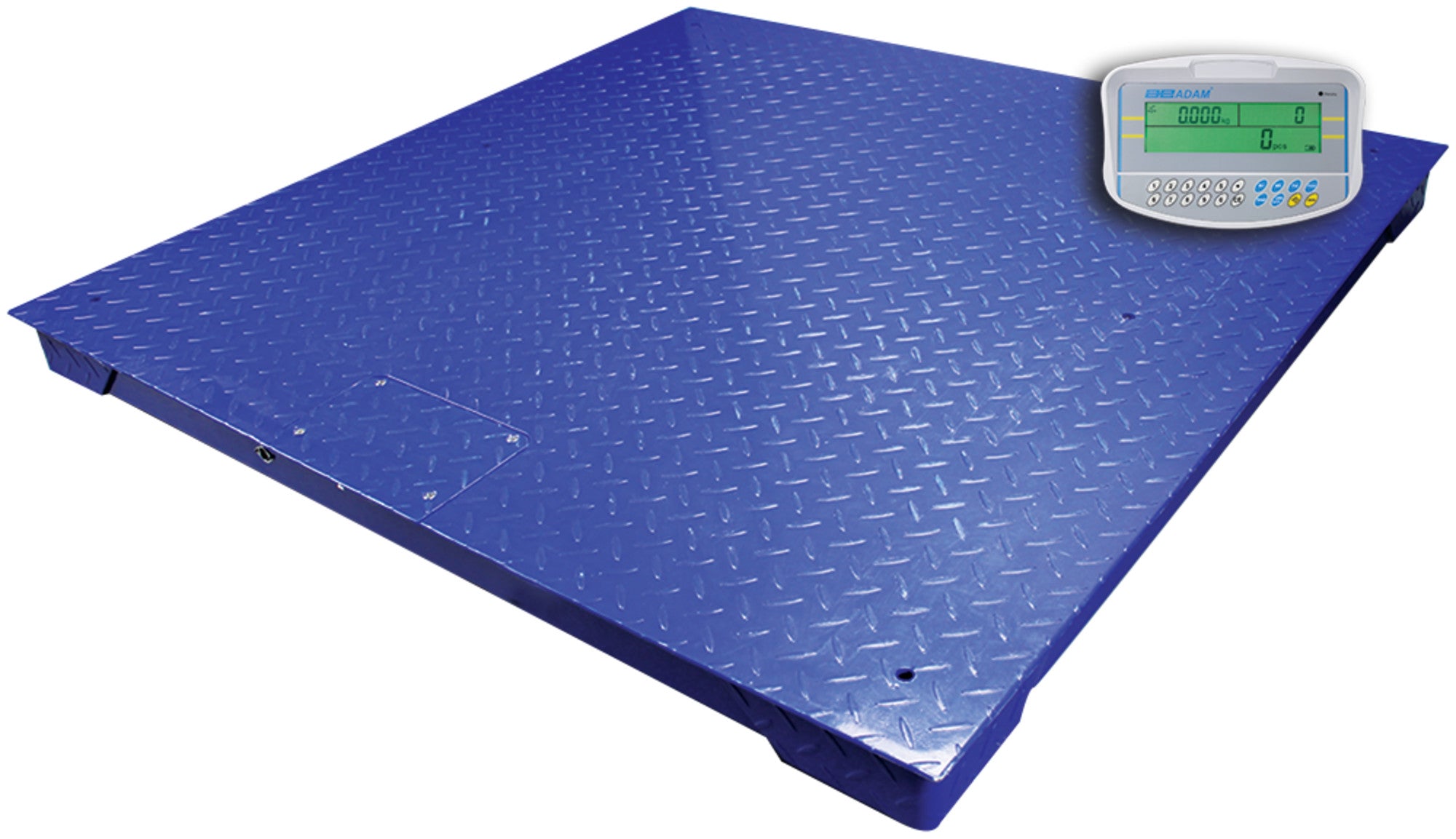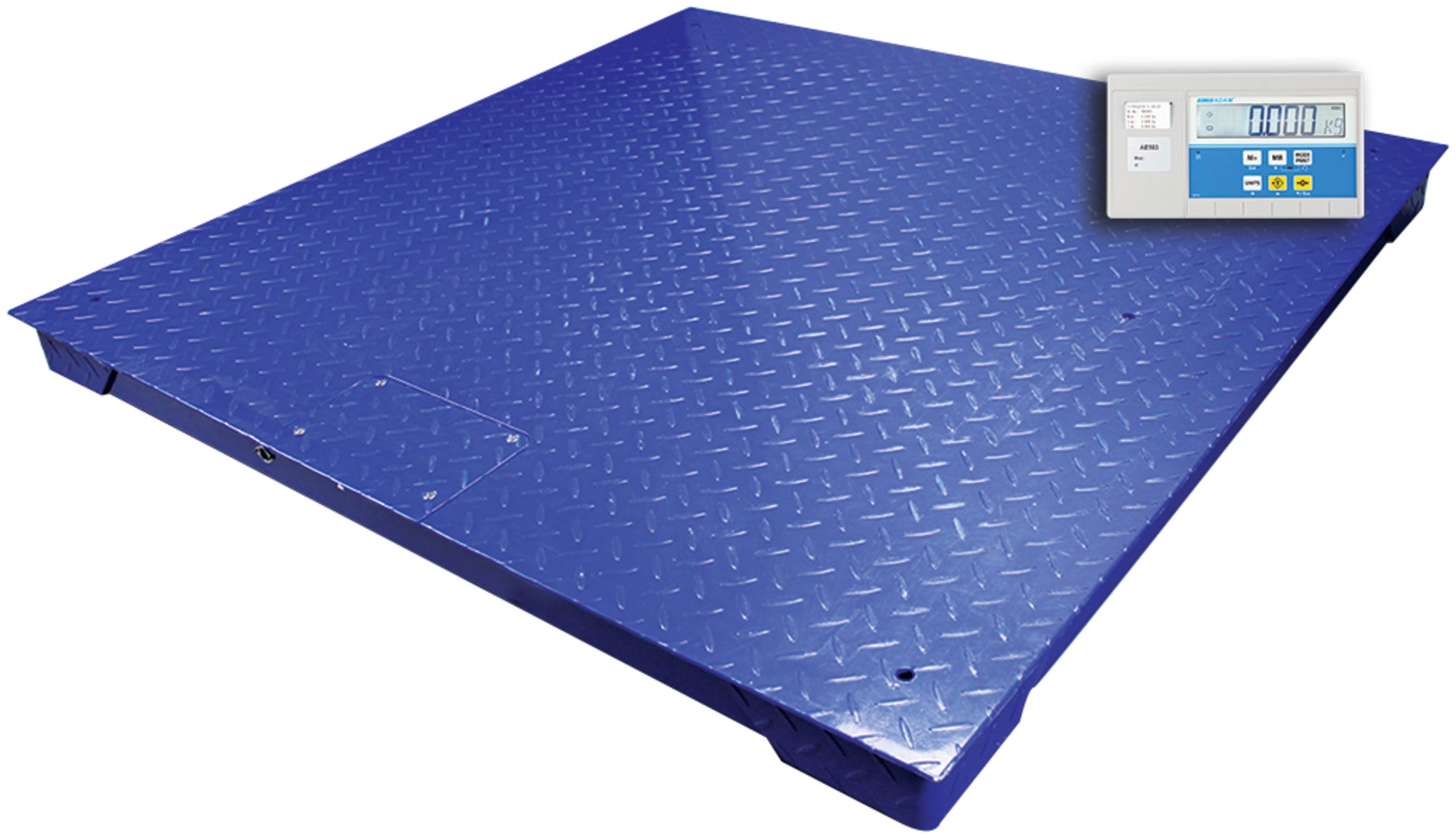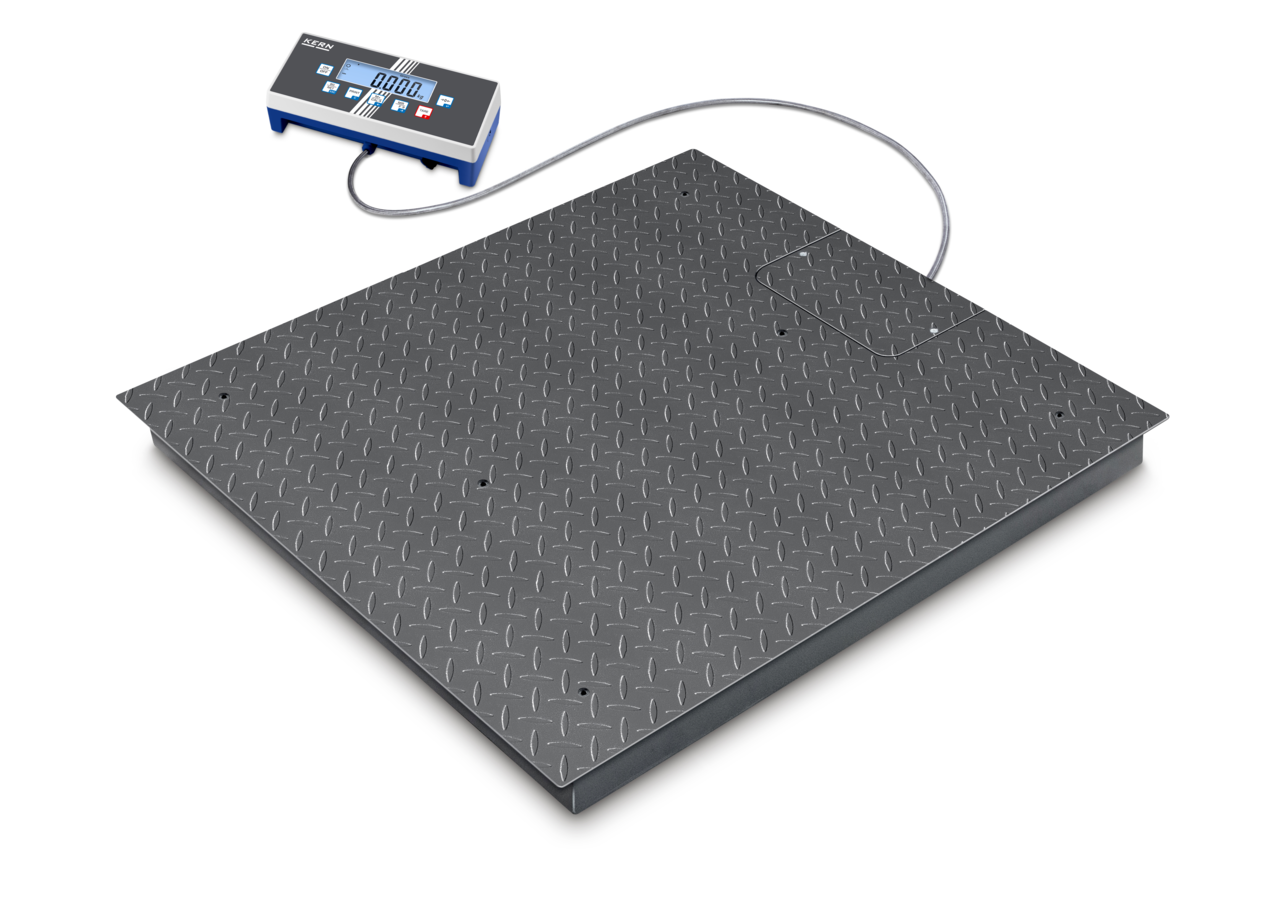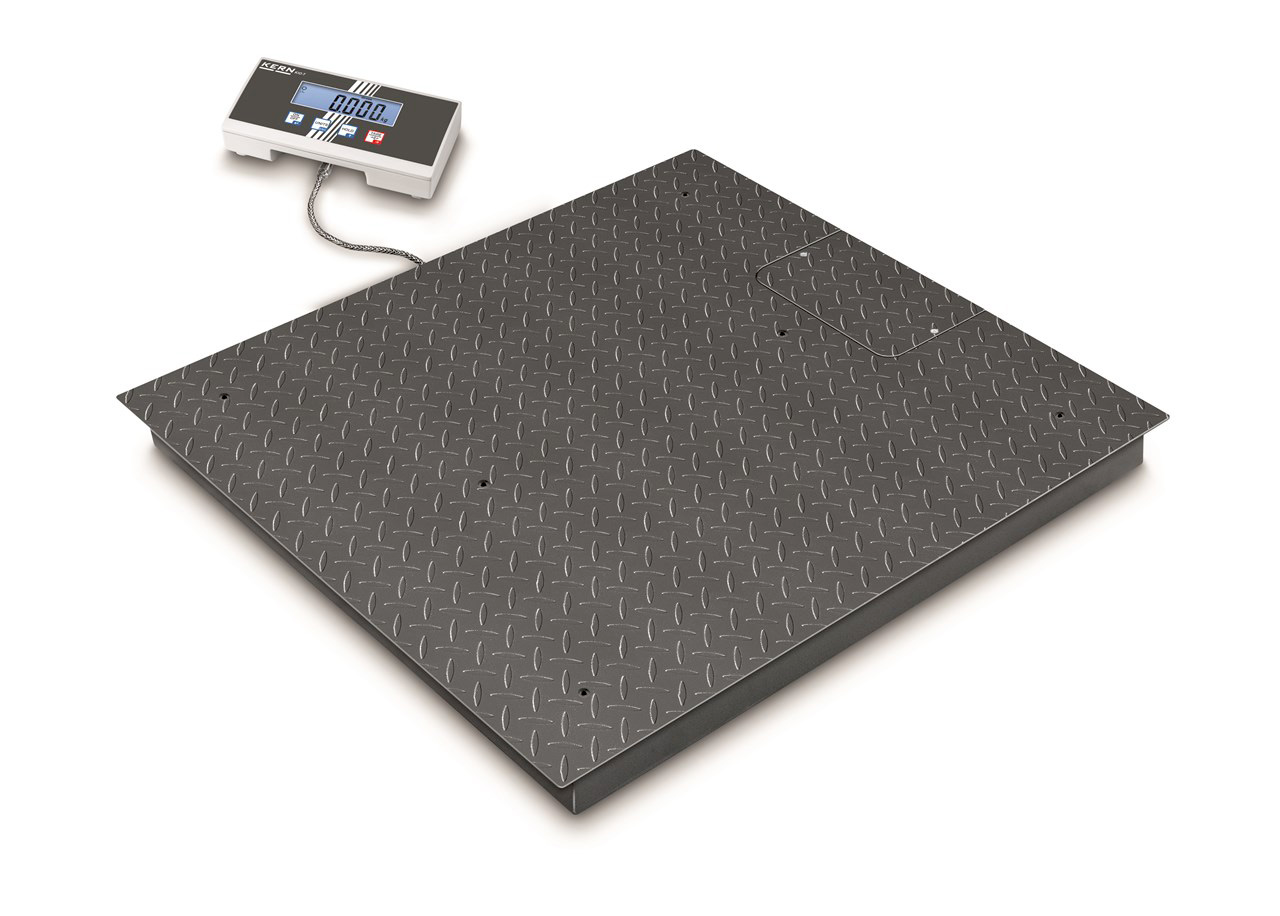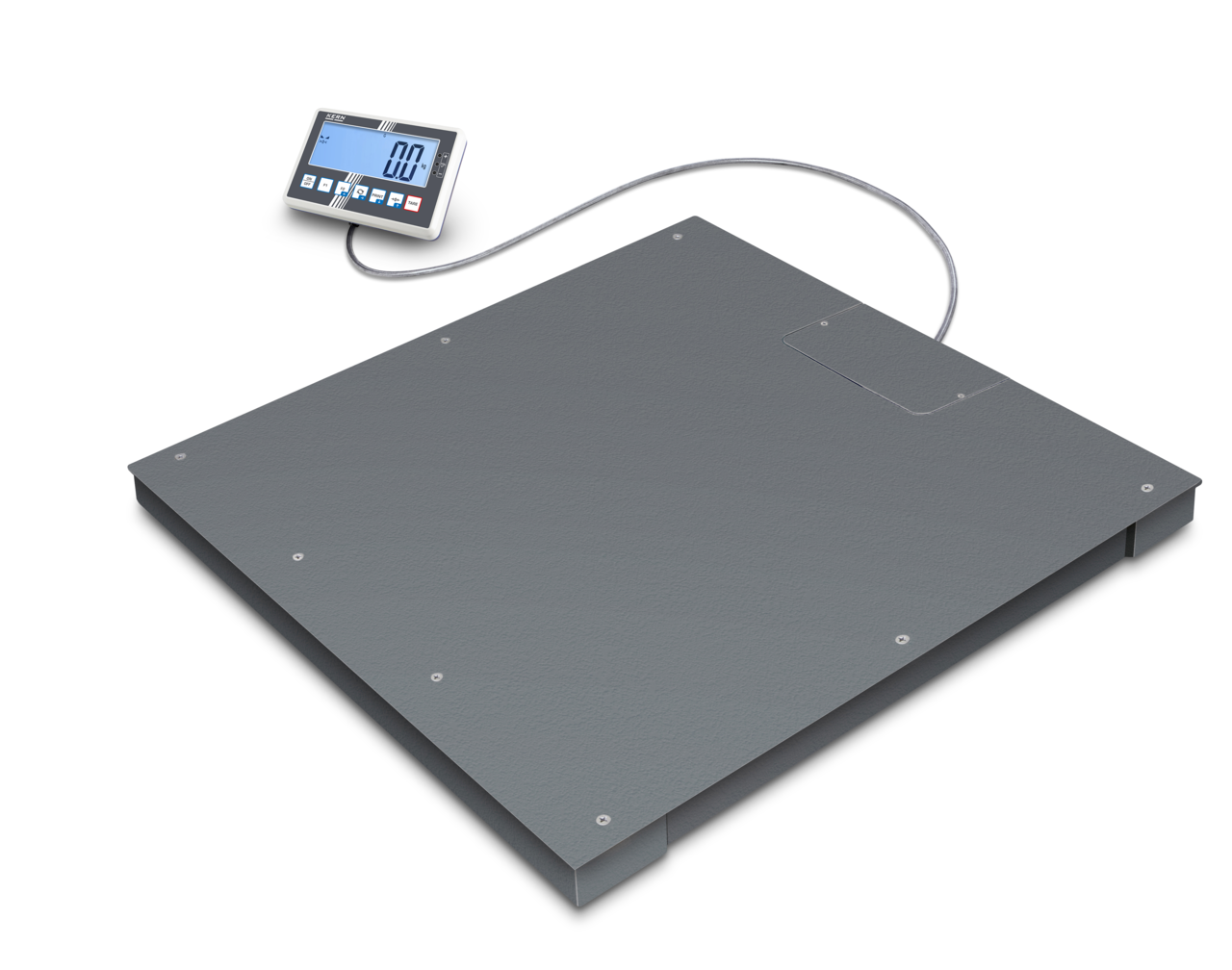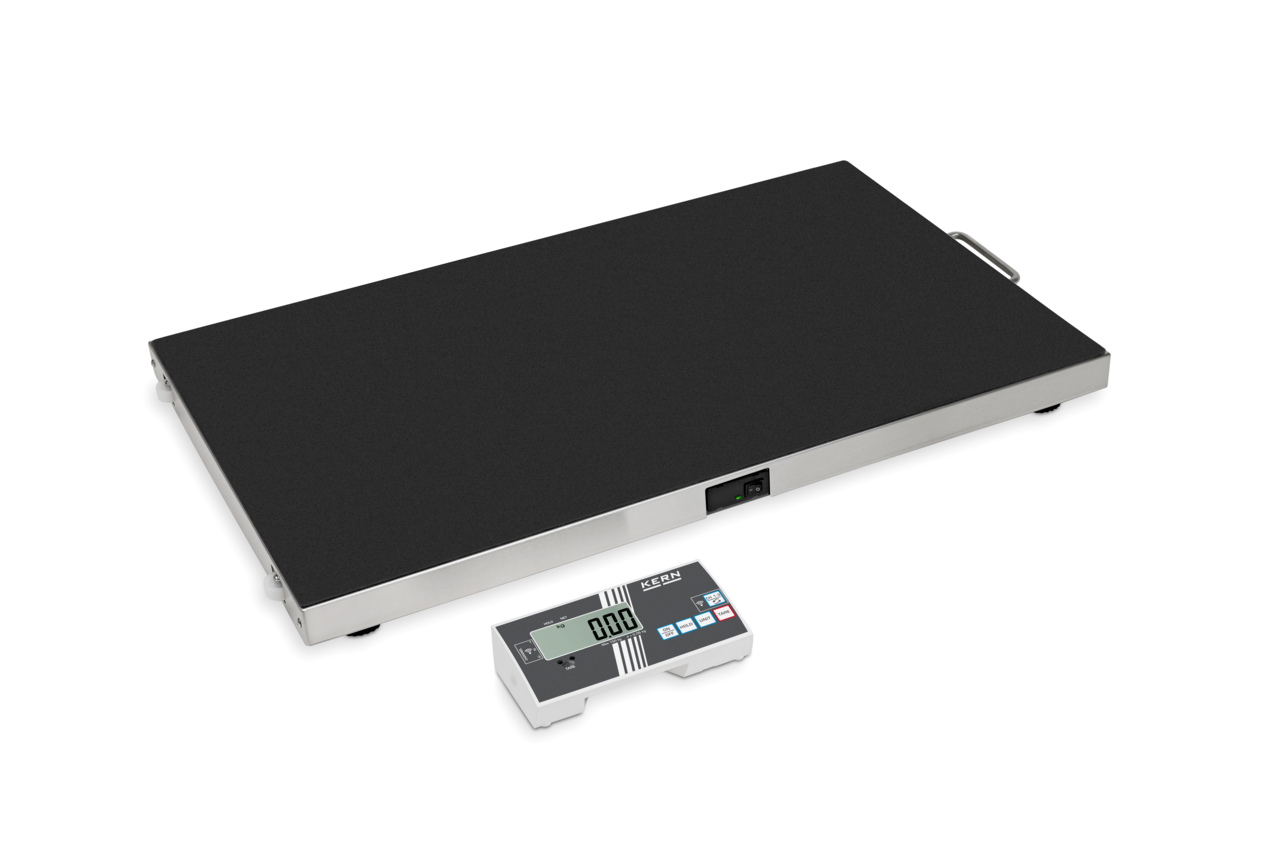

Floor and Pallet Scales
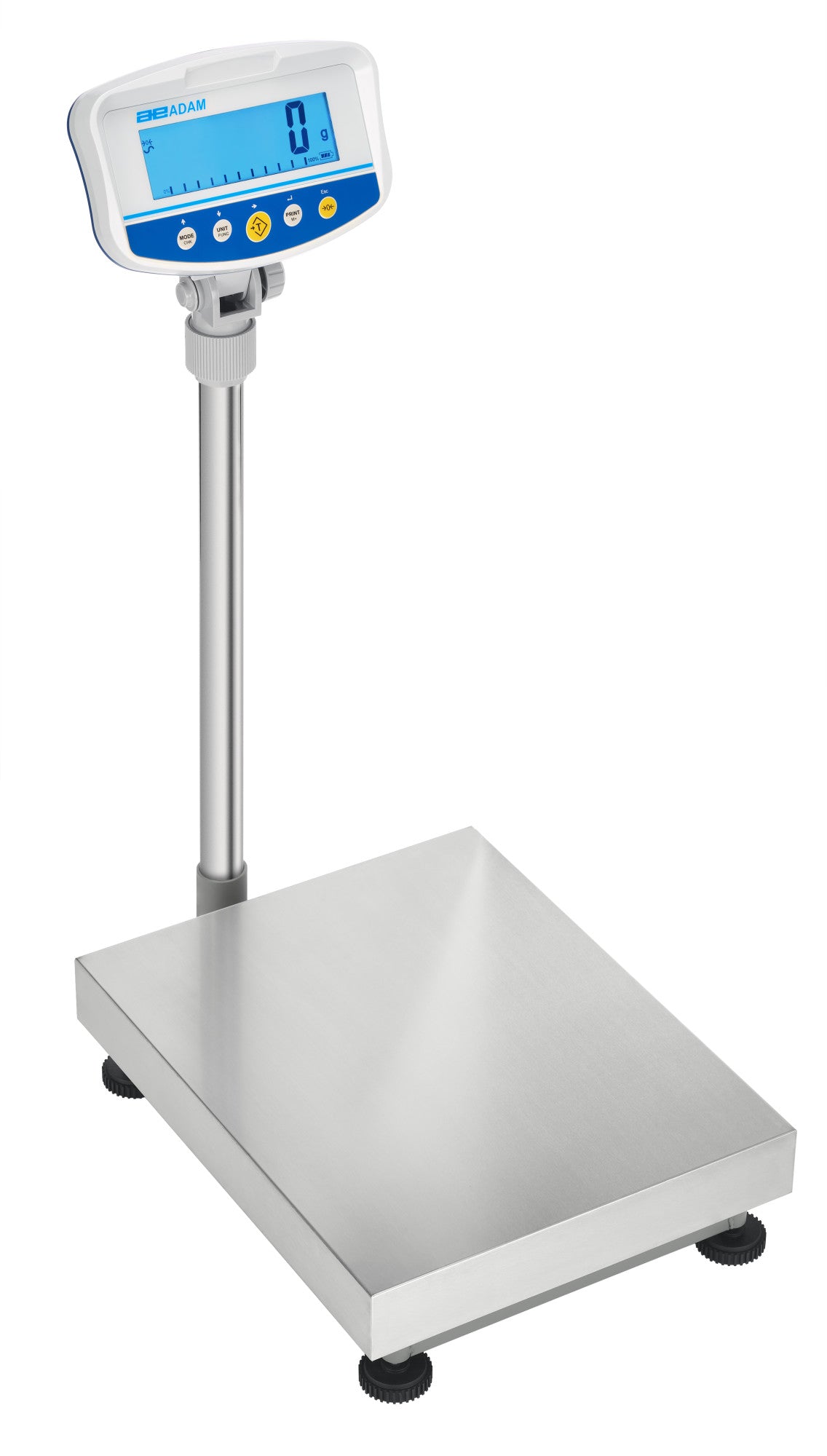
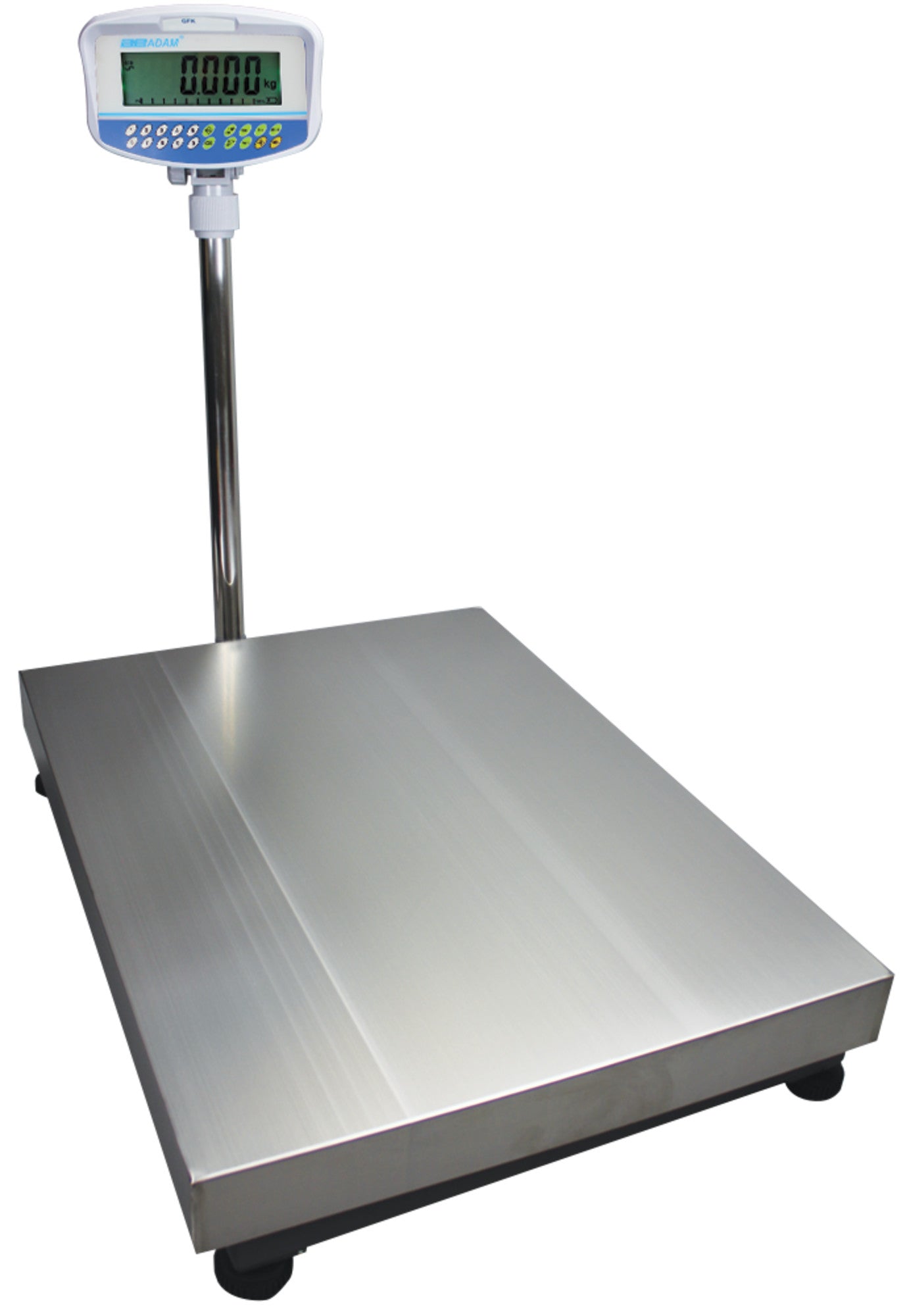
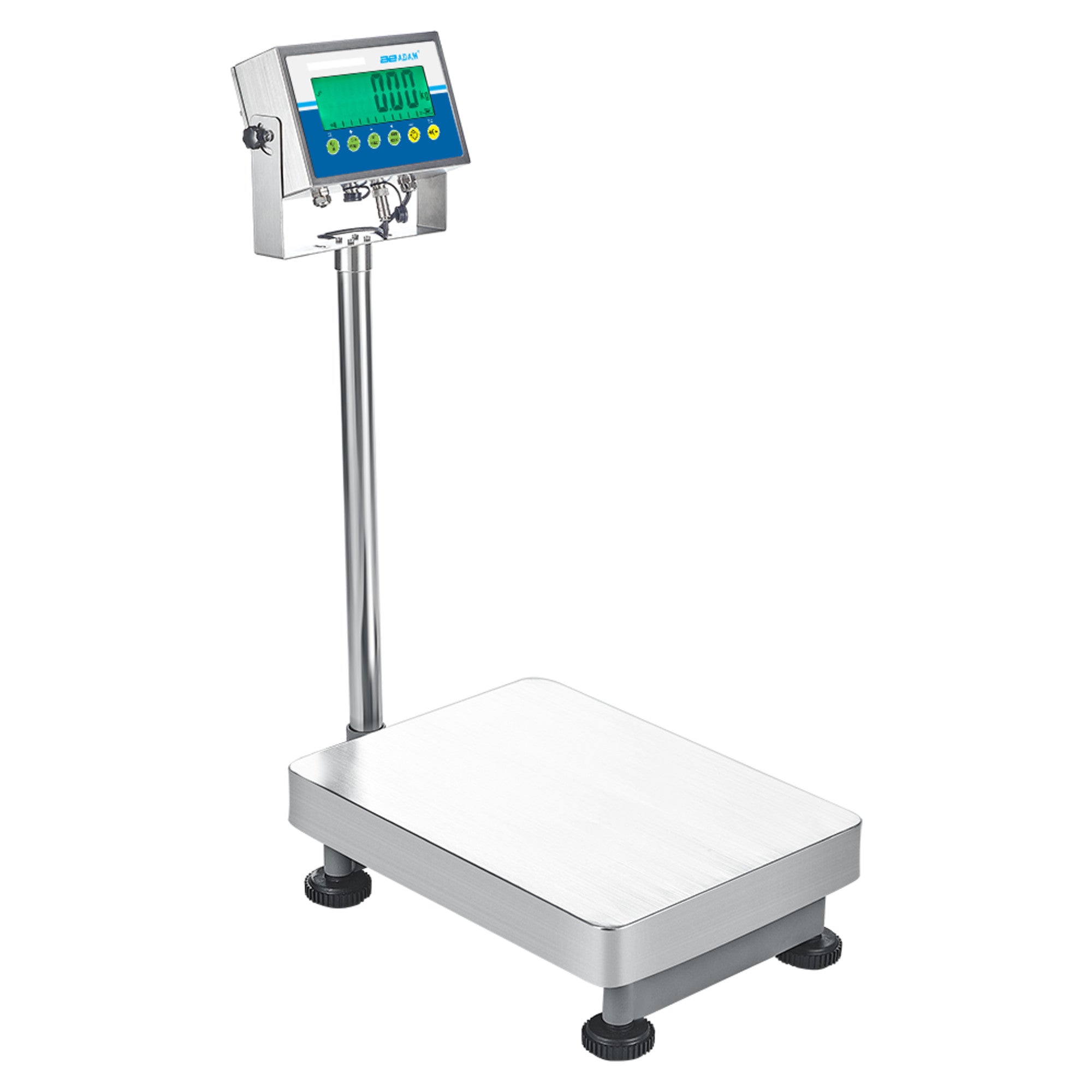
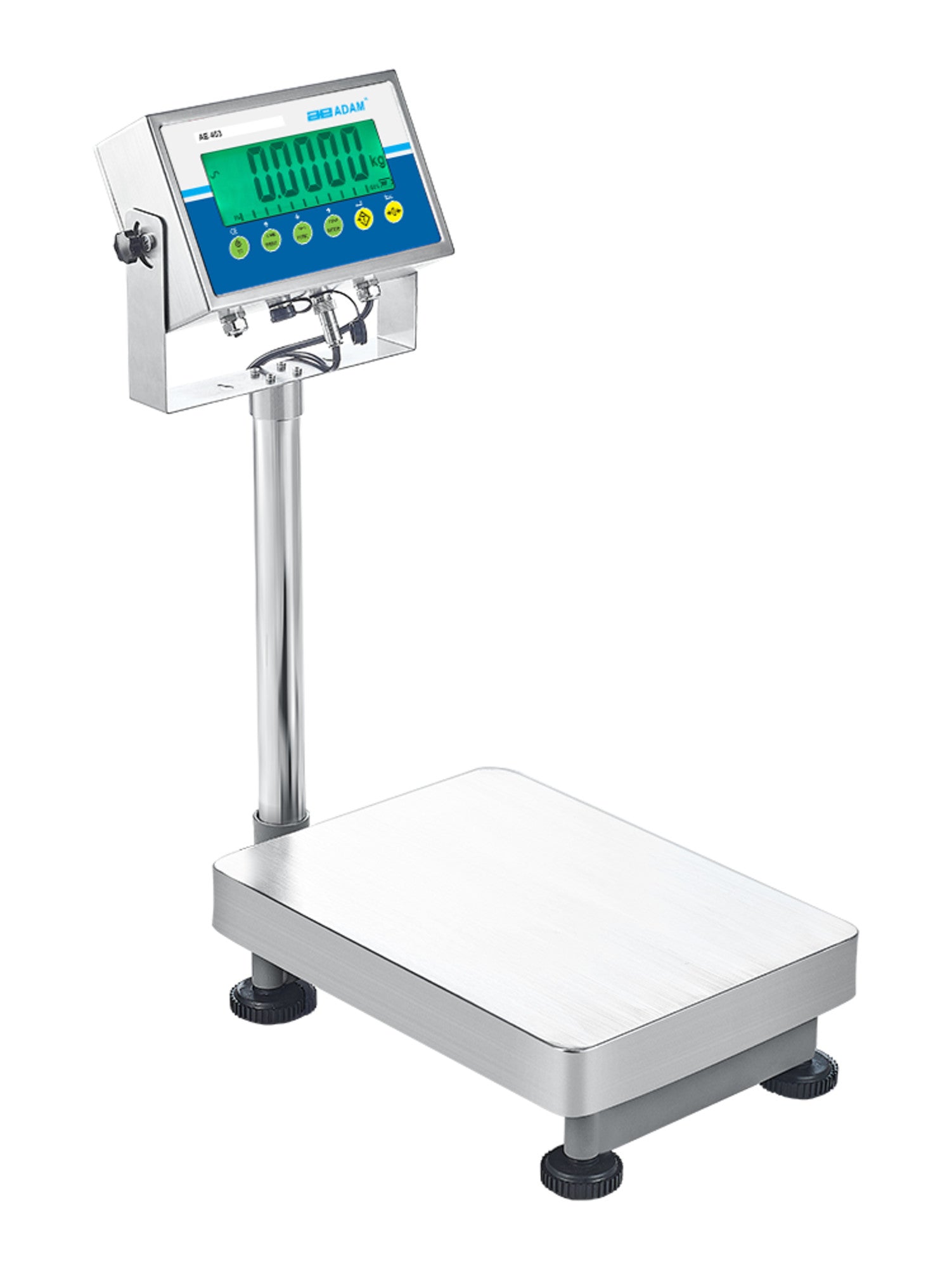
Floor and pallet scales provide large-capacity weighing for pallets, drums, containers and heavy industrial loads. Explore complete weighing systems from Kern, Ohaus and Adam Equipment for warehouses, manufacturing, logistics and production environments.
Filters
39 products
Large-Capacity Floor and Pallet Scales
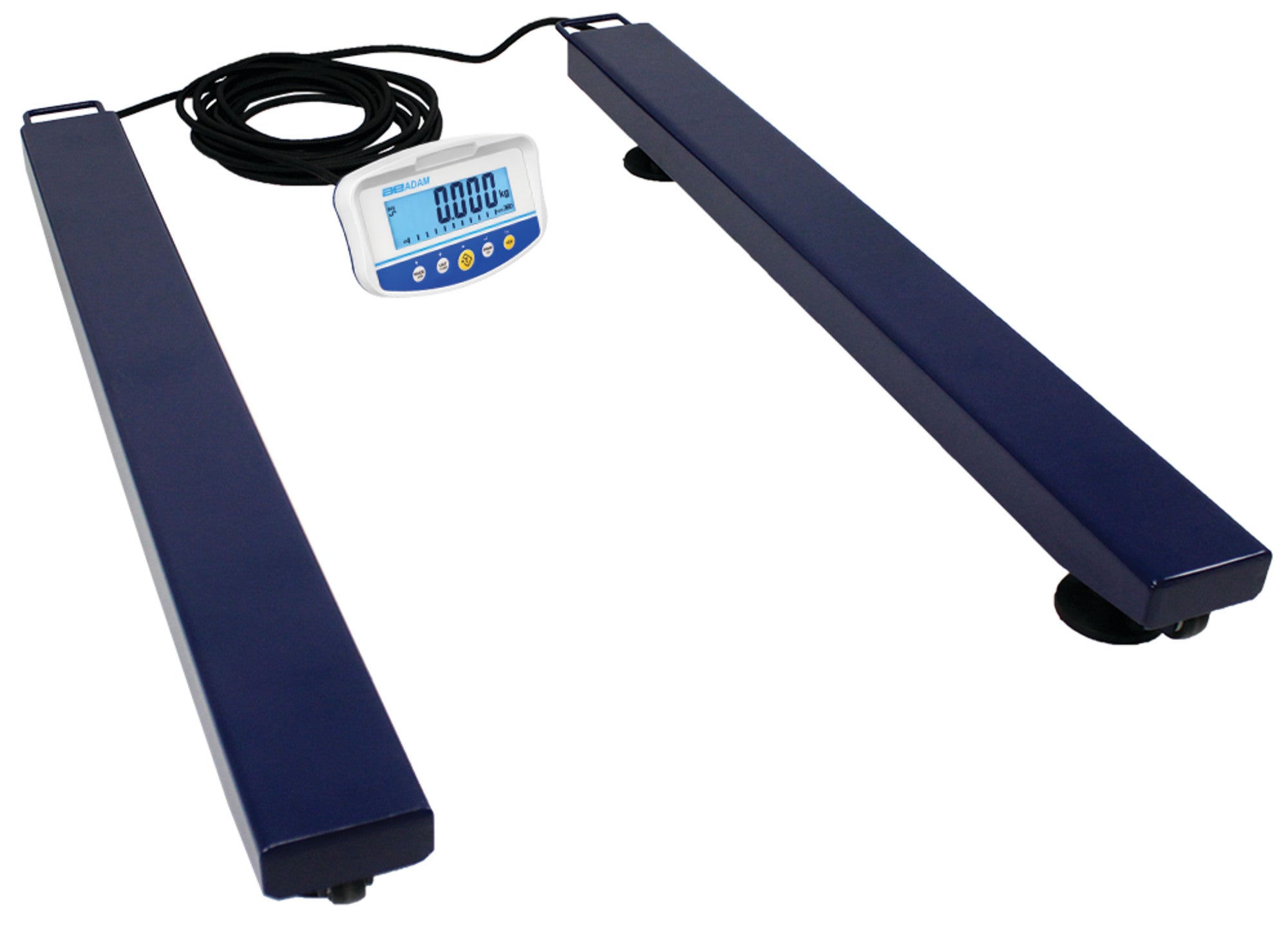
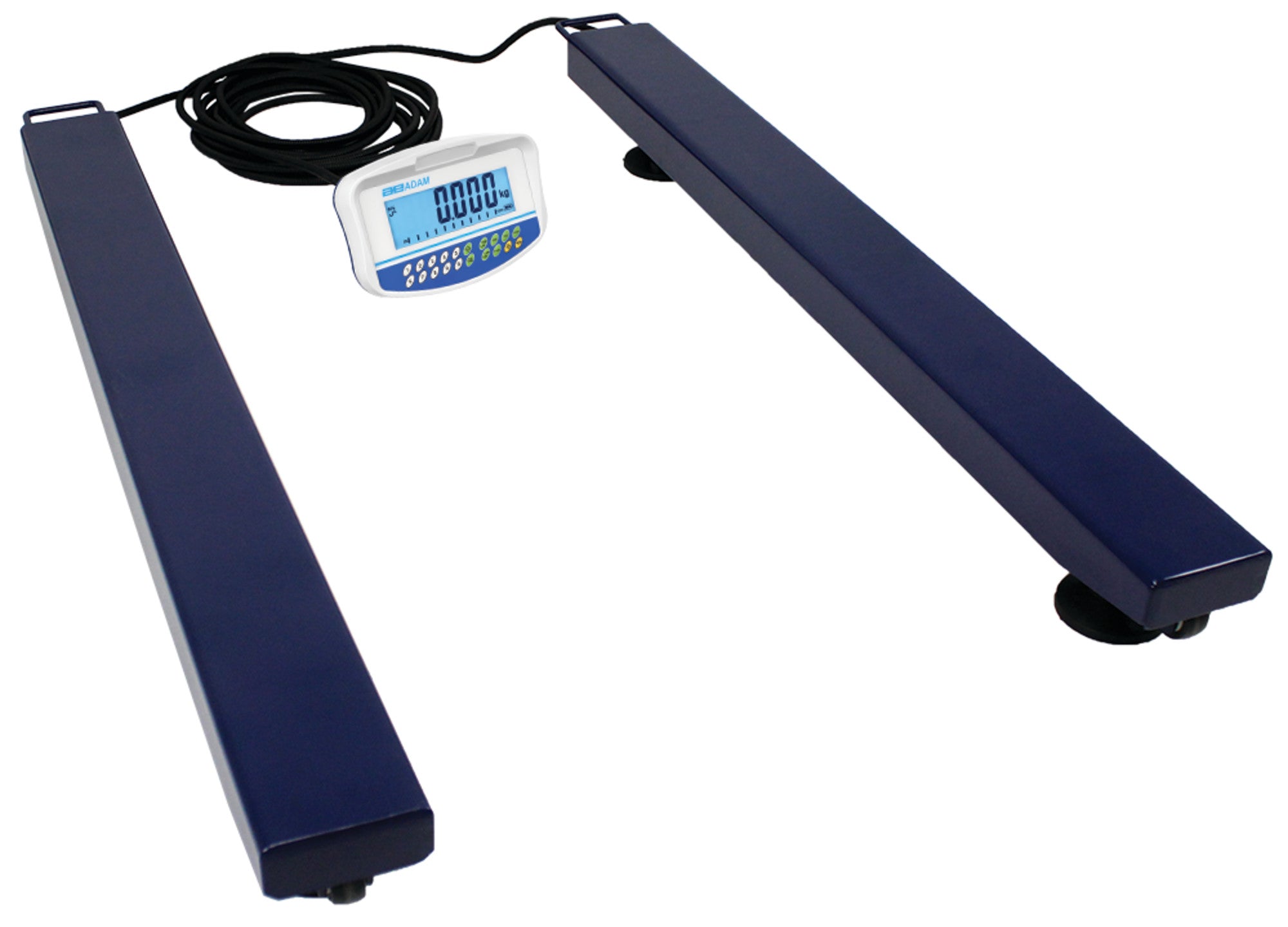
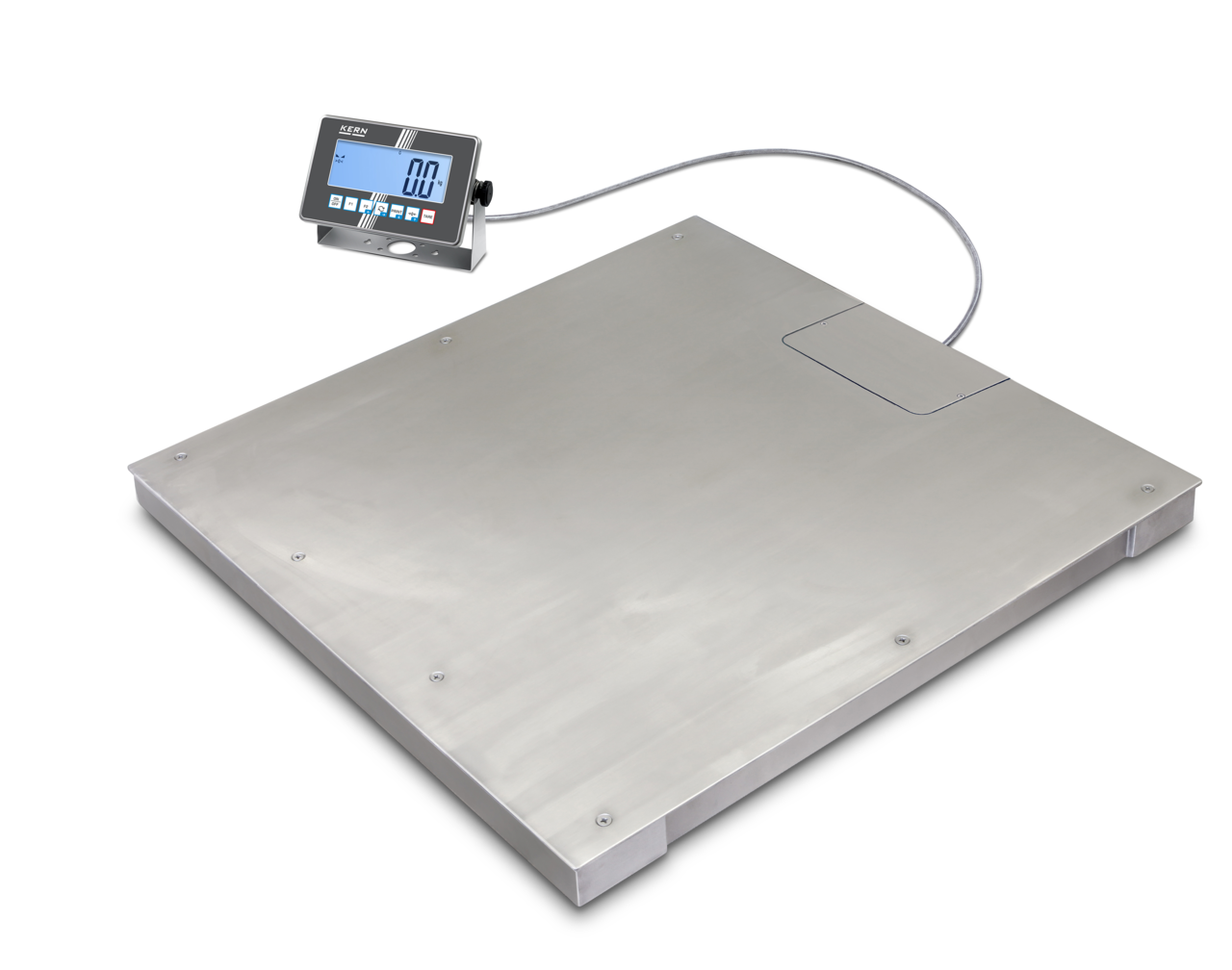
Floor and pallet scales are designed for weighing heavy, bulky or palletised loads that cannot be handled conveniently using compact platform scales. Our range from Kern, Ohaus and Adam Equipment includes low-profile floor platforms, U-frame pallet scales, pallet beams and complete weighing systems with separate or column-mounted indicators, covering a choice of capacities, platform dimensions and loading arrangements.
General weighing, checkweighing, parts counting, accumulation and percentage weighing functions support goods-in inspection, dispatch checks, stock control and industrial production processes. Selected models also offer ramps, rechargeable operation, communication interfaces, stainless-steel construction or legal-for-trade approval. Specifications, functions, accessories and approval status vary between individual models and variants.
Further Reading
Understanding Floor and Pallet Scales
Floor and pallet scales are large-capacity weighing systems designed for loads that are impractical to lift onto a bench or compact platform scale. They are commonly installed at floor level or used with ramps, pallet trucks, forklifts and other material-handling equipment.
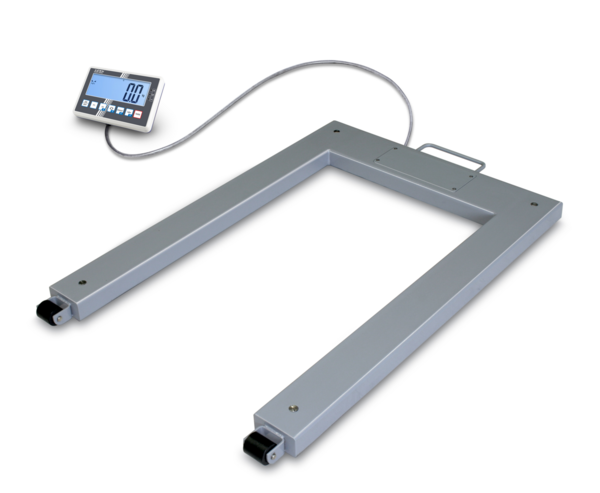
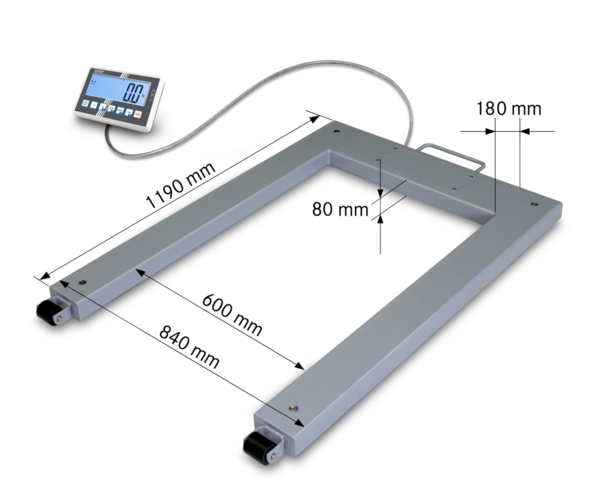
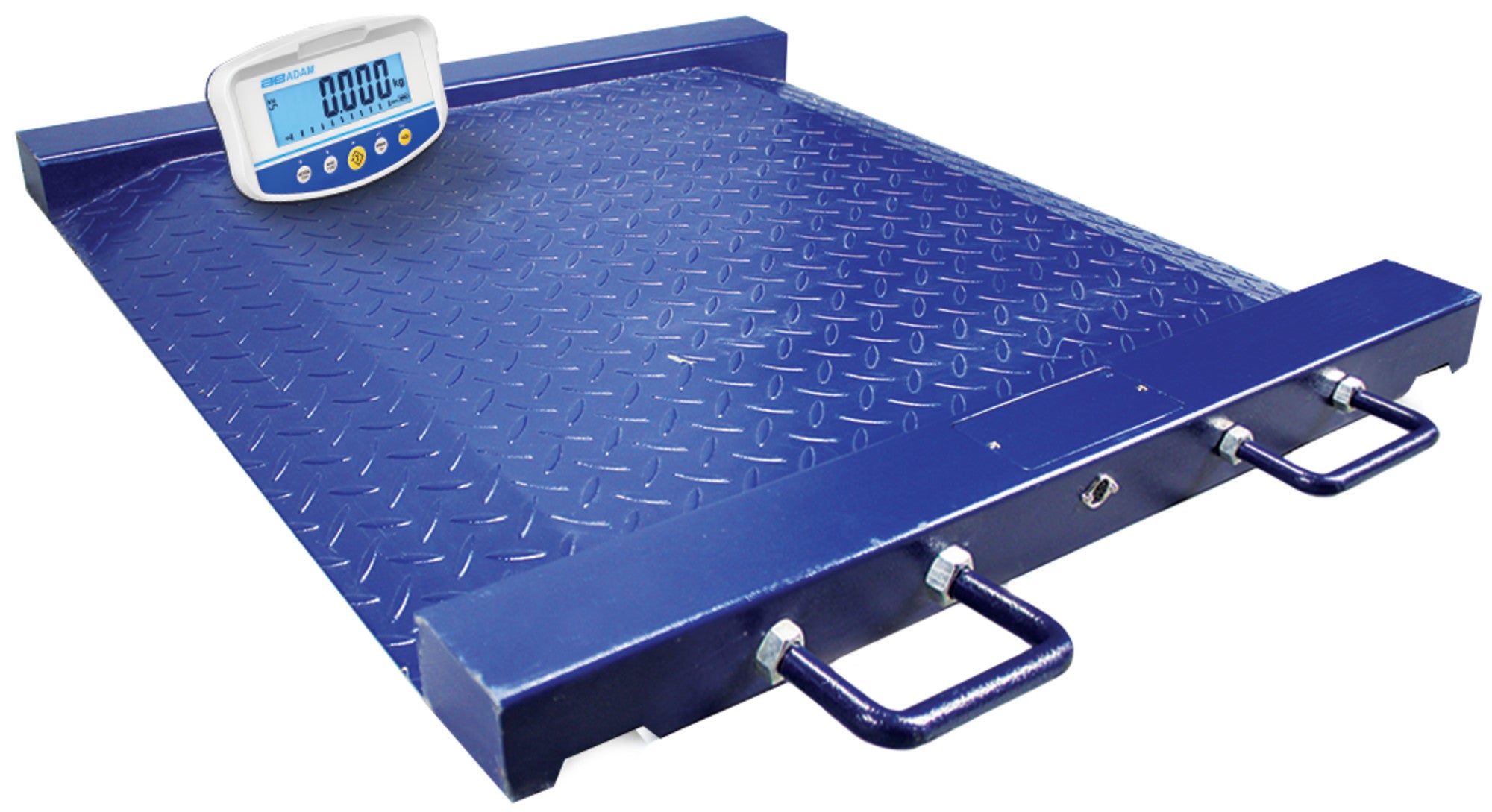
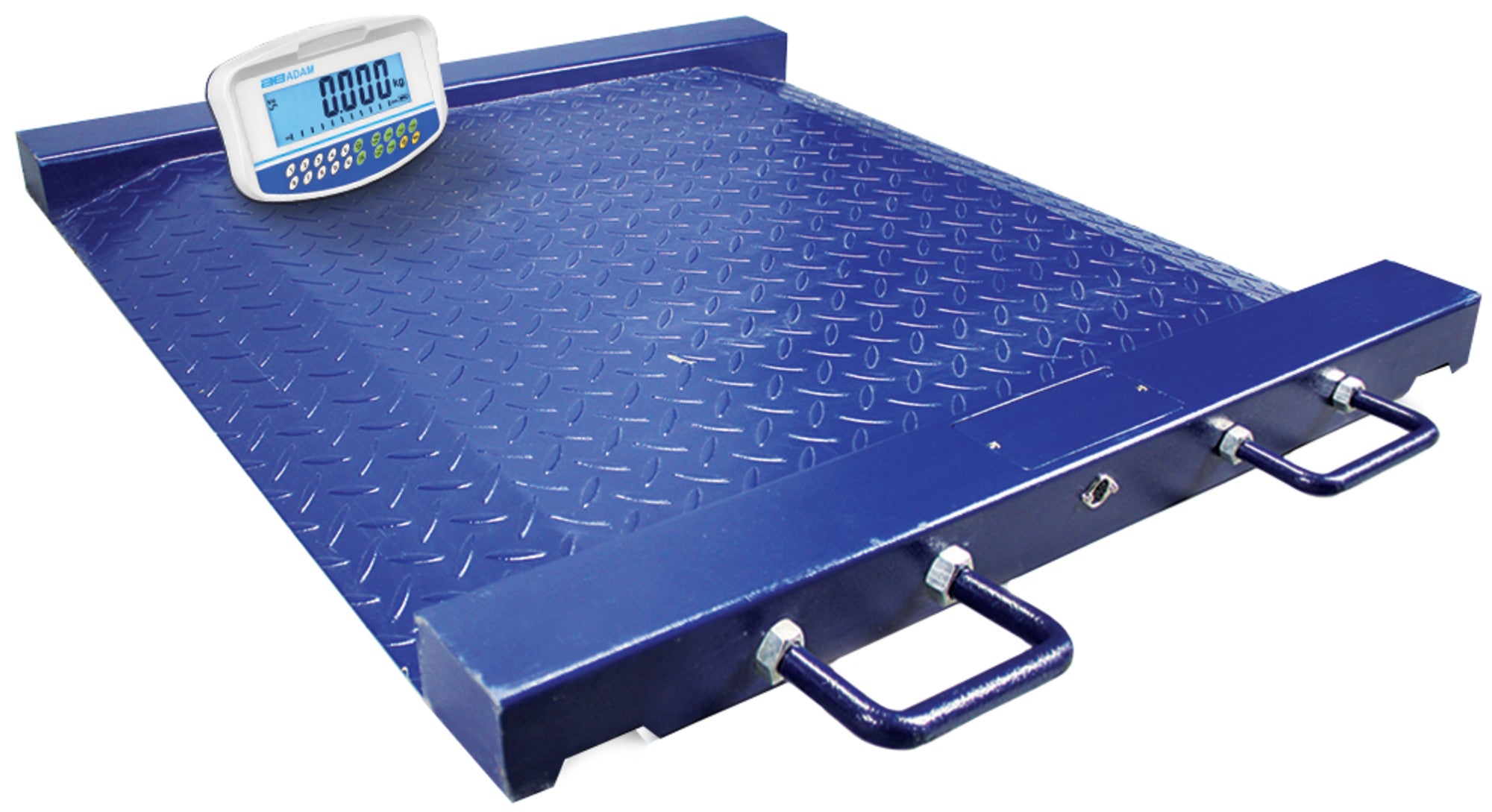
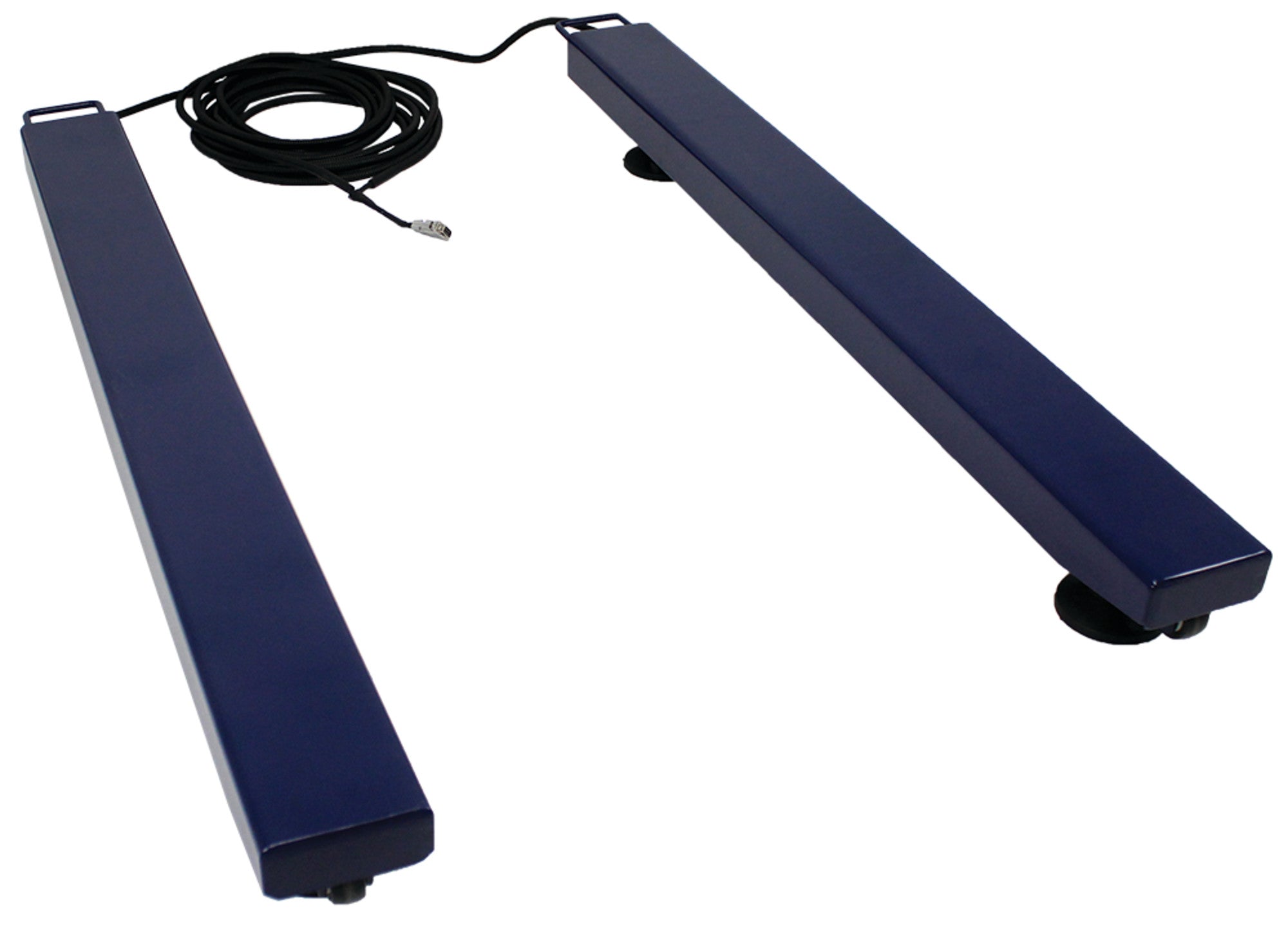
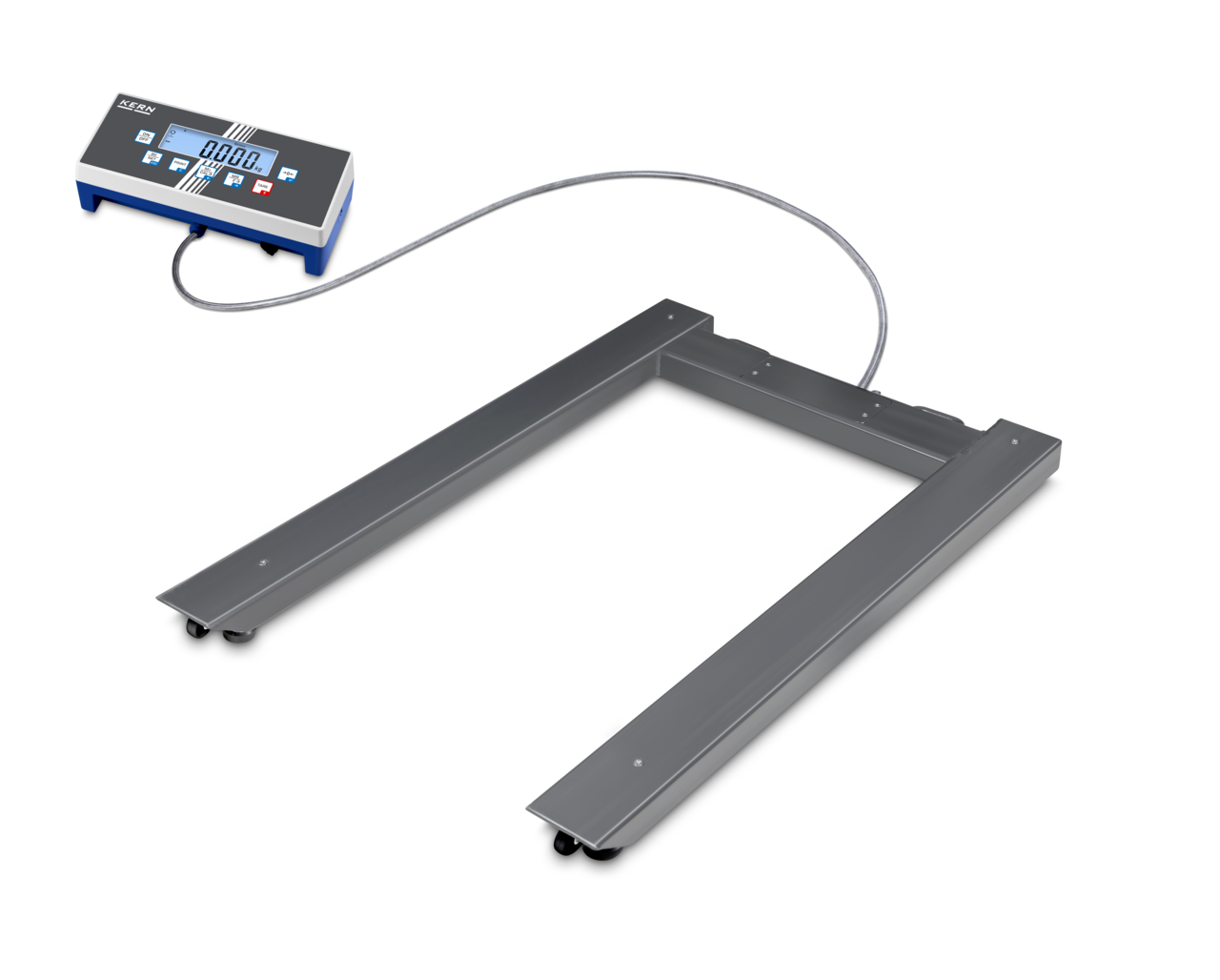
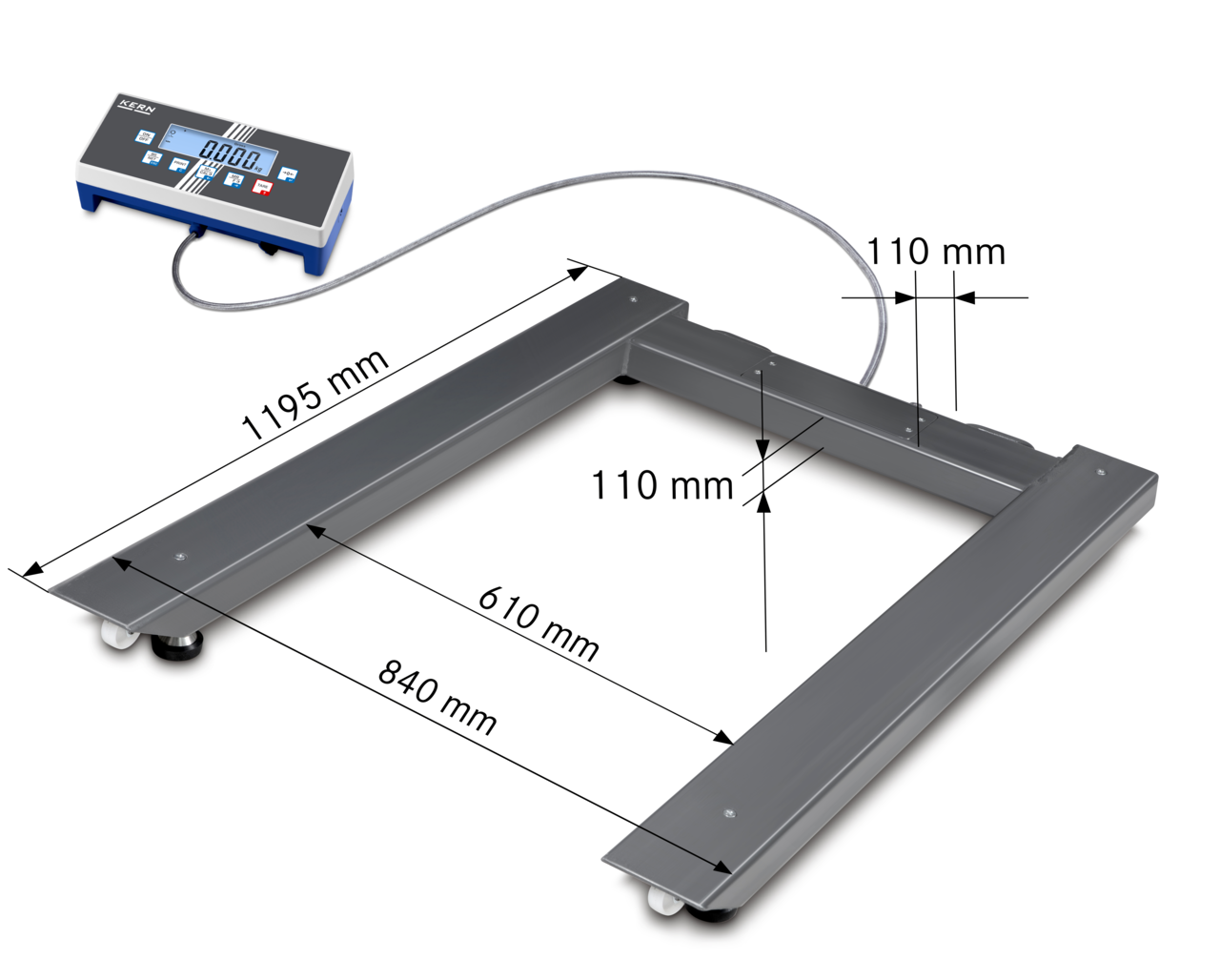
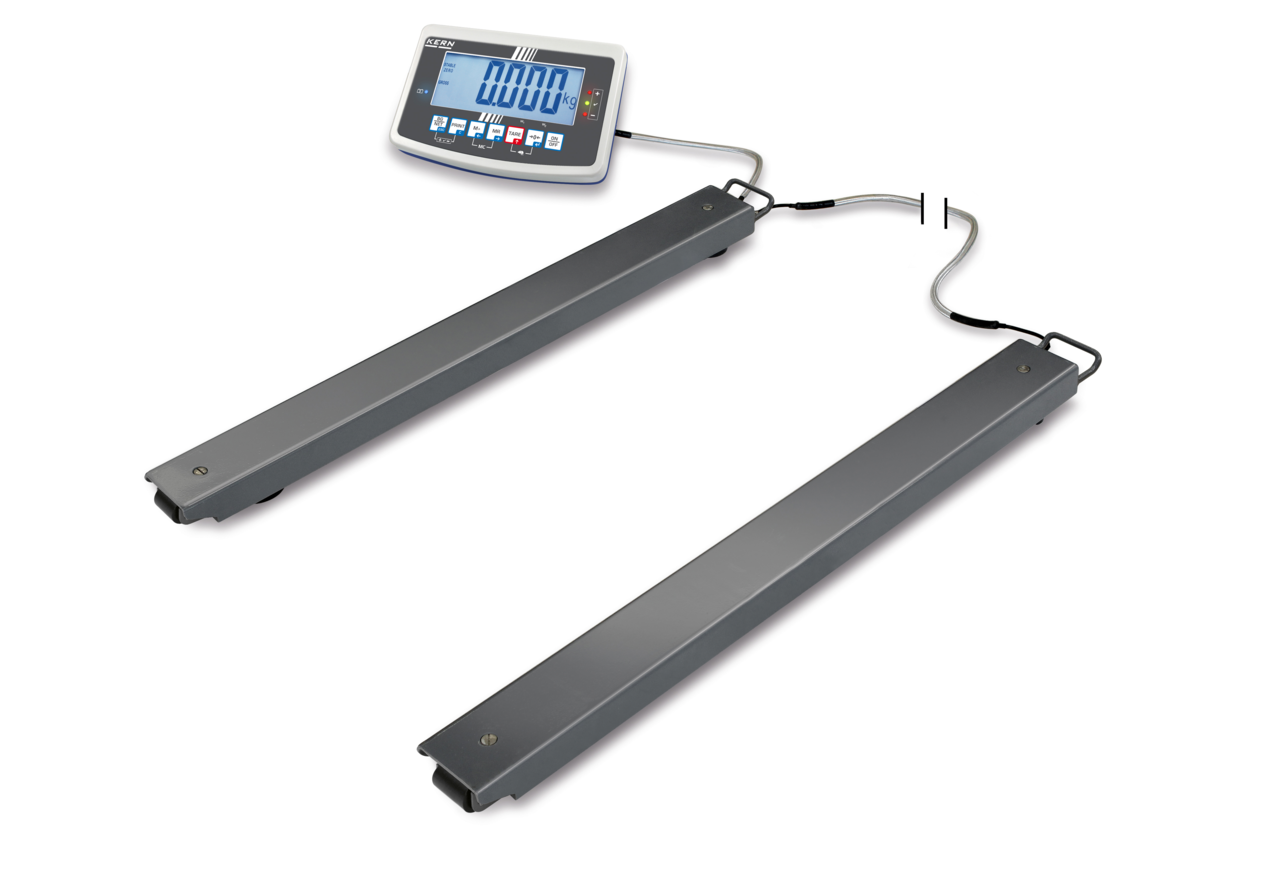
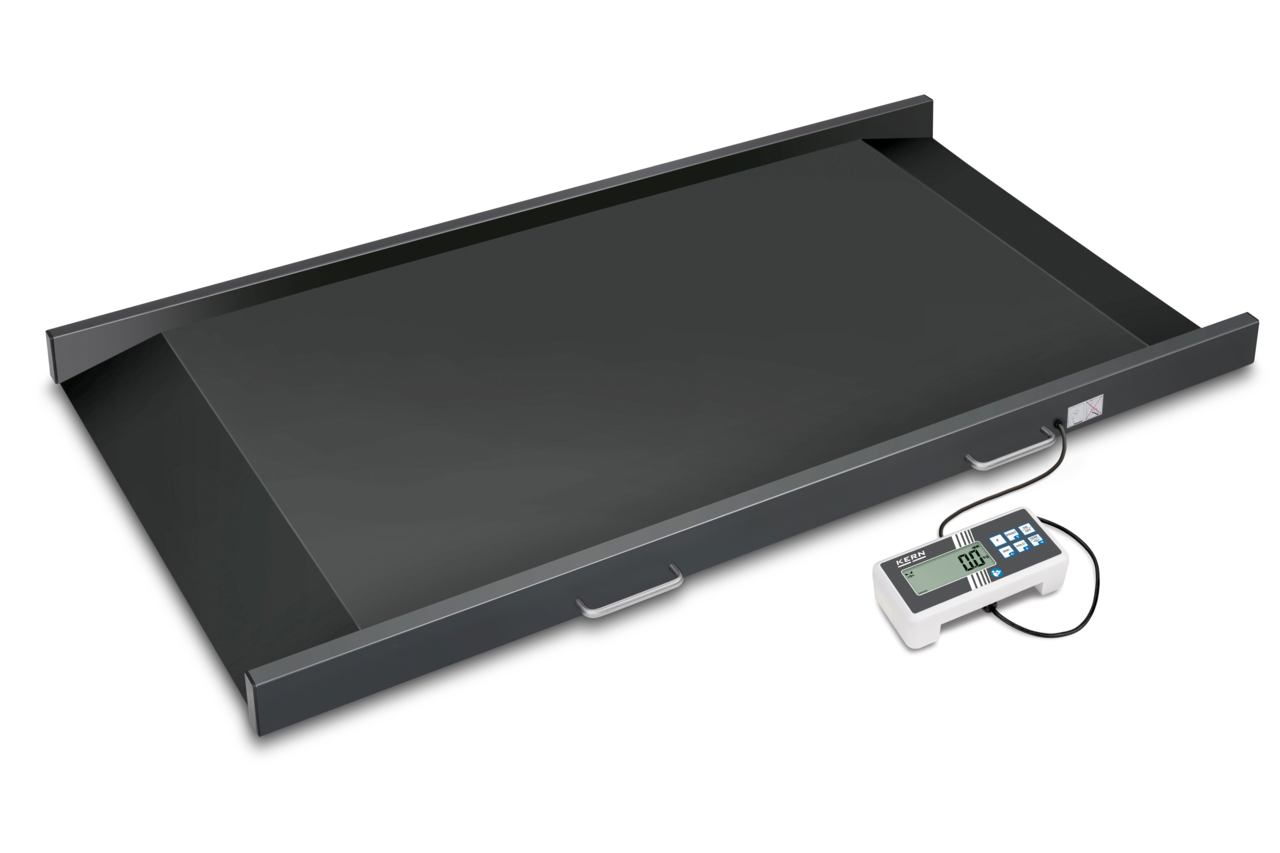
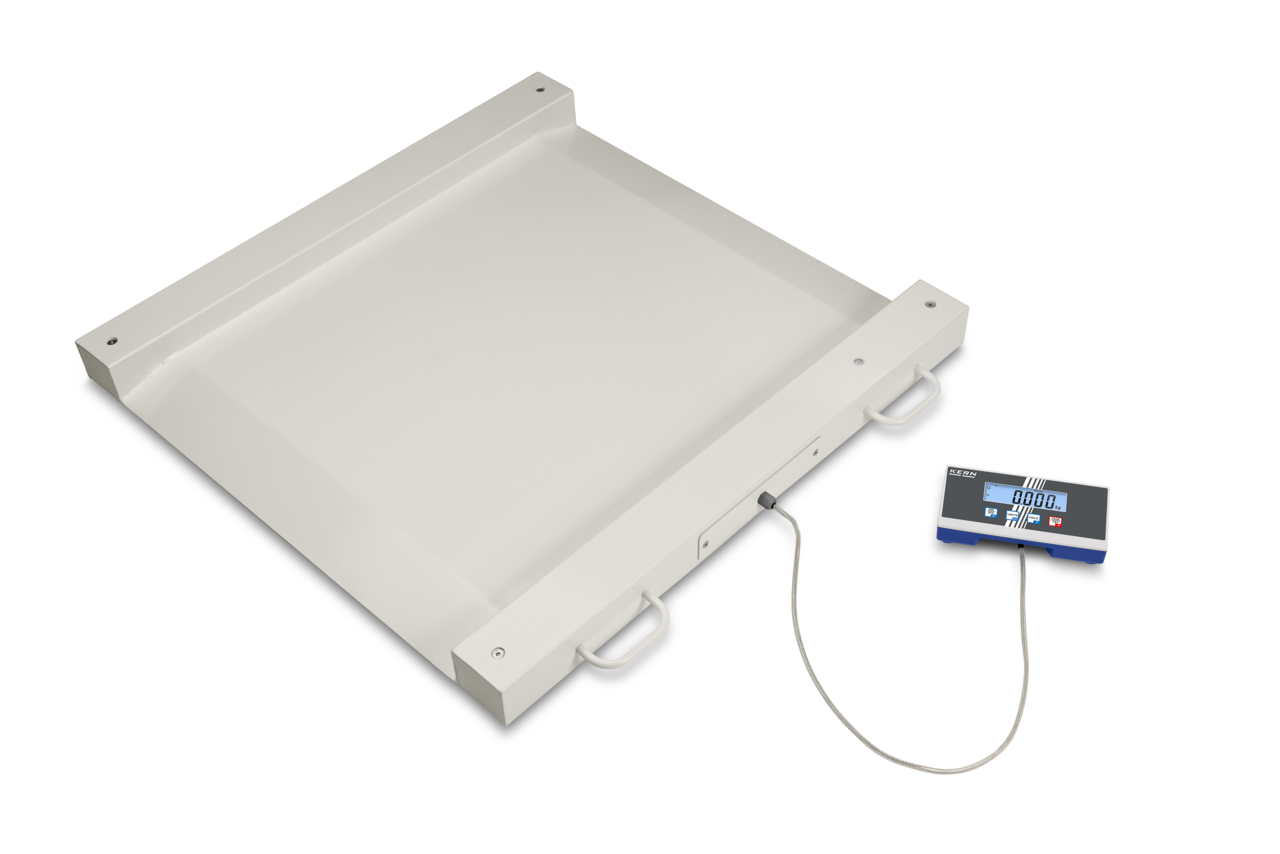
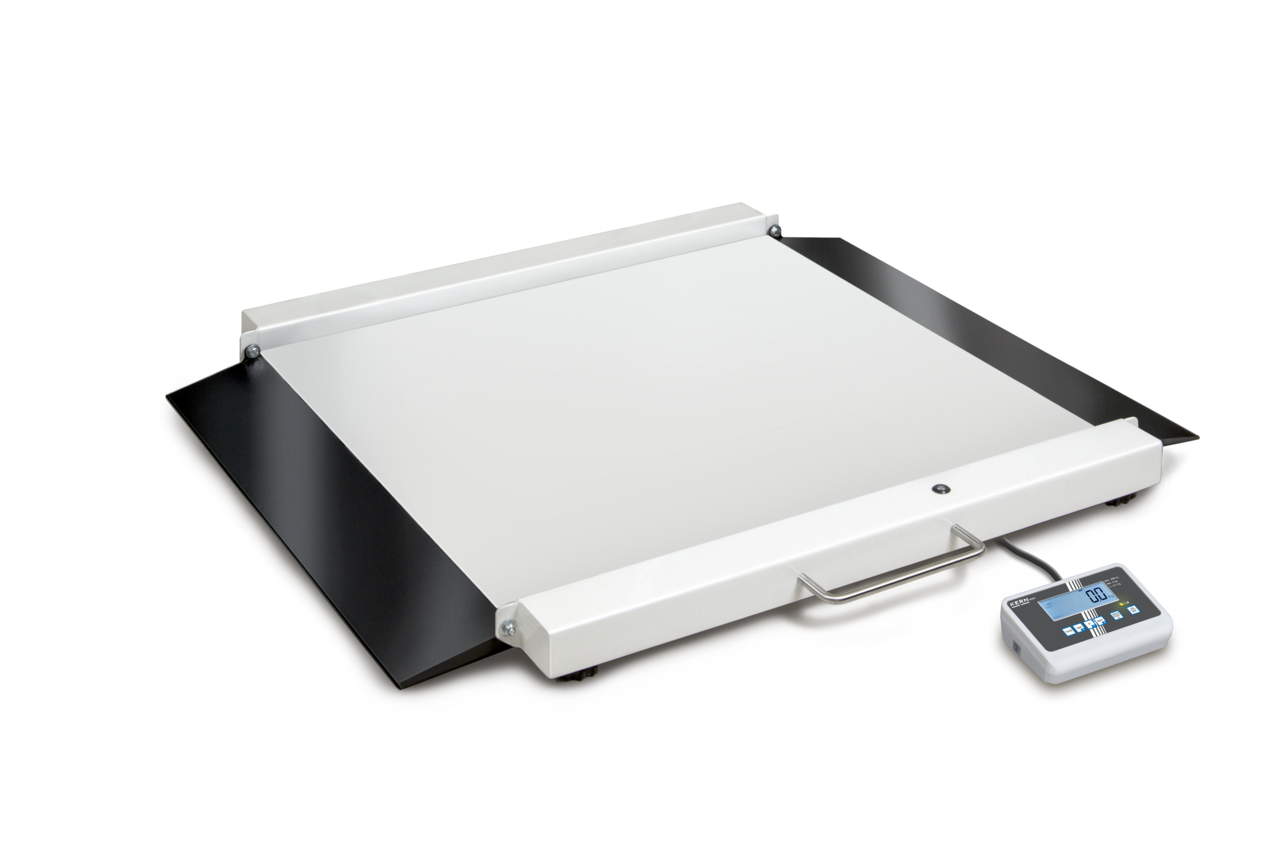
Different platform formats suit different loading methods. Solid floor platforms provide a continuous weighing surface for containers, drums and wheeled loads, while U-frame scales and pallet beams allow pallets to be positioned using compatible handling equipment.
A complete system normally combines the weighing platform and load cells with a suitable indicator. Capacity, platform dimensions, loading access, installation conditions and indicator functions should all be considered when selecting equipment for a particular application.
Large-Capacity Weighing Systems
Floor and pallet scales are designed for heavier industrial loads, providing the capacity and weighing area required for pallets, drums, containers and bulk materials.
Different Platform Formats
Solid platforms, low-profile bases, U-frame scales and pallet beams provide different loading arrangements for containers, wheeled loads and palletised goods.
Platforms, Load Cells and Indicators
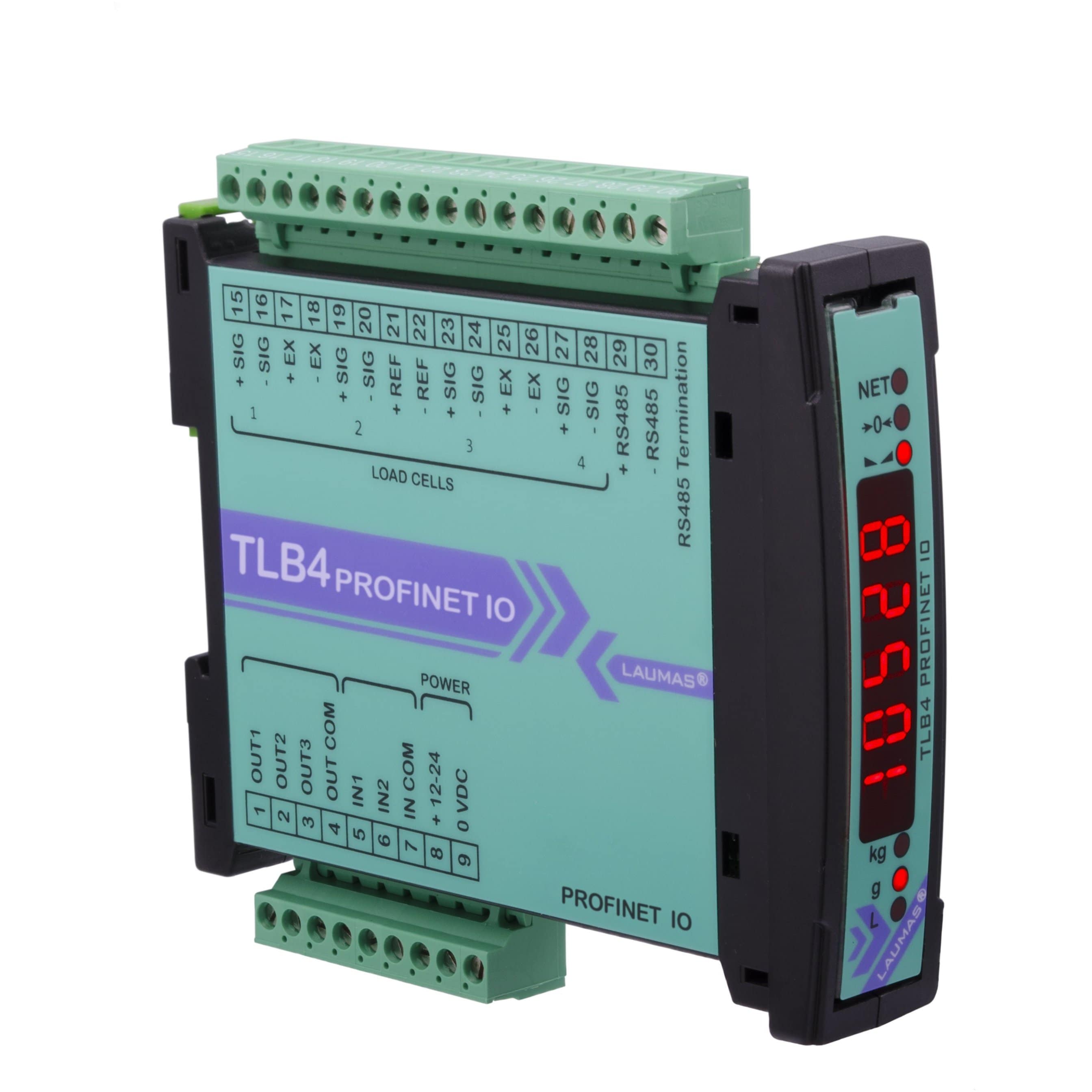
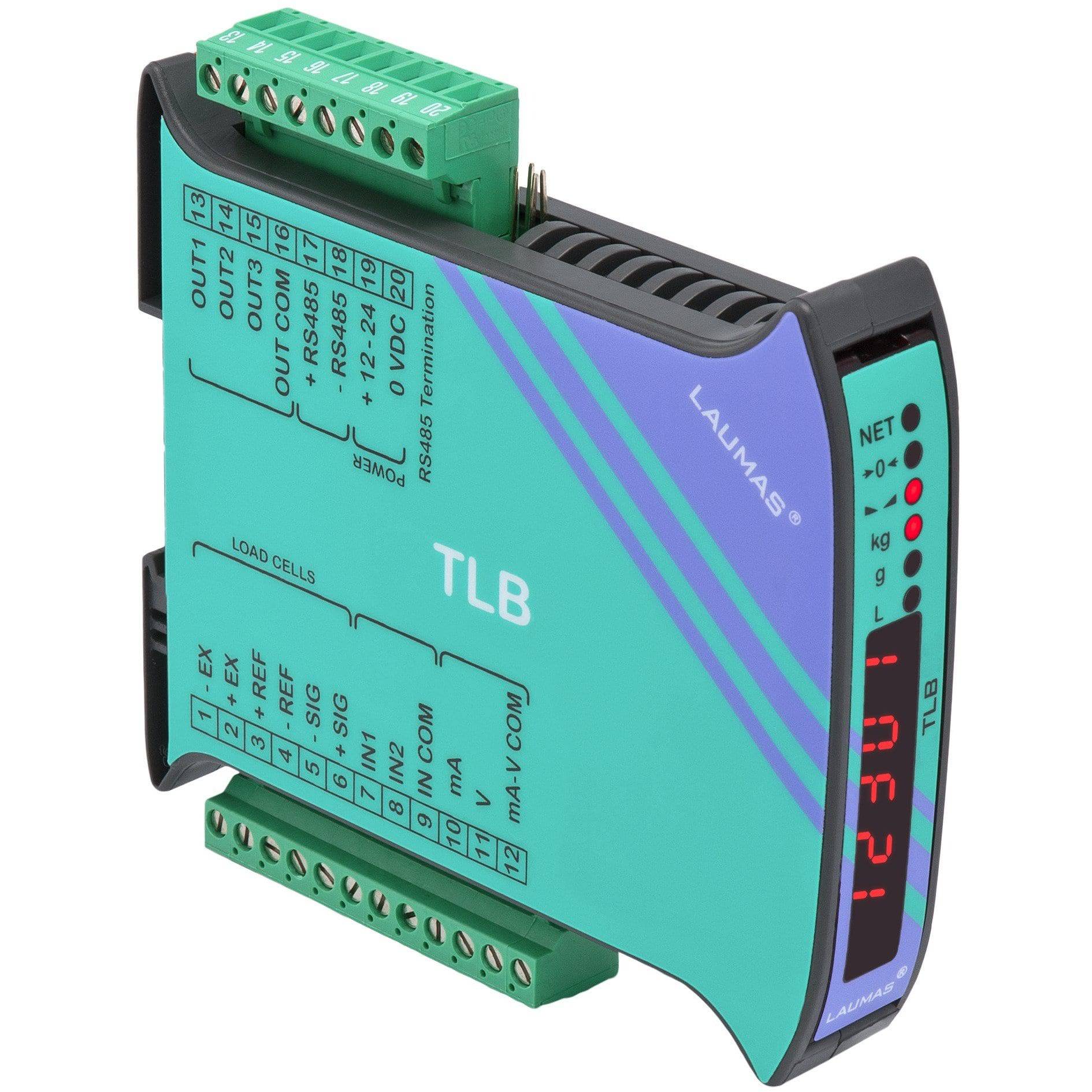
A complete floor-scale system combines a load-bearing platform with load cells and a compatible indicator. Platform-only products require an appropriate indicator, configuration and calibration before use.
Learn more
Floor and Pallet Scales Applications
Floor and pallet scales support large-capacity weighing across warehouses, distribution centres, manufacturing facilities and other industrial environments.
Palletised goods can be weighed during receiving, storage and dispatch operations. Suitable platform formats provide access for compatible pallet trucks, forklifts or other material-handling equipment.
Floor scales support the checking of incoming materials, outgoing consignments and packaged loads. Selected indicators can provide accumulation or data-output functions for recording multiple measurements.
Large containers, drums, components and production materials can be weighed during preparation, processing and quality-control activities across industrial manufacturing environments.
Floor and pallet scales can support bulk stock checks and material monitoring. Selected counting models can also estimate component quantities where the items have sufficiently consistent individual weights.
How to Choose Floor and Pallet Scales
Choosing a floor or pallet scale requires consideration of the maximum load, platform format, loading method and installation area. Indicator functions, environmental protection and approval requirements may also influence the final specification.
Select a capacity that exceeds the heaviest expected load, including pallets, containers and packaging. Readability should also be checked because higher-capacity systems may display weight in larger increments.
Compare the dimensions and construction of the platform with the pallets, drums, containers or wheeled loads being weighed. The load should be supported safely without extending beyond the permitted weighing area.
Determine whether loads will be positioned manually, by pallet truck, forklift or using a ramp. Solid platforms, low-profile bases, U-frame scales and pallet beams each support different loading methods.
Consider checkweighing, accumulation, data output and legal-for-trade requirements, together with the power supply and indicator position. Installation conditions and any need for ramps, frames or recessed mounting should also be reviewed.
Floor and Pallet Scale FAQs
Floor and pallet scales are available in different capacities, sizes and platform formats. The answers below cover common questions about selecting and installing a large-capacity weighing system.
What is the difference between a floor scale and a pallet scale?
A floor scale normally has a solid weighing platform suitable for containers, drums and general heavy loads. Pallet scales use formats such as U-frames or weighing beams to provide access for compatible pallet-handling equipment.
How do I choose the correct floor-scale capacity?
Choose a capacity that comfortably exceeds the combined weight of the heaviest expected goods, pallet or container. The required readability and any potential uneven loading should also be considered.
Can pallet scales be used with a pallet truck?
Selected U-frame and low-profile pallet scales are designed for loading with compatible pallet trucks. Check the internal dimensions, clearance, loading direction and manufacturer’s instructions for the selected model.
Can a floor scale be installed in a recessed pit?
Selected floor platforms can be installed flush with the surrounding floor using a suitable pit frame. Installation requirements, drainage, access for maintenance and structural support should be assessed before work begins.