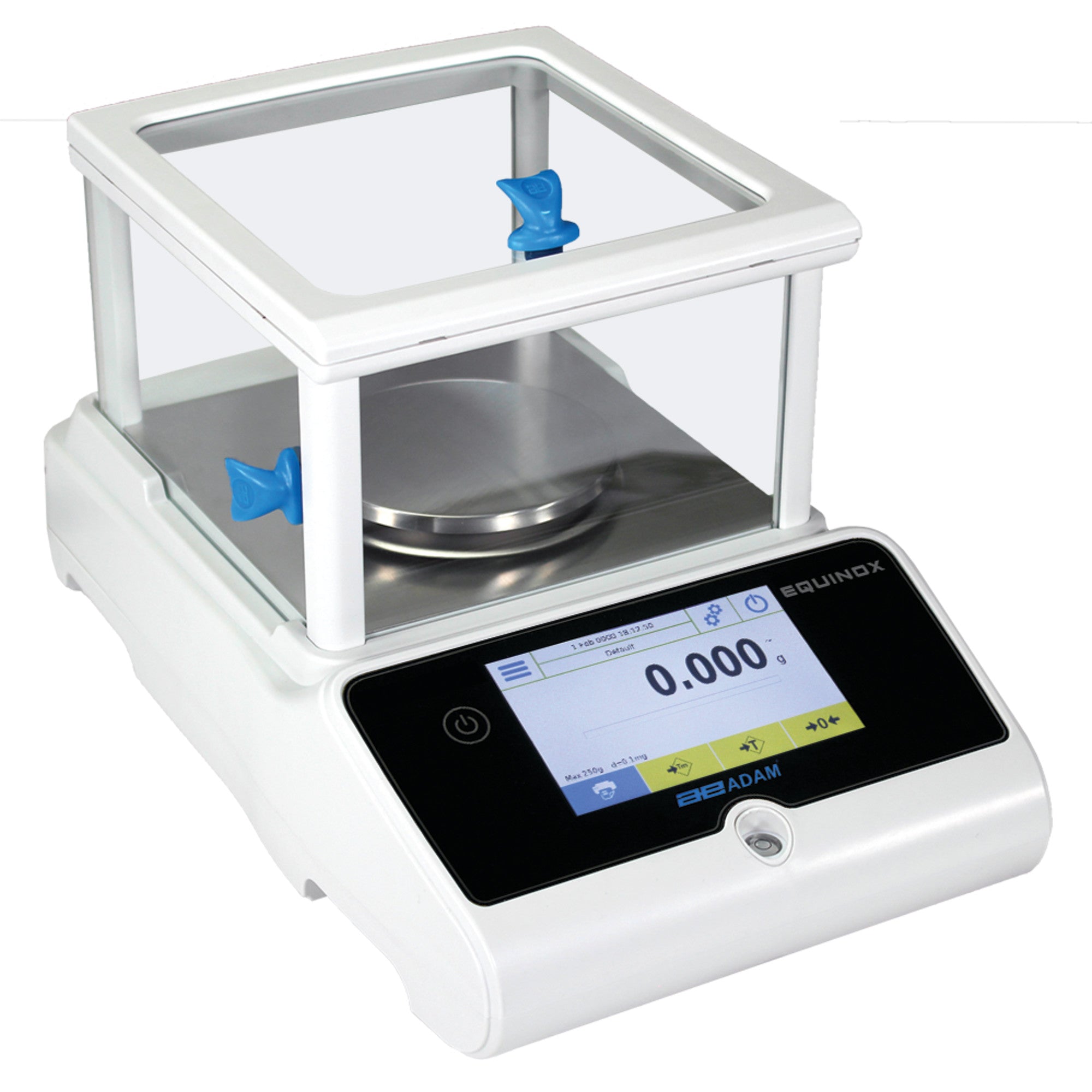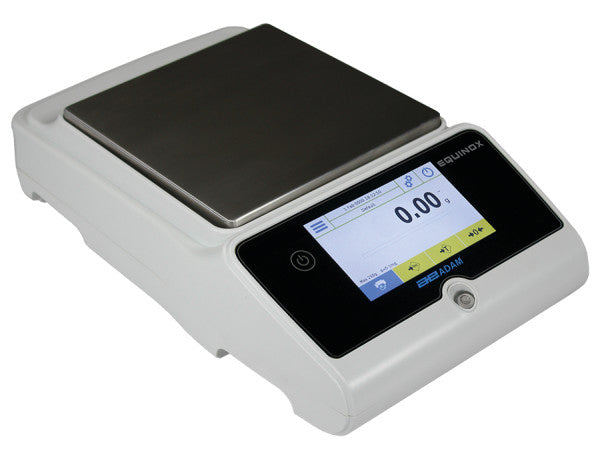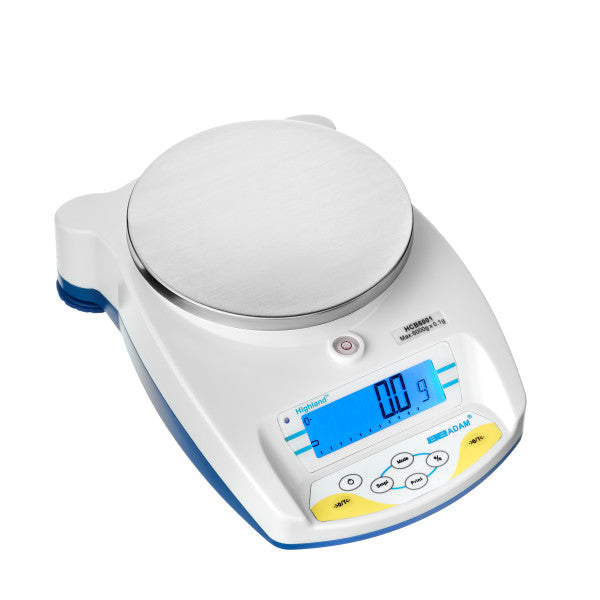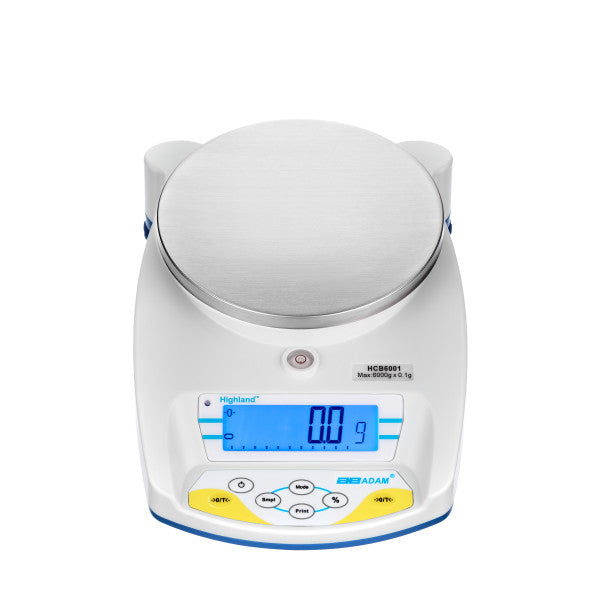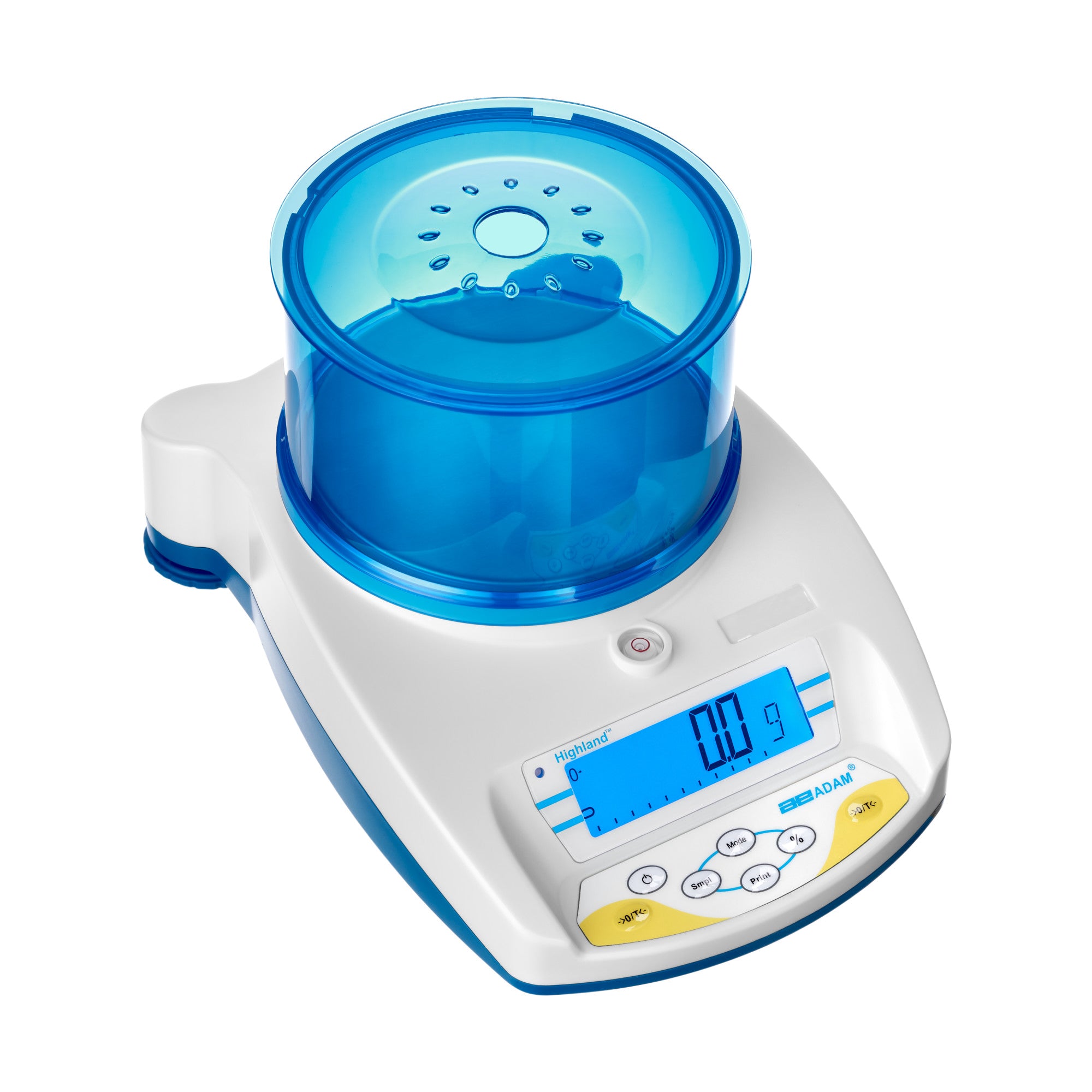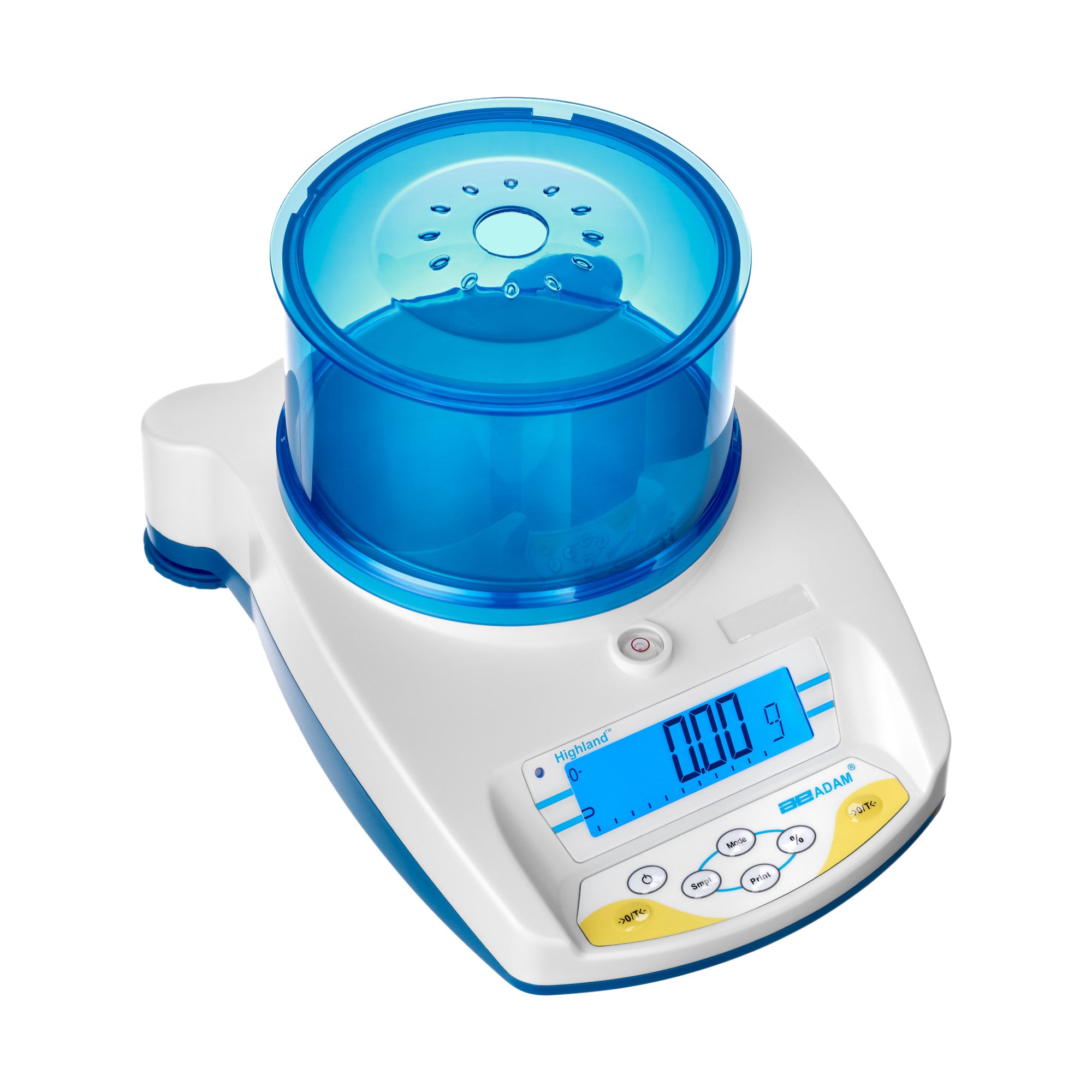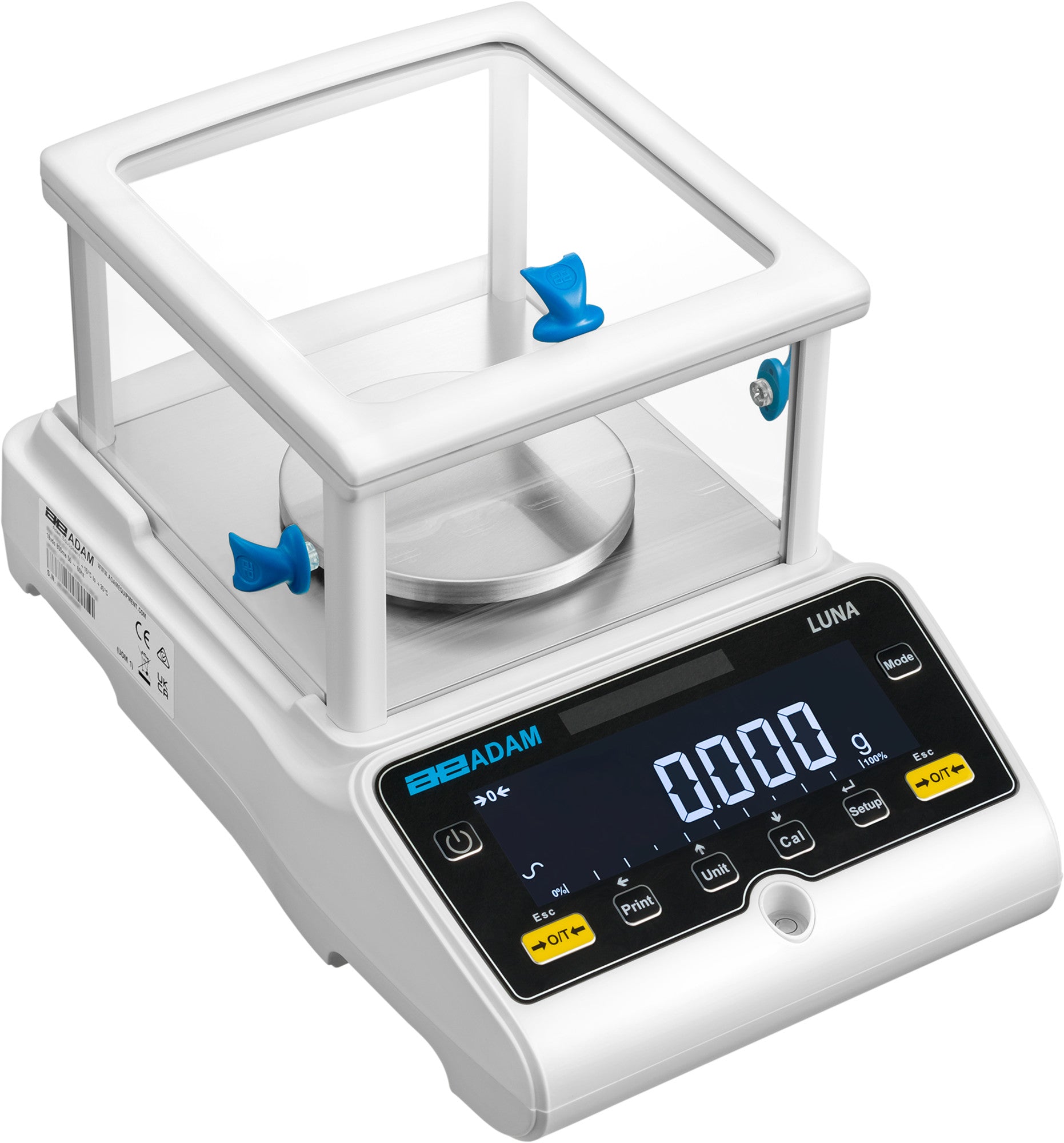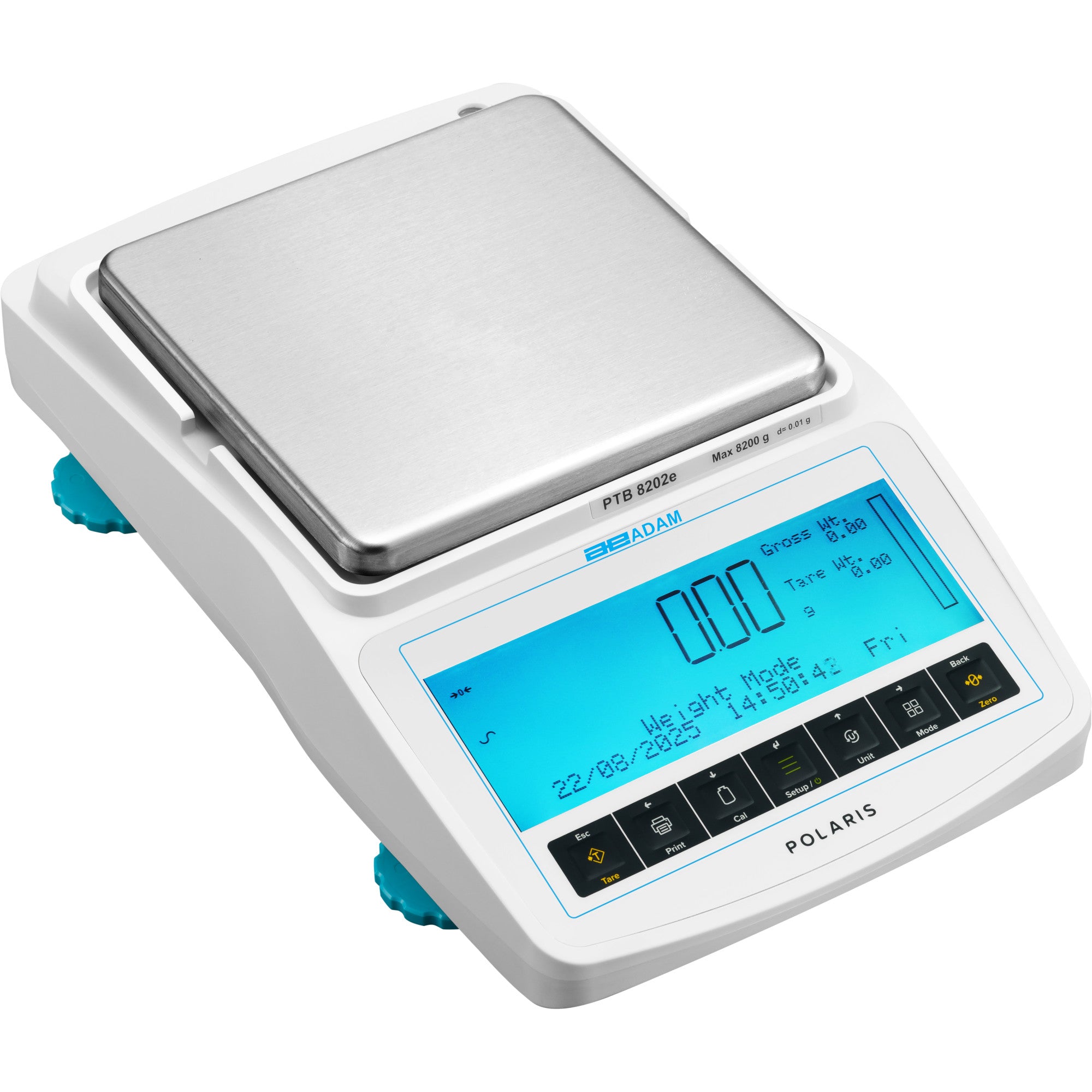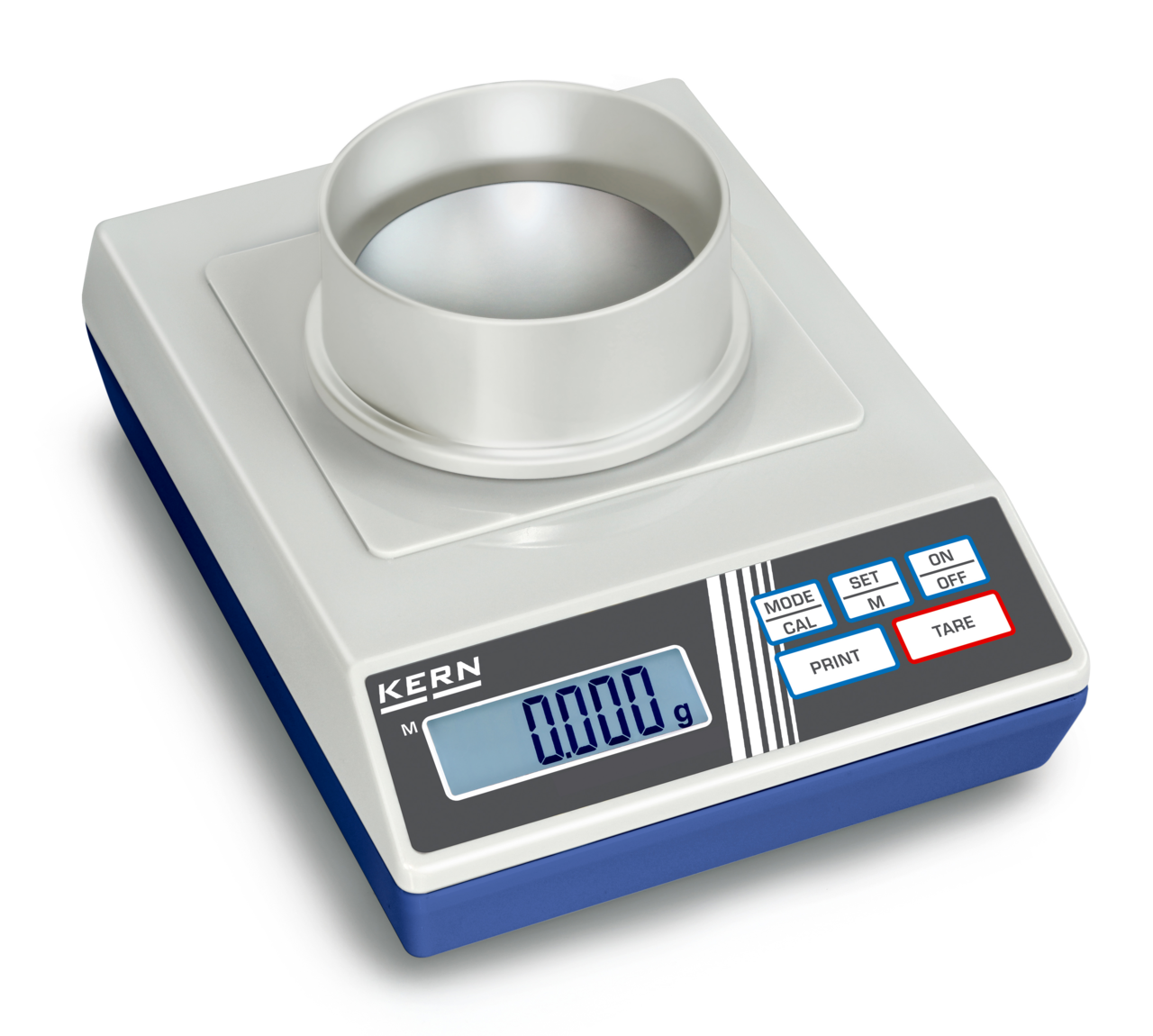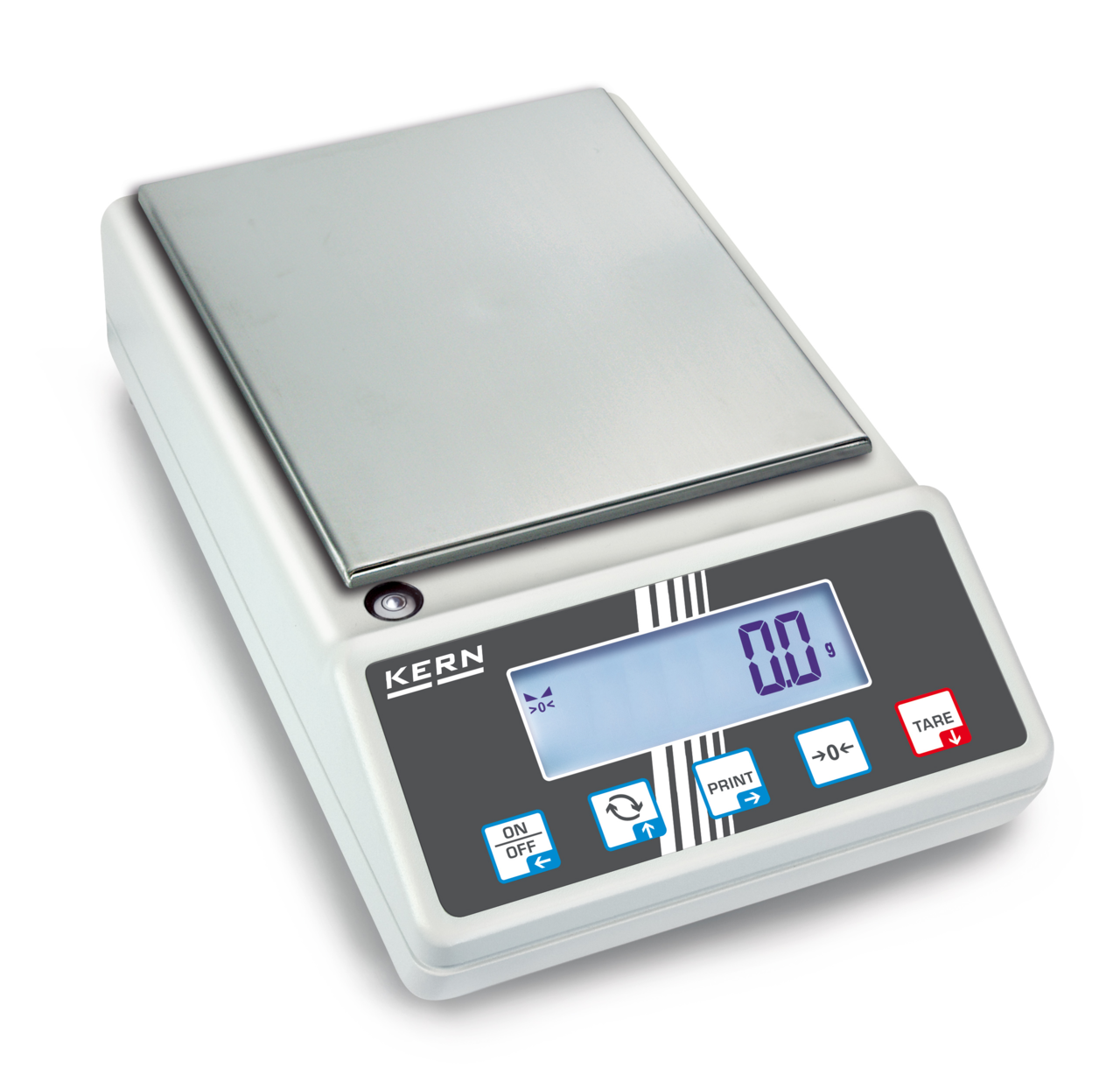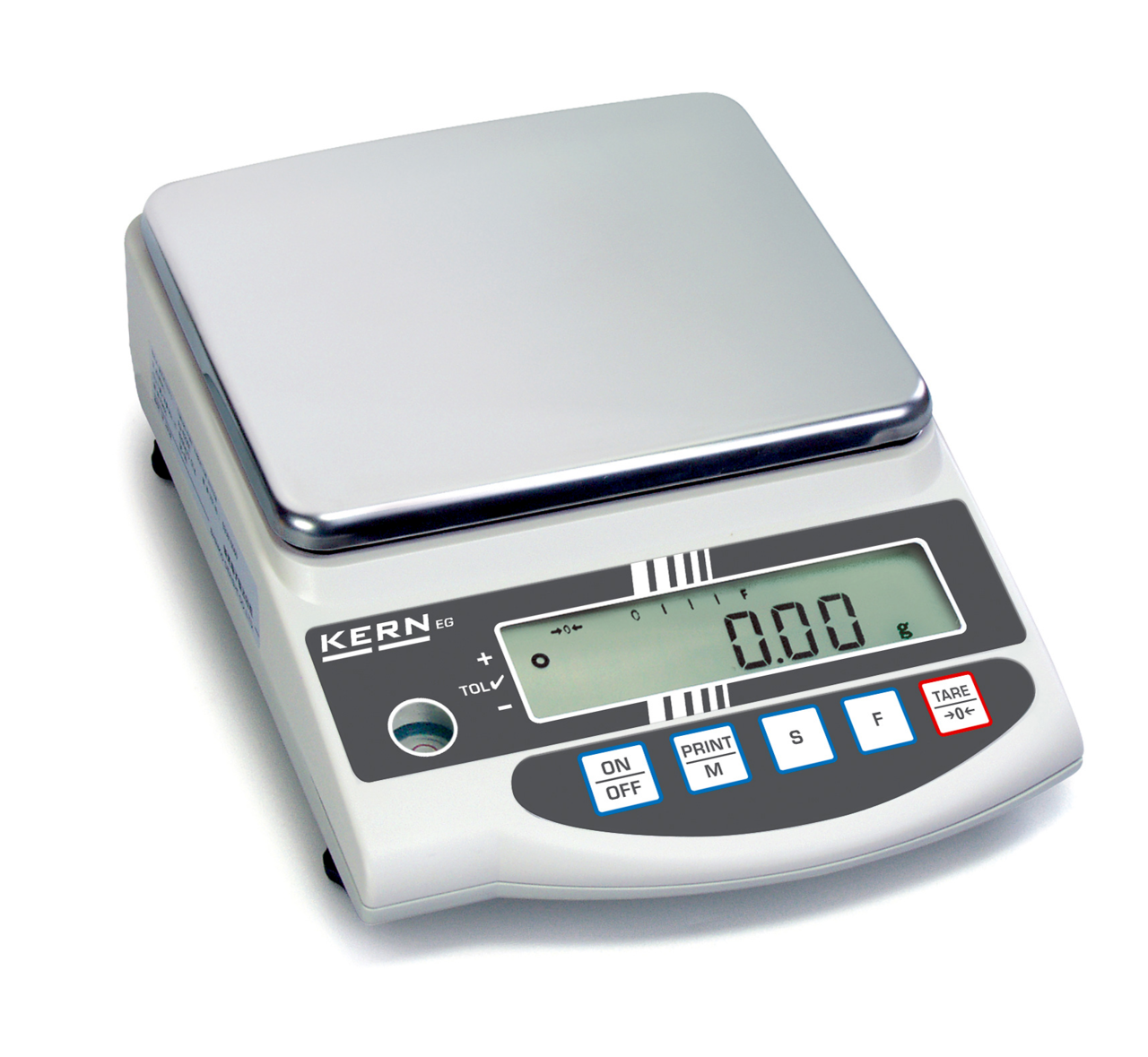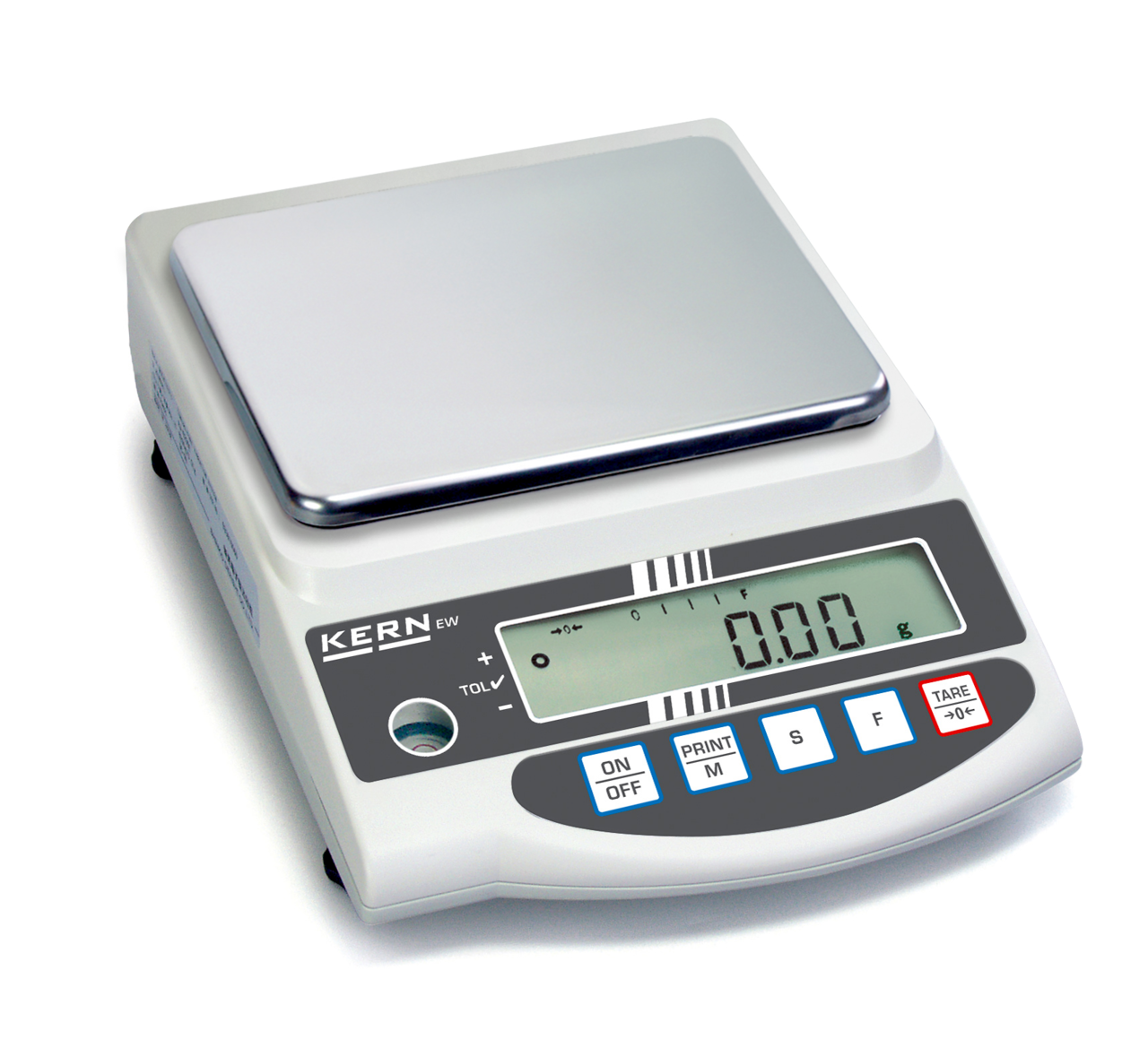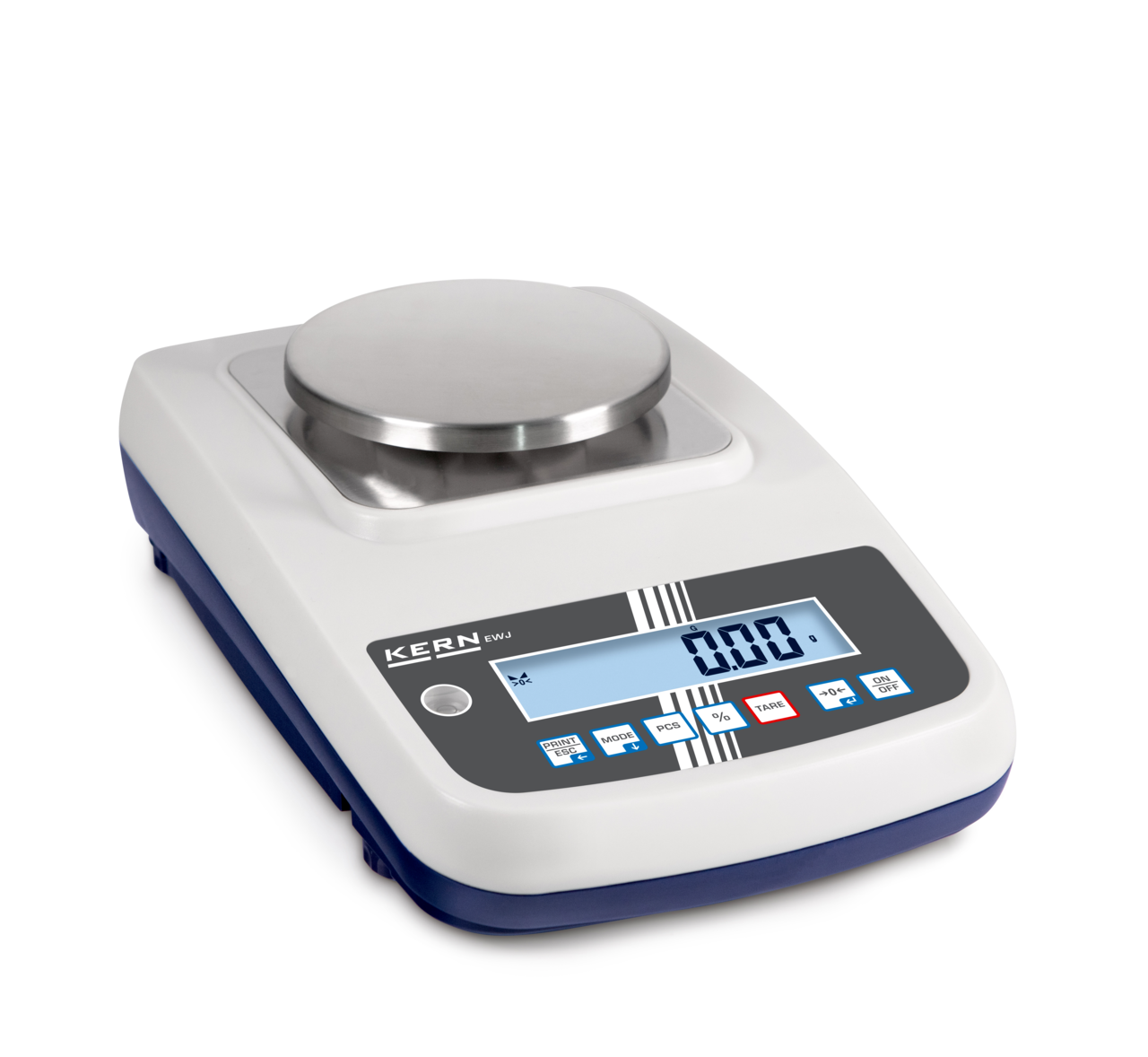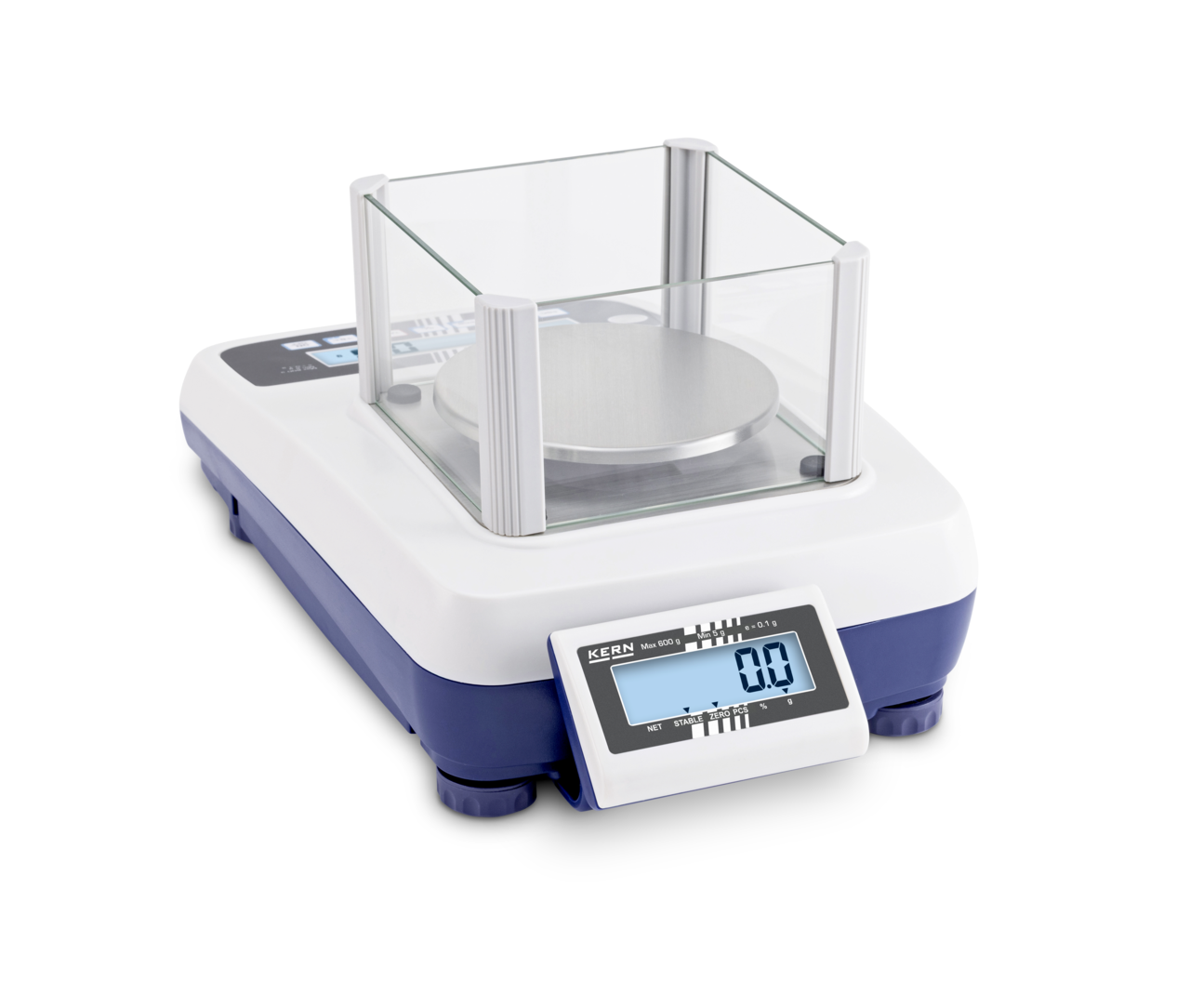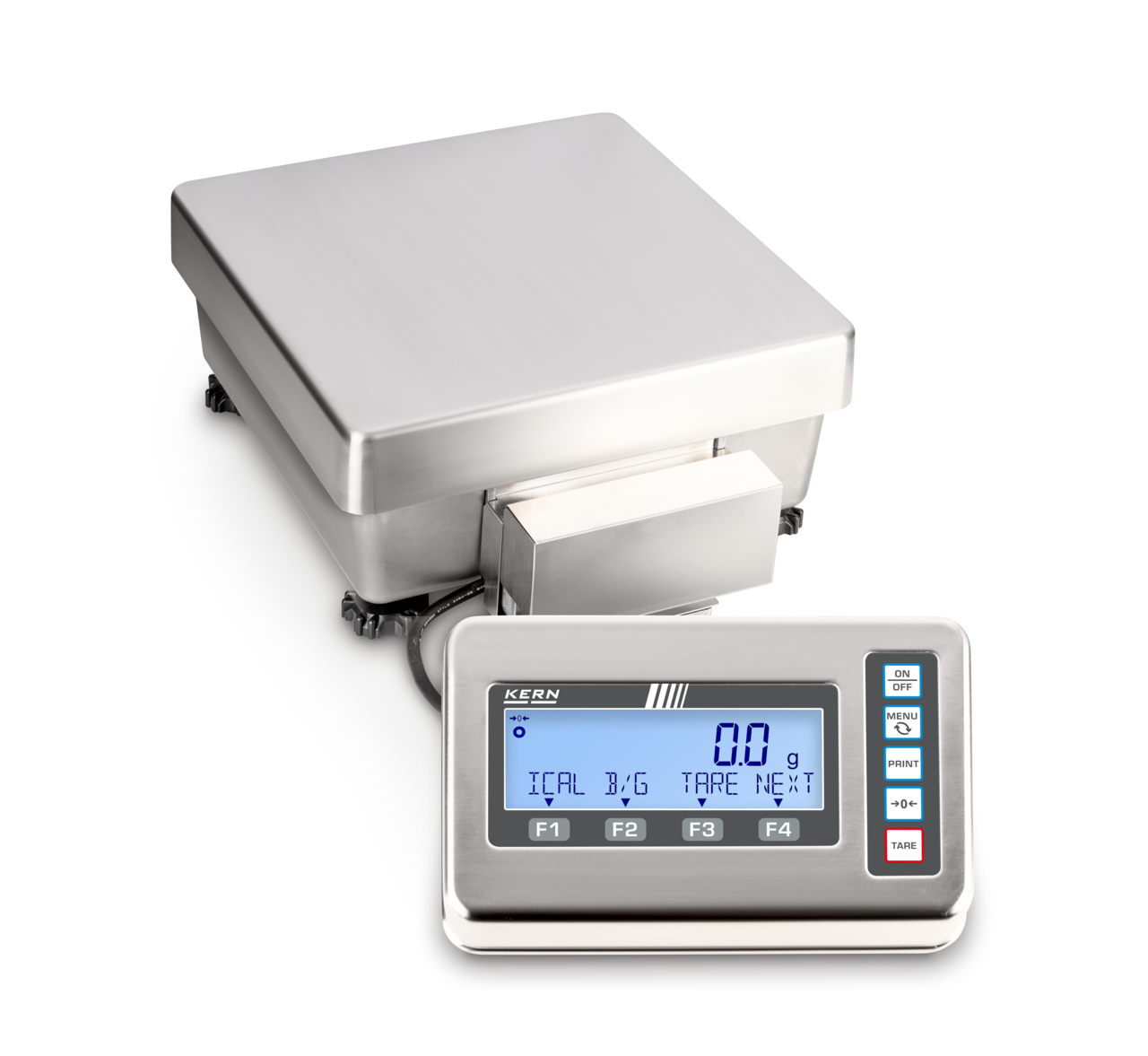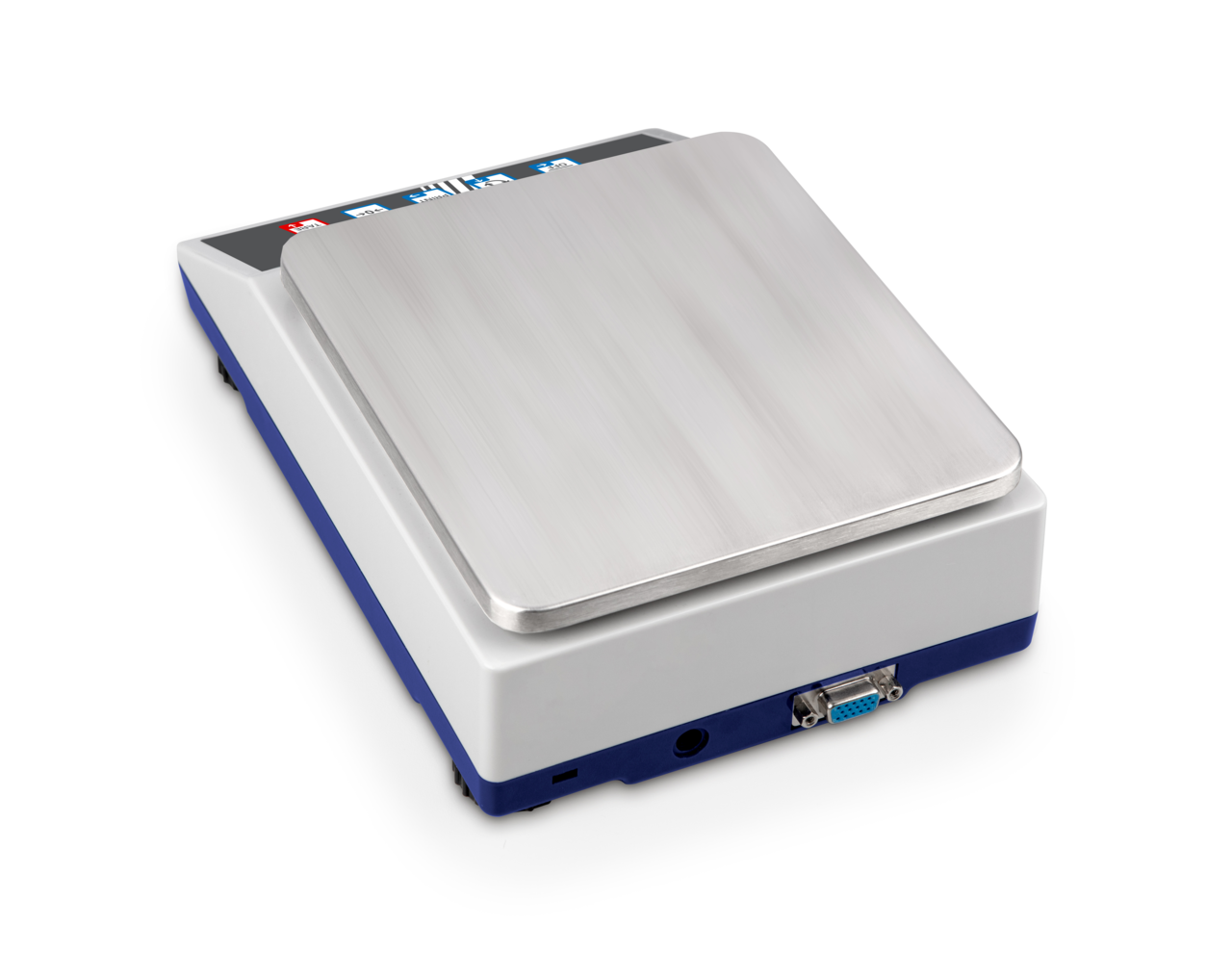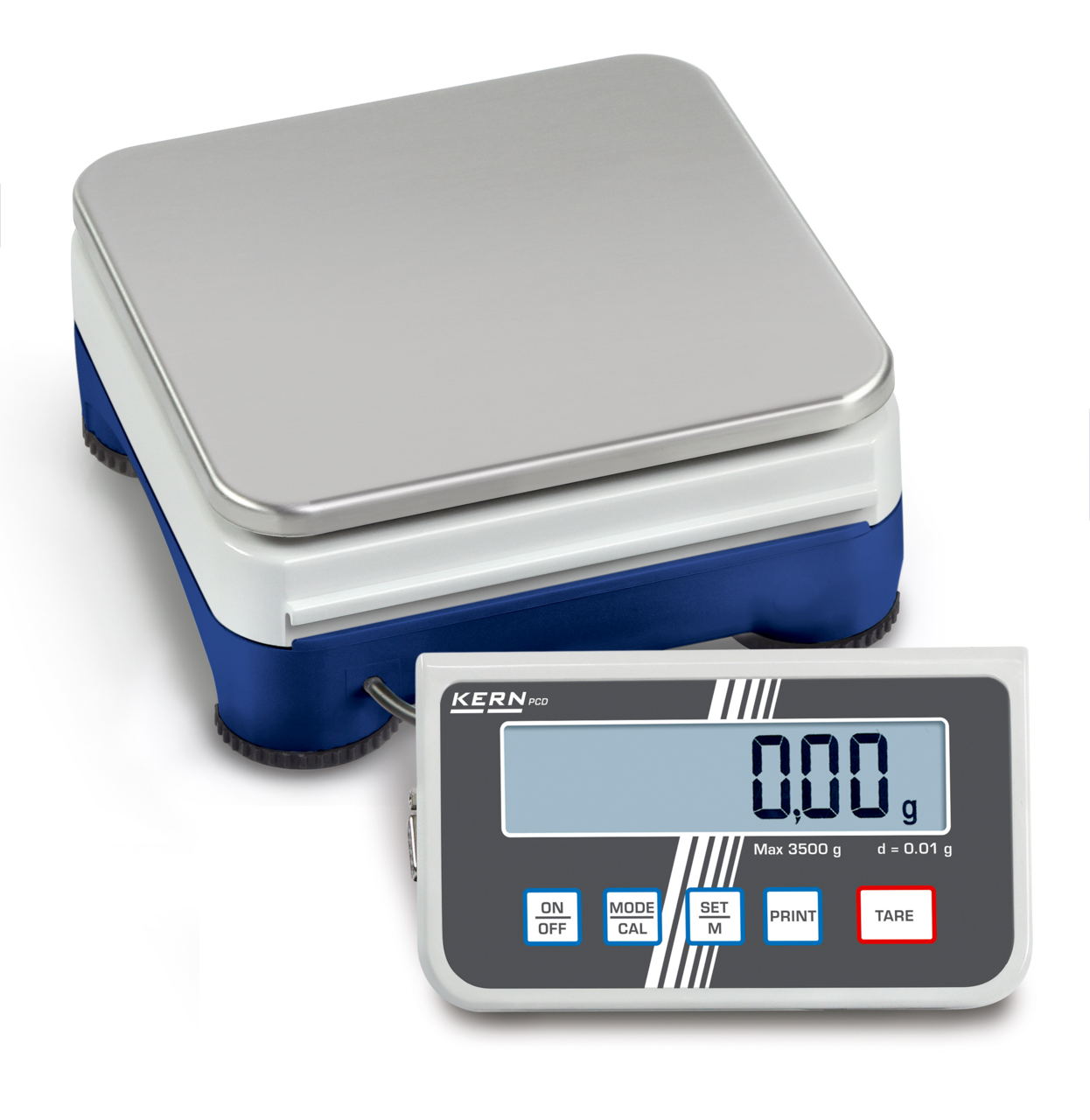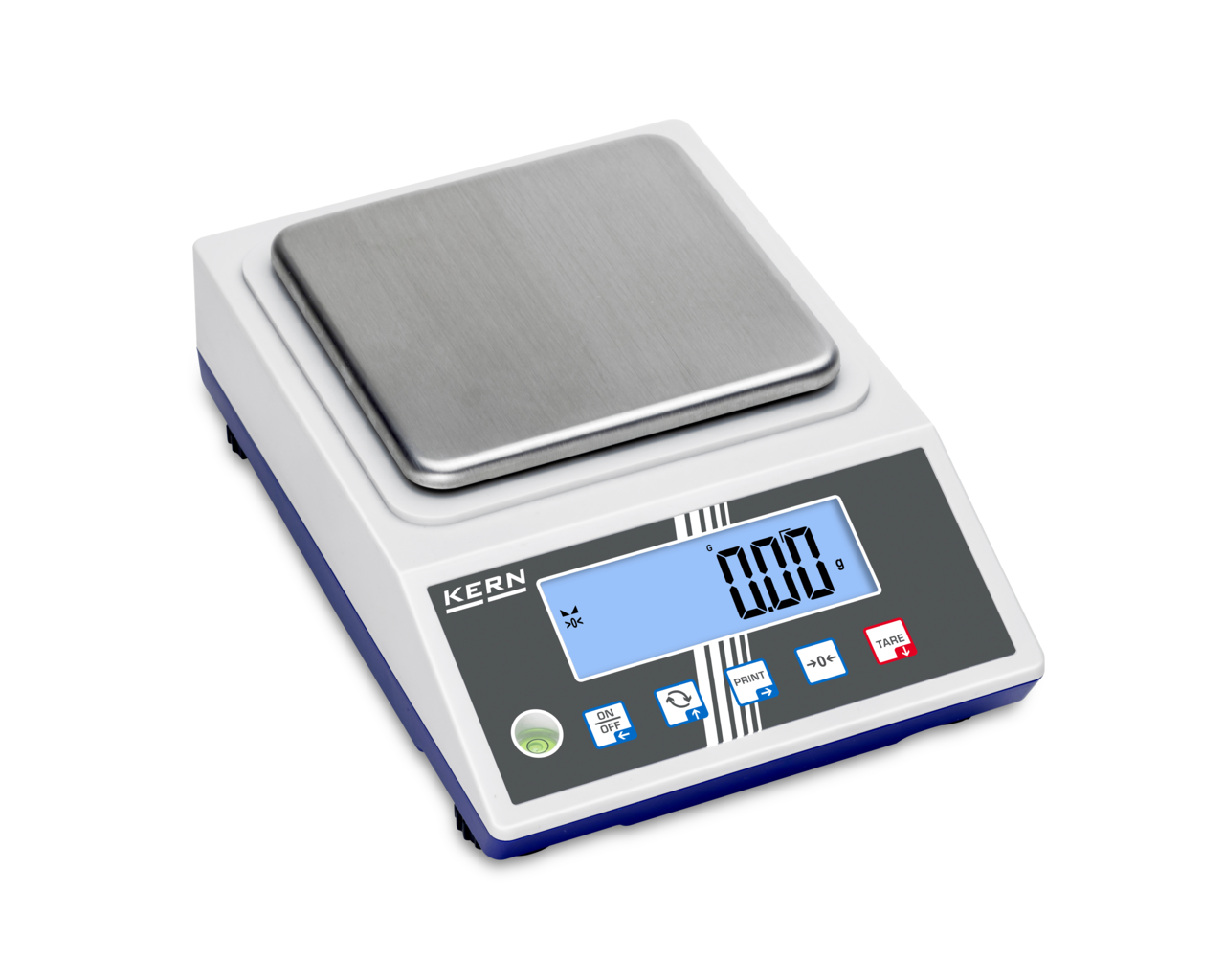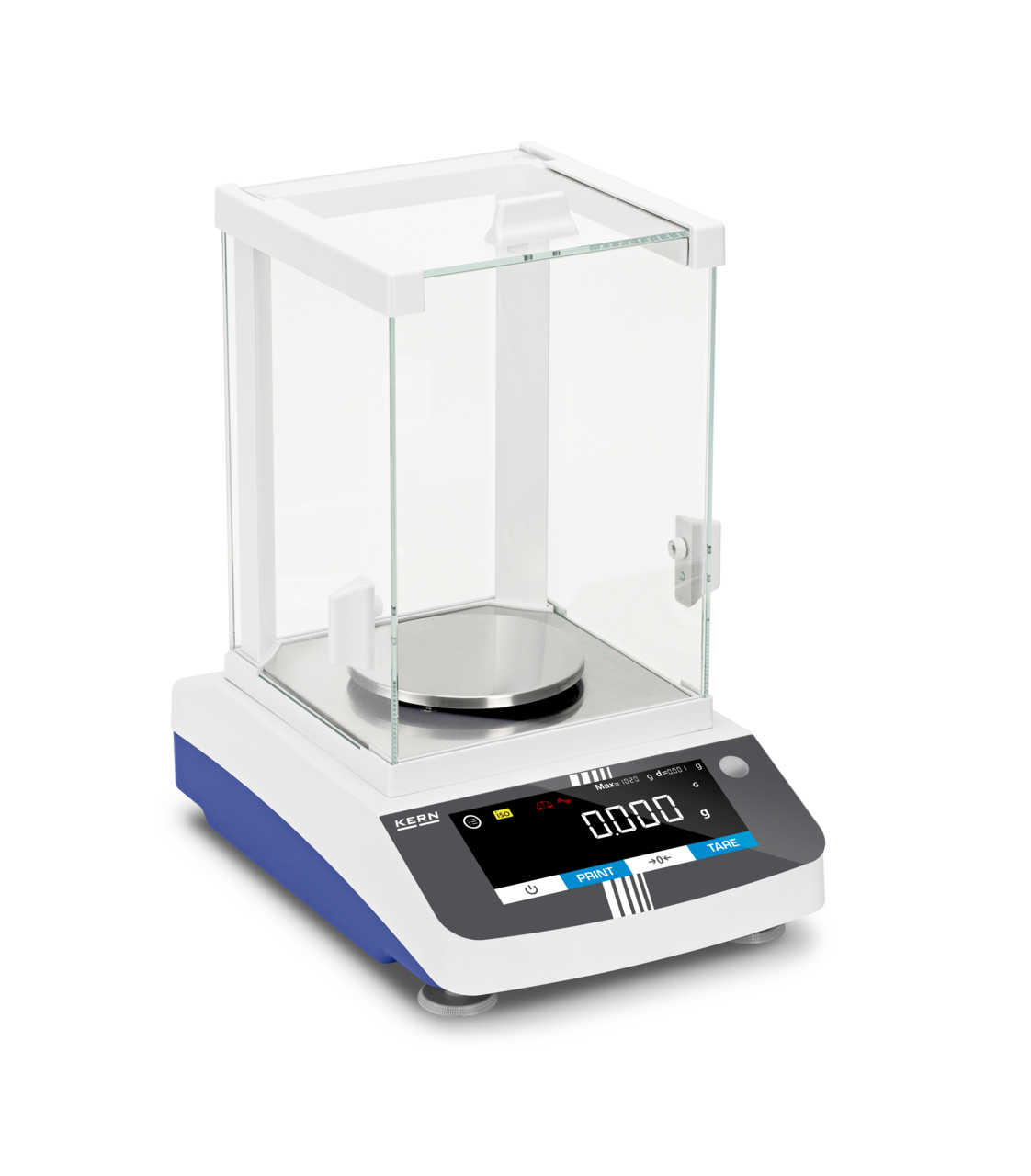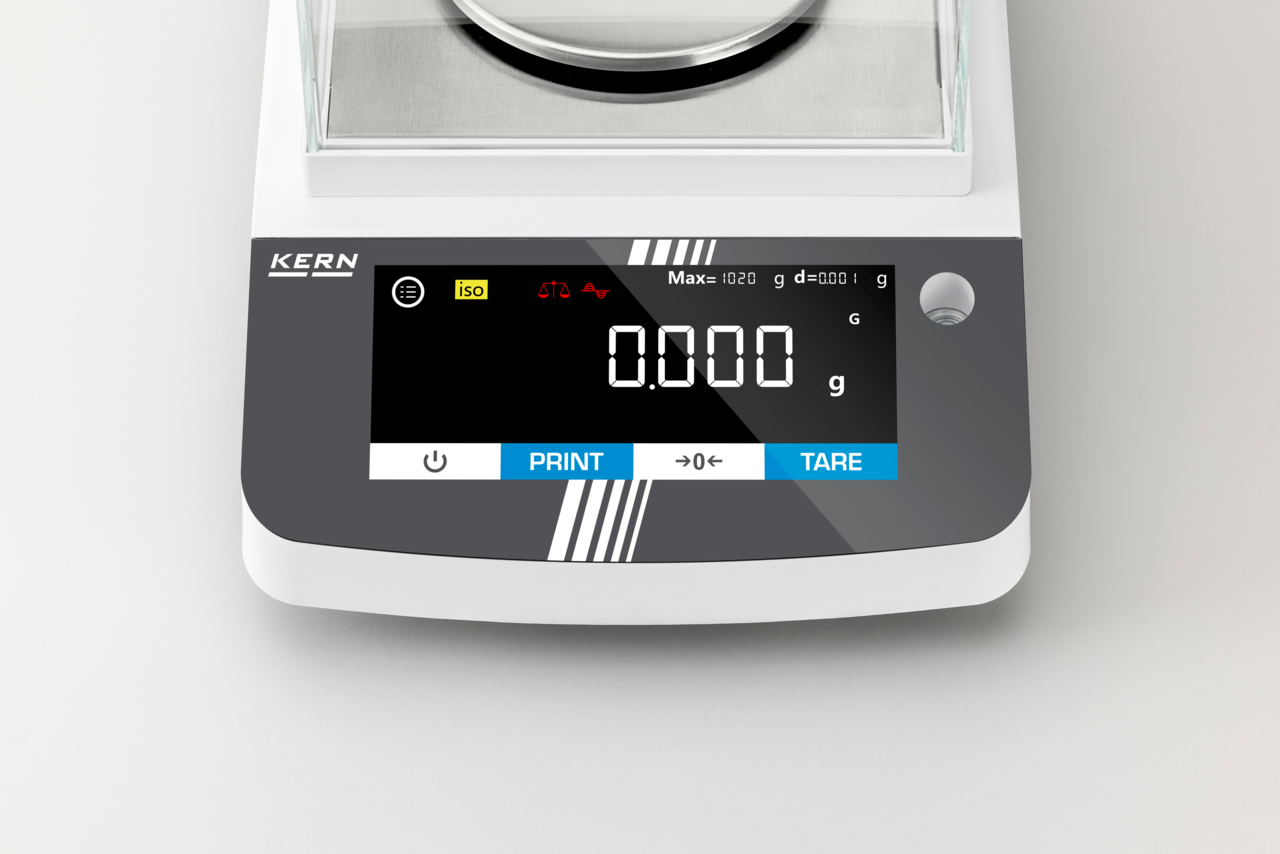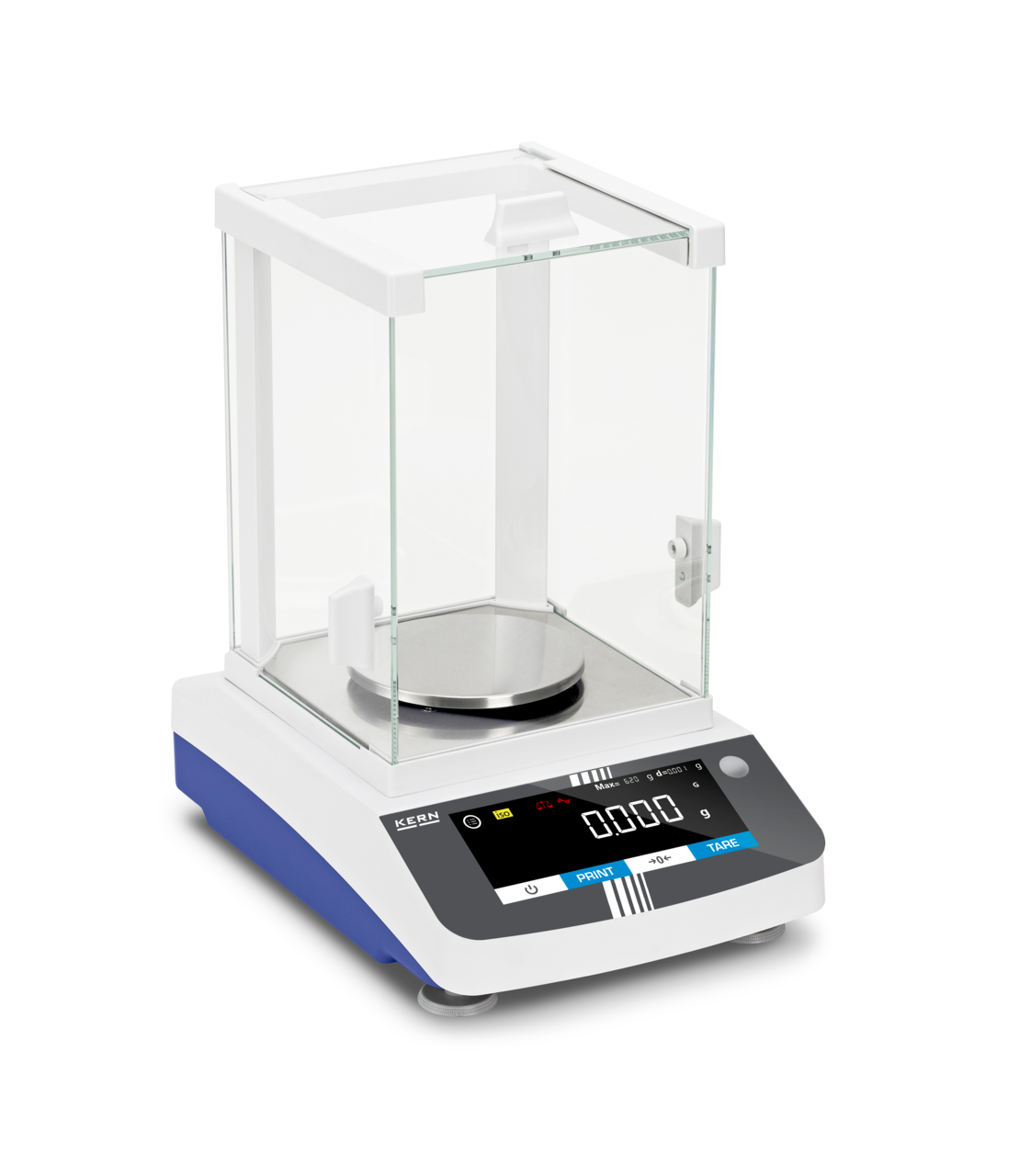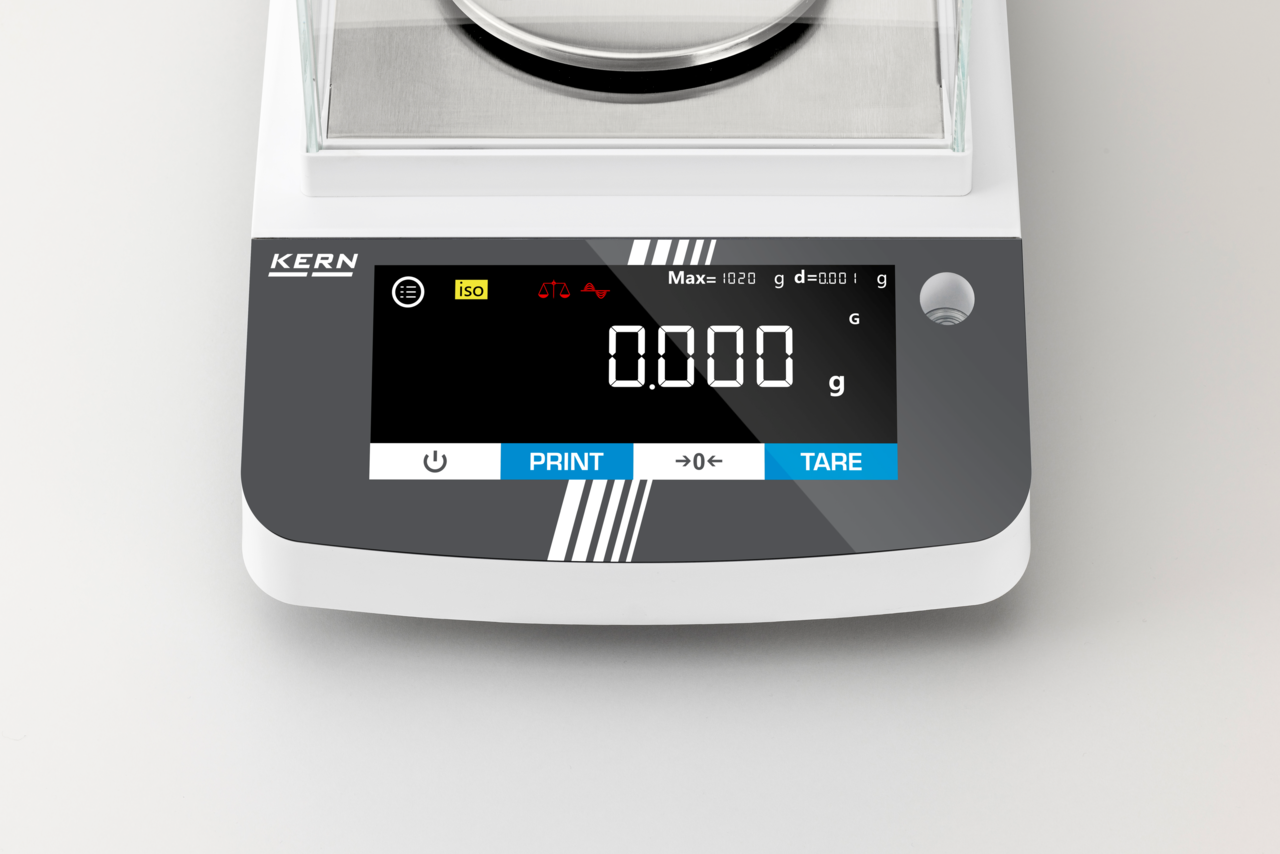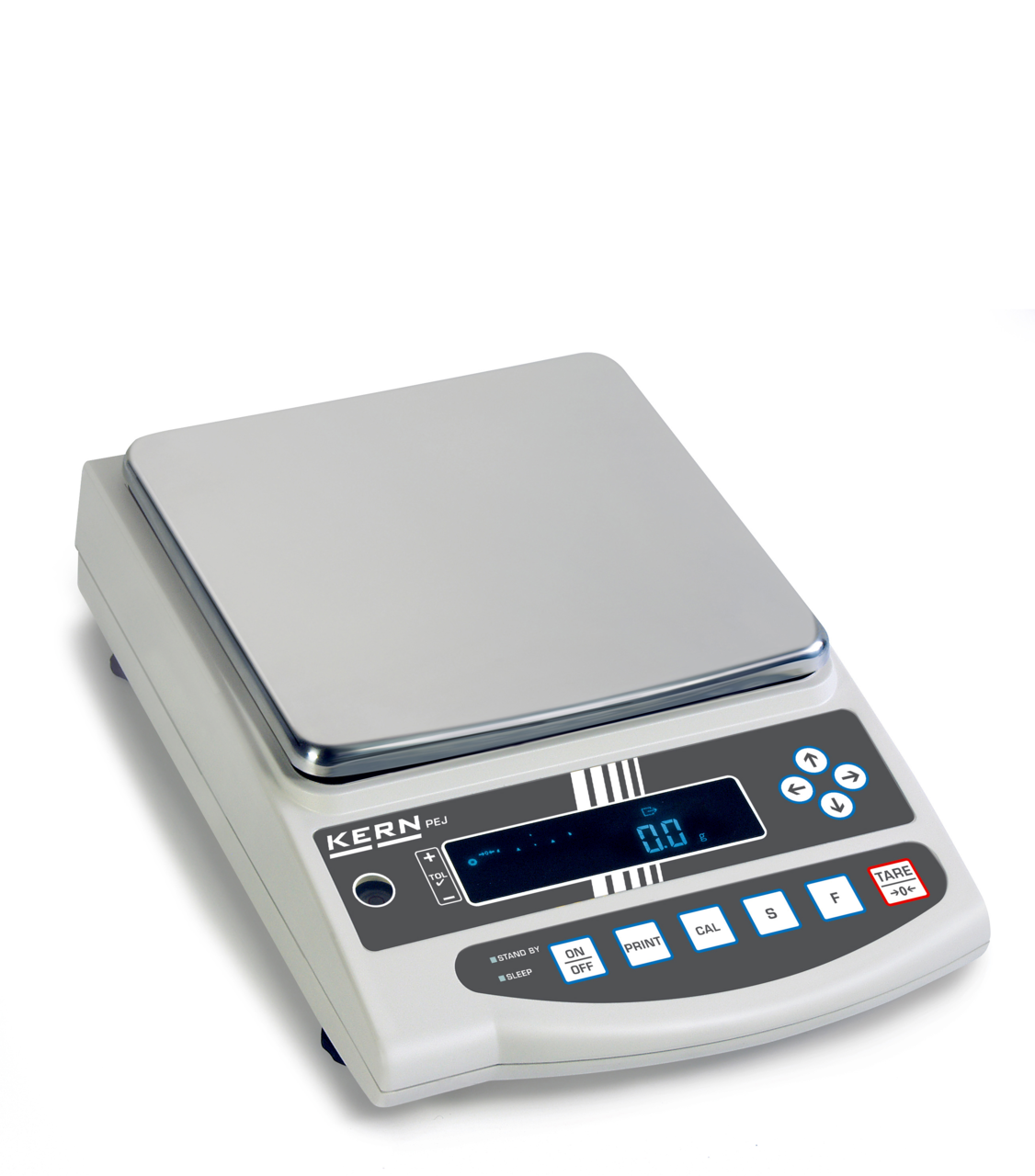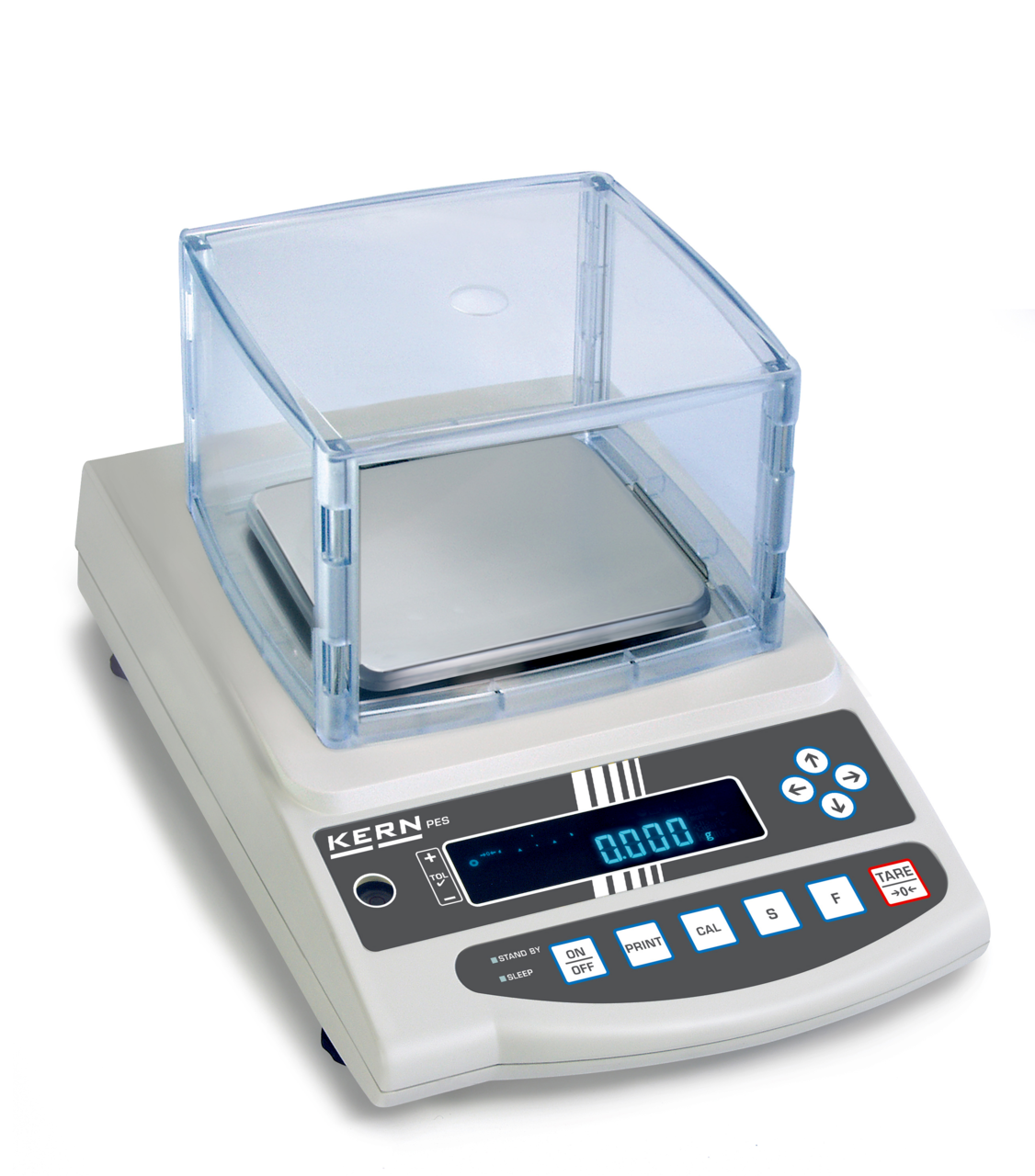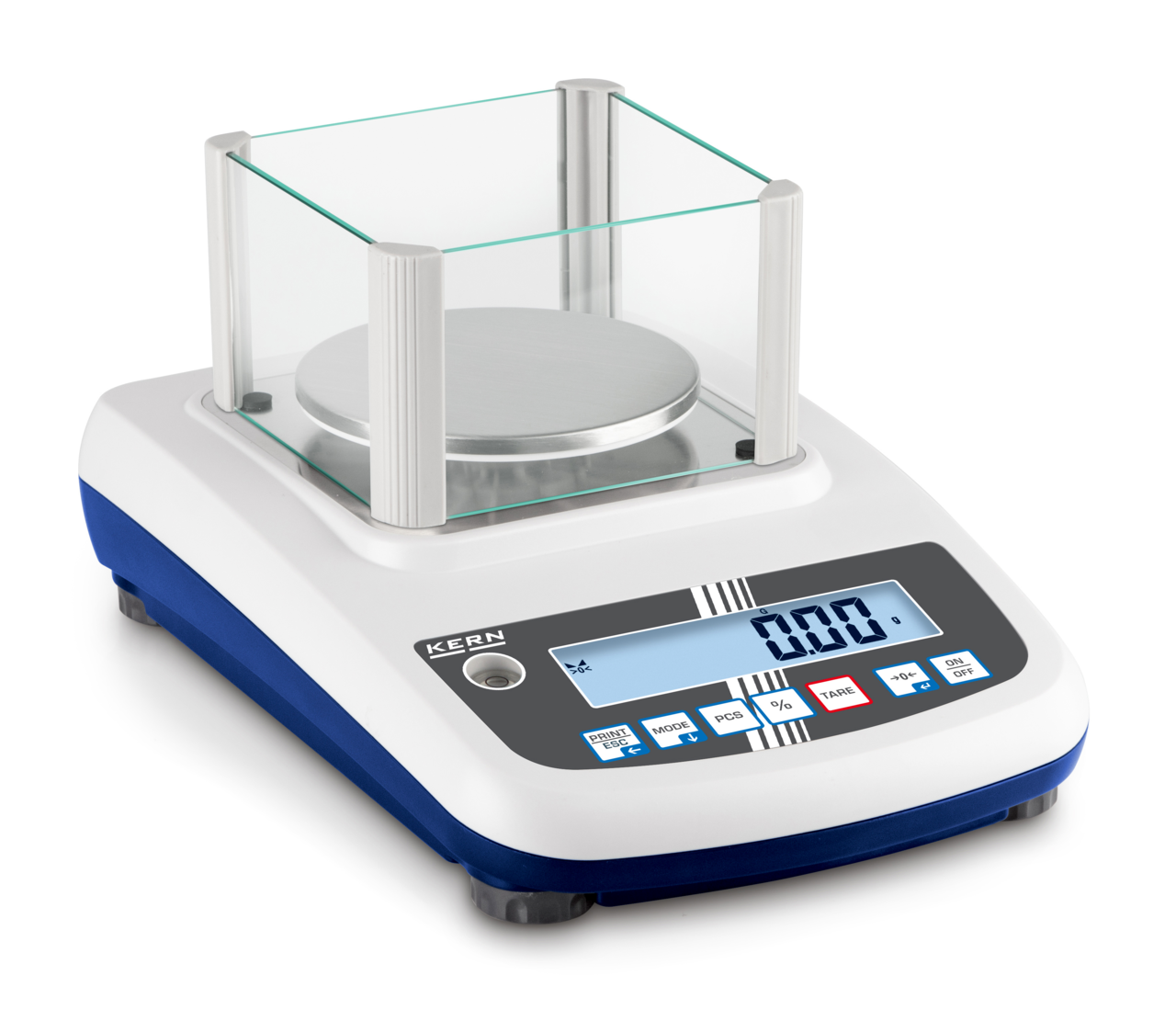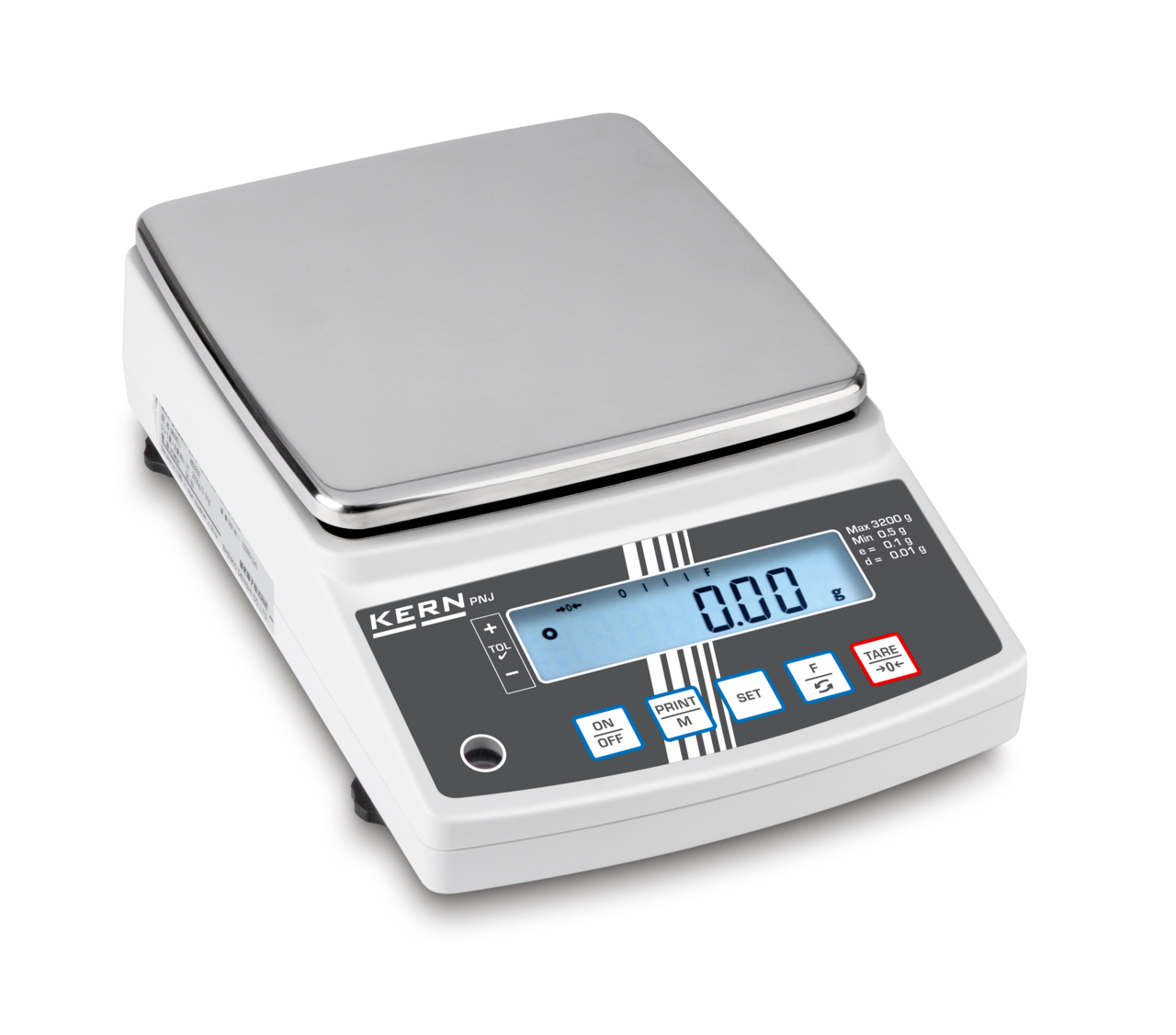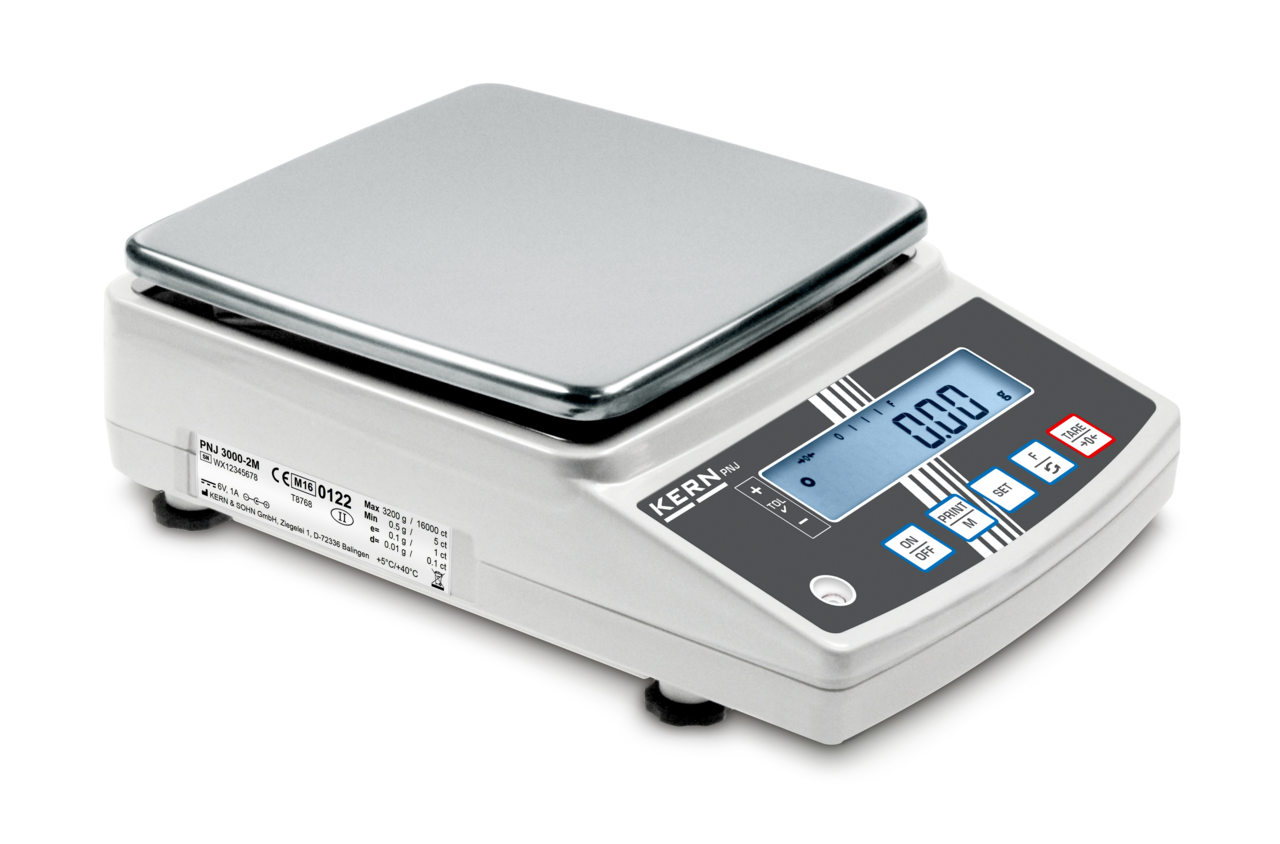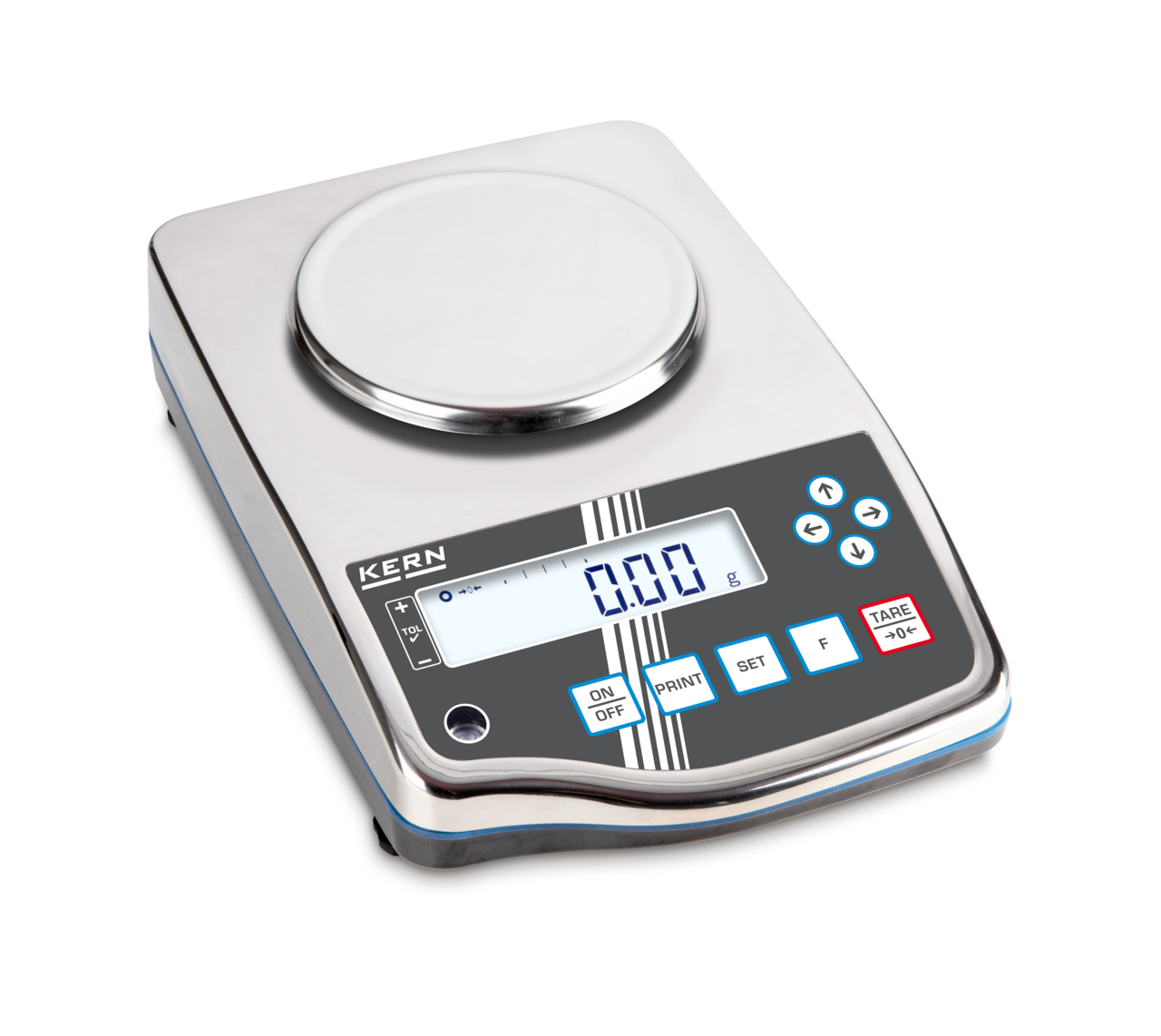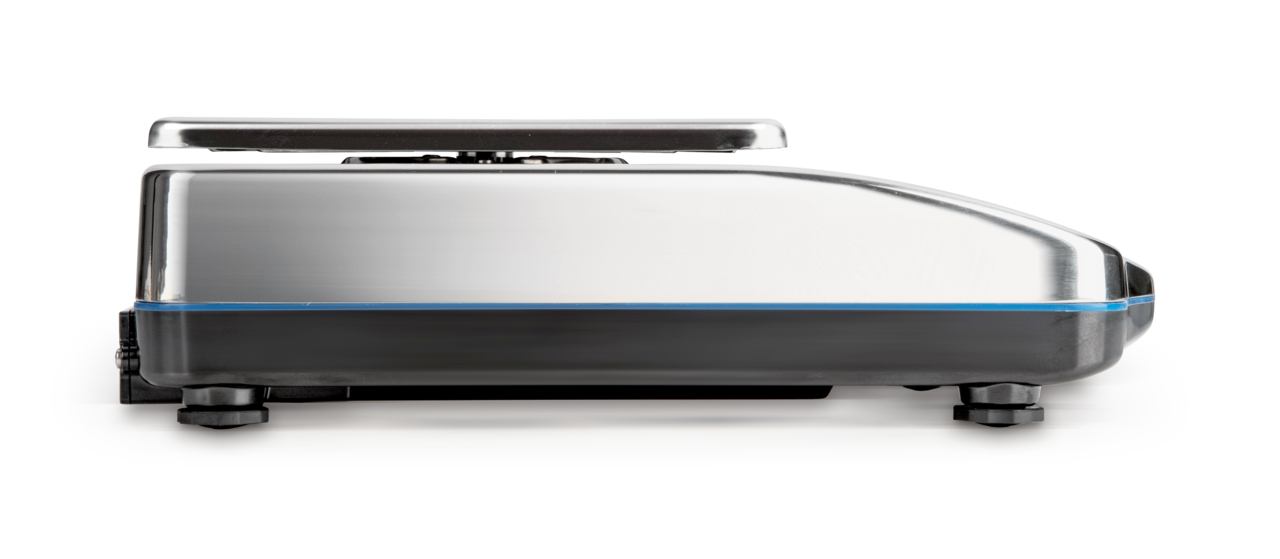
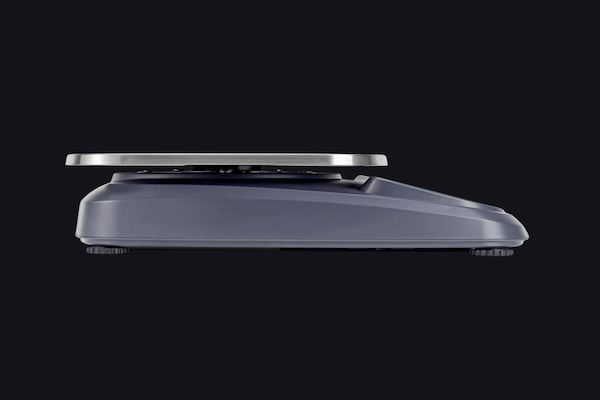
Precision Balances
Precision balances from KERN, Adam Equipment and Ohaus for accurate laboratory, production, education and quality control weighing applications.
Filters
31 products
Precision Balances
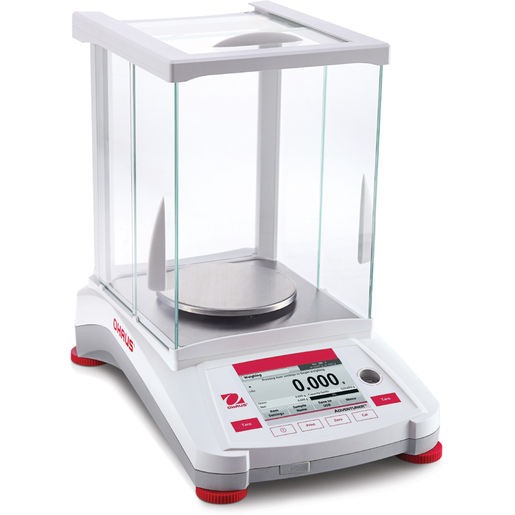
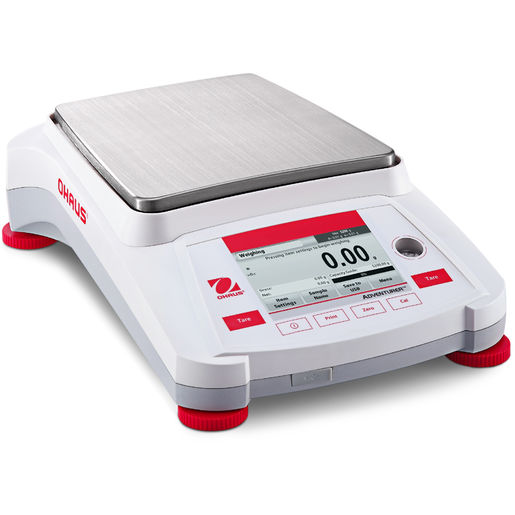
Precision balances are accurate weighing instruments used for laboratory, production, education and quality control applications. They provide reliable measurement for samples, components, containers, ingredients and materials where greater accuracy is needed than a general bench scale can provide.
This collection includes precision balances from KERN, Adam Equipment and Ohaus. Models are available with different capacities, readability levels, pan sizes, calibration options and weighing functions, allowing users to choose a balance suited to routine weighing or more specific application requirements.
Precision balances are often selected when users need a practical combination of accuracy and capacity. They are commonly used for sample weighing, formulation, stock checks, component verification, teaching, inspection and production support.
When choosing a precision balance, consider the required readability, maximum capacity, pan size, working environment and whether functions such as counting, checkweighing, percentage weighing or data output are needed. GNW can help specify a suitable balance for your application.
Further Reading
Precision Balances for Accurate Everyday Weighing
Precision balances are used where accurate weighing is required, but the ultra-fine readability of an analytical balance may not be necessary. They are widely used in laboratories, production areas, education, quality control, formulation and stock checking. Models from KERN, Adam Equipment and Ohaus are available with a wide choice of capacities, readability levels, pan sizes and weighing functions to suit routine and specialist applications.
Accurate Balances for Laboratory and Industrial Use
Precision balances offer a practical balance between accuracy, capacity and ease of use. They are suitable for weighing samples, components, ingredients, containers and materials across laboratory, workshop and production environments. The correct model should be chosen around the required readability, maximum capacity, pan size and the conditions in which the balance will be used.
Higher Capacity Than Analytical Balances
Precision balances often provide higher weighing capacities than analytical balances, making them suitable for larger samples or heavier containers while still offering accurate measurement. They are commonly used when users need reliable weighing performance but do not require very fine analytical readability.
Functions for Practical Weighing Tasks
Depending on the model, precision balances may include features such as parts counting, percentage weighing, checkweighing, accumulation, density determination, formulation, animal weighing or data output. These functions can help support repeatable weighing, quality checks, production records and laboratory documentation.
Learn more
Precision Balance Applications
Precision balances are used across laboratories, schools, workshops, production lines and quality departments. They are suitable for weighing tasks that require better accuracy than general bench scales, while still offering practical capacity and ease of use.
Precision balances are commonly used for routine sample weighing in laboratories. They are suitable for powders, liquids, containers, materials and prepared samples where accurate results are needed without the sensitivity requirements of analytical weighing.
In production and inspection areas, precision balances can be used to check component weights, batch quantities, material usage and product consistency. Their readability and capacity make them useful for regular quality control checks.
Schools, colleges and universities use precision balances for science teaching, experiments and practical laboratory work. They offer a useful combination of accuracy, durability and simple operation for regular student and technician use.
Precision balances are used for weighing ingredients, mixtures, compounds and test batches in laboratories and production environments. They can support formulation work where reliable measurement is important across a practical capacity range.
How to Choose a Precision Balance
Choosing the right precision balance depends on the required readability, maximum capacity, pan size, working environment and weighing functions. It is important to choose a model that provides enough accuracy for the task while still being practical for the samples being weighed.
Readability is the smallest weight change the balance can display. Choose a readability that is fine enough for your application, but avoid over-specifying if the weighing environment or sample handling will not support that level of precision.
The balance should have enough capacity for the sample, container and any accessories used during weighing. The pan size should also be large enough to support the item safely without affecting stability or access to the display.
Precision balances may use external calibration weights or internal calibration depending on the model. Consider how often the balance will be checked, whether calibration records are needed and whether internal calibration would make routine use easier.
Consider whether the balance needs parts counting, checkweighing, percentage weighing, density functions, print output or connection to a PC or data system. These features can help improve workflow and support recording requirements.
Precision Balance FAQs
These FAQs answer common questions about choosing and using precision balances for laboratory, production and quality control weighing.
What is a precision balance used for?
A precision balance is used for accurate weighing of samples, components, ingredients, containers and materials. Common uses include laboratory weighing, quality control, education, production checks and formulation work.
What is the difference between a precision balance and an analytical balance?
An analytical balance usually offers finer readability and is often used with a draft shield for very small samples. A precision balance typically offers higher capacity and is better suited to routine weighing where ultra-fine readability is not required.
Do precision balances need calibration?
Yes. Precision balances should be calibrated or checked according to the user’s quality process and the manufacturer’s instructions. Some models use external calibration weights, while others include internal calibration.
Can GNW help choose a precision balance?
Yes. GNW can help match a precision balance to your application, including readability, capacity, pan size, calibration type, weighing environment and any required data or weighing functions.