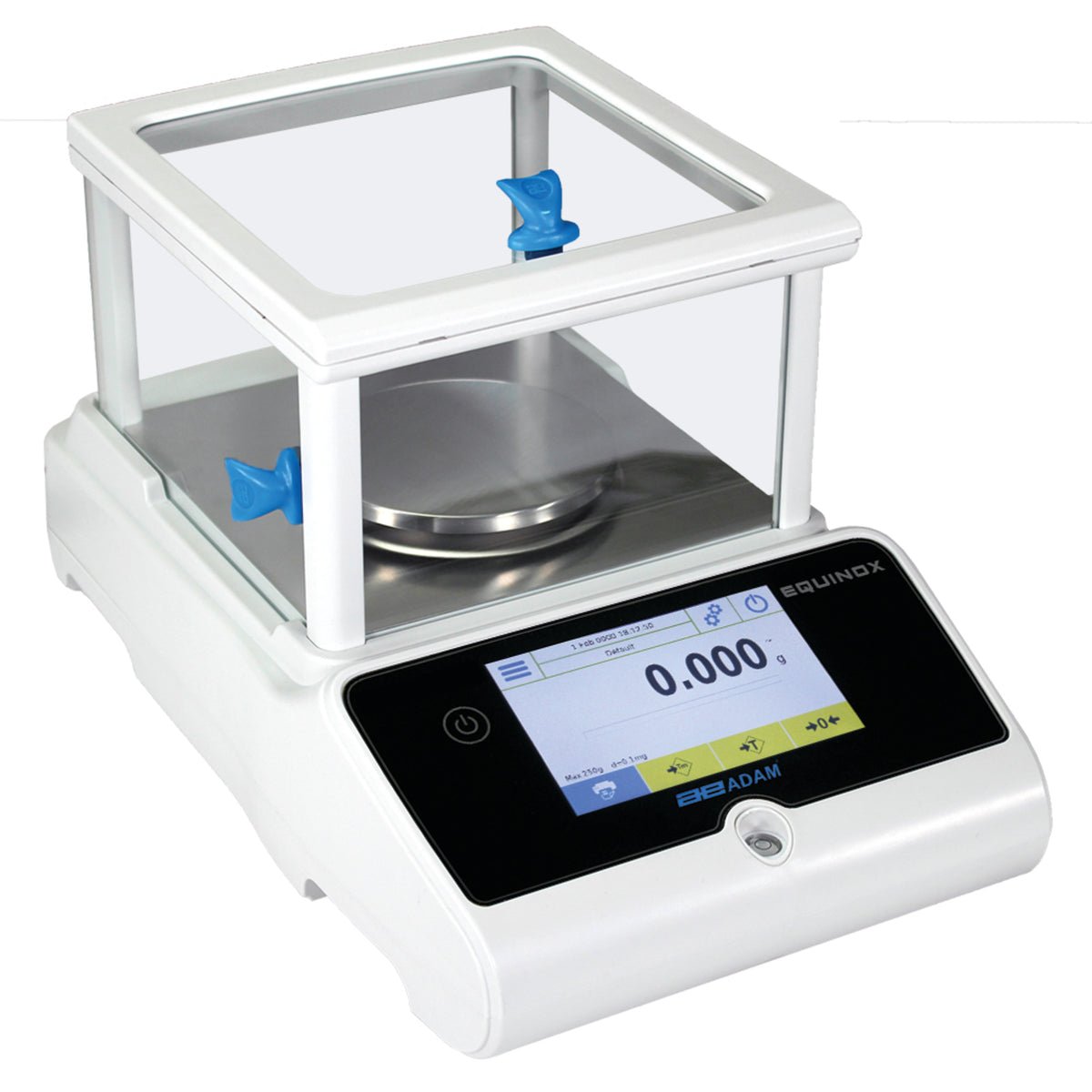
Laboratory Balances

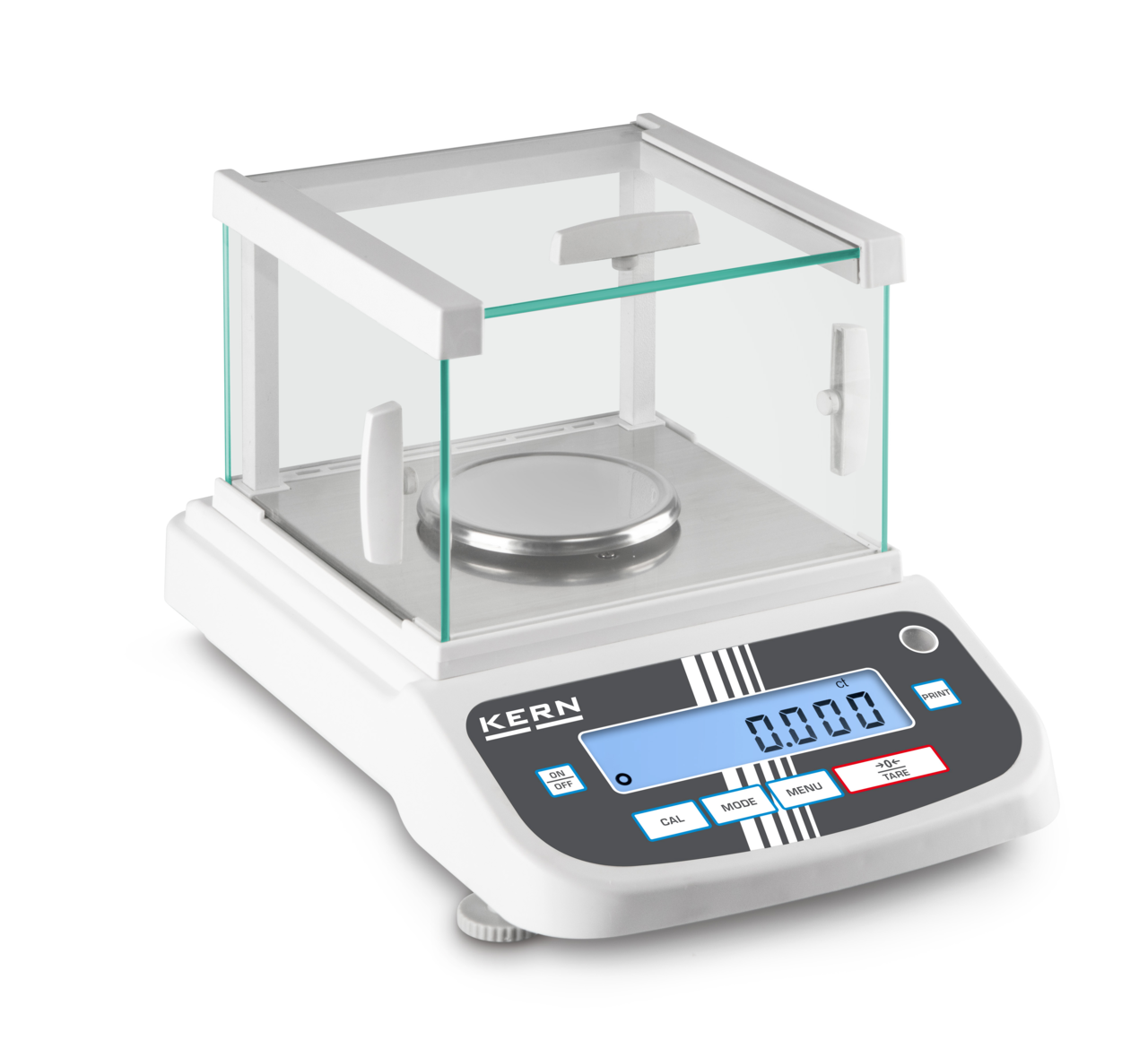
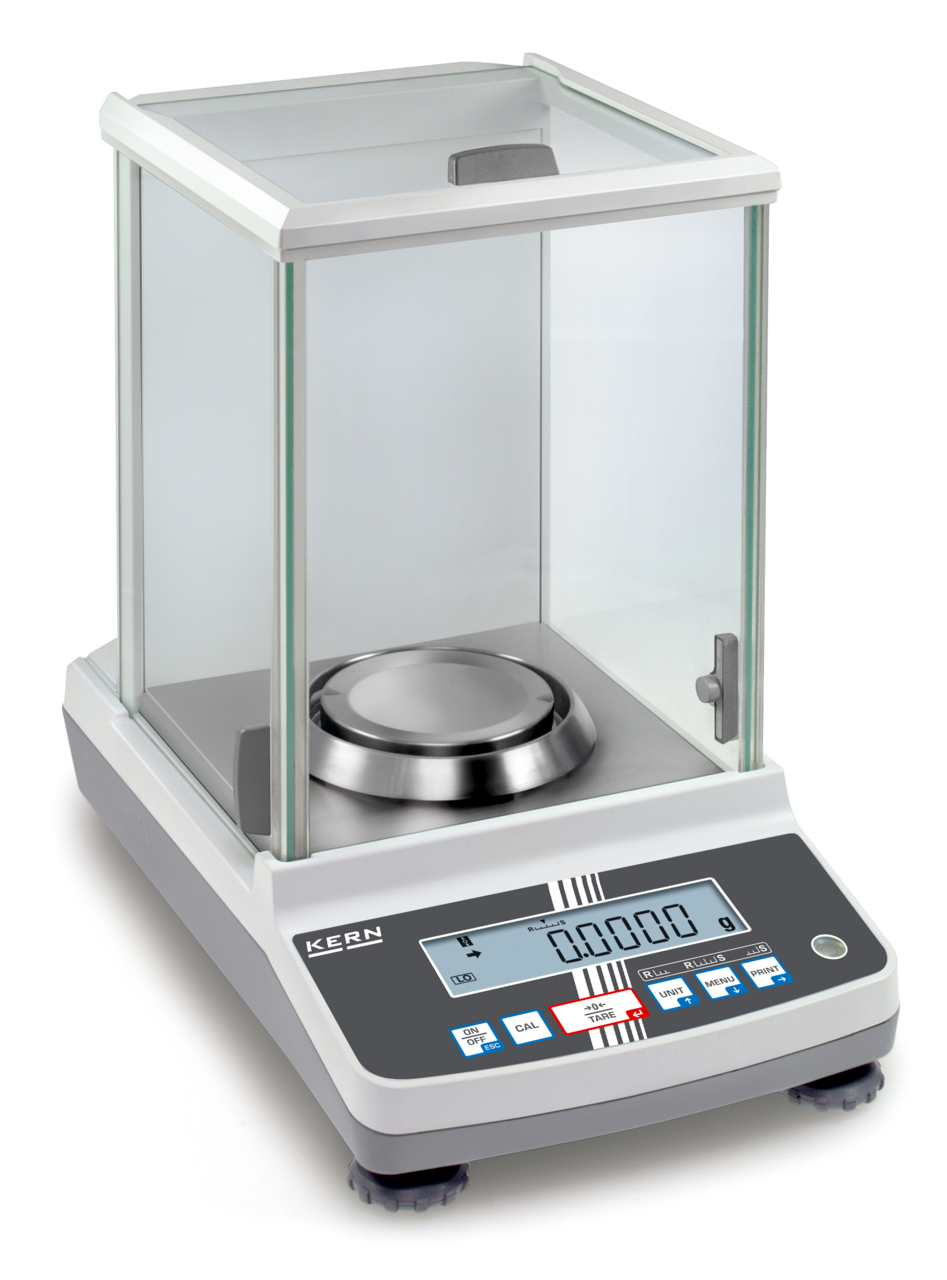
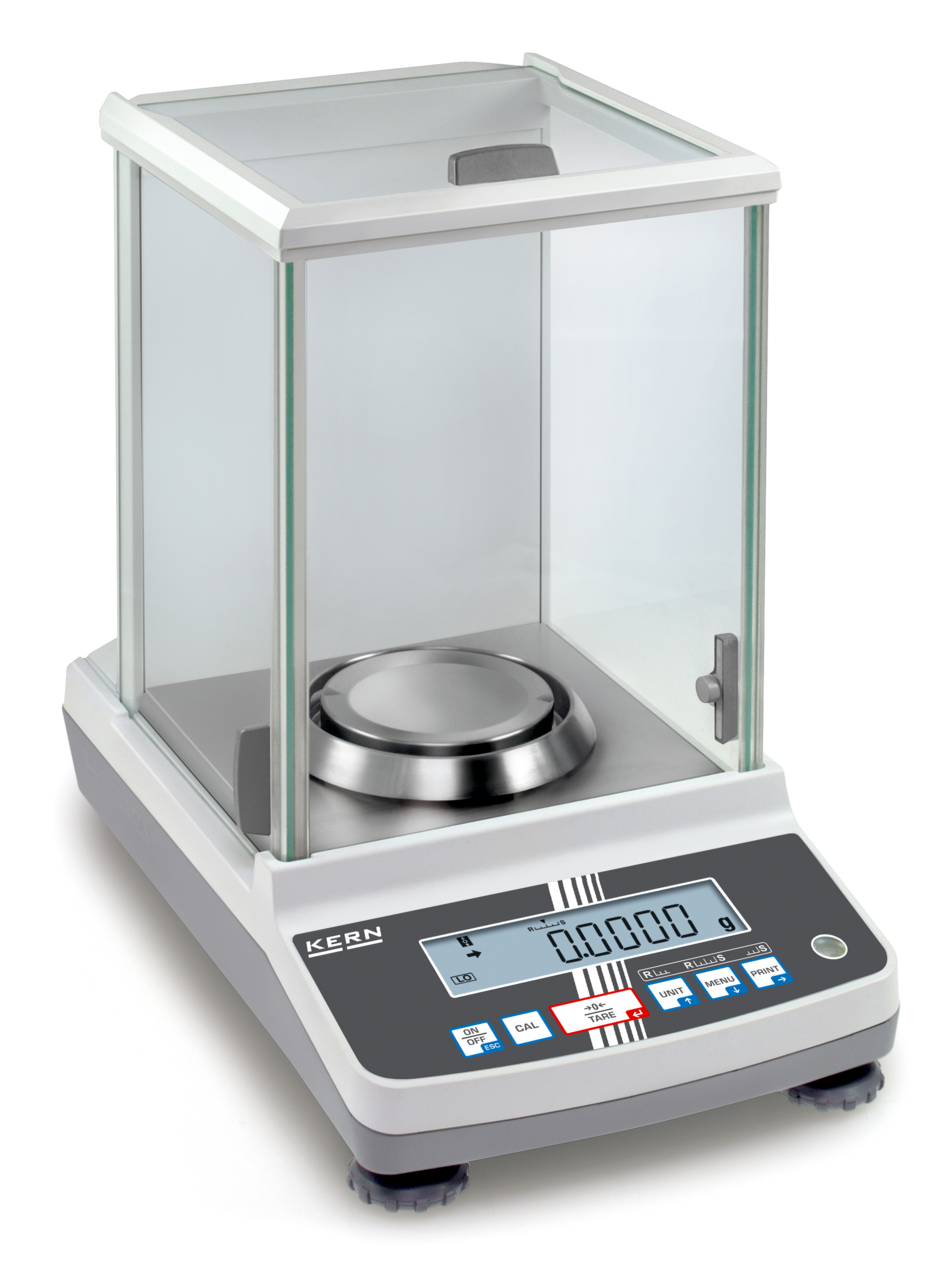
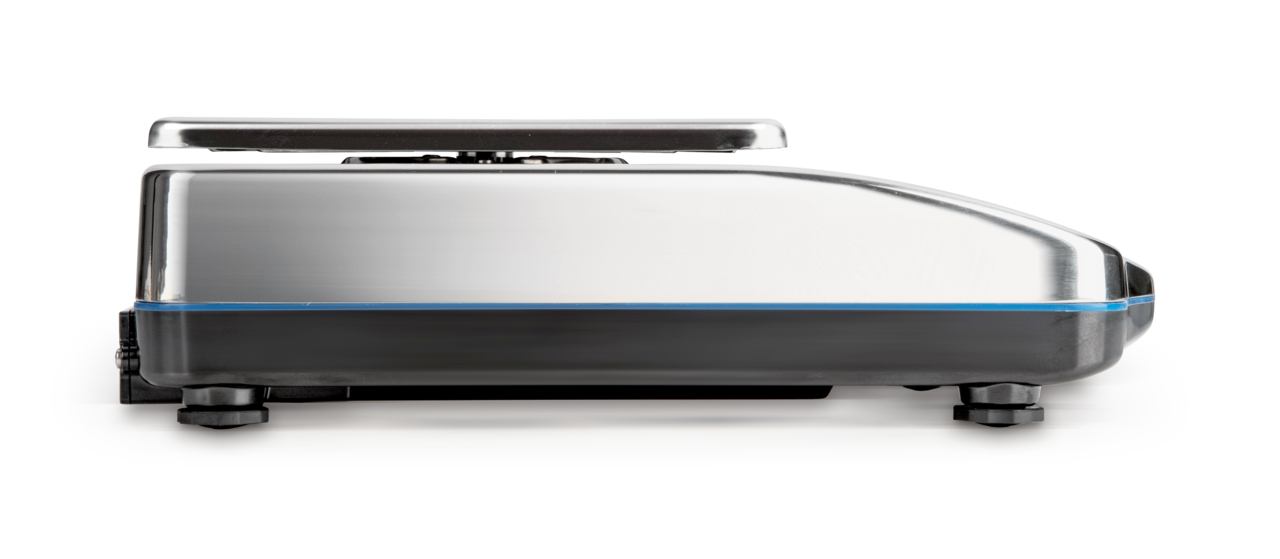
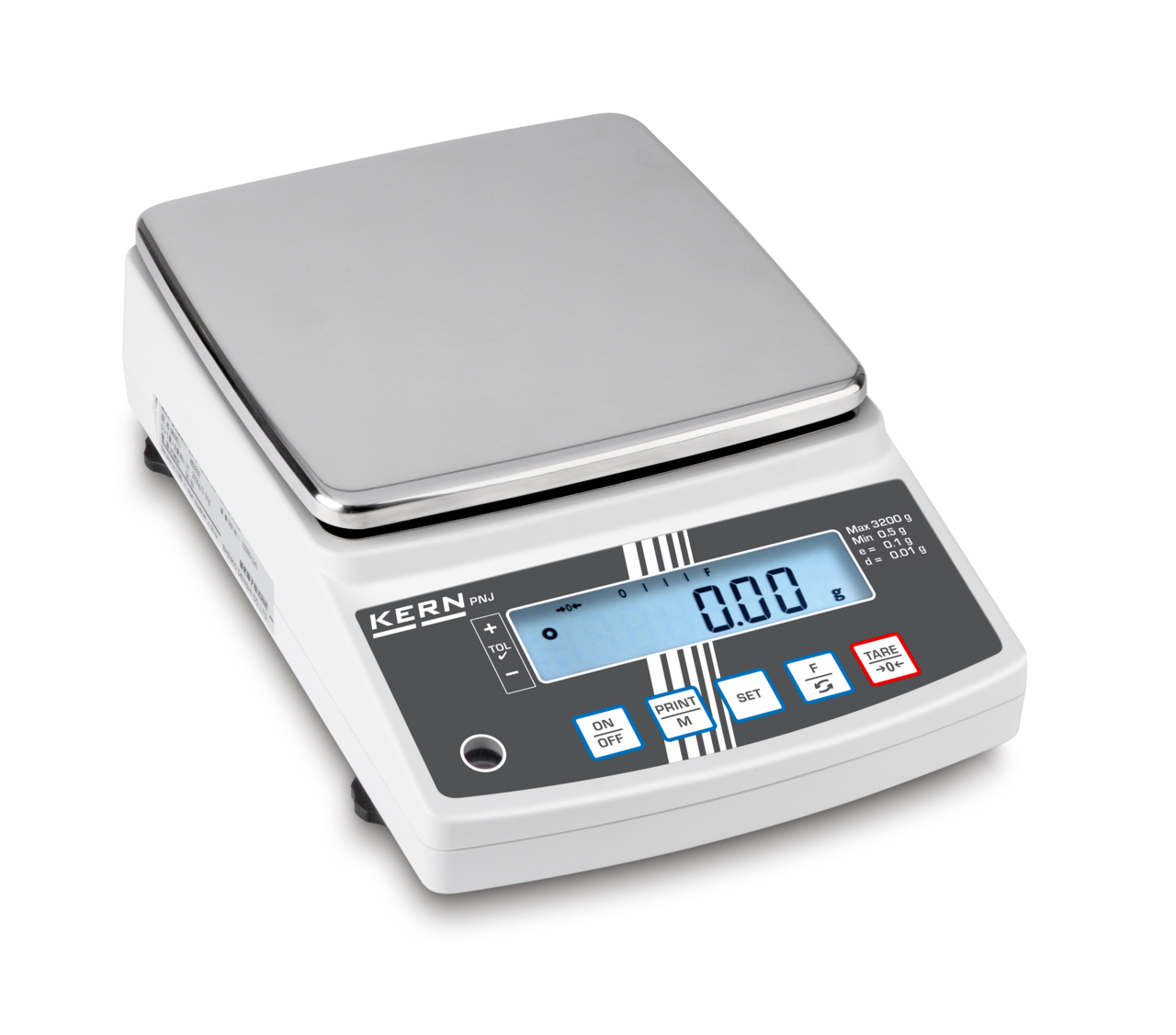
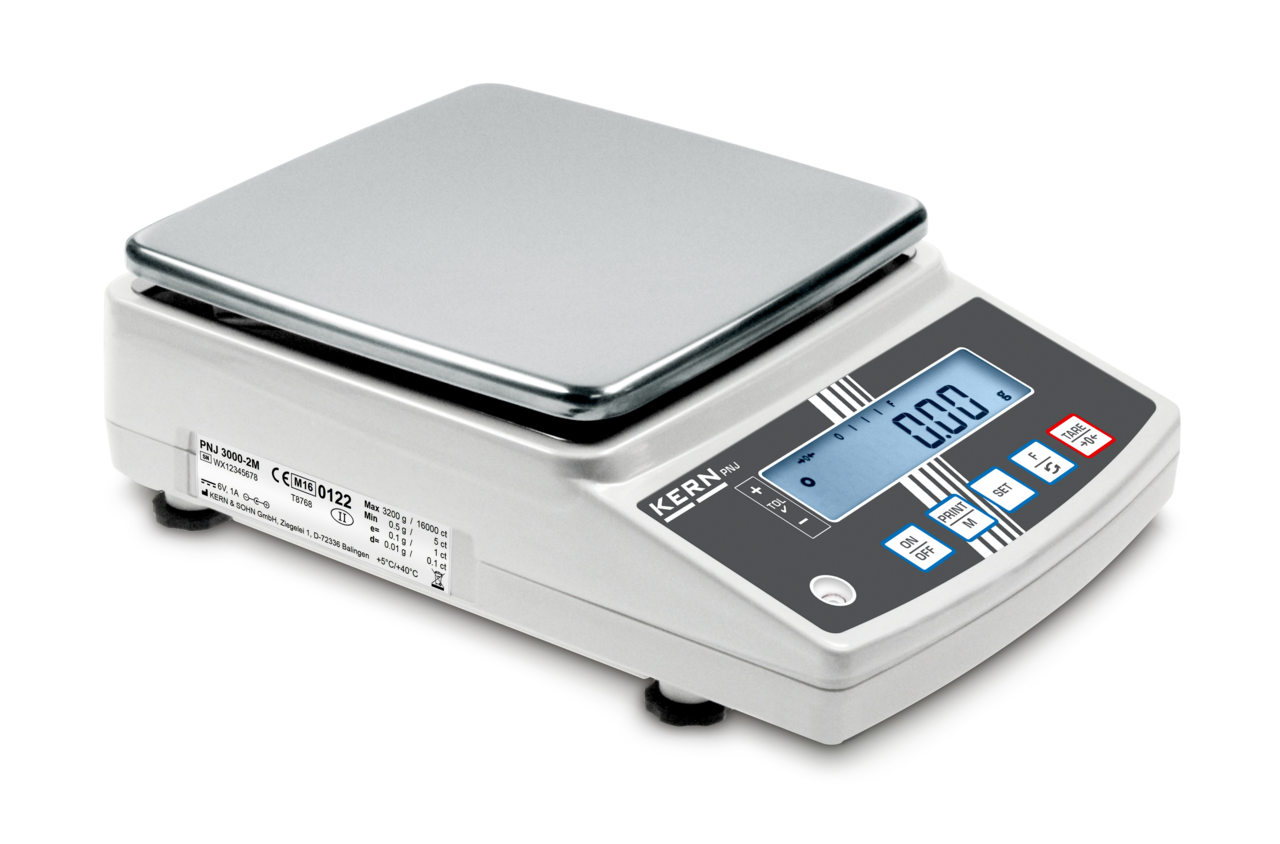
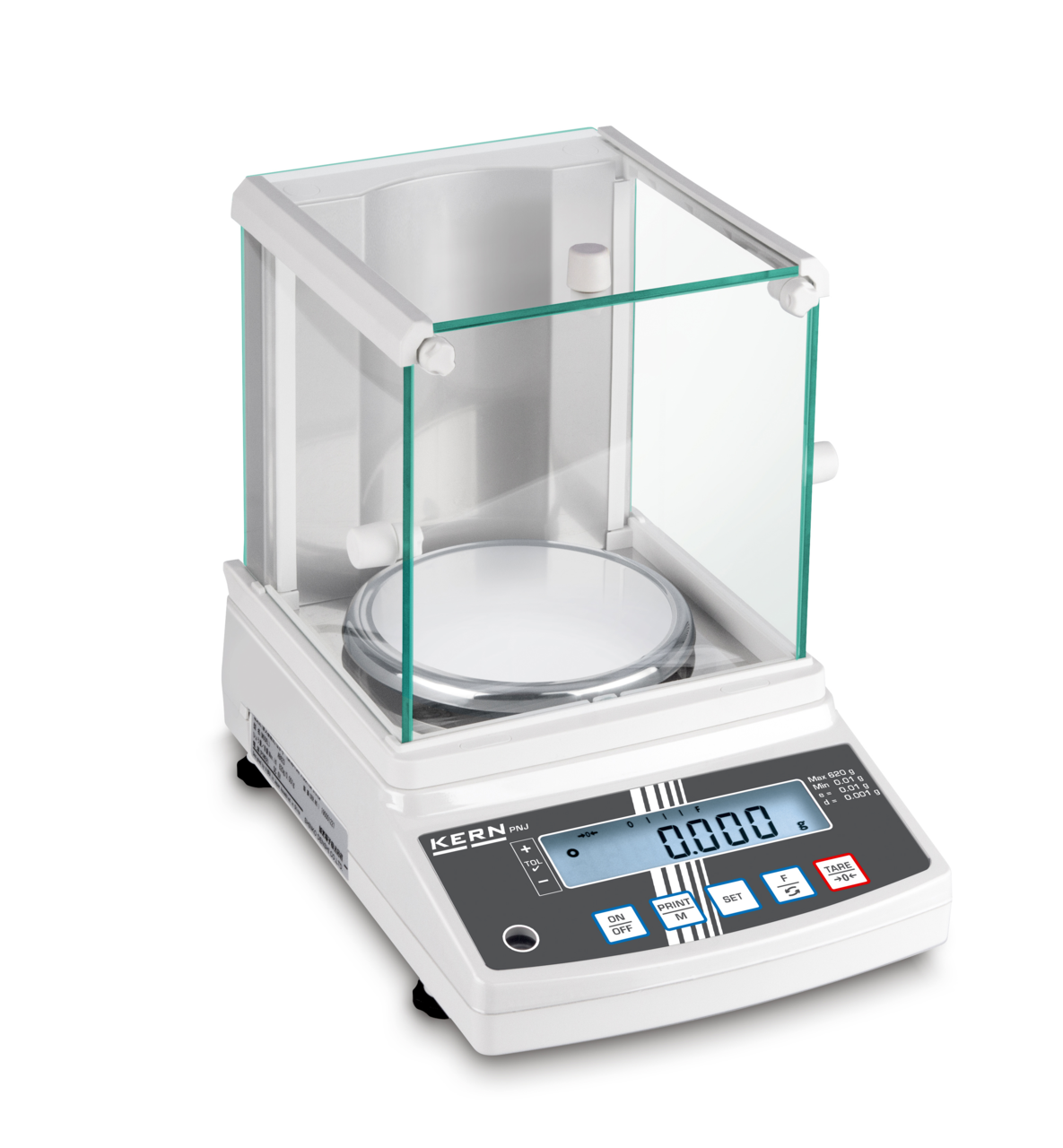
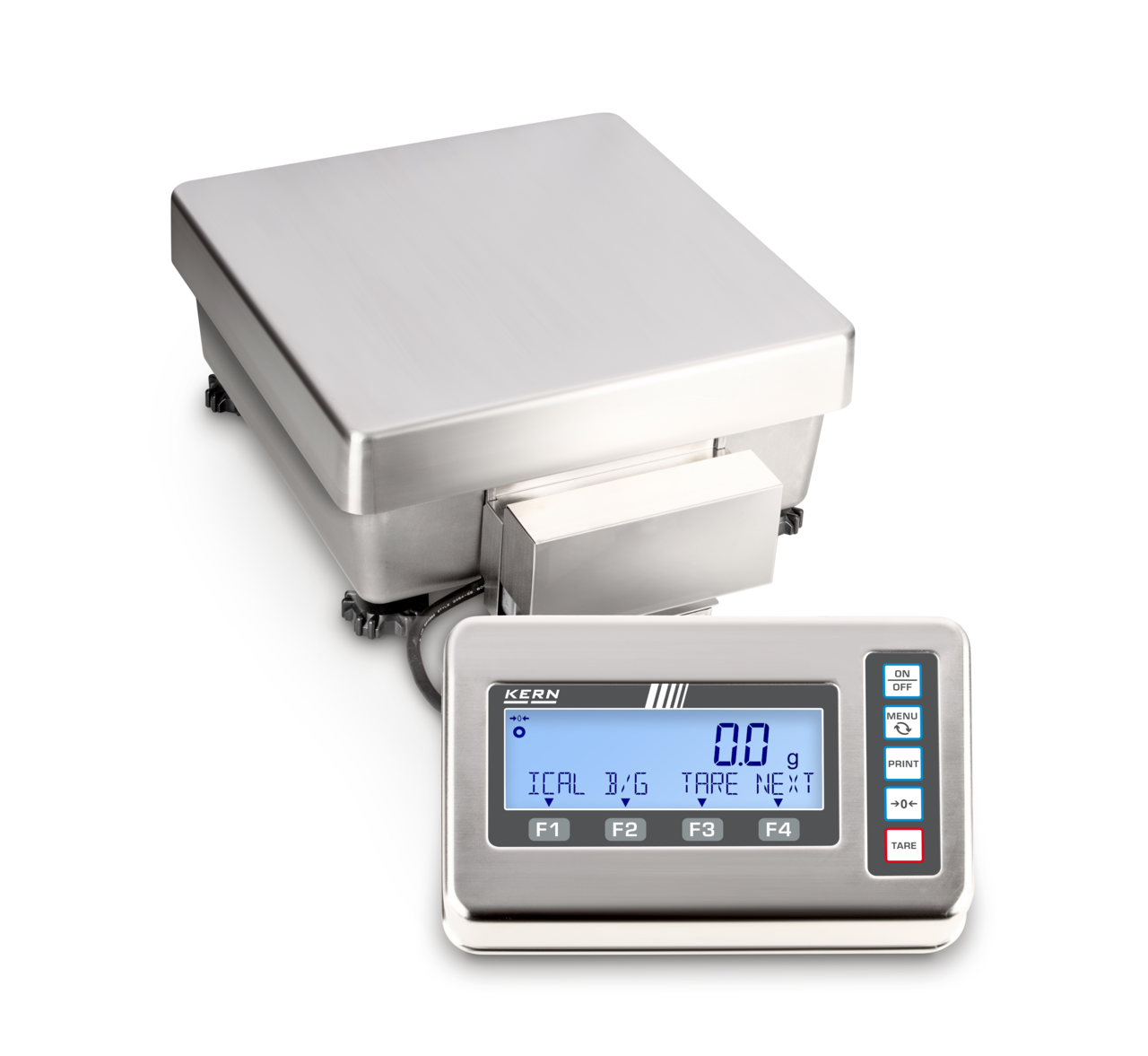
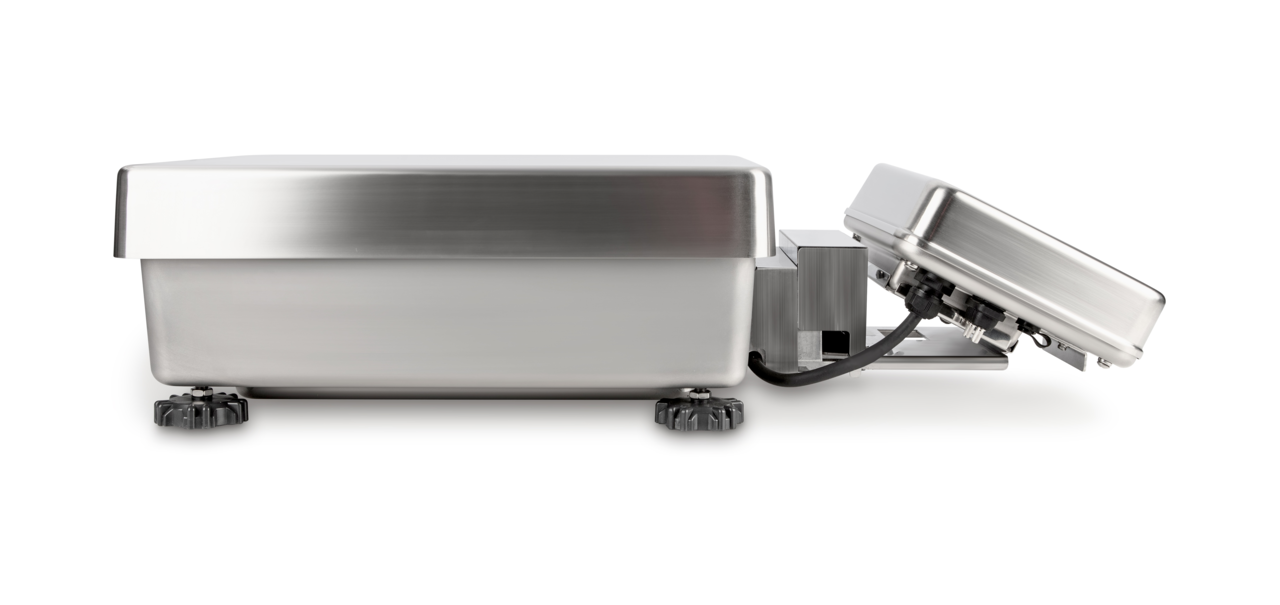
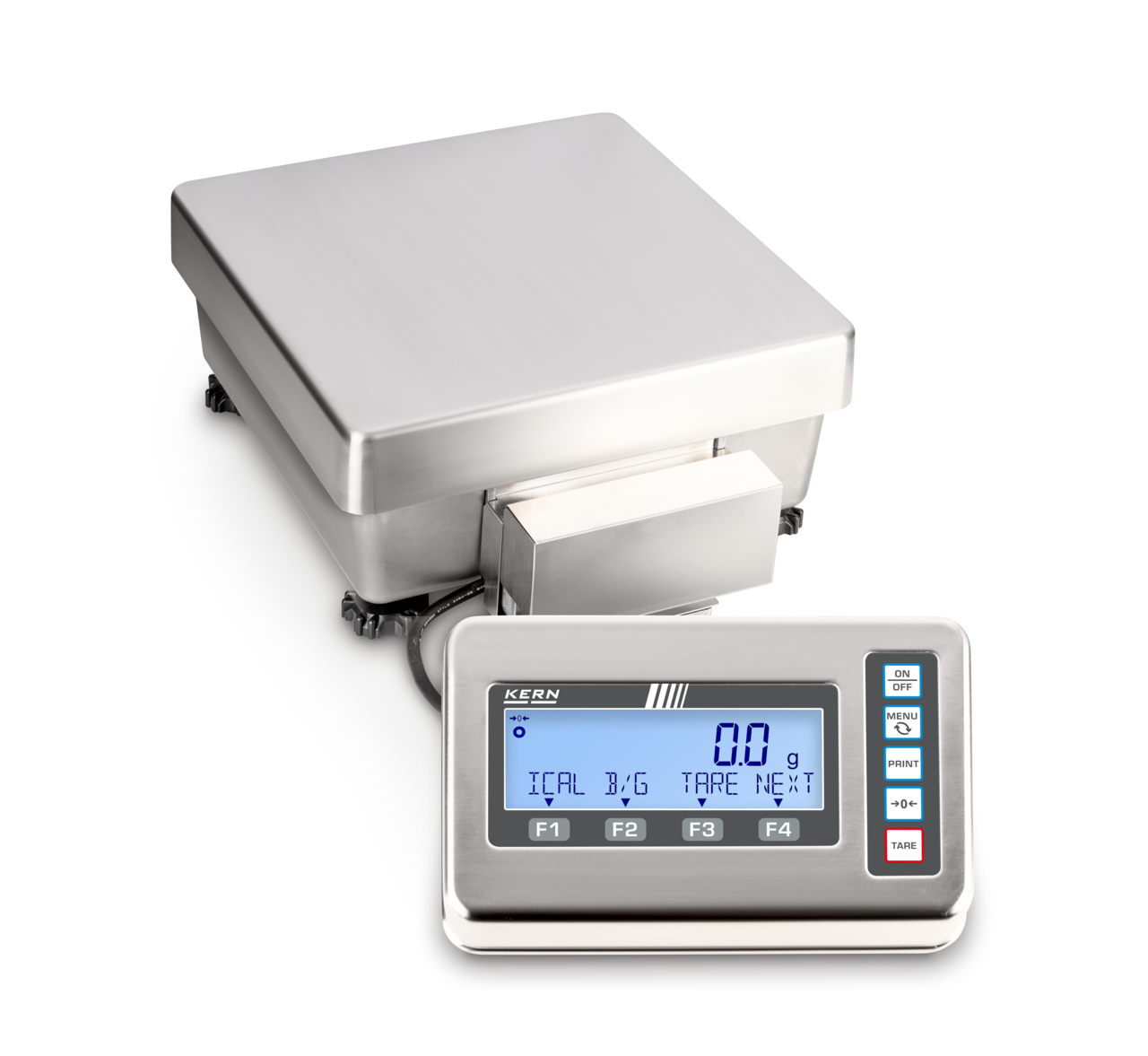
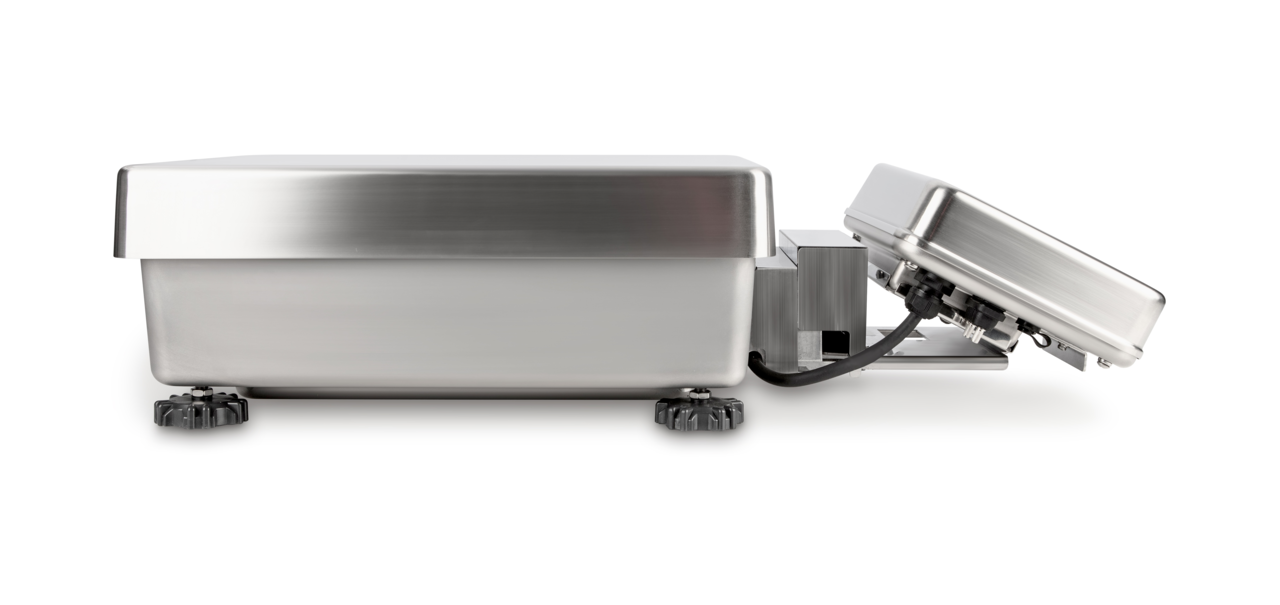
Laboratory balances are designed for accurate weighing within pharmaceutical, food-testing, chemical-analysis, education and industrial quality-control environments. At GNW Instrumentation, we supply precision, analytical and semi-micro balances from KERN, Ohaus and Adam Equipment, covering a wide range of capacities, readabilities and calibration options.

Filters

Filters
Sort by:

53 products

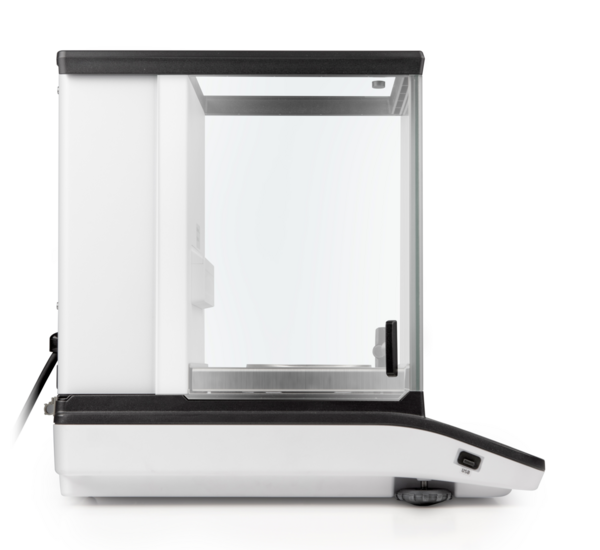
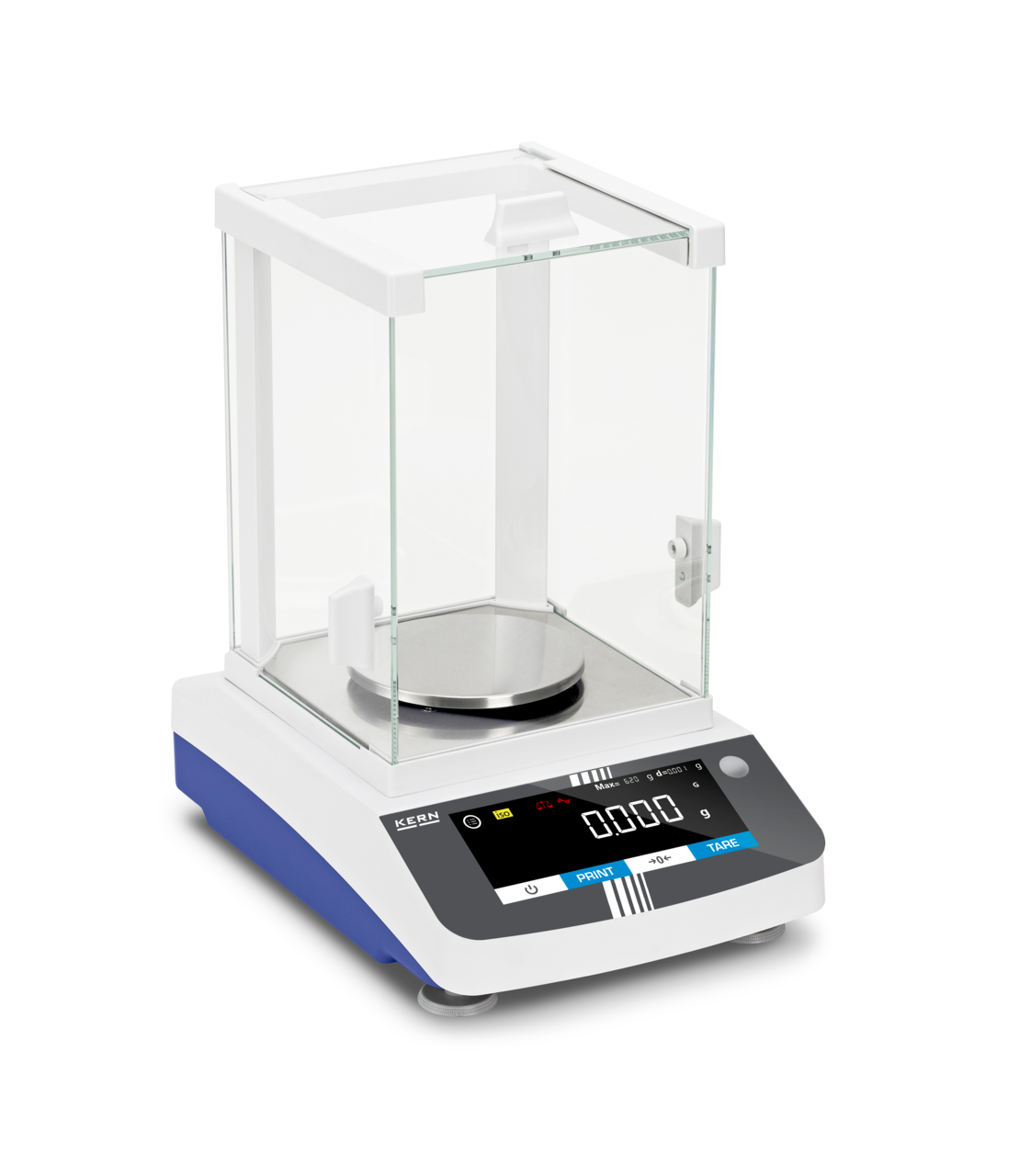
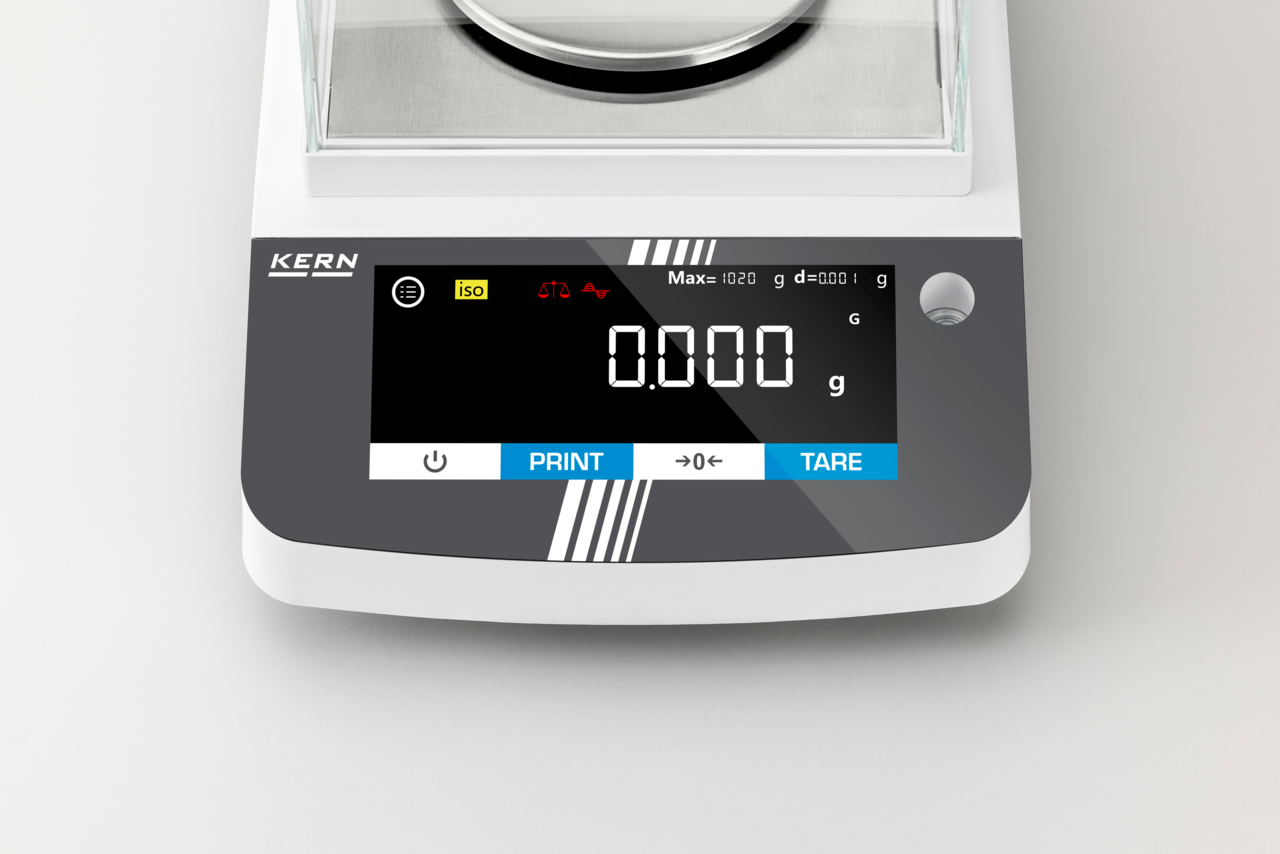
Kern ADB Analytical Balance
Kern ADB Analytical Balances Sale priceFrom £633.60
Kern ACS Analytical BalanceKern ACS Analytical Balance
Kern ACS Analytical Balances Sale priceFrom £1,230.00
Kern ACJ Analytical BalanceKern ACJ Analytical Balance
Kern ACJ Analytical Balances Sale priceFrom £1,245.10
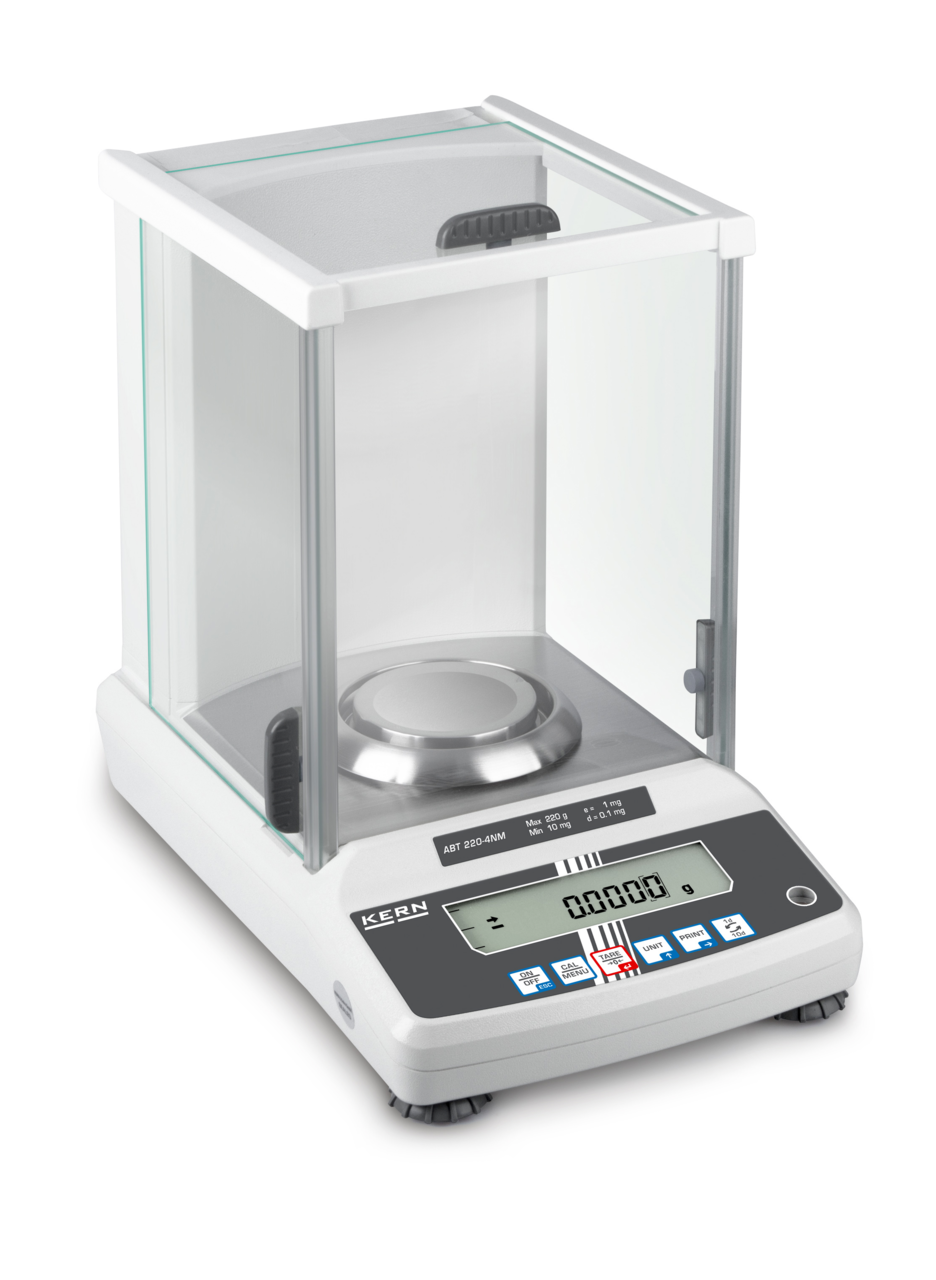
Kern ABT Analytical BalanceKern ABT Analytical Balance
Kern ABT Analytical Balances Sale priceFrom £2,156.00
Kern ABP-A Analytical BalanceKern ABP-A Analytical Balance
Kern ABP-A Analytical Balances Sale priceFrom £5,800.00
Kern ABP Analytical BalanceKern ABP Analytical Balance
Kern ABP Analytical Balances Sale priceFrom £1,975.50
Kern PWS Precision BalanceKern PWS Precision Balance
Kern PWS Precision Balances Sale priceFrom £932.80
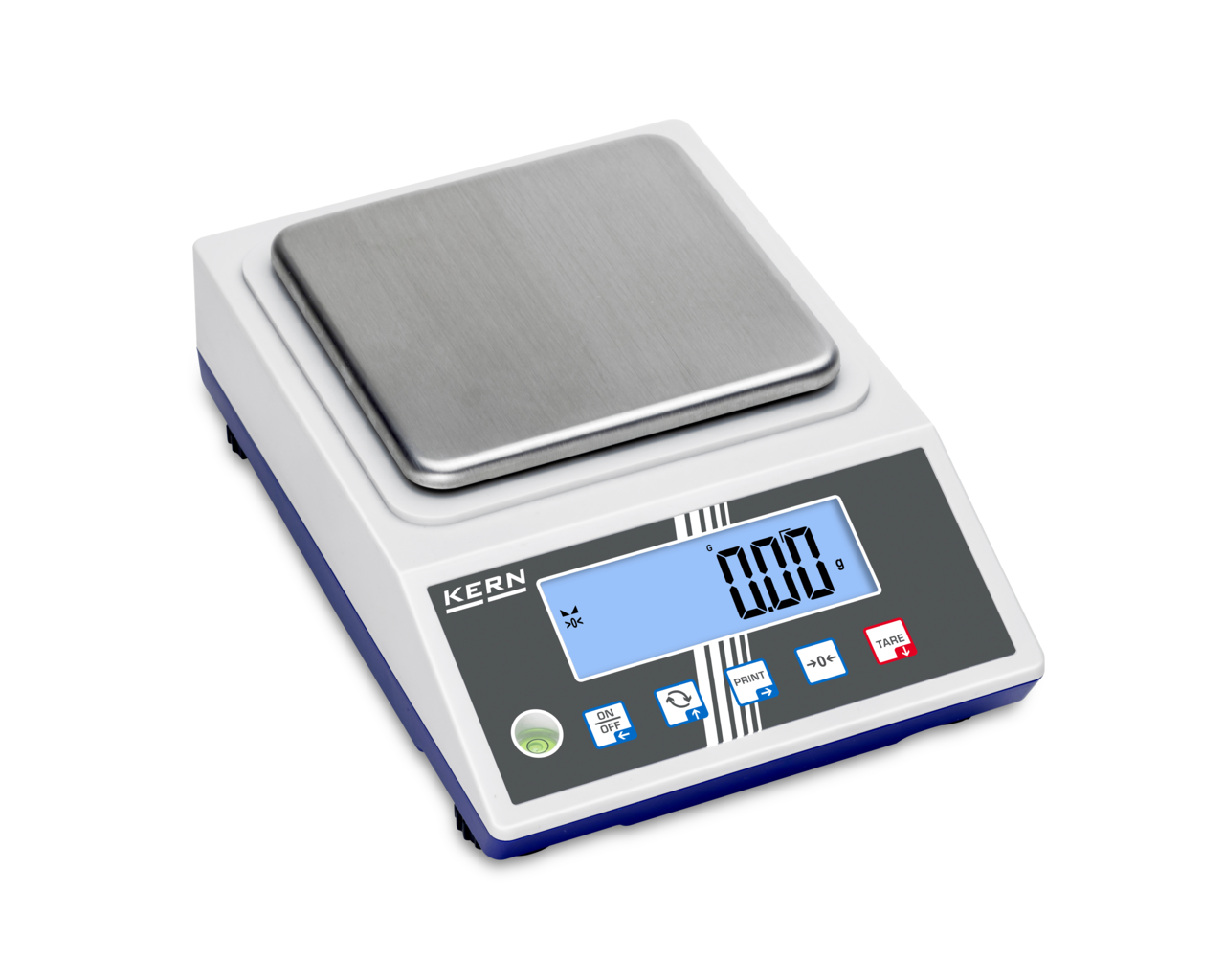
Kern PNS Precision BalanceKern PNS Precision Balance
Kern PNS Precision Balances Sale priceFrom £660.00
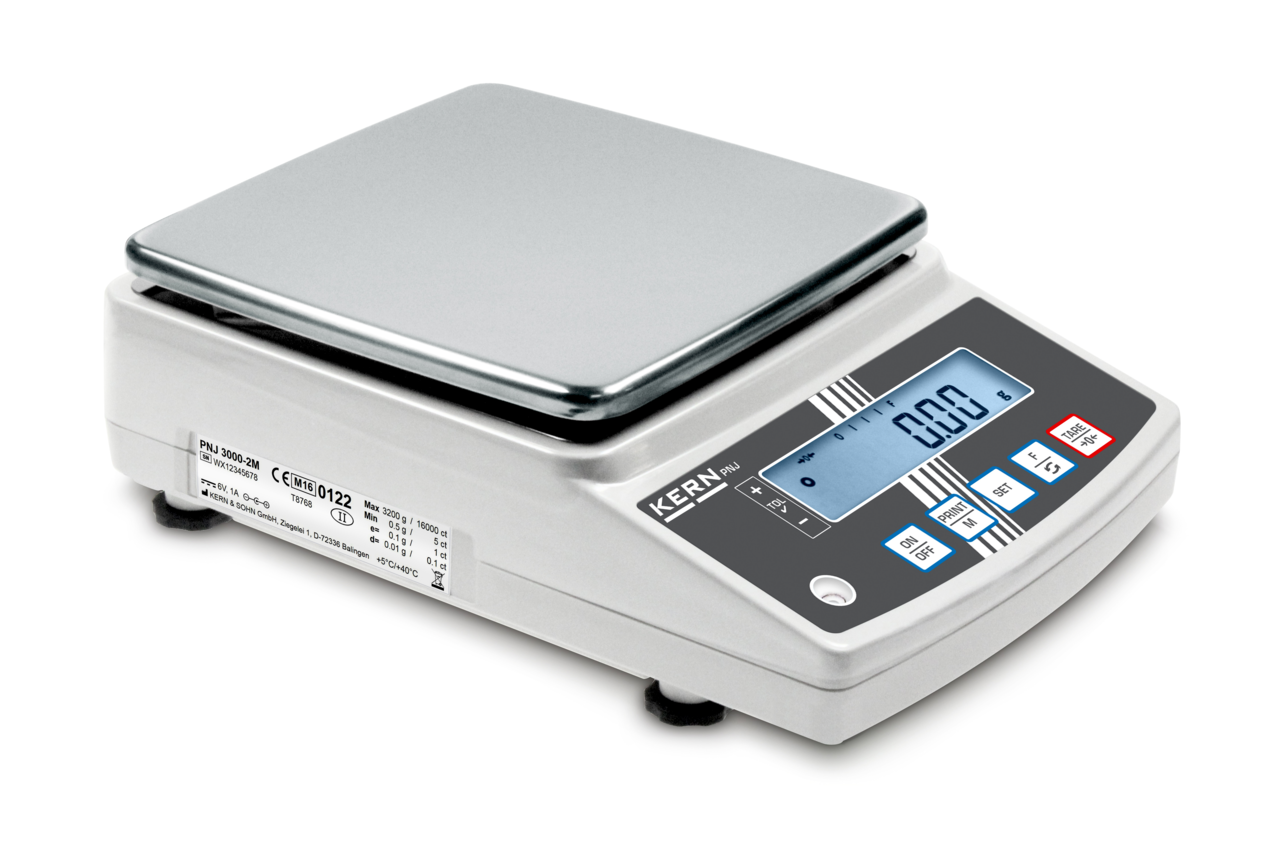
Kern PNJ Precision BalanceKern PNJ Precision Balance
Kern PNJ Precision Balances Sale priceFrom £642.40
Kern PLS Precision BalanceKern PLS Precision Balance
Kern PLS Precision Balances Sale priceFrom £624.80
Kern PLJ Precision BalanceKern PLJ Precision Balance
Kern PLJ Precision Balances Sale priceFrom £783.20
Kern PFB Precision BalanceKern PFB Precision Balance
Kern PFB Precision Balances Sale priceFrom £264.00
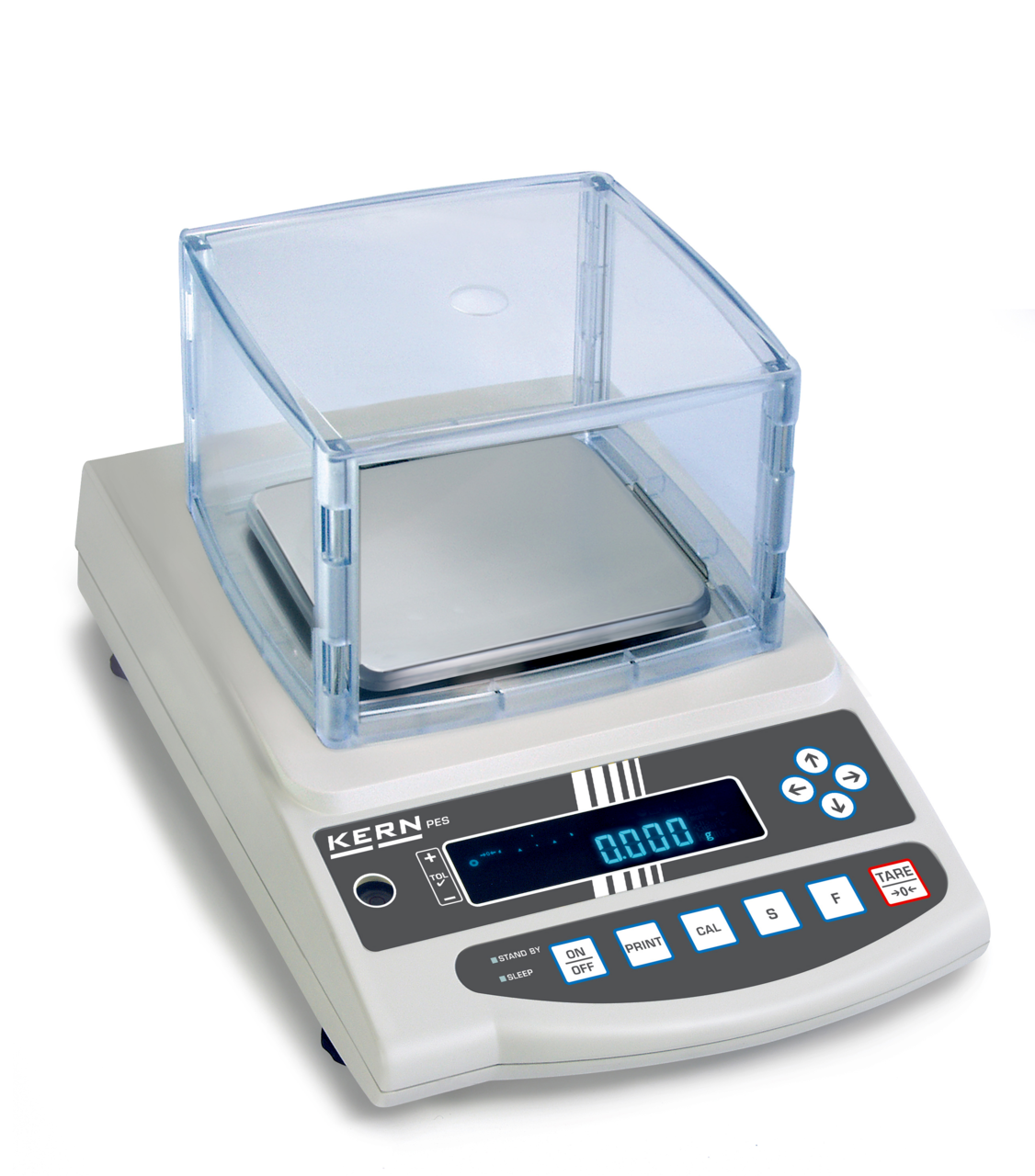
Kern PES Precision Balance
Kern PES Precision Balances Sale priceFrom £941.60
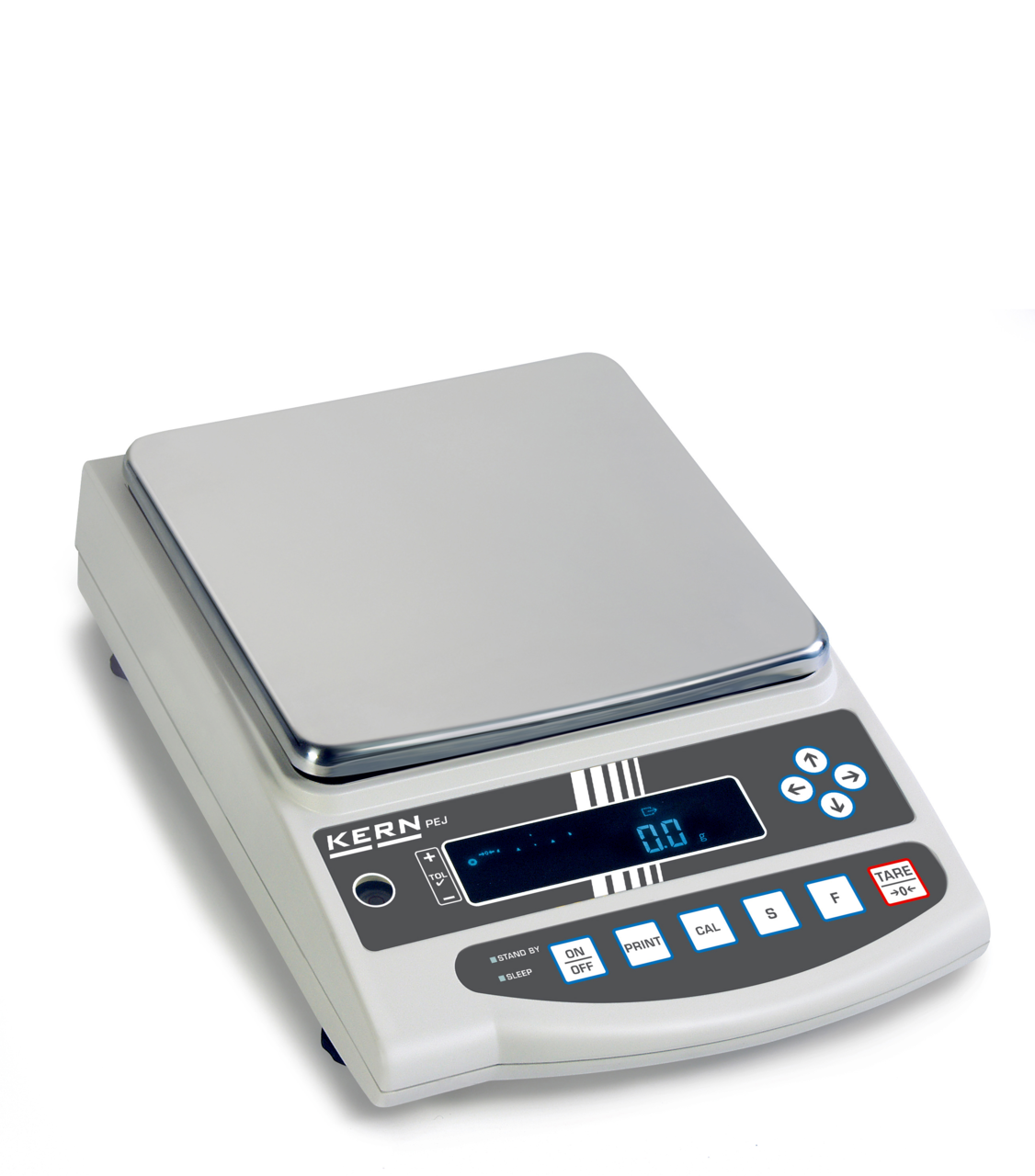
Kern PEJ Precision Balance
Kern PEJ Precision Balances Sale priceFrom £1,236.30
Kern PDT Precision BalanceKern PDT Precision Balance
Kern PDT Precision Balances Sale priceFrom £1,232.00
Kern PDS Precision BalanceKern PDS Precision Balance
Kern PDS Precision Balances Sale priceFrom £1,056.00
Kern PCJ Precision BalanceKern PCJ Precision Balance
Kern PCJ Precision Balances Sale priceFrom £409.10
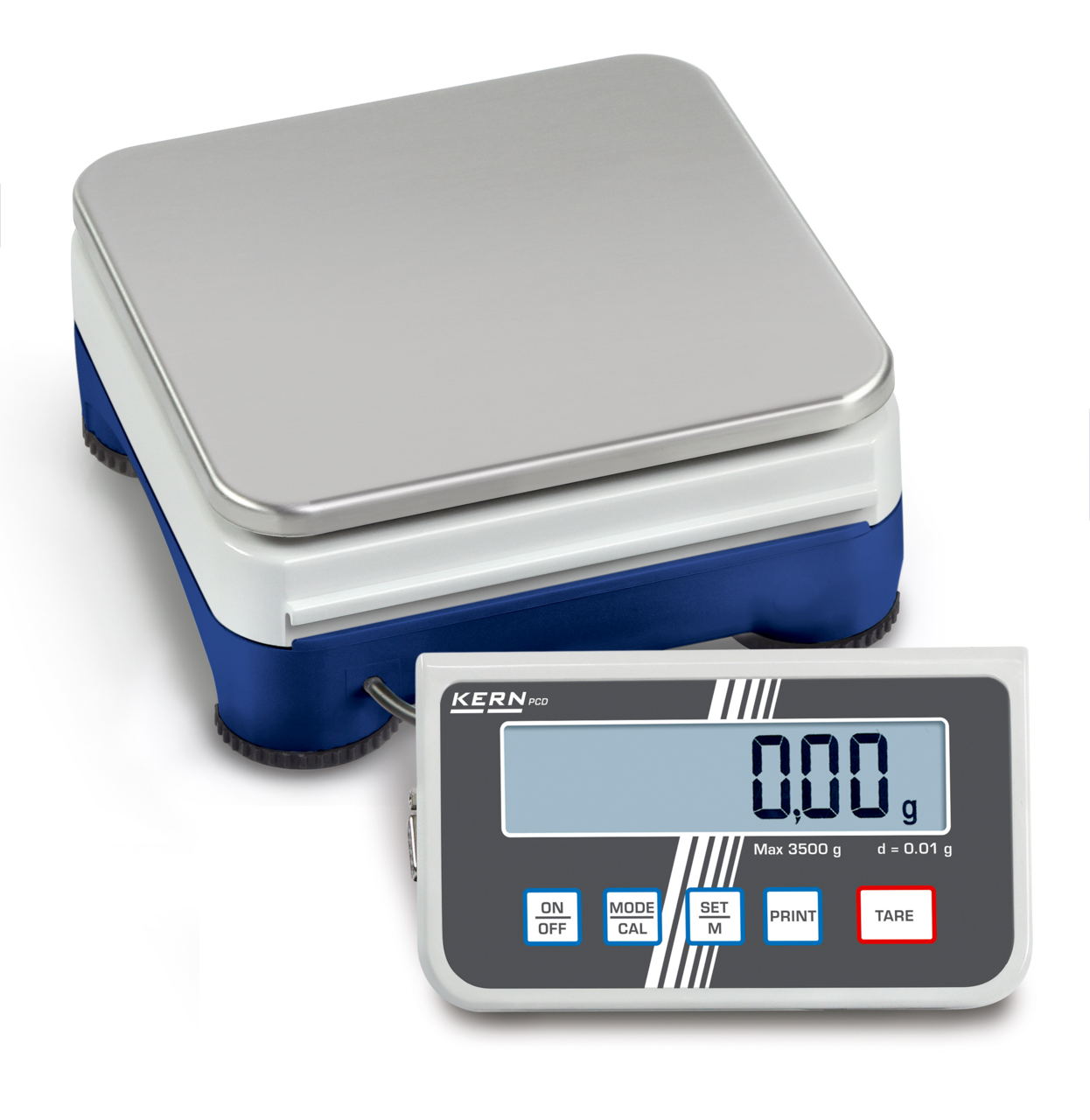
Kern PCD Precision Balance
Kern PCD Precision Balances Sale priceFrom £184.80
Kern PBS Precision BalanceKern PBS Precision Balance
Kern PBS Precision Balances Sale priceFrom £1,364.00
Kern PBJ Precision BalanceKern PBJ Precision Balance
Kern PBJ Precision Balances Sale priceFrom £1,623.50
Kern FES Precision BalanceKern FES Precision Balance
Kern FES Precision Balances Sale priceFrom £2,596.00
Kern FEJ Precision BalanceKern FEJ Precision Balance
Kern FEJ Precision Balances Sale priceFrom £2,855.50
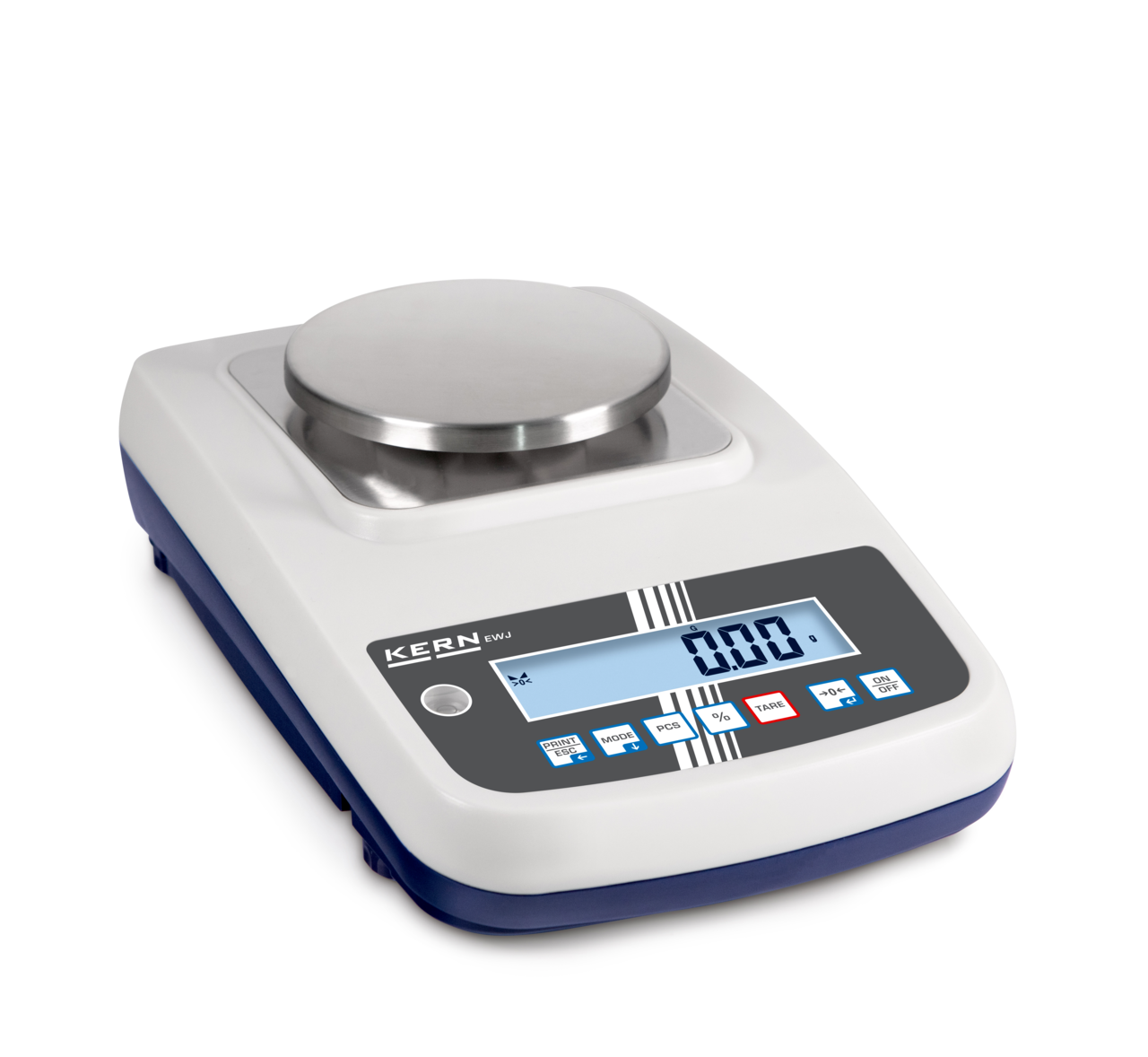
Kern EWJ Precision BalanceKern EWJ Precision Balance
Kern EWJ Precision Balances Sale priceFrom £435.50
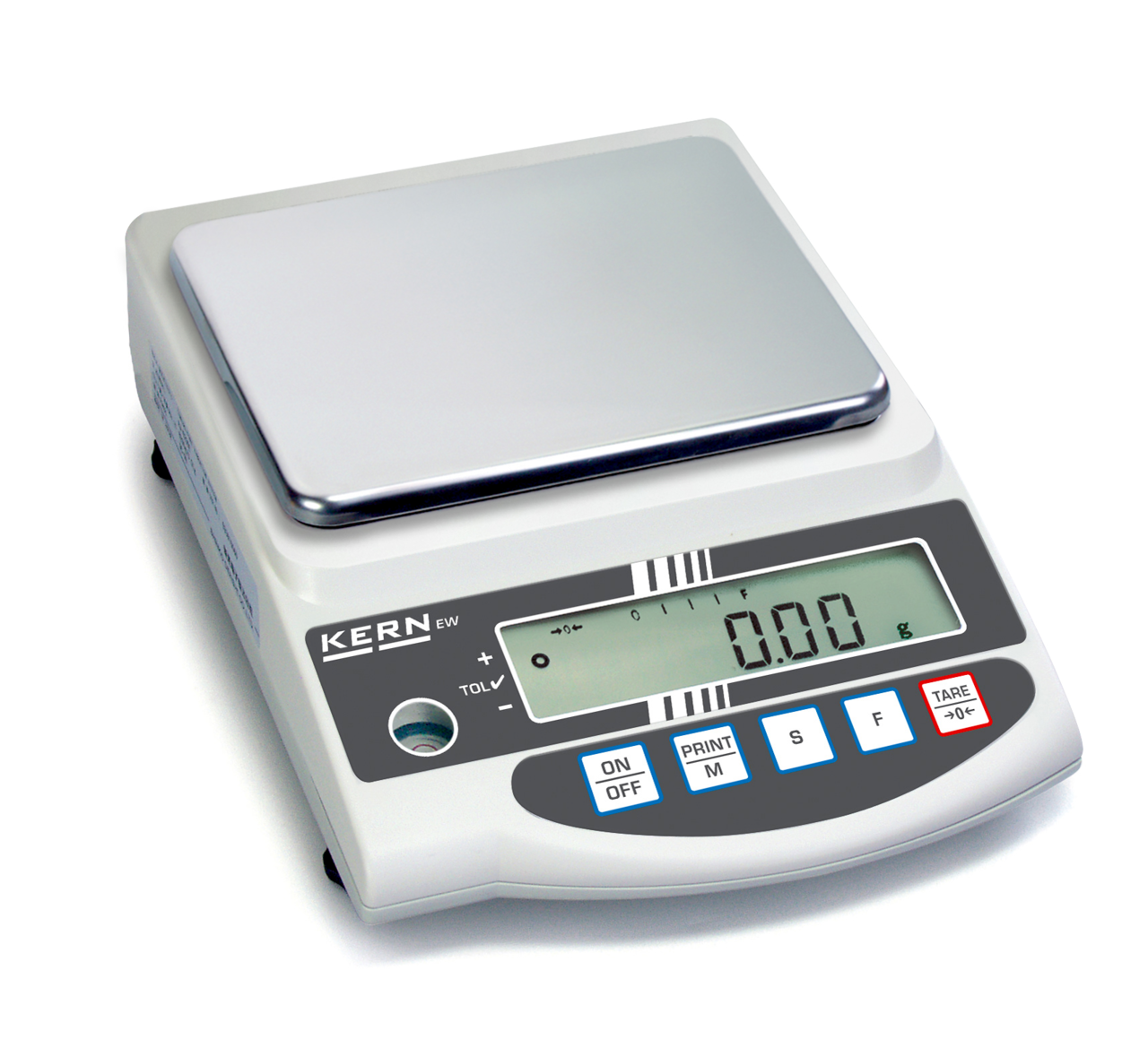
Kern EW Precision Balance
Kern EW Precision Balances Sale priceFrom £677.60

Further Reading

Understanding Laboratory Balances

Choosing a laboratory balance starts with the required readability, maximum capacity and intended application. Readability is the smallest change in mass shown by the display, while capacity is the maximum load the balance can weigh. Other important considerations include adjustment method, pan size, connectivity and the operating environment.

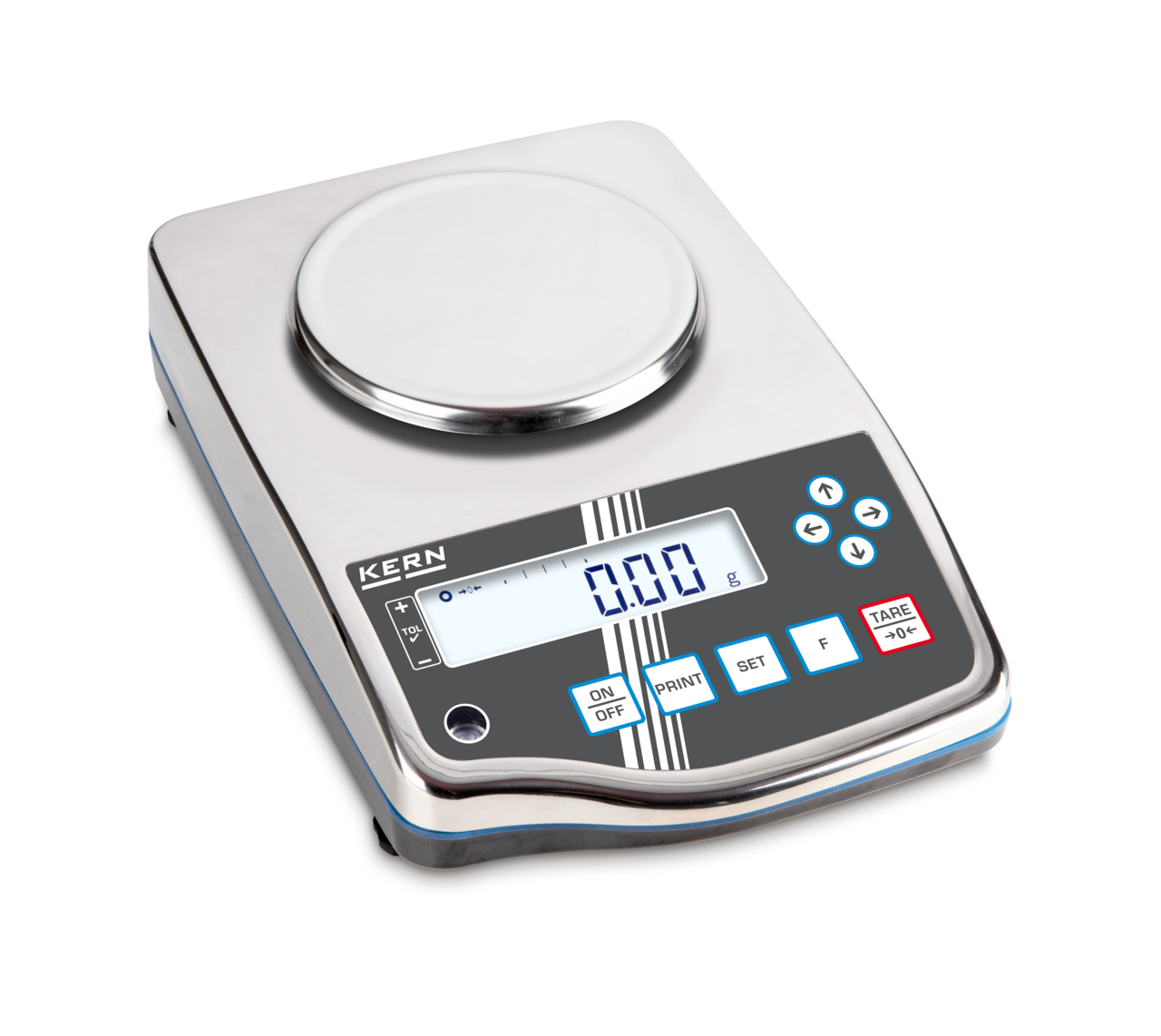
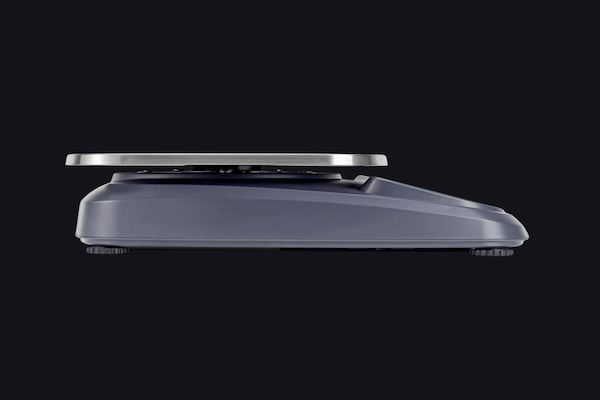
Precision balances are commonly used for routine laboratory weighing, formulation, sample preparation, education and industrial quality control. Depending on the model, they typically provide readabilities between 0.01 g and 0.001 g and are available with a broad range of weighing capacities.

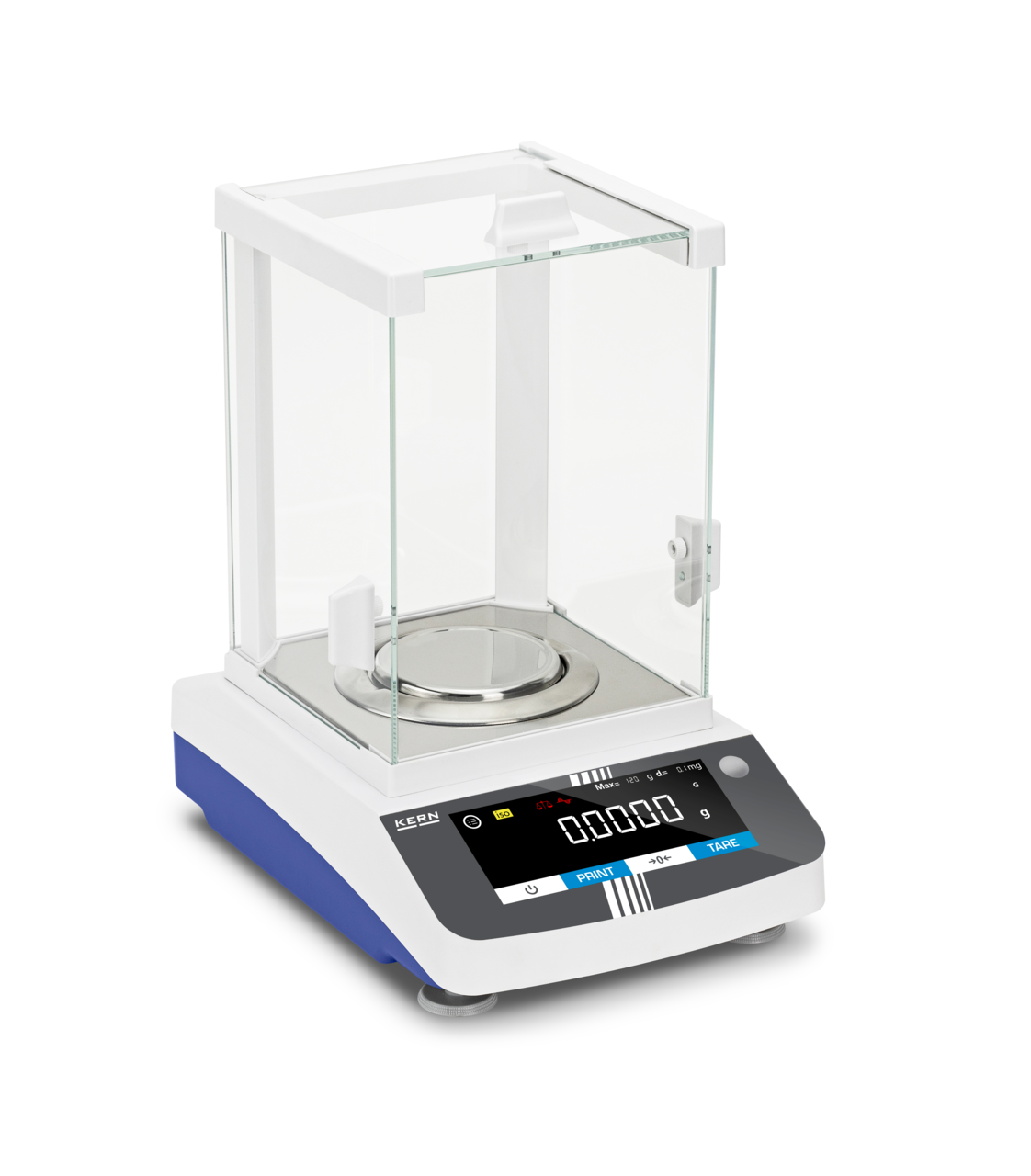
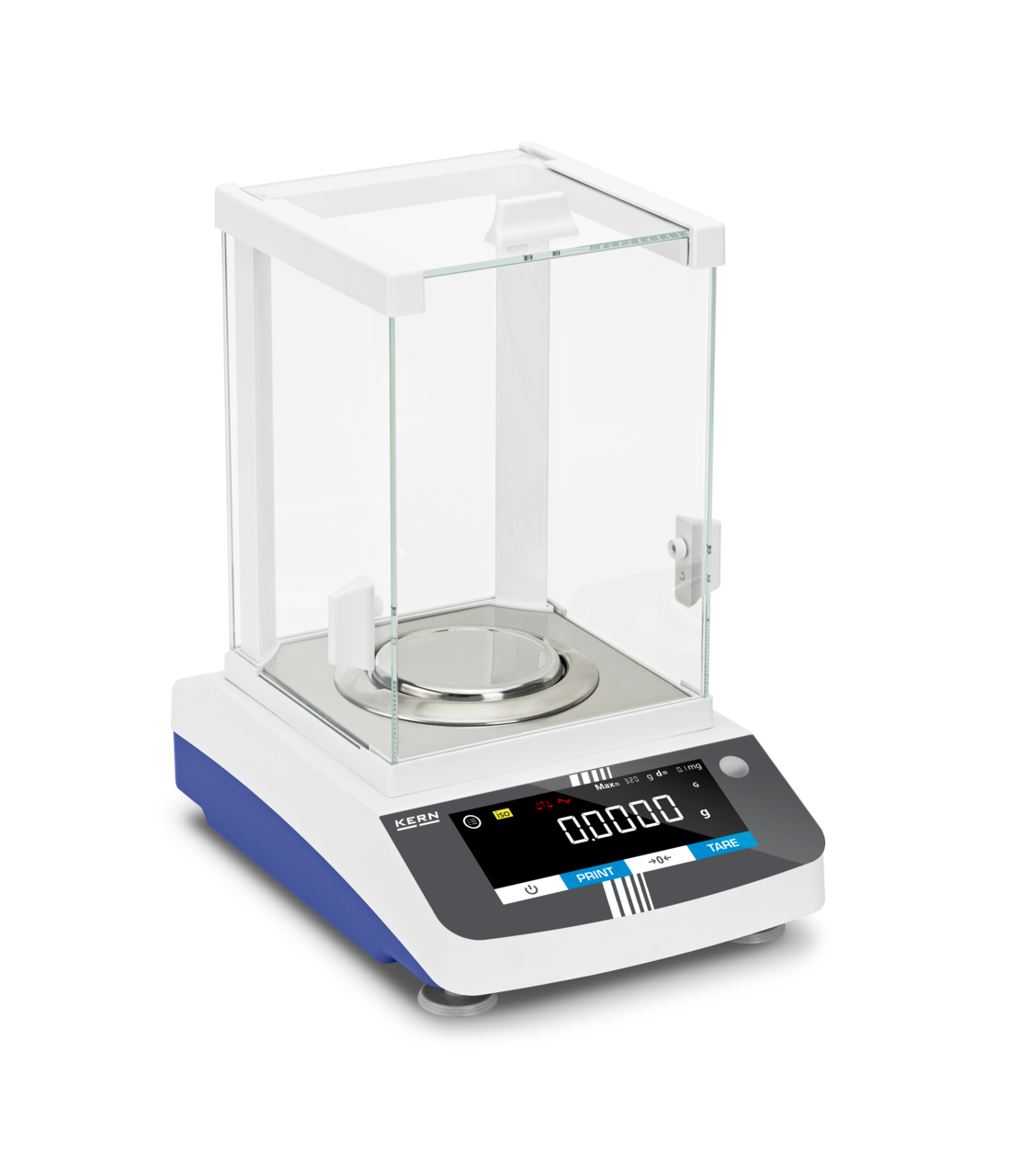
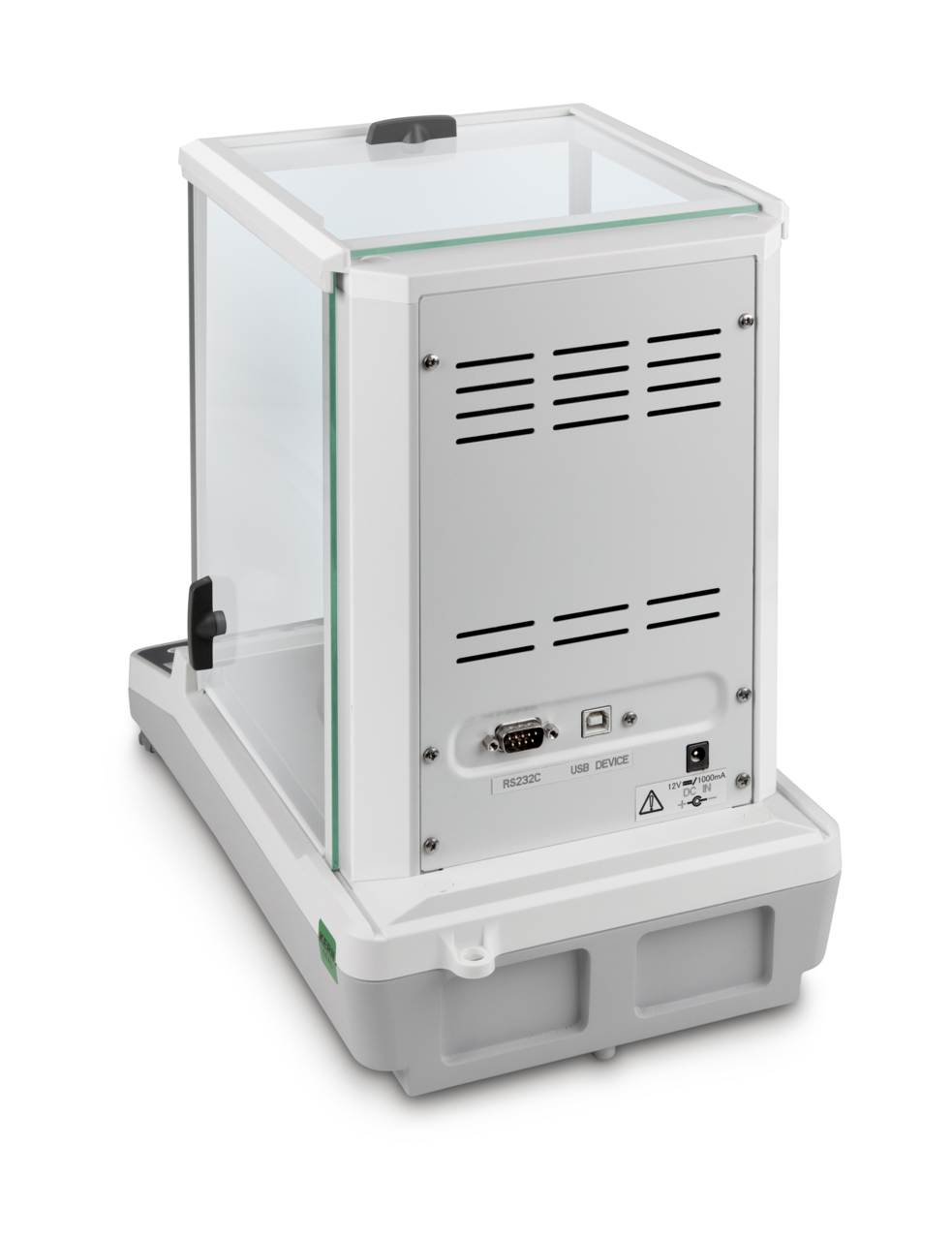
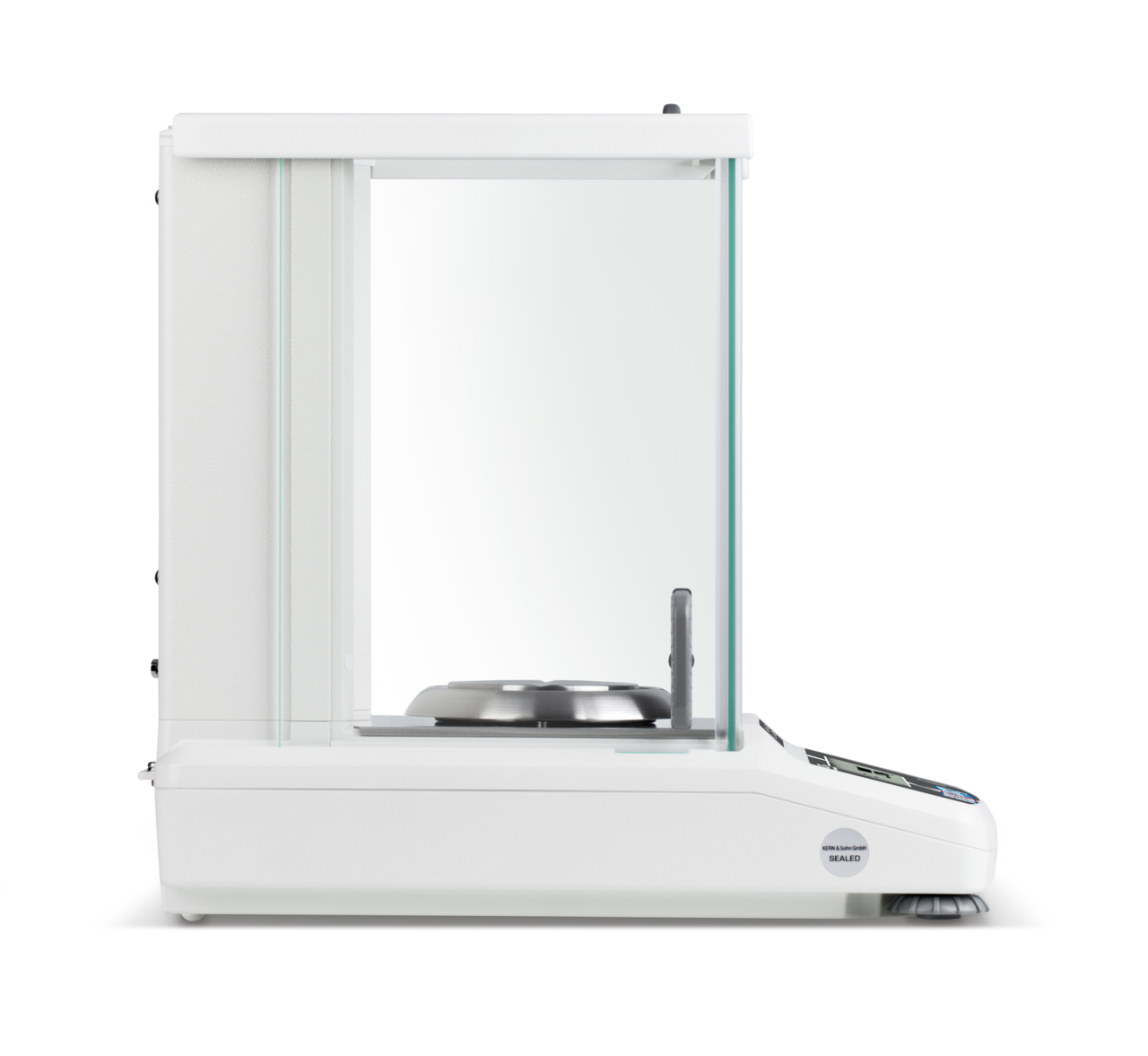
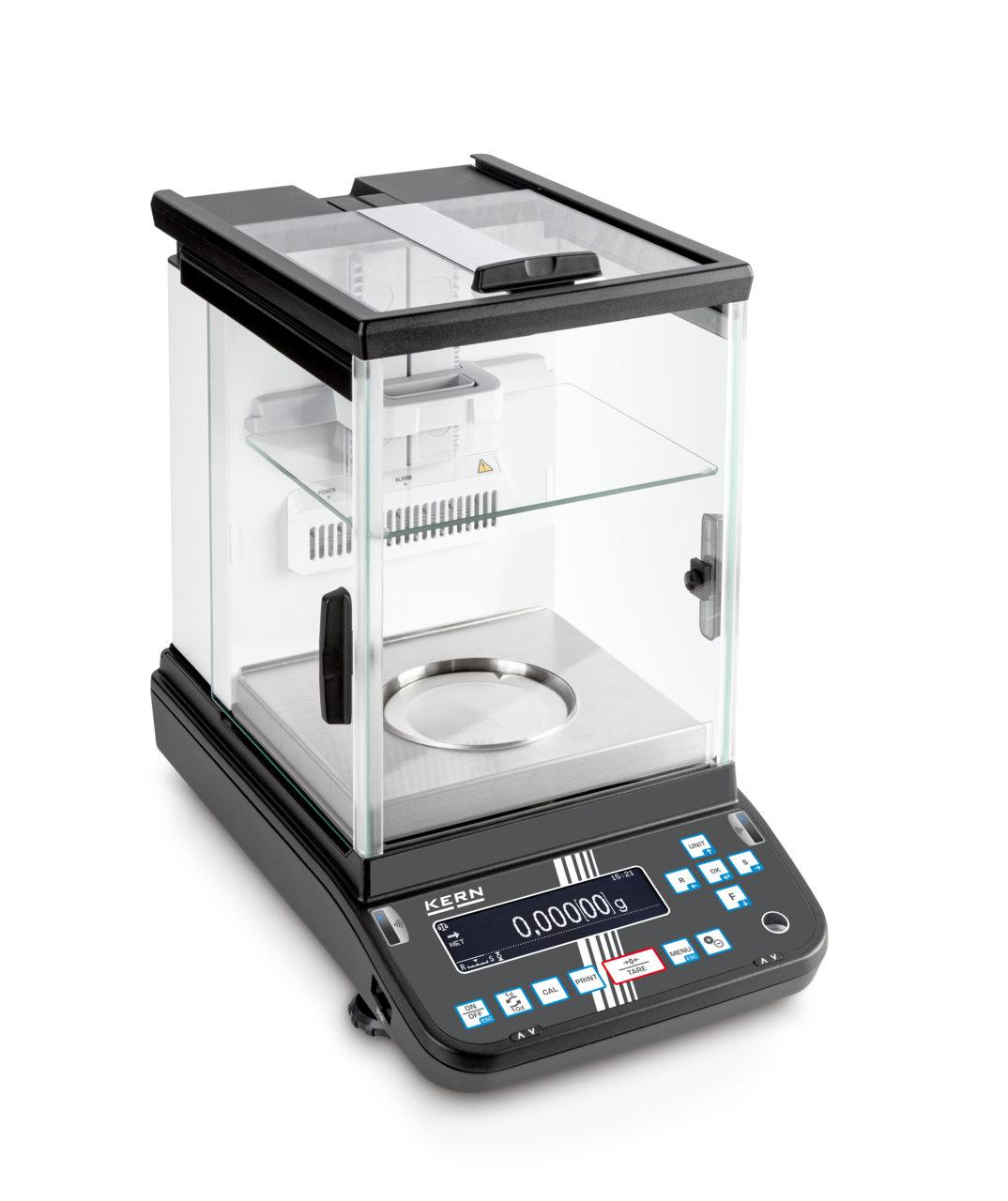
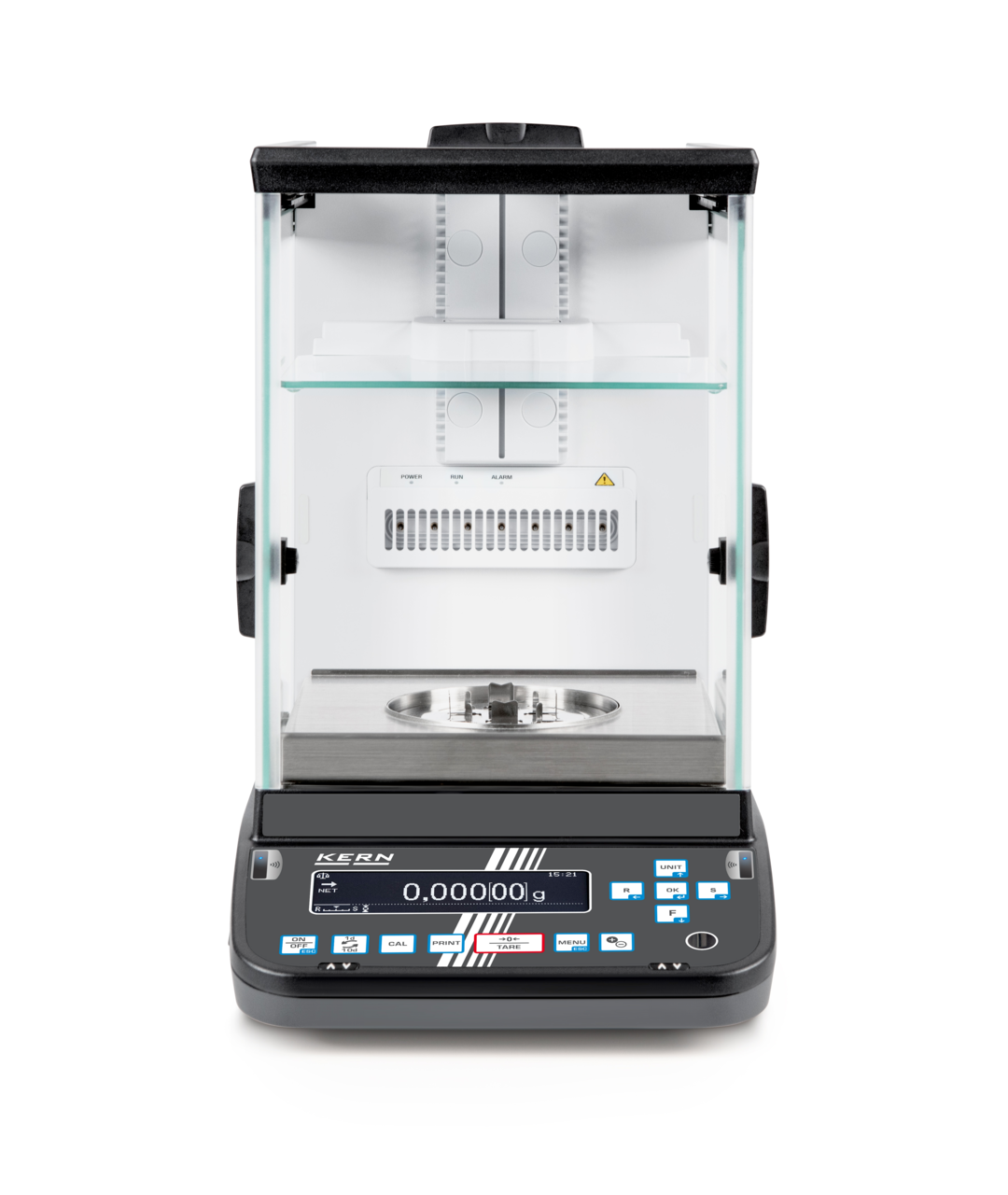
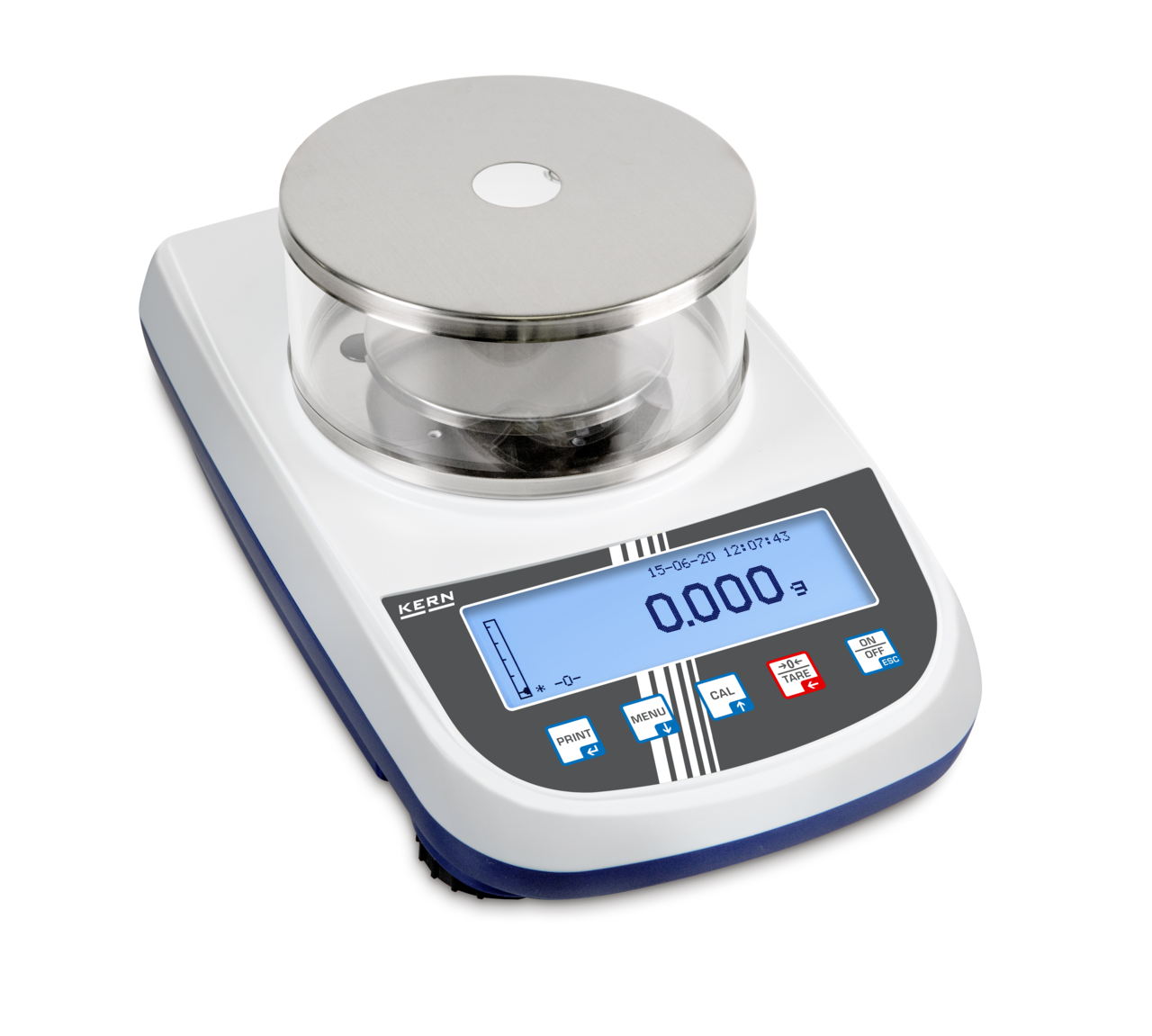
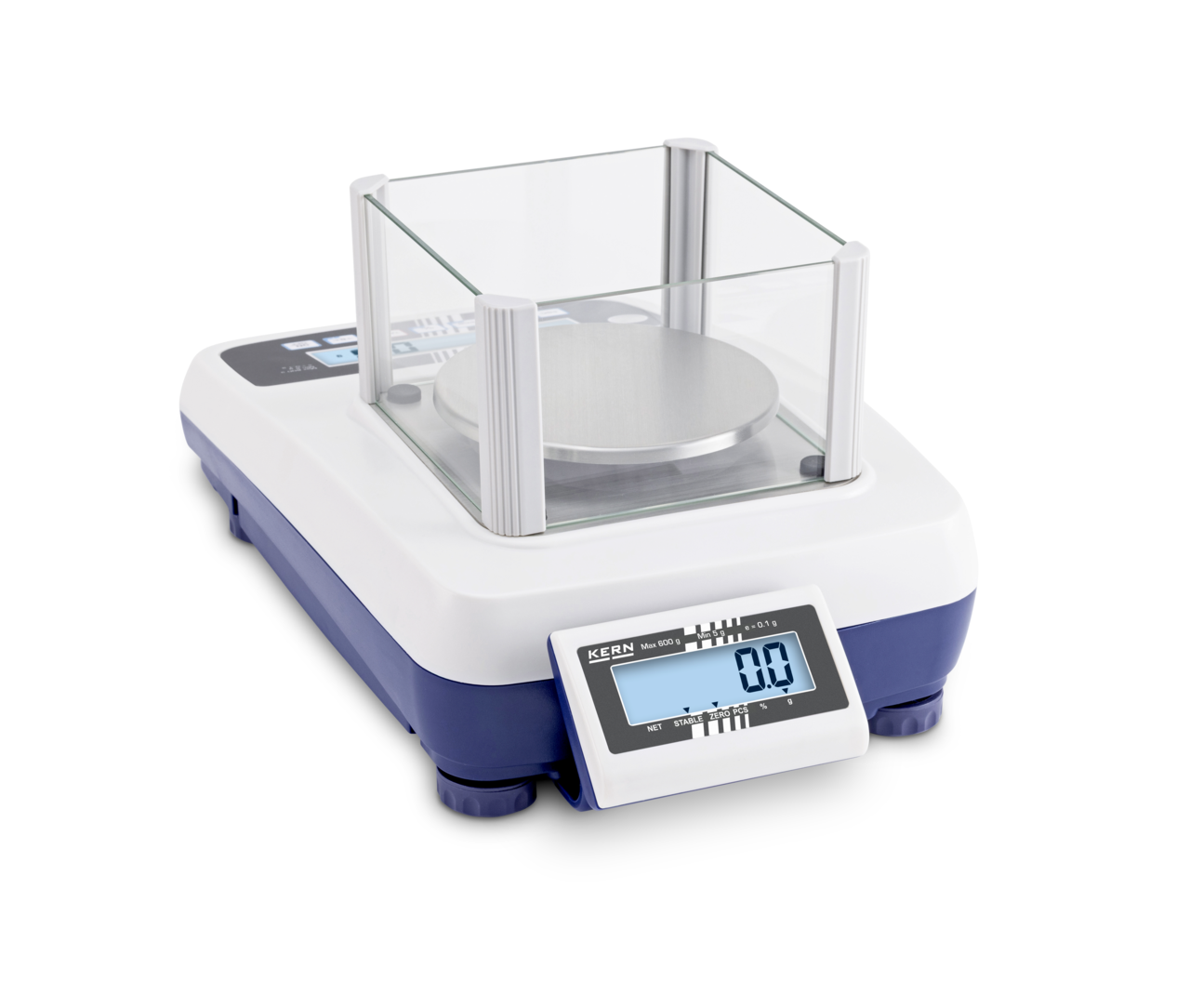
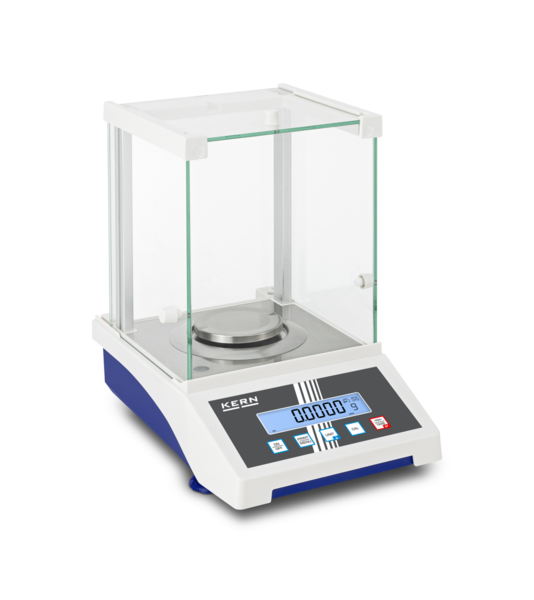
Analytical balances commonly provide 0.0001 g (0.1 mg) readability for more sensitive measurements. They are widely used for analytical chemistry, gravimetric analysis, pharmaceutical work and research. A draught shield is normally fitted to help reduce the influence of air movement around the weighing pan.

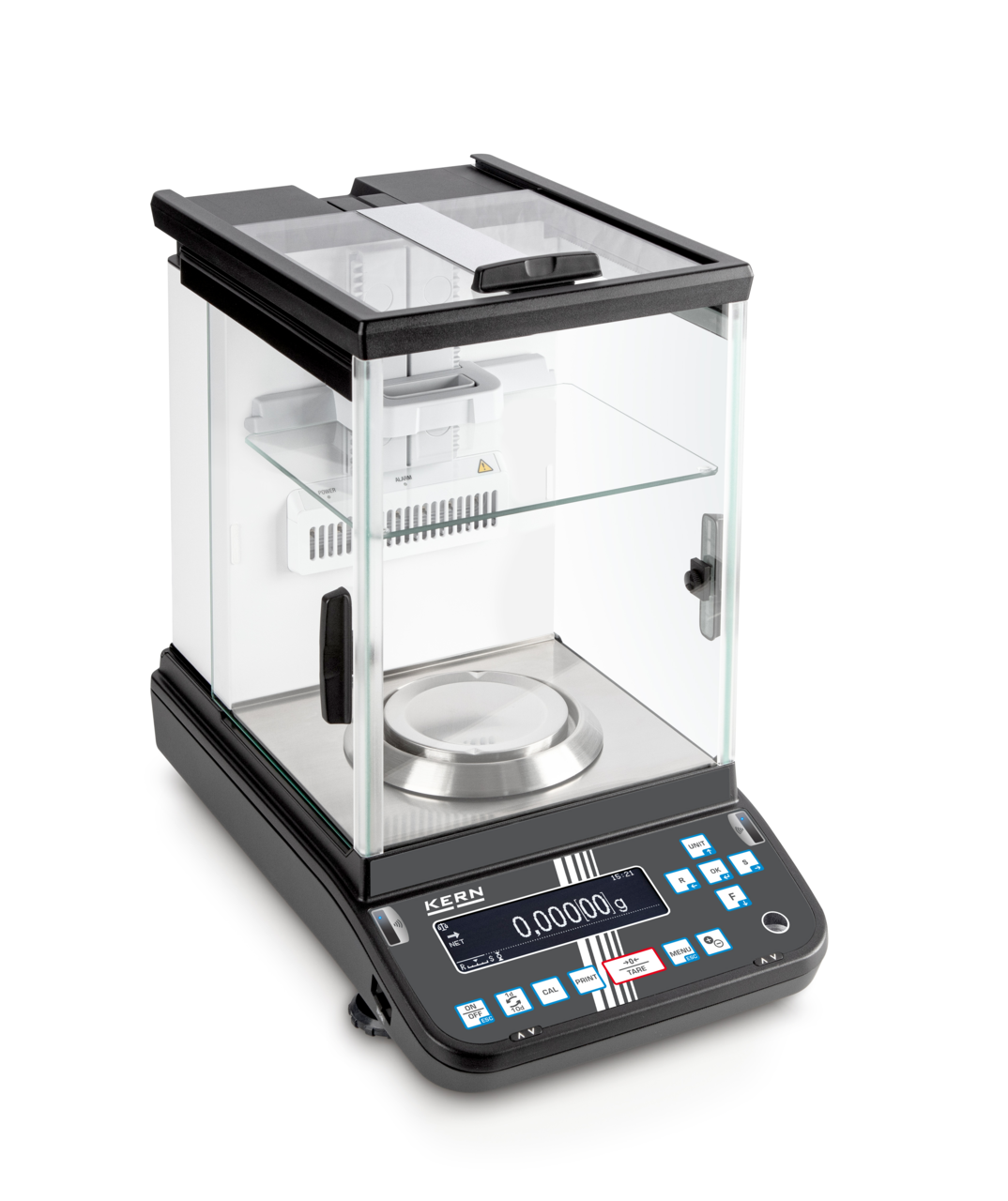
Semi-micro balances provide finer readability for specialist applications involving small sample masses and carefully controlled weighing procedures. Their performance is particularly dependent on stable installation conditions and suitable handling techniques.

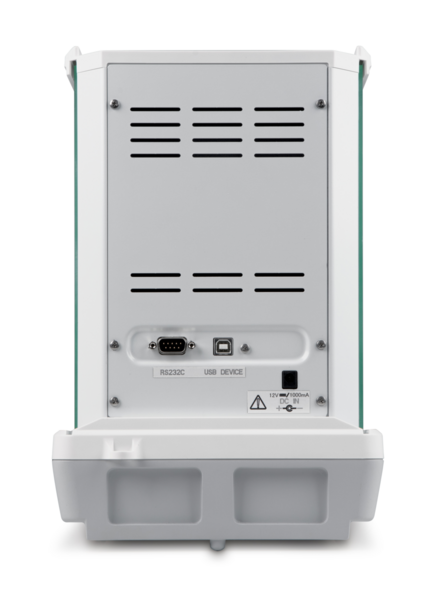
Selected laboratory balances incorporate automatic internal adjustment using a built-in reference weight. Other models require external adjustment using a suitable calibrated test weight. Depending on the model, RS-232, USB and formatted GLP/GMP output may also be available for connection to printers and computer systems.

Environmental conditions can affect sensitive measurements. Air movement, vibration, temperature changes, static electricity and unsuitable work surfaces may all influence weighing performance. Draught shields, anti-vibration tables and controlled weighing areas can help improve stability and repeatability.

Choose the Required Readability

Compare the smallest displayed increment with the sample size and measurement requirements. Precision, analytical and semi-micro balances provide different levels of readability.

Compare Adjustment Methods

Selected balances provide automatic internal adjustment, while other models require external adjustment using a suitable calibrated test weight.

Check Data Connectivity

Depending on the model, RS-232, USB and formatted GLP/GMP output may support printing, computer connection and documented weighing procedures.

Learn more

Laboratory Balance Applications

Laboratory balances support sample preparation, formulation, analysis and quality-control procedures across scientific, educational and industrial environments.

Pharmaceutical and Chemical Analysis

Analytical and semi-micro balances support sample preparation, formulation, gravimetric analysis and other sensitive weighing procedures within pharmaceutical and chemical laboratories.

Food Testing and Quality Control

Precision and analytical balances support ingredient measurement, sample preparation, formulation and quality-control checks within food-testing and production environments.

Education and Research Laboratories

Laboratory balances are used within schools, universities and research facilities for practical teaching, experimental work and routine sample measurement.

How to Choose a Laboratory Balance

Selecting a suitable laboratory balance depends on the required readability, maximum capacity, adjustment method, operating environment and data-recording requirements.

Determine the Required Readability

Routine precision weighing commonly uses readability between 0.01 g and 0.001 g, while analytical applications may require 0.0001 g (0.1 mg) or finer resolution.

Consider Adjustment and Calibration

Compare automatic internal adjustment with models requiring external adjustment, and confirm whether calibration certification is required for your quality procedures.

Review Environmental Conditions

Sensitive weighing requires a stable surface and protection from vibration, air movement and temperature changes. Draught shields or anti-vibration tables may be required.

Check Connectivity and Data Output

Depending on the model, USB, RS-232 and formatted GLP/GMP output can support printing, computer connection and documented laboratory procedures.

Laboratory Balance FAQs

Laboratory balances are used throughout scientific and industrial environments requiring highly accurate weighing performance. Below are answers to some common questions relating to laboratory balances and analytical weighing equipment.