
Load Cell Mounting Kits & Dummy Load Cells

Load-cell mounting kits help transfer force into the sensor correctly while allowing a tank, hopper or platform to move as intended. The range also includes dummy load cells and associated hardware for supported weighing structures.

Choose the assembly specified for the load-cell model, capacity and installation conditions. Mounting parts should be considered at the start of the mechanical design, not added after the structure has been built.

Filters

Sort by:

43 products

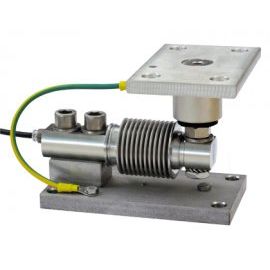
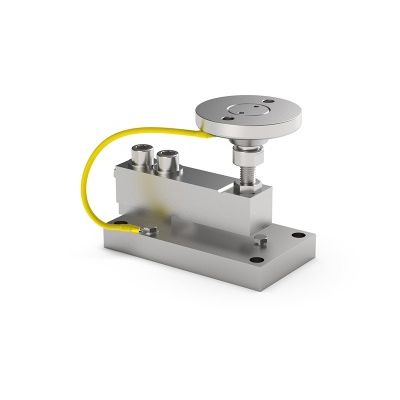
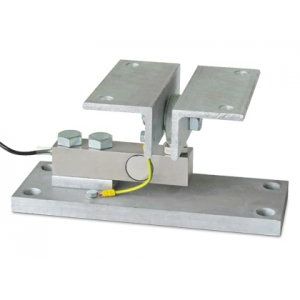
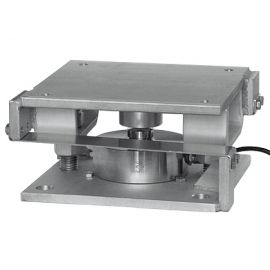
Laumas TFGP Load Cell Mounting Kit
Laumas TFGP Load Cell Mounting Kit Sale priceFrom £105.00
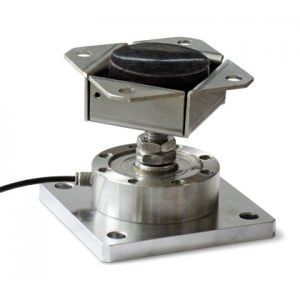
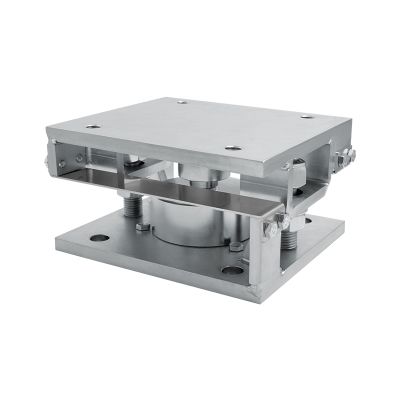
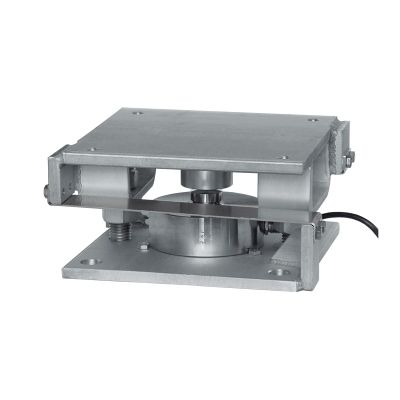
Laumas PV80CLS Load Cell Mounting Kit
Laumas PVCLSEN1090 Load Cell Mounting Kit
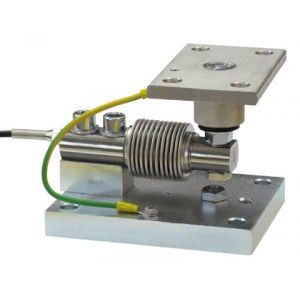
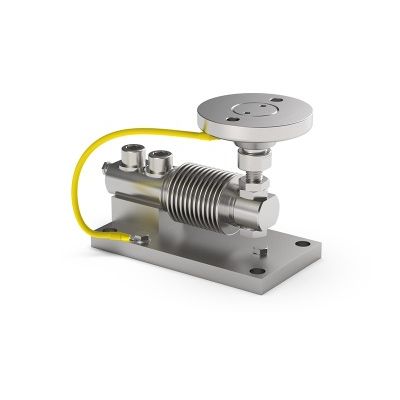
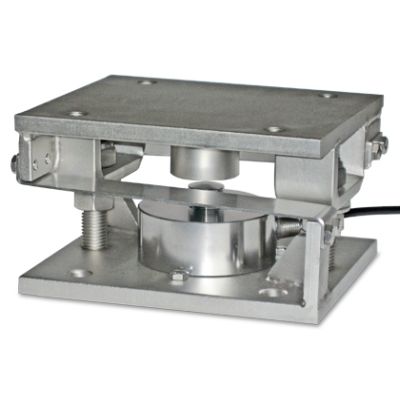
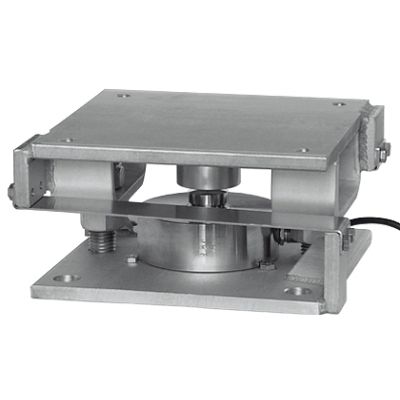
Laumas HD Load Cell Mounting Kit
Laumas HD Load Cell Mounting Kit Sale priceFrom £121.00
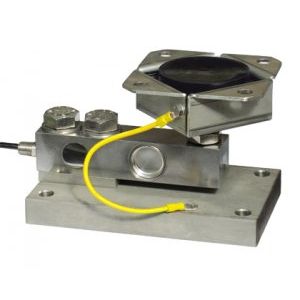
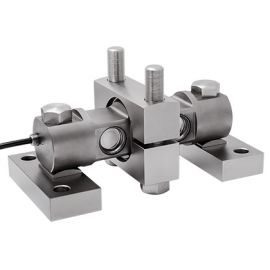
Laumas PV80 - PV60Z Load Cell Mounting Kit
Laumas T12F Load Cell Mounting Kit
Laumas PVEN1090 Load Cell Mounting Kit
Laumas Z10000 Load Cell Mounting Kit
Laumas TFPVEN1090 Load Cell Mounting Kit
Laumas PV80CLSEN1090 Load Cell Mounting Kit
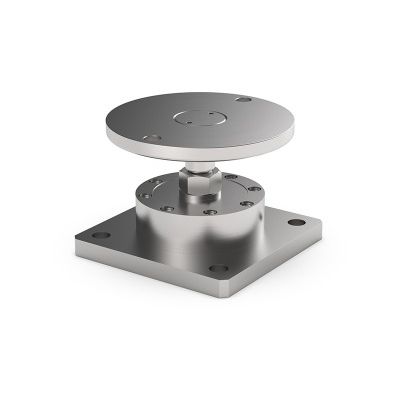
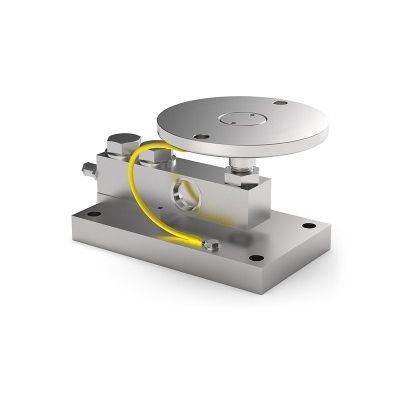
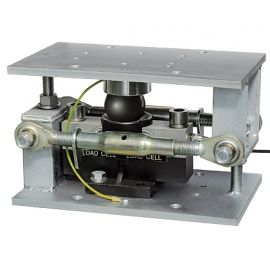
Laumas PS Load Cell Mounting Kit
Laumas PS Load Cell Mounting Kit Sale priceFrom £198.00
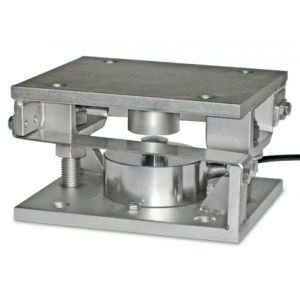
Laumas V10000 - V10275 Load Cell Mounting Kit
Laumas Z15000 - Z30000 - Z100000 Load Cell Mounting Kit
Laumas V10000EN1090 - V10275EN1090 Load Cell Mounting Kit
Laumas PV80EN1090 Load Cell Mounting Kit
Laumas V15000 - V30000 - V100000 Load Cell Mounting Kit
Laumas V15000EN1090 - V30000EN1090 - V100000EN1090 Load Cell Mounting Kit
Laumas VDTX Load Cell Mounting Kit
Laumas VCOKDTL Load Cell Mounting Kit

Further Reading

Understanding Load Cell Mounting Kits & Dummy Load Cells

A load cell can only measure accurately when force reaches it through the intended path. Mounting kits provide the interfaces, joints and restraints needed to install the sensor beneath a tank, hopper, vessel or platform.

The assembly may need to accommodate thermal expansion, vibration, small alignment changes and forces created during filling or discharge. Depending on the design, it can also provide uplift or anti-tilt protection.

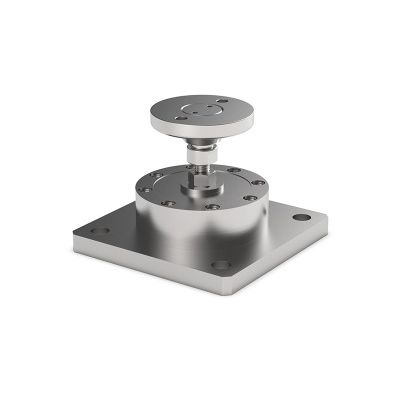
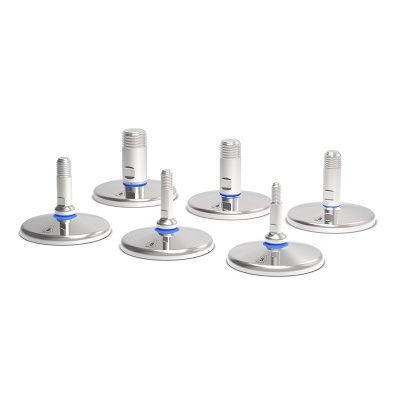
Dummy load cells are non-measuring supports used in particular structural arrangements or during installation. They should only be selected where the system design specifically calls for them.

Mechanical stability in weighing systems

A suitable assembly keeps the weighing point aligned while allowing the structure to settle and move normally without binding the sensor.

Self-centring and anti-tilt protection

Self-centring joints, restraints and anti-tilt features help control unwanted movement. The required arrangement depends on the vessel and surrounding pipework.

Dummy load cells for structural support

A dummy load cell supports the structure without producing a signal. Its use and position should follow the mechanical design of the weighing system.

Learn more

Load cell mounting kit applications

Mounting hardware is used wherever a load cell supports a structure and needs protection from unwanted mechanical forces.

Tank and vessel weighing

Tank and vessel assemblies may need to allow thermal expansion while restraining lateral movement and uplift.

Hopper and batching systems

Hoppers used for batching or discharge can generate movement and vibration, making correct restraint and load introduction particularly important.

Platform scales and OEM machinery

Platforms and OEM machinery need rigid fixing, correct alignment and enough clearance to prevent the surrounding frame from bypassing the sensor.

How to choose load cell mounting kits

Start with the exact load-cell model and the structure it will support, then check capacity, movement, material and fixing details.

Match the mounting kit to the load cell type

Use the kit specified for the load-cell family and capacity. Similar-looking assemblies are not necessarily dimensionally or mechanically interchangeable.

Consider load capacity and movement

Allow for the maximum load at each support and consider thermal movement, vibration, side force, uplift and the effect of connected pipework.

Choose suitable materials

Choose plated or stainless-steel versions according to moisture, washdown, corrosion and hygiene requirements at the installation site.

Check installation and maintenance requirements

Check fixing dimensions, restraints, clearances and access for inspection. Follow the manufacturer’s installation drawing and tightening requirements.

Load cell mounting kit FAQs

These answers cover the practical points that determine whether a mounting assembly is suitable for the load cell and structure.