

Weight Transmitters

Laumas TLB DIN-rail weight transmitters connect strain-gauge load cells to PLCs, displays and control systems. Choose from analogue, RS485 and industrial network versions to match your receiving equipment. Each transmitter reads one weighing channel, which can combine several compatible load cells through a junction box.

Product comparison

Compare Weight Transmitters

Use this guide to identify the Laumas product family that best matches the number of load cell inputs, installation and level of monitoring required.

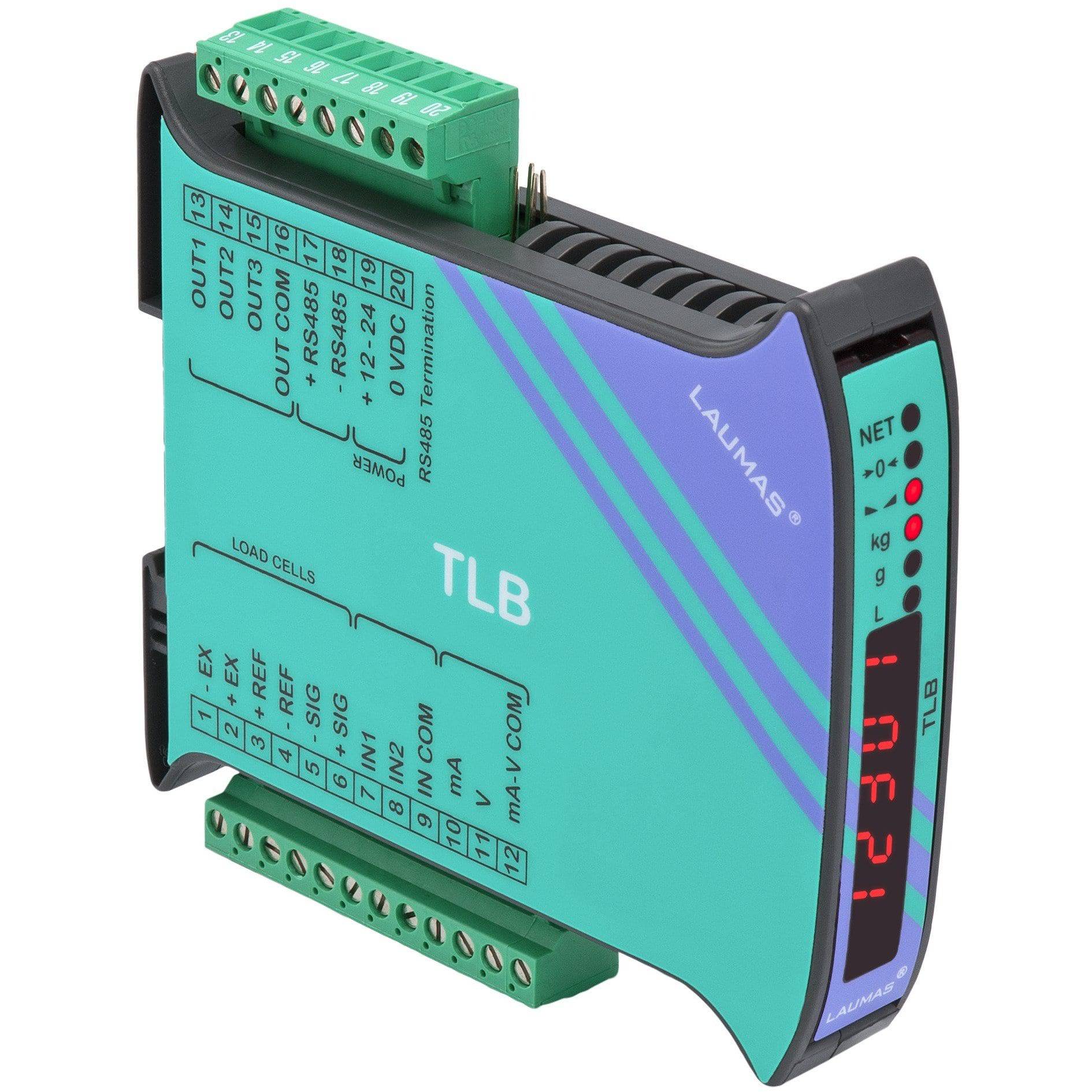
TLB
1 load cell input Compact DIN-rail weight transmitter for a single load-cell weighing point connected to a PLC or control system.
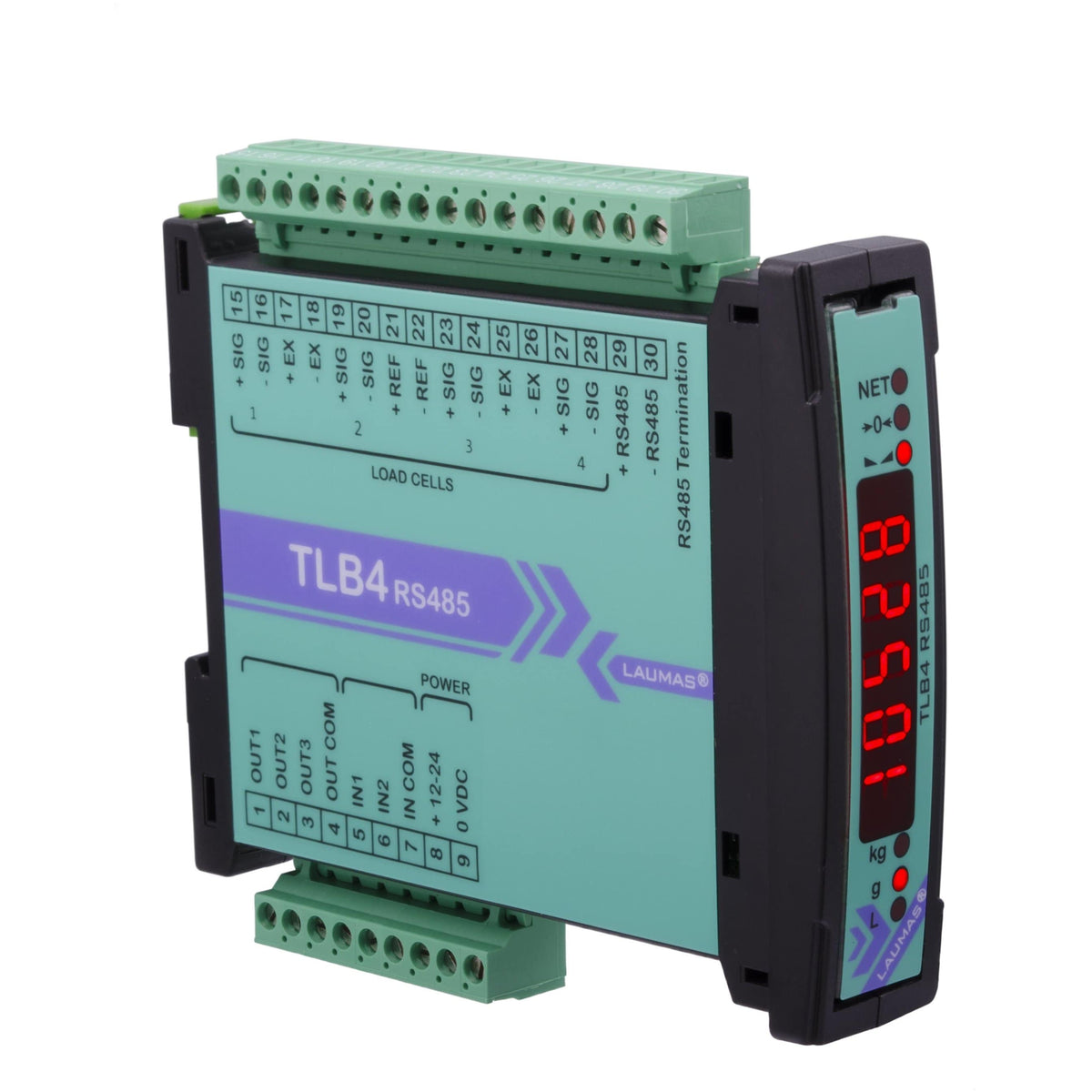
TLB4
4 load cell inputs Four-channel transmitter with digital equalisation and individual load-cell monitoring for tanks, hoppers and platforms.
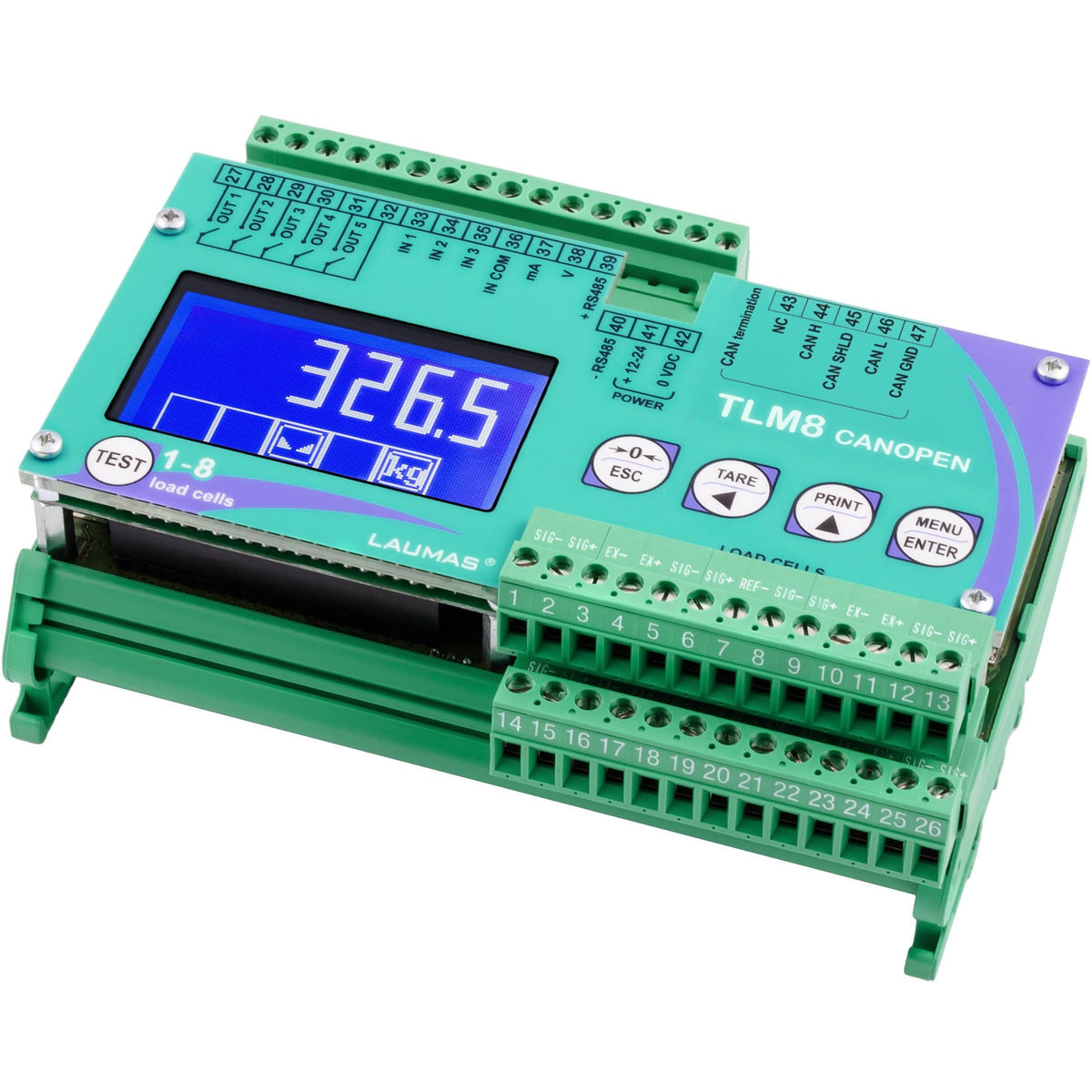
TLM8
8 load cell inputs Multi-channel transmitter for larger tanks, silos and platforms requiring load-distribution monitoring and individual sensor diagnostics.
TLK
1 load cell input Enclosed weight transmitter with a local display and keypad for setup, checking and process monitoring.
TLKWF
1 load cell input Enclosed transmitter with a local display, keypad and Wi-Fi communication for compatible networked weighing applications.
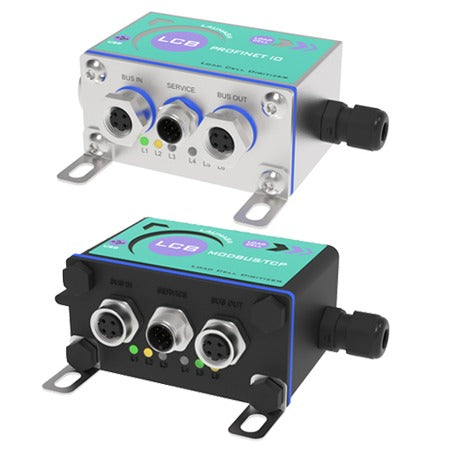
LCB
1 load cell input Converts a conventional analogue load cell into a digital device close to the point of measurement.

Filters

Sort by:

42 products

Laumas TLB SERCOS III Weight TransmitterAlternative view of the Laumas TLB SERCOS III Weight Transmitter
Laumas TLB4 CC-Link Weight TransmitterAlternative view of the Laumas TLB4 CC-Link Weight Transmitter
Laumas TLB4 EtherNet/IP Weight TransmitterAlternative view of the Laumas TLB4 EtherNet/IP Weight Transmitter
Laumas TLB4 EtherCAT Weight TransmitterAlternative view of the Laumas TLB4 EtherCAT Weight Transmitter
Laumas TLB4 POWERLINK Weight TransmitterAlternative view of the Laumas TLB4 POWERLINK Weight Transmitter
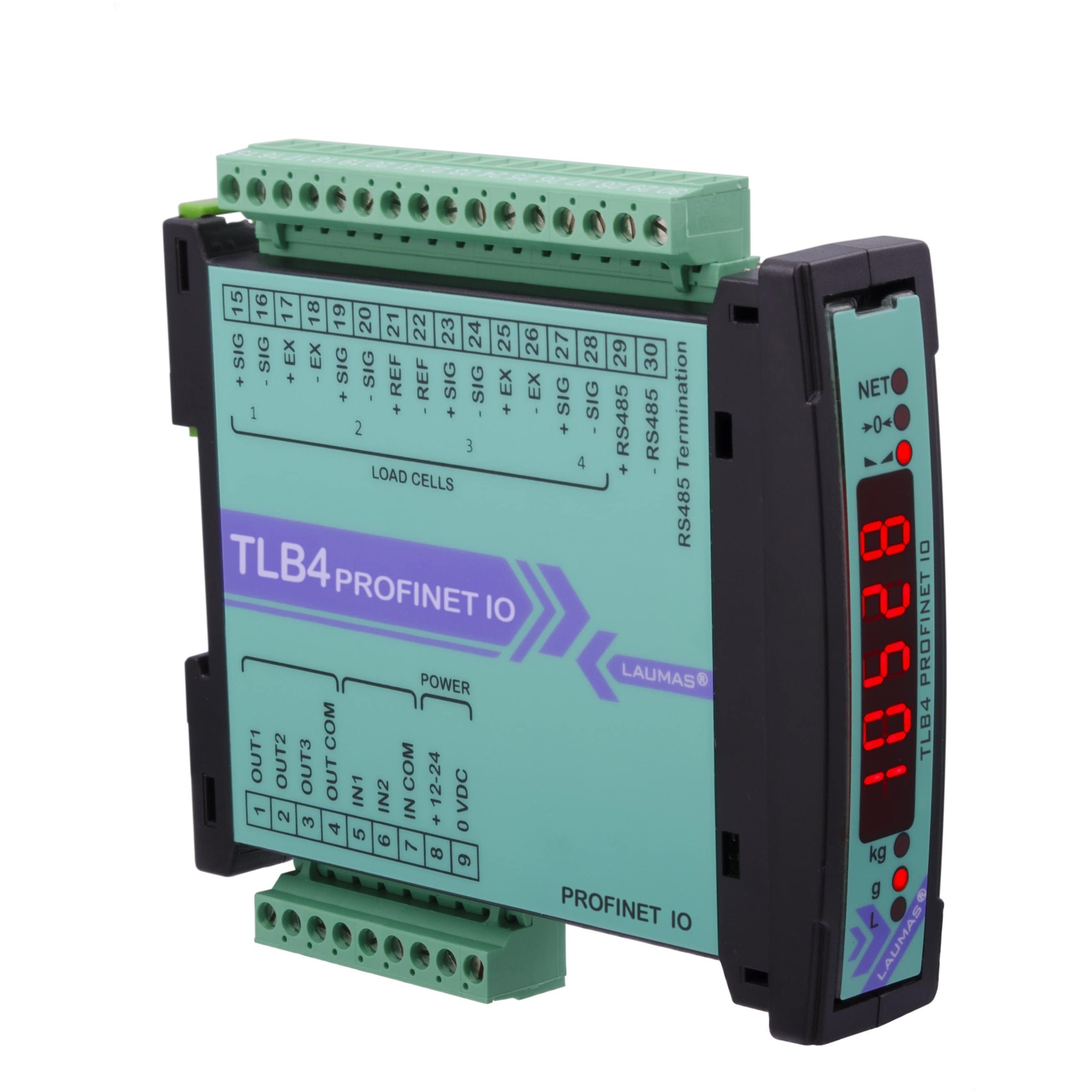
Laumas TLB4 PROFINET IO Weight TransmitterAlternative view of the Laumas TLB4 PROFINET IO Weight Transmitter
Laumas TLB4 SERCOS III Weight TransmitterAlternative view of the Laumas TLB4 SERCOS III Weight Transmitter
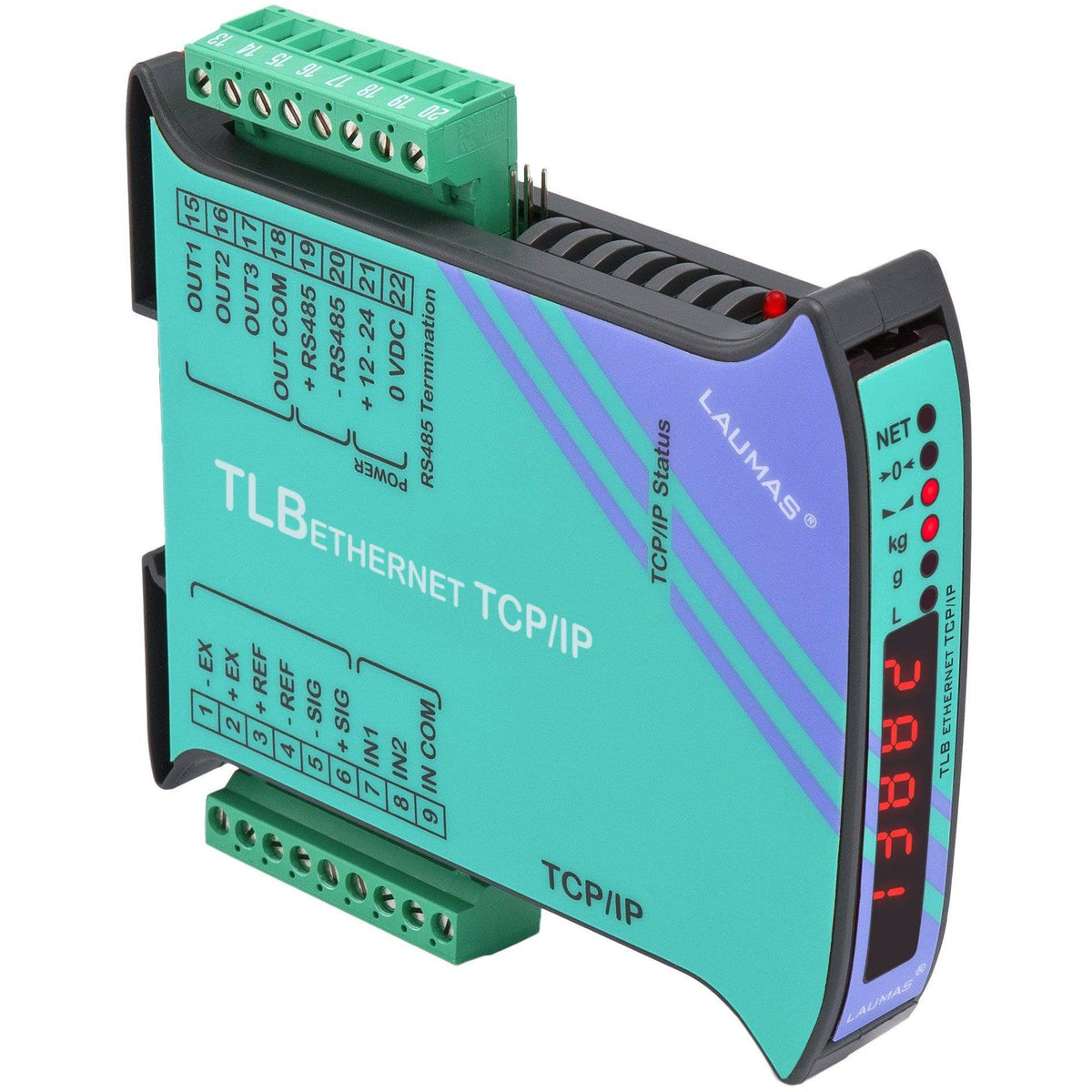
Laumas TLM8 Ethernet TCP/IP Weight Transmitter
Laumas TLM8 CANopen Weight Transmitter
Laumas TLM8 DeviceNet Weight Transmitter
TLM8 PROFIBUS DP Weight Transmitter
Laumas TLM8 CC-Link Weight Transmitter
Laumas TLM8 EtherNet/IP Weight Transmitter
TLM8 PROFINET IO Weight Transmitter
TLM8 SERCOS III Weight Transmitter
TLM8 Modbus TCP Weight Transmitter
TLM8 POWERLINK Weight Transmitter
Laumas TLM8 EtherCAT Weight Transmitter

Further Reading

Communication and output options

Analogue transmitters provide a continuous current or voltage signal for a compatible PLC input, display or controller. They are often a practical choice for established systems where the weight value is required without additional network data.

RS485 provides a dependable serial connection for compatible instruments and control equipment. Network versions place weighing data directly onto the specified automation system, with options including CANopen, EtherCAT, EtherNet/IP, Modbus TCP, POWERLINK, PROFIBUS DP, PROFINET IO and SERCOS III.

The interface must match the PLC or machine network exactly. Similar names do not necessarily indicate compatible protocols, so confirm both the physical connection and communication standard when selecting a transmitter.

Single-point weighing

Compact TLB transmitters provide one weighing channel for a single load cell or the combined signal from several compatible load cells connected in parallel through a junction box. The permitted number depends on the model's excitation capacity and load-cell impedance.

Multi-cell diagnostics

TLB4 and TLM8 models retain individual channel information, helping engineers balance the system and identify uneven loading or a suspect sensor.

Local indication and setup

TLK models include a display and keypad where engineers or operators need to view the weight and access setup functions at the installation.

Learn more

Weight transmitter applications

Weight transmitters are used where load-cell measurements need to form part of a machine, production process or monitoring system.

Tank, hopper and silo weighing

Connect vessel load cells to local displays, PLCs and monitoring systems for stock measurement, batching and process control.

Machine and PLC integration

Bring weight data into OEM machinery and automated production equipment through the analogue, serial or network interface used by the controller.

Filling, dosing and batching

Provide continuous weight feedback to compatible control equipment used for filling, dosing and batch measurement.

How to choose a weight transmitter

Choose the input arrangement first, then match the output, installation format and electrical requirements to the weighing system.

Match the communication interface

Select the exact analogue, serial or industrial network interface required by the PLC, HMI or control equipment.

Choose the weighing channel arrangement

A single weighing channel can read one load cell or the combined signal from several compatible cells connected in parallel. Choose independent channels when individual load-cell monitoring and digital equalisation are required, and check the model's electrical limits.

Decide whether a local display is needed

DIN-rail models suit control-panel installation, while an enclosed transmitter with a display and keypad is useful where the weight must be checked locally.

Check electrical compatibility

Confirm the load-cell sensitivity and quantity, excitation supply, transmitter power supply, wiring and required output before selecting a model.

Weight transmitter FAQs

Answers to common questions about selecting and using weight transmitters in load-cell weighing systems.